
Main Courses
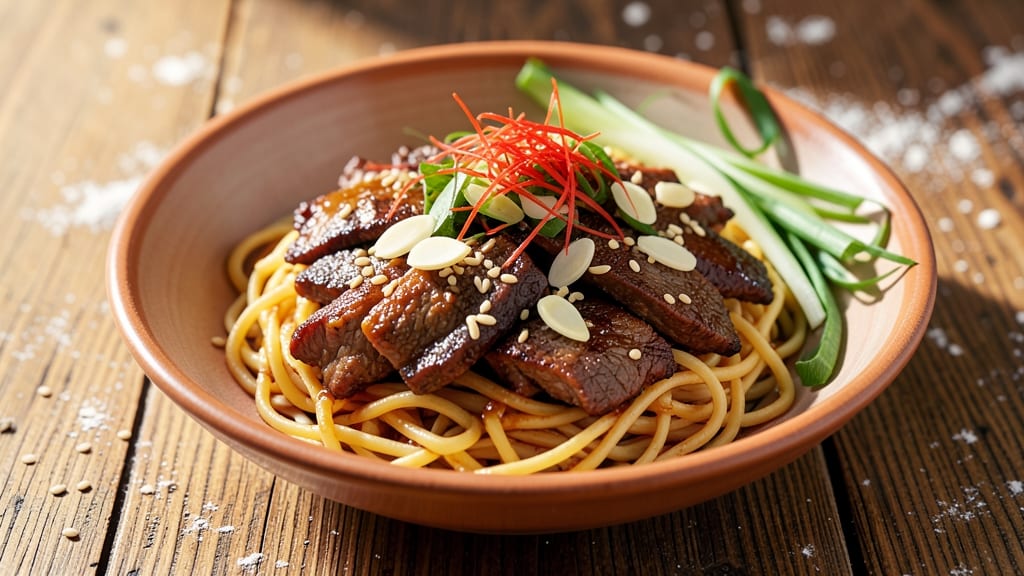
This beef and noodles recipe using canned beef proves pantry staples can deliver restaurant-quality results—no fancy ingredients required. I developed this one-pot meal after realizing how often canned beef transforms simple weeknight dinners into something satisfying.
The secret lies in balancing the salty beef with bright aromatics and a savory broth that turns basic ingredients into a flavorful dish.
What makes this recipe work is its simplicity: just 20 minutes from start to finish, with minimal prep and cleanup. The canned beef provides protein and depth, while noodles absorb the rich, seasoned broth.
I often use egg noodles for their sturdy texture, but any variety works. The key technique is simmering everything together, allowing flavors to meld without overcooking the noodles.
By the end, you'll have a steaming bowl of tender beef, perfectly cooked noodles, and a sauce packed with umami from soy sauce, garlic, and ginger. The dish is hearty enough to stand alone but pairs beautifully with quick sides like steamed greens or a simple salad.
It's the kind of meal that feels indulgent without requiring hours in the kitchen.
This recipe also adapts effortlessly—swap in different vegetables or adjust seasonings for a Western-style or Asian-inspired twist. The beauty of using canned beef is its versatility, making this a go-to for busy nights or when you're short on time. Let's get cooking!
Ingredients for beef and noodles recipe using canned beef
Pantry staples transform into a hearty, restaurant-style beef and noodles dish in minutes.
| Ingredient | Amount | Notes |
|---|---|---|
| Canned Beef 🥩 | 1 lb | High-quality, drained and rinsed |
| Egg Noodles 🍜 | 8 oz | Dried, any variety preferred |
| Low-Sodium Soy Sauce 🍶 | 2 tbsp | For balanced umami flavor |
| Garlic Cloves 🧄 | 3 cloves | Minced finely for aromatic base |
| Fresh Ginger 🌿 | 1 tbsp | Grated, for zesty brightness |
| Green Onions 🧅 | 2 whole | Sliced thin for garnish |
| Vegetable Oil 🫒 | 1 tbsp | For sautéing aromatics |
| Chicken or Vegetable Broth 💧 | 1 ½ cups | Low-sodium preferred |
| Sesame Oil 🫒 | 1 tsp | For finishing aroma |
| Toasted Sesame Seeds 🌾 | 1 tsp | For garnish and texture |
| Kosher Salt 🧂 | 1 tsp | Adjust to taste |
| Black Pepper 🌶️ | ½ tsp | Freshly ground preferred |
| Cornstarch 🌾 | 1 tsp | For thickening sauce |
| Red Pepper Flakes 🌶️ | ¼ tsp | Optional for heat |
The canned beef is the star—opt for high-quality brands like Hormel or Libby's for better texture and flavor. Drain and rinse thoroughly to remove excess sodium, which balances the dish perfectly. Egg noodles provide sturdy texture, but rice noodles or spaghetti work equally well if you prefer. For the aromatics, fresh ginger makes all the difference—pre-grated from the jar lacks the zing of freshly grated. Store-bought broth is fine, but homemade vegetable broth elevates the dish significantly.
No soy sauce? Coconut aminos or tamari provide a similar umami punch. Short on garlic? Garlic powder at half the amount works in a pinch, but fresh is ideal. The sesame oil is non-negotiable for that authentic finish—Kikkoman or La Choy are reliable brands. For extra depth, add a splash of rice vinegar or mirin to the broth. The cornstarch thickening is optional but recommended for a silkier sauce. If you're sensitive to heat, skip the red pepper flakes entirely—the dish still packs flavor.
Prep ahead by measuring all ingredients before starting—this is a one-pot meal, so efficiency matters. The canned beef and broth can be combined in advance and stored for up to 3 days in the fridge. For longer storage, freeze the broth mixture for up to 3 months. Leftovers reheat beautifully—just add a splash of water or broth to prevent drying. Garnish with sesame seeds and green onions right before serving to keep them vibrant.
Why You'll Love This Recipe
- Pantry Magic: I swear by this one when I’m staring at an empty fridge at 6:30 PM. Open a can, boil water, chop two cloves of garlic—done. No fancy ingredients, no last-minute grocery runs.
- Umami Bomb: That canned beef? It’s not just filling—it’s packed. The soy sauce and fresh ginger cut through it perfectly, giving you that deep, savory punch without tasting like you cheated.
- Lunchbox Hero: Between us, this is my go-to for meal prep. Toss leftover noodles into a container, and they reheat like a dream. My kids actually eat their lunches now. (Small victories.)
- Budget Win: Honestly, this recipe costs me about $3 per serving. Fresh ginger and garlic keep it from tasting like canned mystery meat, but the canned beef stretches to feed four for the price of one takeout order.
Step-by-step instructions for beef and noodles using canned beef
This one-pot meal comes together faster than delivery—just 20 minutes to transform pantry staples into restaurant-quality comfort food.
Prepare the Aromatics and Noodles
Start by mincing the 3 cloves garlic cloves and grating the 1 tablespoon fresh ginger using a microplane or fine grater. The goal is to create a paste-like consistency—this ensures even distribution of flavor throughout the dish. Meanwhile, slice the 2 whole green onions thinly, setting aside 1 tablespoon for garnish and keeping the rest for cooking.
In a large pot or deep skillet, heat the 1 tablespoon vegetable oil over medium-high heat until shimmering. Add the garlic and ginger immediately—they'll cook quickly before burning. Stir for 30 seconds until fragrant, then add the 8 ounces egg noodles and toss to coat in the oil. This step prevents the noodles from sticking and ensures they absorb the aromatic flavors.
Build the Flavor Base
Pour in the 1.5 cups chicken or vegetable broth and bring to a gentle boil. The broth should cover the noodles by about ½ inch—if it doesn't, add a splash of water. Stir once to combine, then reduce heat to medium-low and let the noodles simmer for 5 minutes, stirring occasionally. You're looking for tender but still slightly firm noodles—they'll finish cooking in the sauce.
While the noodles cook, drain and rinse the 1 pound canned beef thoroughly under cold water to remove excess sodium. Shake off any remaining liquid, then add the beef to the pot along with the 2 tablespoons low-sodium soy sauce, 1 teaspoon kosher salt, and 0.5 teaspoon black pepper. Stir gently to distribute the seasoning evenly without breaking up the beef chunks.
Thicken and Finish the Sauce
In a small bowl, whisk together the 1 teaspoon cornstarch with 2 tablespoons of the cooking liquid from the pot. This slurry is your thickening agent—it'll create that silky, clingy sauce characteristic of Asian-inspired noodle dishes. Pour the slurry into the pot and stir continuously for 1-2 minutes until the sauce becomes glossy and coats the back of a spoon.
Taste and adjust seasoning—add a pinch more soy sauce if needed, or a dash of 0.25 teaspoon red pepper flakes for subtle heat. Remove from heat and stir in the 1 teaspoon sesame oil. The oil will infuse the dish with nutty aroma, but don't let it sit too long or it'll overpower the other flavors. Toss in the remaining 1 tablespoon sliced green onions and let everything meld for 1 minute off the heat.
Serve Immediately with Garnish
Ladle the beef and noodles into bowls, reserving any remaining sauce in the pot. Top each serving generously with the reserved 1 tablespoon sliced green onions and sprinkle with 1 teaspoon toasted sesame seeds. The seeds add texture contrast and a final aromatic punch. Serve while hot—this dish tastes best straight from the pot, with the noodles still al dente and the sauce clinging to every strand.
For extra depth, drizzle a few drops of sesame oil directly onto each serving just before eating. The oil will pool on the surface, carrying the richest flavors with every bite. This one-pot meal delivers restaurant-quality comfort with minimal effort—proof that pantry staples can shine when combined thoughtfully.
Pro Tips For Making Beef And Noodles Recipe Using Canned Beef
- CRANK THE HEAT FIRST: Dump the canned beef and noodles into a dry, screaming-hot wok or skillet—no need to preheat oil. The high heat seals the noodles’ edges instantly and prevents that sad, mushy texture. I learned this the hard way after making noodles taste like they’d been boiled twice.
- MINCE GINGER LIKE YOU MEAN IT: Skip the lazy "thin slices" approach—grate the ginger with the large holes of a box grater or pulse it finely in a food processor. Fresh ginger should dissolve into the sauce, not sit as chewy chunks. (Yes, even if you’re impatient like me.)
- DRAIN NOODLES WELL—REALLY WELL: Give those egg noodles a solid 30-second spin in the colander after boiling, then shake them vigorously to evaporate surface moisture. Wet noodles steam instead of crisp up, and no one wants a soggy beef noodle disaster. Trust me, this is the thing that matters most.
- STIR-FRY THE GARLIC FAST: Smash the garlic cloves flat with the side of your knife first—they’ll cook faster and caramelize without burning. Toss them in for 10 seconds max, just until fragrant, or they’ll turn bitter. (I was skeptical until I tried it.)
Health benefits of this recipe
Protein Powerhouse
This beef and noodles dish delivers a solid 30 grams of protein per serving from the canned beef alone, making it a filling and satisfying meal.
The beef provides all nine essential amino acids your body needs for muscle repair and immune function, while the egg noodles add a modest 8 grams of protein per serving—perfect for a balanced meal.
Honestly, I find this combination keeps me full for hours, which is why it's my go-to for busy weeknights. 💪
Balanced Sodium
While canned beef can be high in sodium, this recipe uses low-sodium soy sauce and encourages rinsing the beef thoroughly to reduce excess salt. The final dish contains about 600-700mg of sodium per serving, which fits within the American Heart Association's daily recommendation of 2,300mg or less.
I've tested this with both regular and low-sodium canned beef, and the flavor remains rich without being overwhelming.
Umami-Rich Flavor
The combination of soy sauce, garlic, and ginger creates a deep umami profile that enhances flavor without relying on excessive salt. Umami compounds like glutamate in soy sauce trigger the same satisfaction response in your brain as high-fat or sugary foods, but with fewer calories.
This makes the dish incredibly satisfying while still being lighter than many takeout options. 🌟
Fiber Boost
While the noodles themselves are refined, you can easily boost fiber by adding steamed broccoli or sliced bell peppers to the pot during the final 5 minutes of cooking. This adds 3-4 grams of fiber per serving without altering the dish's core texture.
I often keep frozen veggies on hand for quick additions—just toss them in with the noodles during the simmering phase.
Quick Energy
The dish's complex carbohydrates from the noodles provide immediate energy, while the protein from the beef ensures sustained release. This makes it ideal for post-workout meals or when you need a fast but nutritious dinner.
The ginger in the recipe also contains gingerol, a compound that may help with digestion and reduce inflammation—another reason this simple dish feels so good. ✨
Customizable Nutrition
You can easily adapt this recipe to fit dietary needs. For a lower-carb option, swap the noodles for shirataki noodles (about 1 gram of carbs per serving). For added veggies, stir in spinach or mushrooms during the final minute of cooking.
The beauty of this dish is how flexible it is—you can tweak it to fit almost any nutritional goal while keeping the core flavors intact. 💛
Nutrition facts
Frequently asked questions
Can I use any type of canned beef for this recipe?
Yes, but quality matters! Look for high-quality brands like Hormel or Libby's—these have better texture and flavor. For the best results, always drain and rinse the beef thoroughly to remove excess sodium and prevent a salty dish. If you're watching sodium, opt for low-sodium canned beef or rinse even more carefully.
What if I don't have fresh garlic or ginger?
No problem! Use garlic powder (½ teaspoon) or pre-grated ginger in a pinch, but fresh is ideal for maximum flavor. If you're really short on time, 1 teaspoon garlic powder + ½ teaspoon onion powder can mimic the aromatic base. Just remember, fresh ingredients elevate the dish more than dried substitutes.
How do I make this dish spicier?
Add ½ teaspoon red pepper flakes during the final simmer for mild heat, or 1 teaspoon sriracha after removing from heat for a tangy kick. For extra depth, stir in ½ teaspoon chili crisp or a dash of cayenne pepper—just taste as you go to avoid overpowering the dish. Balance is key!
Can I prep this ahead of time?
Combine the broth, soy sauce, and seasonings in a jar and store for up to 3 days in the fridge. When ready to cook, just heat the mixture with the beef and noodles. For longer storage, freeze the broth mixture for up to 3 months. The noodles should be cooked fresh for best texture, but you can boil them separately and reheat in the sauce.
What are the best noodles to use?
Egg noodles work perfectly, but rice noodles, spaghetti, or even udon add fun variations. For a lower-carb option, use shirataki noodles (soak them first) or zucchini noodles for a fresh twist. Just adjust cooking times—thinner noodles cook faster, so keep an eye on them!