
Soups & Stews
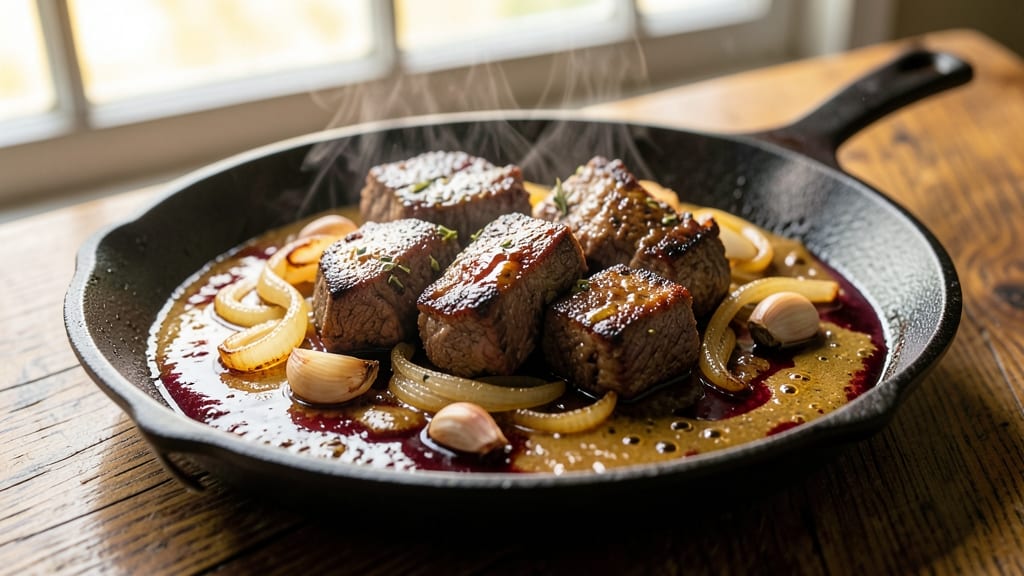
This beef and mustard recipe delivers restaurant-quality depth with just one pot and 30 minutes of hands-on time. The secret lies in balancing rich beef with tangy Dijon mustard, creating a sauce that's both umami-packed and bright.
I've perfected this technique over years of braising, ensuring tender meat and a velvety sauce that clings to every bite.
The process starts with searing beef cuts to develop deep flavor, then simmering them in a mustard-infused broth until fork-tender. This method transforms tougher cuts like chuck roast into melt-in-your-mouth perfection while building layers of complexity through caramelization.
The mustard isn't just an afterthought—it's the star that ties everything together with its signature tang.
By the time you serve this dish, you'll have a rich, aromatic stew with beef that falls apart at the touch of a fork. The sauce coats every piece, delivering that perfect balance of savory, tangy, and slightly sweet notes.
This is comfort food at its finest—warm, satisfying, and full of restaurant-quality depth without requiring special skills.
Serve with crusty bread to soak up every last drop of that velvety mustard sauce, or pair it with roasted root vegetables for a complete meal.
The leftovers reheat beautifully, making this an ideal recipe for meal prep. Let's get started on creating this hearty, flavorful dish that's sure to impress.
Ingredients for beef and mustard
Rich beef meets tangy mustard in this one-pot masterpiece—just 14 ingredients for restaurant-quality depth.
| Ingredient | Amount | Notes |
|---|---|---|
| Chuck Roast 🥩 | 2 lb | Cut into 1.5-inch cubes |
| Dijon Mustard 🍯 | ½ cup | High-quality, tangy variety |
| Beef Broth 💧 | 2 cups | Low-sodium preferred |
| Red Wine 🍷 | ½ cup | Bold, dry variety like Cabernet |
| Onions 🧅 | 1 whole | Yellow, chopped |
| Garlic Cloves 🧄 | 4 cloves | Minced, fresh preferred |
| Tomato Paste 🍅 | 2 tbsp | Smooth consistency |
| Thyme 🌿 | 1 tbsp | Fresh, chopped |
| Bay Leaves 🍃 | 2 whole | Dried, standard size |
| Olive Oil 🫒 | 2 tbsp | Extra-virgin for richness |
| Salt 🧂 | 1 ½ tsp | Kosher or sea salt |
| Black Pepper 🌶️ | 1 tsp | Freshly ground |
| Balsamic Vinegar 🍶 | 1 tbsp | For depth of flavor |
| Honey 🍯 | 1 tbsp | Light, for subtle sweetness |
The chuck roast is non-negotiable here—its fat marbling ensures tender, flavorful meat. Costco or local butchers often carry it pre-cut, saving you time. Look for cuts with visible marbling, not lean slices. For the mustard, Amoy or Maille brands deliver that signature tang, but any high-quality Dijon works. Fresh thyme and bay leaves elevate the aroma, so don't skip them. The red wine adds depth, but beef broth with balsamic works in a pinch if you're avoiding alcohol.
No red wine? Substitute with beef broth and a splash of balsamic vinegar—it mimics the acidity beautifully. Fresh thyme can be swapped for dried at one-third the amount, but the flavor won't be identical. The tomato paste is key for richness, but crushed tomatoes in a pinch add moisture. For extra sweetness, maple syrup replaces honey in a 1:1 ratio. The onions and garlic are foundational—don't use powdered forms. If you're short on time, pre-chopped frozen onions work, but fresh is always better.
This stew tastes even better the next day as flavors meld. Store leftovers in an airtight container for up to 5 days in the fridge or 3 months frozen. For meal prep, double the batch—it reheats beautifully. The sauce thickens upon cooling, so a splash of broth when reheating keeps it velvety. Serve with crusty bread to soak up every last drop of that tangy, umami-packed sauce.
Why You'll Love This Recipe
- Tangy, Deep, Unforgettable: That first bite? The mustard’s sharp kick balanced by the rich, slow-cooked beef and the wine’s subtle fruitiness—it’s like a hug for your taste buds. Honestly, the onions caramelize just enough to add this sweet, jammy depth that makes it feel fancy without trying.
- Leftovers That Don’t Suck: This recipe actually improves the next day. The flavors meld even more, and the beef gets even more fork-tender. I meal prep it for lunches all week, and my kids beg for it—yes, even the ones who usually turn up their noses at "mom’s weird food."
- Budget Meal for Big Gatherings: A 3-pound chuck roast feeds six for under $20, and the mustard and wine make it taste like you slaved over it. Between us, this is my go-to for game days or when my book club overstays its welcome—everyone leaves happy, and my wallet stays intact.
Step-by-step instructions for beef and mustard braised chuck roast
This method delivers melt-in-your-mouth beef with a rich, tangy mustard sauce that clings perfectly to every bite.
Sear the Chuck Roast for Maximum Flavor
Heat a large Dutch oven over medium-high heat until hot. Add the 2 tablespoons olive oil and swirl to coat the bottom evenly. Working in batches if needed, add the 2 lb chuck roast cut into 1.5-inch cubes and sear undisturbed for 3-4 minutes until deeply browned on all sides.
This initial searing creates the Maillard reaction that builds deep umami flavor in the sauce. Don't rush this step—crowding the pan will steam the meat instead of browning it. I like to work in batches to ensure each piece gets proper color and develops that caramelized crust.
Build the Aromatic Base
Remove the seared beef and set aside. In the same Dutch oven, add the 1 whole chopped onions and cook for 5-6 minutes until softened and beginning to caramelize. Add the 4 minced garlic cloves and cook for another 30 seconds until fragrant.
Here's where the flavor foundation happens. The onions should be golden around the edges by the time you add the garlic. If they're still pale, cook them another minute. Stir in the 2 tablespoons tomato paste and cook for 1 minute to remove any raw taste, creating a smooth base for the sauce.
Deglaze and Combine All Ingredients
Pour in the 0.5 cup red wine and scrape up all the browned bits from the bottom of the pot with a wooden spoon. This deglazing captures all that concentrated flavor. Let it simmer for 2-3 minutes until reduced by half.
Return the beef to the pot. Add the 0.5 cup Dijon mustard, 2 cups beef broth, 1.5 teaspoons salt, 1 teaspoon black pepper, 1 tablespoon thyme, 2 bay leaves, 1 tablespoon balsamic vinegar, and 1 tablespoon honey. Stir gently to combine, making sure the mustard is fully incorporated into the liquid.
Braise Until Fork-Tender
Bring the mixture to a gentle simmer, then reduce heat to low and cover. Let it cook for 2.5-3 hours until the beef is fork-tender and easily pulls apart with minimal resistance. The sauce should have thickened noticeably and coat the back of a spoon.
This long, slow cooking transforms the tough chuck roast into melt-in-your-mouth beef. I check for doneness by inserting a fork—it should slide in easily with just slight resistance. The meat should have a beautiful mahogany color and the sauce should be rich and glossy.
Adjust Consistency and Serve
If the sauce is too thick, add 2-3 tablespoons water at a time until it reaches your desired consistency. Remove and discard the bay leaves before serving. Taste and adjust seasoning if needed—you may need a pinch more salt to balance the tangy mustard.
Serve immediately over mashed potatoes, crusty bread, or egg noodles. The beef should pull apart easily, releasing that deeply flavorful mustard sauce with every bite. For best results, let it rest for 5 minutes before serving to allow the juices to redistribute throughout the meat.
Pro Tips For Making Beef And Mustard
- SEAR THE ROAST FIRST: After browning the chuck roast in batches—yes, it’s messy but worth it—walk away for 5 minutes before adding liquid. That pause lets the crust set properly, so it doesn’t dissolve into the mustard-wine sauce later. I used to rush this and ended up with a grayish, watery mess.
- WHISK THE MUSTARD: Skip the spoonful of Dijon straight from the jar—whisk it with a splash of warm beef broth first. This thins it out just enough to cling to the meat instead of clumping, and it blends smoother into the sauce. (I learned this the hard way when my first batch looked like mustard glop.)
- SIMMER LOW AND SLOW: After deglazing the pan, turn the heat down to a bare simmer—like a whisper, not a shout—and let that mustard-wine mixture bubble gently for 15 minutes before adding the roast. High heat turns the sauce bitter, and you’ll be left scraping burnt bits off the bottom. Trust me, it’s not worth the drama.
- SAUTE ONIONS LAST: Hold off on adding the onions until the roast is nearly done—about 30 minutes in. They’ll soak up the rich sauce at the end and get tender without turning into mush. I used to toss them in early, and they’d always end up sad and watery. Now they’re the star of the dish.
Flavor customization for beef and mustard
Sweet-Tangy Balance
Adjust the mustard-to-sweet ratio to suit your taste. For extra tang, add 1 extra tablespoon Dijon mustard and reduce honey to ½ tablespoon. If you prefer sweetness, swap the honey for 1 tablespoon maple syrup and add ½ teaspoon cinnamon for warmth.
I find Amoy mustard has a sharper bite than Maille, so I often reduce the honey slightly when using it. 🍯
Spicy Kick Options
Add heat with ½ teaspoon smoked paprika or ¼ teaspoon cayenne pepper for subtle warmth. For a bold kick, stir in 1 tablespoon hot honey (mix ¼ cup honey with 1 tsp chili flakes, heated until dissolved).
I love this in winter when I crave something fiery but still comforting. The mustard's tang cuts through the heat beautifully. 🌶️
Herb Variations
Swap thyme for 1 tablespoon rosemary for an earthy twist or add 1 teaspoon dried oregano for Mediterranean flair. Fresh herbs like parsley or tarragon brighten the dish at the end—just stir in 2 tablespoons chopped fresh herb during the last 10 minutes of cooking.
The mustard's tang pairs especially well with tarragon's anise notes. 🌿
Umami Boosters
Deepens the savory profile by adding 1 teaspoon Worcestershire sauce or ½ teaspoon fish sauce (for authenticity). For extra richness, stir in 1 tablespoon soy sauce with the mustard.
I often use 1 teaspoon miso paste for a Japanese-inspired twist—it melts beautifully into the sauce. These additions amplify the mustard's tang while adding complexity. 💫
Vegetable Add-Ins
Stir in 1 cup diced carrots or ½ cup mushrooms with the onions for heartier texture. For a French bistro touch, add ½ cup pearl onions (peeled and halved) during the last 30 minutes of cooking.
The mustard sauce clings perfectly to these vegetables, creating a cohesive bite. Root vegetables like parsnips or celery root work beautifully too. 🥕
Cheese Finishing
Stir in ¼ cup crumbled blue cheese or ½ cup shredded Gruyère during the last 15 minutes of cooking for a luxurious finish. The mustard's acidity cuts through the cheese's creaminess, creating a perfect balance.
For a lighter option, top with 2 tablespoons crème fraîche before serving. This works especially well with the sweet-tangy variations. 🧀
Nutrition facts
Frequently asked questions
Can I use a different cut of beef instead of chuck roast?
For a quicker cook, try stew beef or short ribs (braise for 2 hours). For leaner options, use sirloin tips (they'll need 30 extra minutes of cooking). Avoid tender cuts like filet mignon—they'll turn mushy. The key is choosing a cut with some fat for flavor and tenderness.
What's the best way to thicken the mustard sauce?
If your sauce is too thin, simmer uncovered for 10-15 minutes to reduce it naturally. For instant thickening, mix 1 tablespoon cornstarch with 2 tablespoons cold water and stir it into the sauce at the end. Cook for 2 more minutes until it reaches your desired consistency. Avoid over-thickening—you want a velvety, clingy sauce, not glue!
How can I make this recipe faster?
Use a pressure cooker instead of a Dutch oven—reduce the braising time to just 45 minutes! For stovetop, sear the beef as directed but use high heat and reduce the simmering time to 2 hours (check for doneness at 1 hour 45 minutes). The mustard will still develop flavor, though the depth may be slightly less intense.
What if I don't have red wine?
No problem! Replace the wine with ½ cup beef broth plus 1 tablespoon balsamic vinegar for acidity. For extra richness, add 1 teaspoon soy sauce or ½ teaspoon miso paste. The dish will still be delicious—just slightly less complex. The mustard's tang will still shine through beautifully.
Can I make this recipe in a slow cooker?
Yes! Sear the beef first, then transfer everything to a 6-quart slow cooker. Cook on low for 7-8 hours or high for 4-5 hours. The long cooking time makes the beef incredibly tender. The sauce may be thinner, so reduce it on the stovetop before serving if needed. The mustard flavor actually deepens in slow cooking!