
Soups & Stews
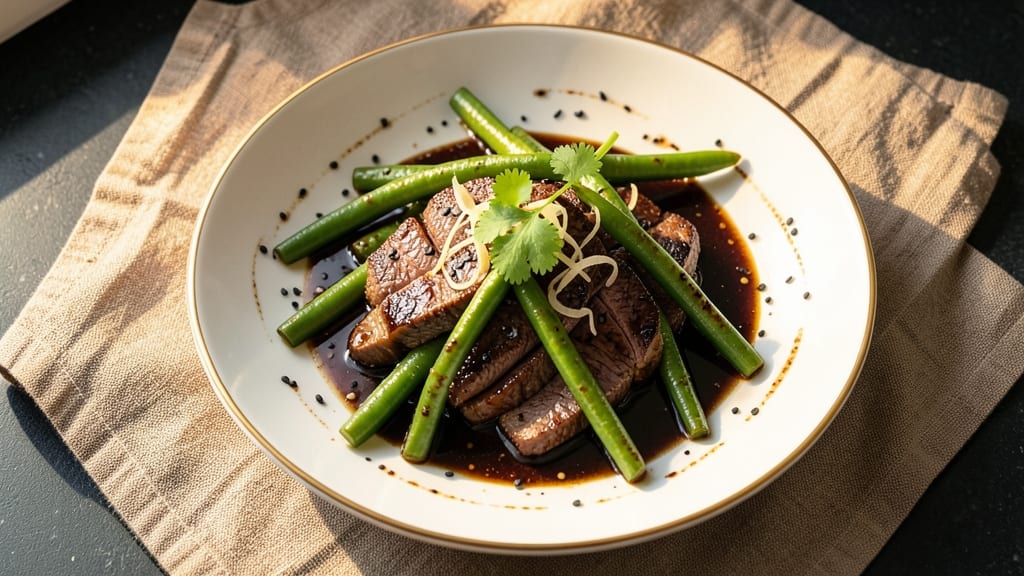
This beef and long beans recipe transforms tough cuts into melt-in-your-mouth tenderness while preserving the crisp, vibrant snap of fresh long beans. The secret lies in high-heat stir-frying—searing beef until deeply caramelized before adding the beans just long enough to blanch their edges.
Every bite delivers that perfect contrast: tender beef with a satisfying crunch from the beans, all balanced by a savory-sweet sauce that clings perfectly.
What sets this dish apart is the technique: beef is marinated in a blend of soy, oyster sauce, and aromatics, then quickly seared in batches to ensure even cooking.
The long beans—chosen for their slender, crisp texture—get just enough time in the wok to soften slightly while maintaining their signature snap. This isn’t just another stir-fry; it’s a restaurant-quality dish that comes together in under 30 minutes with minimal prep.
The result is a plate that looks as impressive as it tastes: golden-brown beef slices glistening with sauce, surrounded by bright green long beans that hold their shape. The sauce, reduced to a sticky glaze, ties everything together with umami depth and just the right amount of sweetness.
Serve over steamed jasmine rice to soak up every last drop of that flavorful sauce—this is comfort food elevated to a whole new level.
For those watching their gluten intake, simply swap the soy sauce for a tamari alternative without sacrificing flavor. The technique remains the same, proving this dish can be both authentic and adaptable. Let’s get cooking—your taste buds will thank you.
Ingredients for beef and long beans
Restaurant-quality stir-fry starts with these carefully chosen ingredients for perfect texture and flavor balance.
| Ingredient | Amount | Notes |
|---|---|---|
| Flank Steak 🥩 | 1 ½ lb | Thinly sliced against grain for tenderness |
| Long Beans 🌱 | 1 ½ lb | Trimmed, cut into 3-inch lengths |
| Dark Soy Sauce 🍶 | 3 tbsp | For deep umami color and flavor |
| Light Soy Sauce 🍶 | 2 tbsp | Balances saltiness with brightness |
| Oyster Sauce 🍶 | 2 tbsp | Premium quality for authentic depth |
| Sesame Oil 🫒 | 1 tbsp | Toasted for nutty aroma (plus 1 tsp for finishing) |
| Garlic Cloves 🧄 | 6 cloves | Minced, for aromatic foundation |
| Fresh Ginger 🌿 | 1 tbsp | Grated, for zesty brightness |
| Honey 🍯 | 1 tbsp | For subtle sweetness balance |
| Cornstarch 🌾 | 1 tbsp | For velveting beef texture |
| Neutral Oil 🫒 | 2 tbsp | High smoke point like avocado or peanut |
| Green Onions 🧅 | 4 whole | Sliced, for fresh garnish |
| Toasted Sesame Seeds 🌰 | 1 tsp | For crunchy texture contrast |
| White Peppercorns 🌶️ | ½ tsp | Freshly cracked for subtle heat |
The flank steak is non-negotiable—its lean yet tender texture transforms with proper slicing and marinating. Look for cuts with good marbling at Whole Foods or your local butcher shop, where they can slice it against the grain for you. Kirkland Signature brand at Costco is consistently reliable for this dish. The long beans should be vibrant green, not wilted—Asian markets often carry fresher selections than regular grocery stores. Trim the ends and cut into uniform lengths for even cooking, as this preserves their signature crunch. For the soy sauces, Lee Kum Kee dark and light sauces are industry standards, though any high-quality brands will work.
No dark soy sauce? Substitute 1 tbsp molasses plus 2 tbsp light soy sauce for color, though the flavor won't be identical. The sesame oil is crucial—toast it first in a dry pan until fragrant to avoid overpowering the dish with raw aroma. For the cornstarch velveting technique, make sure to mix it with the beef and marinate for at least 20 minutes before cooking. The honey can be swapped for maple syrup in a 1:1 ratio if preferred. Fresh ginger is ideal, but powdered works at half the amount. If using pre-sliced ginger, pat it thoroughly dry to prevent excess moisture in the stir-fry. The green onions add freshness—freeze any extras in an ice cube tray for future use.
This dish tastes even better the next day as flavors meld. Store in an airtight container in the fridge for up to 3 days—reheat gently in a wok or skillet with a splash of water to restore moisture. For longer storage, freeze portions for up to 3 months. The sesame seeds and green onions can be added fresh after reheating to maintain their vibrant appearance. To prep ahead, marinate the beef and chop all vegetables the night before, keeping them separate until ready to cook. This recipe scales beautifully—double the ingredients for 6 servings while maintaining the same wok technique for perfect results.
Why You'll Love This Recipe
- One-Pan Magic: I swear by this recipe because it’s actually one-pan—no chopping boards, no extra dishes. Just sear the flank steak, toss in the long beans, and let the dark soy sauce caramelize. Honestly, the cleanup is so minimal I’ll take it over any other beef stir-fry.
- Umami Bomb: That combo of oyster sauce and dark soy sauce? It’s where this dish gets its soul. The steak stays tender while the beans soak up that rich, salty-sweet glaze—like a little flavor explosion in every bite. (Yes, even on a Tuesday night.)
- Leftover Hero: This recipe makes way more than I need for one meal, and the leftovers? Just as good cold the next day. I pack it for lunches or reheat it with a quick stir—no sad, dry beef here, just juicy, saucy perfection.
- Budget Stretch: Flank steak is affordable, long beans are cheap, and a little goes a long way with soy sauces. Between us, this feeds four for under $15 and still feels like a restaurant-worthy dish. My wallet and taste buds thank me.
Step-by-step instructions for stir-fried tender beef with crunchy green bites
Master this technique for perfectly tender beef and vibrant long beans every time.
Prepare the Beef for Maximum Tenderness
Slice the 1.5 lb flank steak thinly against the grain into ¼-inch thick strips. This is critical for tenderness—thin slices cook faster and remain juicy. Place the sliced beef in a bowl and add the 1 tbsp cornstarch, 2 tbsp light soy sauce, and 0.5 tsp white peppercorns. Toss gently to coat evenly, ensuring each piece gets an even dusting of cornstarch for velveting.
Let the beef marinate for 15-20 minutes at room temperature. This resting period allows the cornstarch to begin breaking down the muscle fibers, creating that signature silky texture. Don't skip this step—it's what transforms tough flank steak into melt-in-your-mouth bites. While it marinates, trim the 1.5 lb long beans and cut them into 3-inch lengths, removing any tough ends.
Create the Flavor Base and Velvet the Beef
Heat a wok or large skillet over high heat until smoking, then add the 2 tbsp neutral oil. Once the oil shimmers, add the marinated beef in a single layer. Let it sear undisturbed for 1-2 minutes until the edges turn light golden brown. This initial sear locks in juices and creates that beautiful caramelized crust.
Stir the beef vigorously for 1 minute until it turns opaque white—this is the velveting process. Remove the beef and set aside. In the same pan, add the 6 cloves minced garlic and 1 tbsp grated fresh ginger, cooking for 30 seconds until fragrant. Pour in the 3 tbsp dark soy sauce and 2 tbsp oyster sauce, scraping up any browned bits from the bottom of the pan. This deglazing captures all the beefy flavor you've built.
Stir-Fry the Long Beans to Perfect Crunch
Return the beef to the pan and add the trimmed long beans. Stir-fry for 2-3 minutes until the beans turn bright green and develop a slight blister on their surface. The beans should remain crisp-tender with a satisfying crunch—overcooking will turn them mushy. Here's the thing—long beans cook faster than you think, so keep a close eye on them.
Add the 1 tbsp honey and 1 tbsp sesame oil to the pan, tossing everything together for 1 minute. The honey will caramelize slightly, adding a subtle sweetness that balances the savory soy and umami oyster sauce. Taste the sauce and adjust seasoning if needed—you might need an extra splash of light soy sauce for brightness or a pinch of salt to round out the flavors.
Finish with Aromatics and Garnish
Remove the stir-fry from heat and let it cool for 1 minute. This brief resting period allows the flavors to meld without overcooking the ingredients. Stir in the 4 sliced green onions and 1 tsp toasted sesame seeds, reserving some seeds for garnish. The green onions add a fresh contrast to the rich, savory beef, while the sesame seeds provide a nutty crunch that ties everything together.
For the final touch, drizzle with the remaining 1 tsp sesame oil and garnish with the reserved sesame seeds. Serve immediately over steamed rice to soak up all that delicious sauce. The beef should be tender yet still holding its shape, the long beans crisp-tender with vibrant color, and the sauce glossy with balanced sweet, salty, and umami flavors. Each bite should deliver perfect texture contrast and depth of flavor.
Pro Tips For Making Beef And Long Beans
- Slice Against the Grain: Flank steak’s tough fibers run parallel to the cut—slicing perpendicular to them (about ¼-inch thick) makes every bite tender. I used to ignore this and ended up with chewy mouthfuls that needed more chewing than eating.
- Blanch Beans First: Toss long beans in boiling water for 30 seconds, then ice bath them—this stops cooking and keeps them crisp. Skipping this step means rubbery beans that soak up sauce like a sponge instead of holding their shape.
- Deglaze with Dark Soy: After searing the beef, splash in dark soy sauce first—it’s thicker and clings to the pan better than light soy. Let it bubble for 30 seconds to caramelize slightly before adding liquids; this builds deeper flavor faster than just dumping everything at once.
- Rest Beef Before Slicing: Give the flank steak a solid 5-10 minutes under foil after cooking—it redistributes juices so they don’t pool on your plate. I learned this the hard way when my first slice ran clear instead of dark red. (Yes, even if you’re impatient like me.)
Storing and reheating this beef and long beans
Refrigerator Storage
Store your beef and long beans stir-fry in an airtight container within 2 hours of cooking to preserve freshness. The dish keeps well in the fridge for 3-4 days—the flavors actually deepen as the soy and oyster sauces meld.
I like using glass containers with snap-on lids from Weck to maintain moisture and prevent odors. When reheating, add 1-2 tablespoons of water to restore the sauce's glossy texture. 💡
Freezer Preparation
For longer storage, freeze portions in single-serving portions using silicone molds or heavy-duty freezer bags. The dish maintains quality for up to 3 months—just leave 1 inch of headspace to prevent freezer burn.
Thaw overnight in the fridge before reheating. I've found that long beans hold their texture better when frozen separately from the beef and added back fresh after reheating. 🥶
Reheating Methods
For best results, reheat in a wok or cast iron skillet over medium-high heat with 1 tablespoon of oil to prevent sticking. Add 2-3 tablespoons of water and cover for 3-4 minutes until heated through. Avoid microwaving—it turns the long beans soggy and dulls the beef's texture.
If using the microwave, cook on 50% power for 1-2 minutes, then finish in a skillet for 1 minute to restore crispness. ✨
Reviving Texture
The secret to restaurant-quality reheated stir-fry is fresh garnishes. Add green onions and toasted sesame seeds right before serving to restore brightness. For extra crunch, quickly stir-fry 1-2 tablespoons of fresh long beans (if available) in the pan for 30 seconds before combining with the main dish.
This simple trick makes reheated stir-fry taste almost as good as fresh! 🌱
Meal Prep Tips
Prepare components ahead to streamline cooking: marinate the beef and chop the long beans the night before, storing them separately in airtight containers. Cook only what you'll eat immediately, then refrigerate leftovers for up to 2 days.
For busy weeks, freeze cooked portions in quart-sized bags—they reheat beautifully for quick weeknight meals. The key is even reheating to maintain that perfect beef-to-bean ratio. 📅
Portion Control
Divide the stir-fry into individual portions before storing to prevent overcooking during reheating. Each serving should include equal parts beef and beans for balanced texture. I like using glass meal prep containers with compartmentalized sections to keep ingredients separate until reheating.
This method ensures every bite delivers that satisfying contrast of tender beef and crisp long beans. 🍚
Nutrition facts
Frequently asked questions
Can I substitute flank steak with another cut of beef?
For this stir-fry, use skirt steak or sirloin—both work beautifully when sliced thinly against the grain. Avoid tougher cuts like chuck roast, as they won't tenderize properly in the short cooking time. If using ribeye, trim excess fat first to prevent splattering during searing.
How do I prevent the long beans from turning mushy?
Long beans cook faster than you think! Stir-fry them for just 2-3 minutes over high heat until bright green with slight blisters. Overcrowding the pan lowers the temperature—cook in batches if needed. For extra crunch, add them to the pan after the beef has seared but before adding the sauce.
What's the best way to make this gluten-free?
Replace soy sauces with tamari (gluten-free soy sauce) and use coconut aminos for extra umami. Check your oyster sauce—some brands contain wheat. For the cornstarch velveting, substitute arrowroot powder or tapioca starch in equal amounts. The dish will still achieve that signature tender texture!
Can I make this dish in a regular skillet instead of a wok?
Yes! Use a 12-inch cast iron skillet or heavy-bottomed pan. The key is maintaining high heat—preheat the pan until smoking before adding oil. Cook in two batches if needed to avoid overcrowding. A skillet works perfectly, though the slightly wider surface area gives you more control over the beef's sear.
Why does my beef turn rubbery instead of tender?
This usually happens from overcooking or improper slicing. Always slice against the grain and cook beef in one batch for 1-2 minutes max after searing. The cornstarch velveting step is crucial—don't skip marinating the beef for at least 15 minutes. If using frozen beef, thaw completely first to ensure even cooking.