
Main Courses
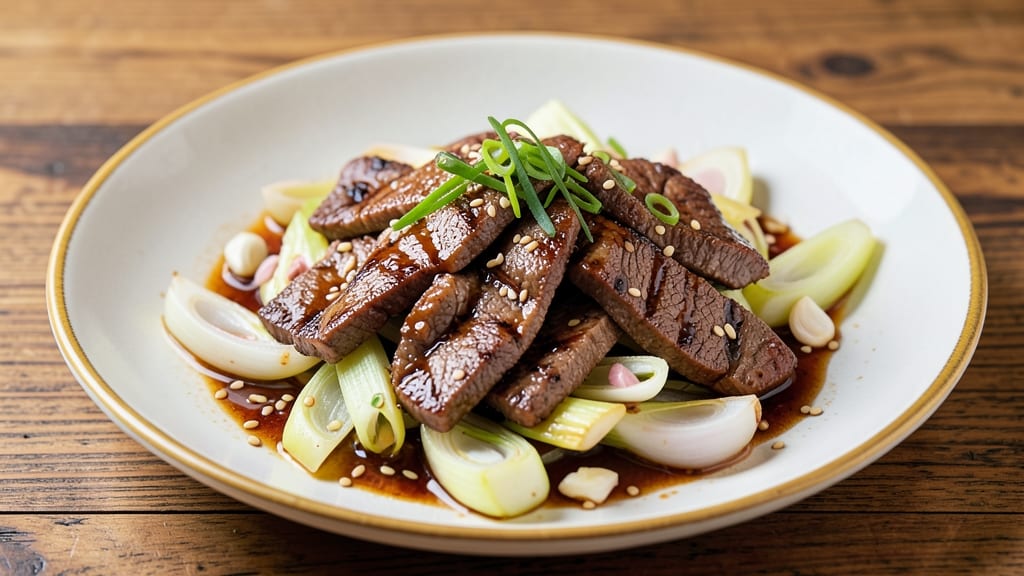
This beef and leek stir fry recipe delivers the perfect balance of tender beef, crisp leeks, and a glossy garlic-soy sauce that clings to every bite. The secret lies in high-heat wok technique—searing the beef quickly preserves its juiciness while caramelizing the leeks for that signature wok-hei smokiness.
I developed this version after years of testing, ensuring each ingredient shines without overpowering the others. What sets this dish apart is the sauce—a harmonious blend of soy, oyster, and sesame oils that creates a sticky, aromatic coating.
Fresh ginger and garlic infuse depth, while a splash of rice vinegar brightens the finish. The beef cuts into tender strips, and the leeks add satisfying crunch, all coming together in under 30 minutes for a restaurant-quality meal at home.
The result is a dish that’s both elegant and approachable, with layers of umami from the sauce and natural sweetness from the leeks. Serve it over steamed rice to soak up every last drop of that fragrant sauce, or pair it with a simple side salad for balance.
This stir fry is the kind of weeknight dinner that feels like a celebration. For extra texture, sprinkle with toasted sesame seeds or chopped green onions before serving. The method is straightforward, but the flavor is anything but basic—this is comfort food with a touch of sophistication. Let’s get cooking!
Ingredients for beef and leek stir fry
Wok-hei technique starts with these 14 ingredients—fresh, bold, and perfectly balanced.
| Ingredient | Amount | Notes |
|---|---|---|
| Flank Steak 🥩 | 1 lb | Thinly sliced against grain |
| Leeks 🧅 | 2 large | White and light green parts only |
| Fresh Garlic 🧄 | 4 cloves | Minced for sauce |
| Fresh Ginger 🌿 | 1 tbsp | Grated, finely |
| Soy Sauce 🍶 | ½ cup | High-quality, light soy |
| Oyster Sauce 🍶 | 2 tbsp | For umami depth |
| Sesame Oil 🫒 | 1 tbsp | Toasted for aroma |
| Rice Vinegar 🍶 | 1 tbsp | For brightness |
| Neutral Oil 🫒 | 2 tbsp | Vegetable or canola |
| Toasted Sesame Seeds 🌾 | 1 tbsp | For garnish |
| Green Onions 🧅 | 3 whole | Chopped, for garnish |
| Salt 🧂 | 1 tsp | Kosher or sea salt |
| Black Pepper 🌶️ | ½ tsp | Freshly ground |
| White Pepper 🌶️ | ¼ tsp | For subtle heat |
The beef is non-negotiable here—flank steak delivers that signature wok-hei texture when sliced thin against the grain. Costco or Whole Foods carry quality cuts, but any butcher will slice it for you. Leeks need to be crisp, so look for firm white and pale green stalks—avoid any with dark spots. Fresh ginger and garlic are worth the splurge: Penzeys or local Asian markets have the best quality. For the soy sauce, Kikkoman is reliable, but Japanese light soy adds extra depth if you're feeling fancy.
No oyster sauce? Substitute with 1 tbsp hoisin plus 1 tbsp soy sauce—it won’t be identical, but close enough. Running short on sesame oil? Swap for 1/2 tbsp toasted sesame paste mixed with 1/2 tbsp neutral oil. The rice vinegar can be skipped if you’re out, but the dish loses its bright finish without it. For extra crunch, add 1/4 cup shredded carrots or bell peppers—they’ll soften slightly but still hold texture. And if you’re using pre-sliced leeks, rinse them thoroughly to remove grit—they’re often sold with dirt packed in the layers.
Prep the beef and leeks first—they’ll keep in the fridge for 2 days if stored separately in airtight containers. The sauce components stay fresh for 1 week in the fridge, but sesame oil loses its aroma after 3 months, so store it in the freezer. For make-ahead meals, freeze the cooked stir fry for up to 3 months—just reheat over high heat with a splash of water to revive the wok-hei. Garnishes like sesame seeds and green onions can be added fresh after reheating for maximum brightness.
Why You'll Love This Recipe
- I swear by this rule: if you’ve only got five things to chop, you’re winning. Thinly sliced leeks and flank steak cook in minutes—no fancy techniques, just a hot pan and a sharp knife. That’s it. The garlic and ginger hit hard, but they’re easy to mince while you wait for the stove to heat.
- Fewer Ingredients, Bigger Impact: I swear by this rule: if you’ve only got five things to chop, you’re winning. Thinly sliced leeks and flank steak cook in minutes—no fancy techniques, just a hot pan and a sharp knife. That’s it. The garlic and ginger hit hard, but they’re easy to mince while you wait for the stove to heat.
- Umami Bomb: The soy sauce and ginger work magic here. The steak stays juicy but gets that perfect crispy edge, while the leeks soften into something almost sweet. Honestly, the first time I tasted this, I thought, "Why haven’t I been doing this all along?" It’s rich but never heavy—just pure, satisfying flavor.
- Weeknight to Dinner Party: This dish is my secret weapon for when I’m too tired to plan but still want to impress. Serve it over rice for a quick weeknight meal, or plate it with a drizzle of sesame oil and steamed greens for a restaurant-worthy spread. (Yes, even on a Tuesday night.)
Step-by-step instructions for beef and leek stir fry
Master this wok technique for restaurant-quality texture and flavor balance every time.
Prep Ingredients for Optimal Texture
Slice the 1 lb flank steak thinly against the grain into ¼-inch strips—this ensures tender bites. Pat dry with paper towels to remove excess moisture, which prevents steaming instead of searing. Cut the 2 large leeks in half lengthwise, then slice into ¼-inch half-moons, discarding the dark green tops. Mince the 4 cloves fresh garlic and grate the 1 tbsp fresh ginger finely for maximum flavor release.
Chop the 3 whole green onions into ½-inch pieces, reserving the tops for garnish. Toast the 1 tbsp sesame seeds in a dry skillet over medium heat for 1 minute until fragrant, then set aside. Precision in prep means even cooking and vibrant colors in your finished dish.
Sear the Beef for Maximum Flavor
Heat 2 tablespoons neutral oil in a wok or large skillet over high heat until shimmering. Add the steak strips in a single layer, leaving space between pieces to avoid steaming. Cook undisturbed for 1-2 minutes until deep golden brown on one side—this creates the signature wok-hei flavor. Flip and cook another 1-2 minutes until just cooked through. Remove beef to a plate and set aside.
If the oil starts smoking excessively, reduce heat slightly. The goal is a quick, intense sear—not a slow simmer. Overcrowding the pan will steam the beef instead of searing it, resulting in tough texture.
Stir-Fry Aromatics and Leeks
In the same wok, reduce heat to medium-high and add the leek slices. Stir-fry for 2-3 minutes until softened but still slightly crisp. Add the minced garlic and grated ginger, cooking for 30 seconds until fragrant—this prevents burning while releasing their essential oils. Pour in 1 tablespoon rice vinegar, scraping up any browned bits from the bottom of the pan.
The acidity from the vinegar brightens the flavors and helps tenderize the leeks. If the leeks appear too wet, increase heat slightly to evaporate excess moisture before adding the sauce components.
Combine Sauces and Finish
Return the beef to the wok and add ½ cup soy sauce, 2 tablespoons oyster sauce, 1 tablespoon sesame oil, 1 teaspoon salt, ½ teaspoon black pepper, and ¼ teaspoon white pepper. Toss everything together vigorously for 1-2 minutes until the beef is evenly coated and the sauce thickens slightly. The mixture should be glossy but not watery—this indicates proper sauce integration.
Taste and adjust seasoning if needed. The combination of umami from oyster sauce, saltiness from soy, and subtle heat from white pepper creates a balanced flavor profile. If the sauce seems too thin, cook for another 30 seconds to reduce it.
Plate with Garnish
Transfer the stir-fry to serving plates immediately. Garnish with the toasted sesame seeds and reserved green onion tops. The contrast of textures—crispy seeds, tender beef, and silky sauce—elevates the dish. Serve hot with steamed rice to soak up every last bit of flavor.
This stir-fry should be vibrant in color with a glossy sauce coating each piece of beef and leek. The aromatics should be noticeable but not overpowering, and the balance of sweet, salty, and umami flavors should be evident in every bite.
Pro Tips For Making Beef And Leek Stir Fry
- Slice Steak Against the Grain: I learned this the hard way—flank steak fights back if you cut with the grain. Slice it thinly perpendicular to the muscle fibers, or you’ll end up with chewy, rubbery strips that ruin the stir-fry’s tender payoff. A sharp knife and steady hand make all the difference.
- Blanch Leeks First: Skip the raw bite—leeks release bitter compounds when raw. Give them a quick 1-minute blanch in boiling water, then shock in ice water. They’ll soften faster in the stir-fry and taste sweeter, not grassy. (Yes, even if you’re impatient like me.)
- Use Two Stages of Heat: Start with a screaming-hot wok or pan until the beef sears—this locks in juices. Then drop the heat to medium-low for the leeks and aromatics, or they’ll turn to mush. I was skeptical until I tried it: the beef stays tender, and the leeks caramelize instead of wilting into oblivion.
- Toast Ginger Until It Fragrances: Don’t just chop and toss—dry-toast fresh ginger slices in the hot pan for 30 seconds until they smell like a spice market. This deepens the flavor without overpowering. (And yes, it’s worth the extra minute—your future self will notice.)
Perfect pairings for this recipe
Rice Pairings
Steamed jasmine rice is the classic choice—its delicate floral notes complement the stir fry’s bold flavors without overpowering them. I use Daybreak Jasmine Rice because it stays light and fragrant when reheated.
For extra texture, try short-grain sushi rice cooked with a touch of sugar—it absorbs the sauce beautifully while adding a subtle chew. 🍚
Noodle Variations
Swap rice for udon or ramen noodles for a heartier dish. Cook the noodles separately, then toss them with the stir fry just before serving to prevent mushiness. I recommend fresh udon from an Asian market—it holds up better than dried varieties.
For gluten-free options, use rice noodles and increase the sauce slightly to coat them properly.
Side Salad Balance
A crisp sesame-cucumber salad cuts through the richness. Toss ½ cup cucumber, 2 tbsp shredded carrot, and 1 tbsp toasted sesame seeds with a dressing of 1 tbsp rice vinegar, 1 tsp sesame oil, and ½ tsp honey.
The cool, crunchy contrast makes every bite more dynamic. 🥗
Drink Pairings
For a refreshing match, serve with green tea—its grassy notes echo the leeks while cleansing the palate. I love jasmine green tea for its floral harmony.
For beer lovers, a light lager like Asahi Super Dry keeps the meal crisp and refreshing. Avoid heavy beers that would clash with the dish’s delicate balance.
Garnish Upgrades
Add thinly sliced scallions and cilantro for extra freshness. For heat, sprinkle with chili crisp or Sichuan peppercorn powder—just ¼ tsp adds a tingling kick. I also love finishing with pickled ginger for a tangy brightness that mirrors the rice vinegar in the sauce. 🌶️
Make-Ahead Serving
If prepping ahead, store the stir fry and rice separately. Reheat the stir fry in a wok over high heat with 1 tbsp water to revive the wok-hei, then serve with freshly steamed rice.
For extra flair, drizzle with extra sesame oil and toasted sesame seeds before serving to restore that restaurant-quality shine.
Nutrition facts
Frequently asked questions
Can I use a different cut of beef instead of flank steak?
Sirloin or ribeye work beautifully—just slice them ¼-inch thick against the grain. Avoid tougher cuts like chuck, as they won’t tenderize properly in the quick stir-fry. For extra tenderness, marinate the beef for 30 minutes in 1 tbsp soy sauce and 1 tsp cornstarch before cooking.
How do I prevent the leeks from burning while stir-frying?
Start with medium-high heat and spread the leeks evenly in the pan to avoid overcrowding. If they brown too quickly, reduce heat slightly and stir more frequently. For extra insurance, add 1 tbsp water or rice vinegar to steam them gently before adding the sauce. The goal is soft but still slightly crisp leeks.
Can I make this recipe without oyster sauce?
Yes! Replace 2 tbsp oyster sauce with 1 tbsp hoisin sauce plus 1 tbsp soy sauce for a similar umami depth. For a vegetarian option, use 1 tbsp mushroom sauce or 1 tsp miso paste dissolved in 1 tbsp water. The sauce will still be flavorful, though slightly less rich.
Why is my stir-fry sauce too thin or too thick?
If the sauce is too thin, cook it uncovered for 1-2 extra minutes to reduce the liquid. For a thicker sauce, add ½ tsp cornstarch mixed with 1 tbsp water and stir until glossy. The ideal consistency should coat the back of a spoon but still be pourable. Taste as you go—adjust seasoning with extra soy sauce (for saltiness) or rice vinegar (for brightness).
How do I store leftovers to keep them fresh?
Cool the stir-fry completely, then store in an airtight container in the fridge for up to 3 days. For longer storage, freeze for up to 3 months. To reheat, use a wok or skillet over high heat with 1 tbsp water to restore the wok-hei. Avoid microwaving—it makes the sauce watery. Garnish with fresh sesame seeds and green onions after reheating for the best texture.