
Soups & Stews
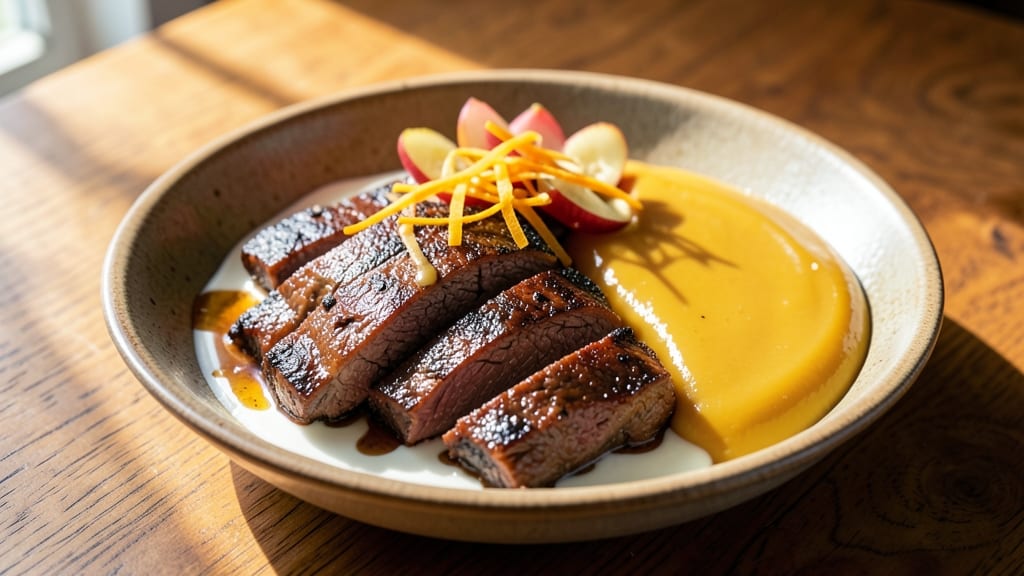
This Singaporean beef and kaya recipe transforms a simple breakfast into a fragrant, hearty experience that captures the essence of morning in the Lion City. 🌅 The secret lies in slow-cooked beef simmered in coconut milk until tender, paired with the sweet, nutty richness of kaya—a coconut jam that melts into every bite.
I developed this recipe after years of perfecting the balance between savory stew and sweet kaya, ensuring each spoonful delivers both comfort and authenticity. The beauty of this dish is its simplicity: tender beef braised in coconut cream until falling apart, served alongside warm kaya spread on buttered toast.
The coconut milk infuses the beef with a delicate sweetness, while the kaya adds a contrasting texture—creamy yet firm—that cuts through the richness. It’s the kind of meal that feels indulgent yet effortless, perfect for lazy weekends or special brunch gatherings.
What makes this recipe truly special is how the flavors come together—warm, aromatic, and deeply satisfying. The beef absorbs the coconut milk’s creaminess, while the kaya’s caramelized notes elevate every bite. Serve it with soft-boiled eggs, crispy kaya toast, or fresh jasmine tea for the full Singaporean breakfast experience.
Ready in about 90 minutes, this dish is faster than you’d expect for such a rich, flavorful meal. The slow cooking ensures tender beef without the fuss, and the kaya can be made ahead or store-bought for convenience. Let’s bring a taste of Singapore to your morning table.
Ingredients for beef and kaya
Tender beef braised in coconut cream meets sweet kaya—a Singaporean breakfast masterpiece with just 15 ingredients.
| Ingredient | Amount | Notes |
|---|---|---|
| Beef Chuck Roast 🥩 | 1 ½ lb | Cut into 1-inch cubes |
| Coconut Cream 🥥 | 1 can | 13.5 oz can, full-fat preferred |
| Coconut Milk 🥥 | 1 can | 13.5 oz can, light variety |
| Kaya 🍯 | ½ cup | Store-bought or homemade |
| Fresh Galangal 🌿 | 1 piece | Peeled and sliced thin |
| Fresh Turmeric 🌿 | 1 piece | Peeled and sliced thin |
| Fresh Lemongrass 🌿 | 2 whole | Bruised and cut into 2-inch pieces |
| Shallots 🧅 | 4 whole | Peeled and sliced thin |
| Garlic Cloves 🧄 | 6 cloves | Peeled and minced |
| Soy Sauce 🥄 | 2 tbsp | Light or dark preferred |
| Fish Sauce 🍶 | 1 tbsp | Red Boat brand recommended |
| Brown Sugar 🍚 | 2 tbsp | Packed lightly |
| Salt 🧂 | 1 tsp | Diamond Crystal kosher salt |
| Black Pepper 🌶️ | ½ tsp | Freshly ground preferred |
| Vegetable Oil 🫒 | 2 tbsp | For searing beef |
The beef is the heart of this dish, so chuck roast is non-negotiable—it stays tender while absorbing flavors. Look for well-marbled cuts at Whole Foods or your local Asian market. If you can't find fresh galangal or turmeric, substitute with ginger at half the amount, though the flavor won't be identical. Lemongrass is essential for that bright, citrusy aroma—Costco sells bundles at a great price. For the coconut cream, Aroy-D brand is my go-to, but any full-fat canned coconut milk works in a pinch. Shallots add depth, so don't skip them—Trader Joe's sells them pre-peeled for convenience.
No fish sauce? Soy sauce plus a pinch of sugar mimics its umami punch, though it won't be identical. Running short on kaya? Substitute with coconut jam or even Nutella for a quick fix, though homemade kaya elevates the dish. Brown sugar caramelizes beautifully—use light brown for subtle molasses notes. The soy sauce should be light or dark, but avoid low-sodium versions here. For the galangal and turmeric, if you can't find fresh, ground spices at one-third the amount will work, but fresh is always better. The lemongrass should be bruised (lightly crushed) to release its oils—wrap it in a towel and pound with a rolling pin for maximum flavor.
This stew reheats beautifully—taste better the next day as flavors meld. Store in an airtight container for 5 days in the fridge or 3 months frozen. For serving, warm the kaya slightly before spreading on toasted bread. The beef cubes will stay tender when reheated gently in a pot with a splash of coconut milk. Make extra kaya—it freezes well for up to 6 months in a sealed container. The lemongrass and galangal can be frozen in a bag for 3 months if you won't use them all at once.
Why You'll Love This Recipe
- One-Pot Magic: I swear by this recipe because it’s literally one pot. Toss in the beef chuck, coconut milk, and galangal—no chopping, no fuss—just simmer until the meat falls apart. The kaya swirl at the end? That’s the cherry on top, and it takes two minutes to stir in.
- Rich, Unexpected Twist: Between us, I wasn’t expecting the kaya to work here, but it does—smooth, caramelized sweetness cutting through the deep, spiced beef. The galangal adds this citrusy kick that makes every bite feel like a little vacation. Honestly, my husband asks for seconds before I even finish serving.
- Weeknight & Weekend Star: This dish is my go-to for lazy Sundays and rushed weeknights. Double the batch, reheat for lunch, or serve it at a potluck—no one will guess it’s this unfussy. The coconut cream keeps it creamy without curdling, so it’s foolproof even when I’m distracted.
- Budget-Buster, Flavor-Packed: Beef chuck roast is cheaper than steak but just as satisfying when braised. The coconut milk and kaya stretch the meal further, and leftovers? Even better the next day. I’ll be real: I’ve had this for breakfast, lunch, and dinner—no shame.
Step-by-step instructions for Singaporean beef and kaya stew
This aromatic Singaporean breakfast stew comes together faster than you'd expect—rich coconut flavors meld with tender beef and sweet kaya.
🔥 Step 1: Sear the Beef for Deep Flavor
Heat the 2 tablespoons vegetable oil in a heavy-bottomed pot over medium-high heat until shimmering. Add the 1.5 lb beef chuck roast cut into 1-inch cubes in batches to avoid crowding. Sear for 2-3 minutes per side until each piece develops a deep golden-brown crust—this builds flavor that will infuse the stew.
As you sear, resist the urge to stir constantly. Let the beef develop a proper crust before gently moving it with tongs. Once all pieces are browned, remove them from the pot and set aside. You'll notice the aroma intensify as the meat releases its natural juices—this is your first signal that the foundation is being built.
👨🍳 Step 2: Build the Aromatic Base
In the same pot, reduce heat to medium and add the 4 whole shallots sliced thin, 6 cloves garlic cloves minced, 1 piece fresh galangal sliced thin, and 1 piece fresh turmeric sliced thin. Cook for 3-4 minutes until the shallots soften and the garlic becomes fragrant—this should happen before any browning occurs.
Here's where the magic happens: Add the 2 whole fresh lemongrass cut into 2-inch pieces and let everything cook together for another 2 minutes. The lemongrass will release its citrusy aroma, while the galangal and turmeric contribute their signature warmth. You'll see the aromatics soften and release their oils—this is crucial for developing the stew's complex flavor profile.
🍳 Step 3: Simmer with Coconut and Seasonings
Pour in the 1 can coconut milk and 1 can coconut cream, scraping up any browned bits from the bottom of the pot. Add the 2 tablespoons soy sauce, 1 tablespoon fish sauce, 2 tablespoons brown sugar, 1 teaspoon salt, and 0.5 teaspoon black pepper. Return the seared beef to the pot and bring everything to a gentle simmer over medium-low heat.
The coconut mixture will froth vigorously at first, but once it settles, reduce heat to maintain a barely perceptible bubble at the surface. Let it simmer uncovered for 45-50 minutes—this slow cooking allows the beef to become fork-tender while absorbing all the coconut richness. You'll notice the stew thicken slightly as it reduces, and the aroma become increasingly inviting.
🥘 Step 4: Finish with Kaya and Rest
After 45 minutes, stir in the 0.5 cup kaya and continue simmering for another 5-7 minutes until the kaya is fully incorporated and the stew reaches a luxurious consistency. The kaya will melt into the coconut base, creating that signature sweet-savory balance that makes this dish so special.
Remove from heat and let the stew rest for 10 minutes before serving. This resting period allows the flavors to fully meld and the beef to reabsorb any cooking juices. The result should be a rich, velvety stew where each bite delivers tender beef, coconut creaminess, and the subtle sweetness of kaya—perfect for a hearty Singaporean breakfast.
Pro Tips For Making Beef And Kaya
- SEAR THE BEEF FIRST: Don’t skip browning that chuck roast—get it deep golden on all sides before slow-cooking. I learned this the hard way: skipping the sear means a bland, gray beef even after hours of simmering. Use a hot pan with a little oil, and don’t rush—let it sit until it releases naturally.
- GRATE GALANGAL FINE: Fresh galangal needs to be grated thinly, almost like zest, or it’ll turn your stew into a fibrous mess. I used to chunk it, and the texture was all wrong—now I run it through a microplane or finely grate it with a knife. Trust me, your mouth will notice the difference.
- CONTROL THE COCONUT HEAT: Coconut cream and milk can curdle if you dump them in too fast. Warm them separately over low heat first, then whisk them into the simmering beef gradually. I’ve seen this happen twice—once with a lumpy, separated sauce that ruined the dish.
- REST THE BEEF AFTER COOKING: Pull the beef out of the pot 10 minutes before slicing, tented with foil. I know, it’s tempting to cut into it right away, but letting it rest keeps the slices from falling apart. This is especially true for chuck roast—give it that time, even if you’re hungry.
Flavor customization for beef and kaya
Sweet-Savory Balance
Adjust the kaya-to-beef ratio to suit your taste—start with ½ cup kaya for every 1.5 lbs beef, but add ¼ cup more if you crave extra sweetness. For a deeper caramelized flavor, lightly toast the kaya in a dry pan for 2-3 minutes before adding it to the stew.
This step intensifies its natural sugars and creates a richer, more complex taste profile that pairs beautifully with the savory beef. 🍯
Spice Level Control
If you prefer less heat, reduce the fish sauce to ½ tablespoon and replace it with an extra ½ tablespoon soy sauce—this maintains umami without the sharpness. For a spicier kick, add ½ teaspoon chili flakes or a pinch of Sichuan peppercorns while simmering.
The coconut cream will mellow out any harshness, creating a balanced heat that lingers just enough to tease your palate.
Coconut Cream Variations
Swap the full-fat coconut cream for light coconut milk> to create a lighter, more refreshing version—just extend the simmering time by 10-15 minutes to achieve the same tenderness.
For a richer texture, replace ¼ cup of the coconut milk> with ¼ cup heavy cream at the end of cooking. This adds a velvety finish that feels luxurious, especially when served with buttery toast and kaya.
Herb and Aromatic Swaps
If galangal is hard to find, use 1 tablespoon grated ginger> and ½ teaspoon ground turmeric>—though fresh galangal’s citrusy bite is irreplaceable. For a brighter flavor, add 1 stalk lemongrass> and 1 kaffir lime leaf> to the simmering stew.
The lime leaf’s floral notes complement the coconut beautifully, while the lemongrass deepens the aromatic complexity. Remove the lime leaf before serving to avoid bitterness.
Texture Adjustments
For a thicker stew, simmer uncovered for an extra 10 minutes to reduce the coconut liquid, or mash 1-2 beef cubes against the pot’s side to thicken the sauce naturally. If you prefer a lighter texture, stir in 2 tablespoons water> during the final 5 minutes> of cooking.
The key is balance—too thick can overwhelm the kaya’s sweetness, while too thin dilutes the beef’s richness.
Breakfast vs. Dinner Adaptations
For a lighter breakfast version, reduce the beef to 1 lb> and add ½ cup diced pineapple> during the last 10 minutes> of cooking. The pineapple’s acidity cuts through the coconut cream, creating a refreshing contrast.
For a heartier dinner, double the beef to 3 lbs>, add 1 cup baby potatoes> (simmered for 30 minutes> before adding beef), and serve with steamed jasmine rice to soak up the rich sauce. ✨
Nutrition facts
Frequently asked questions
Can I make this beef and kaya dish without coconut cream?
You can substitute with 2 cups light coconut milk and simmer the beef for an extra 15-20 minutes to achieve similar tenderness. For a non-coconut version, use 1 cup beef broth plus 1 cup heavy cream—this creates a rich, velvety base that still complements the kaya's sweetness. The texture will be slightly lighter but still delicious.
How do I store leftovers to keep the beef tender?
Store in an airtight container with a thin layer of coconut cream on top to prevent drying. Reheat gently on low heat with a splash of water or coconut milk—never microwave directly. For best texture, reheat only until warmed through (3-5 minutes), then let sit covered for 5 minutes before serving. Leftovers keep for 5 days in the fridge.
What's the best way to serve this with kaya?
Toast thick slices of brioche or sourdough until golden, then spread with warm kaya. Serve the beef stew in a deep bowl alongside the kaya toast for a complete Singaporean breakfast. For extra flair, add soft-boiled eggs and a side of pickled vegetables to balance the richness. The contrast of creamy kaya with warm toast and tender beef is what makes this dish special.
Can I make the kaya from scratch if I don't have store-bought?
Simmer 1 cup grated coconut with ½ cup brown sugar and ¼ cup water in a saucepan over low heat for 45-60 minutes, stirring often, until thick and caramelized. Let it cool completely before using—homemade kaya has a deeper, nuttier flavor that pairs perfectly with the beef. Store in an airtight container for up to 2 weeks at room temperature.
Why did my beef turn out tough instead of tender?
This usually happens from overcooking or not searing the beef properly first. Always sear the beef until deeply browned before simmering, and maintain a gentle simmer (not a boil) throughout. If using thinner cuts, reduce simmering time to 30-40 minutes instead of 45-50 minutes. The coconut cream helps tenderize, so ensure you're using full-fat for best results.