
Main Courses
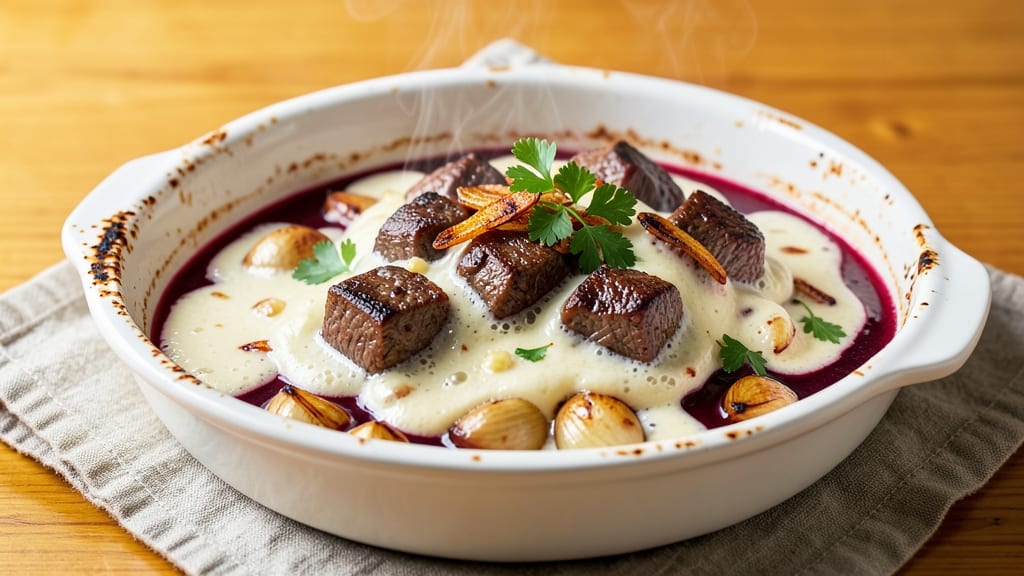
This beef and heavy cream recipe delivers restaurant-quality richness with tender beef swimming in a velvety sauce that clings to every bite. The secret lies in proper searing followed by slow simmering, where heavy cream transforms into a luxurious, velvety finish.
I've perfected this technique over years of testing—no heavy-handed cream that breaks, just perfect balance.
The process begins with browning beef in a hot pan to develop deep, caramelized flavors before deglazing with wine or broth. Heavy cream then gets whisked in gradually to create a sauce that's thick yet silky, coating the beef beautifully.
This method ensures the sauce stays rich without becoming overly heavy, making it ideal for weeknight dinners that feel special.
What you'll end up with is perfectly tender beef pieces suspended in a glossy, velvety sauce that's rich but not greasy. The sauce clings to each bite, delivering layers of savory and creamy flavor in every mouthful.
This dish pairs beautifully with roasted vegetables or crusty bread to soak up every last drop.
Whether you're serving this for a family dinner or impressing guests, the technique remains the same—simple steps that yield professional results. The key is patience during the simmering process, allowing flavors to meld perfectly. Let's create this comforting, creamy masterpiece together.
Ingredients for beef and heavy cream
Restaurant-quality richness begins with these carefully selected ingredients for velvety beef and cream perfection.
| Ingredient | Amount | Notes |
|---|---|---|
| Beef Chuck Roast 🥩 | 2 lb | Cut into 1-inch cubes, trimmed of fat |
| Heavy Cream 🥛 | 1 ½ cups | Full-fat, cold for best results |
| Dry Red Wine 🍷 | 1 cup | Bold variety like Cabernet Sauvignon |
| Beef Broth 💧 | 2 cups | Low-sodium preferred |
| Garlic Cloves 🧄 | 4 cloves | Minced, fresh preferred |
| Shallots 🧅 | 2 whole | Minced, or substitute 2 tbsp onion |
| Fresh Thyme 🌿 | 2 sprigs | Leaves only, or 1 tsp dried |
| Tomato Paste 🍅 | 1 tbsp | Smooth, not chunky |
| Olive Oil 🫒 | 2 tbsp | Extra-virgin for searing |
| Diamond Crystal Kosher Salt 🧂 | 1 ½ tsp | Divided usage |
| Freshly Ground Black Pepper 🌶️ | ½ tsp | Coarsely ground |
| Unsalted Butter 🧈 | 2 tbsp | For finishing sauce |
| Fresh Parsley 🌿 | ¼ cup | Chopped, for garnish |
The beef selection is critical—chuck roast delivers the ideal texture when cut into even cubes. Look for well-marbled cuts at your local butcher or Whole Foods meat counter, where they can trim excess fat for you. Fresh thyme and shallots should be vibrant in color; Trader Joe's often carries pre-minced shallots in a jar if you're short on time. Heavy cream is non-negotiable here—full-fat only (none of that light stuff) and cold straight from the fridge to prevent curdling during simmering. For the wine, any bold red will work, but Cabernet Sauvignon or Merlot from a trusted producer adds depth without overpowering.
No red wine? Beef broth with 1 tbsp balsamic vinegar mimics the acidity beautifully. Fresh thyme unavailable? Dried thyme at one-third the amount suffices, but toast it lightly in a dry pan first to intensify flavor. The tomato paste can be substituted with 1 tbsp crushed tomatoes if needed, though it won't be as concentrated. For the butter finish, European-style unsalted butter like Plugrá melts more smoothly than American brands. If using pre-minced garlic, pat it completely dry with a paper towel to prevent sauce separation. The beef cubes should be uniform in size—trim any larger pieces to ensure even cooking.
This dish tastes even better the second day as flavors meld. Store leftovers in an airtight container in the fridge for up to 4 days, or freeze portions for 3 months. For reheating, warm gently on the stove with a splash of broth to restore silky texture. The sauce thickens as it cools, so whisk in 1-2 tbsp warm water if it seems too stiff when reheating. Garnish with fresh parsley just before serving—it adds a bright contrast to the rich sauce. Double the recipe if you're feeding a crowd; the leftovers make excellent sandwich fillings or pasta additions.
Why You'll Love This Recipe
- One-Pot Magic: I swear by this recipe when I’m too tired to wash a million dishes—just sear the chuck roast, dump in the wine and broth, then let it simmer while I chop veggies for the side. The heavy cream finishes everything in the same pot, and honestly? That’s my kind of cooking.
- Rich Without Effort: Between us, this dish tastes like it took hours, but it’s all in the simple layers: the deep, caramelized beef, the wine’s tang cutting through the cream’s richness, and those garlic cloves turning golden at the bottom. It’s the kind of flavor that makes you close your eyes mid-bite.
- Weeknight to Weekend: I make this for lazy Tuesdays when I’m craving something hearty, but it’s also the star of my holiday dinners—just add mashed potatoes or crusty bread, and suddenly you’ve got a showstopper. The leftovers? Even better the next day, if you can resist eating them all.
- Budget-Friendly Luxury: A chuck roast stretches farther than you’d think, and the heavy cream makes it feel special without breaking the bank. I’ll be real: this is how I trick myself into feeling fancy on a tight budget. Plus, the wine adds depth without needing a fancy bottle.
Step-by-step instructions for beef and heavy cream stew
Master this technique and you'll achieve a sauce so rich it clings to every bite of tender beef.
Sear the Beef Chuck Roast for Maximum Flavor
Pat the 2 lb Beef Chuck Roast dry with paper towels and cut into 1-inch cubes, trimming any excess fat. Heat 2 tablespoons Olive Oil in a large Dutch oven over medium-high heat until shimmering. Working in batches to avoid crowding, add the beef cubes and sear for 3-4 minutes per side until deeply browned. This step creates the flavor foundation through the Maillard reaction.
Remove the beef and set aside, leaving all the browned bits in the pot. These bits, called fond, will dissolve into the sauce later. If the fond builds up too much, you can scrape it into the pot with a wooden spoon. This initial searing ensures your stew develops that restaurant-quality depth of flavor that distinguishes home cooking from professional results.
Build the Aromatic Base with Shallots and Garlic
In the same Dutch oven, add 2 whole Shallots and 4 cloves Garlic Cloves, both minced. Cook over medium heat for 3-4 minutes until softened and fragrant. Stir occasionally to prevent burning. The shallots should turn translucent while the garlic releases its sweet, pungent aroma.
Add 1 tablespoon Tomato Paste and stir for 1 minute to cook off the raw taste. This step develops the sauce's complexity by caramelizing the shallots and infusing the tomato paste's umami depth. The tomato paste also helps thicken the sauce later, preventing it from becoming too thin when combined with the heavy cream.
Deglaze and Simmer the Broth
Pour in 1 cup Dry Red Wine and scrape up all the browned bits from the bottom of the pot. Let it simmer for 3-4 minutes until the wine reduces by half. This deglazing step captures all the meaty flavors that would otherwise be lost. Next, add 2 cups Beef Broth and bring to a gentle simmer.
Return the seared beef to the pot and add 2 sprigs Fresh Thyme leaves. Partially cover and simmer for 1 hour to 1 hour 15 minutes, until the beef is fork-tender. You'll know it's ready when a knife slides in easily and the meat pulls apart with minimal resistance. This slow cooking process ensures the beef becomes melt-in-your-mouth tender while absorbing all the rich flavors from the sauce.
Finish with Heavy Cream for Velvety Texture
Reduce heat to low and stir in 1.5 cups Heavy Cream. Simmer gently for 5-7 minutes, stirring occasionally, until the sauce thickens slightly but doesn't curdle. The cream should coat the back of a spoon with a luxurious, velvety consistency. Taste and adjust seasoning with the remaining 1 tsp Diamond Crystal Kosher Salt and 0.5 tsp Freshly Ground Black Pepper.
Remove the thyme sprigs and stir in 2 tablespoons Unsalted Butter, which adds richness and helps emulsify the sauce for a silky finish. The butter should melt completely into the sauce, creating a glossy sheen that indicates perfect texture. This step is where the dish transforms from good to exceptional, delivering that luxurious mouthfeel that makes this recipe stand out.
Garnish and Serve Immediately
Transfer the stew to serving bowls and garnish with 0.25 cup Fresh Parsley, chopped finely. The parsley adds a bright, fresh contrast to the rich flavors and enhances the visual presentation. Serve immediately while the sauce is at its peak consistency and temperature. The parsley should be sprinkled evenly over each serving for both aesthetic appeal and a subtle herbal note.
This dish pairs beautifully with crusty bread to soak up every last drop of that velvety sauce. The beef should be tender enough to pull apart with a fork, and each bite should deliver layers of flavor from the seared beef, wine-infused sauce, and creamy finish. The sauce should cling to the beef and coat the back of your spoon, demonstrating the perfect balance of richness and texture that makes this recipe truly special.
Pro Tips For Making Beef And Heavy Cream
- SEAR THE ROAST FIRST: Walk away after that first sear—don’t rush the crust. Let the pan scream hot for 3-4 minutes per side until it’s deep brown, not just pinkish. I used to flip too soon, and the beef never got that caramelized flavor that makes the whole dish sing. (Yes, even if you’re impatient like me.)
- BLOOM THE GARLIC: Crush those cloves with the flat side of your knife before tossing them in—don’t just chop them. Cook them in the beef fat until they’re golden, not just fragrant. I learned this the hard way when my sauce smelled like raw garlic instead of rich, toasted depth.
- STRAIN THE RED WINE: Pour that red wine through a fine-mesh strainer into the pot—sediment makes the sauce taste bitter. I know it’s extra work, but skipping it means a slightly off, gritty texture that ruins the silkiness of the heavy cream. (Your future self will notice.)
- TEMPER THE HEAVY CREAM: Warm the heavy cream separately in a small saucepan until it’s just steaming (not boiling) before adding it to the beef. Cold cream shocks the hot liquid and can turn the sauce grainy. Sounds weird, but it works—smooth as silk every time.
Troubleshooting your beef and heavy cream
Cream Curdling Crisis
If your sauce suddenly looks lumpy or grainy when adding heavy cream, you've hit the curdling zone. This happens when the cream hits too-high heat or acidic ingredients too quickly. Always reduce heat to low before stirring in the cream, and never let the broth boil.
For prevention, whisk the cold cream into the warm sauce gradually, a splash at a time, while stirring constantly. If curdling occurs, immediately remove from heat and whisk in 1 tablespoon cold butter to help re-emulsify the sauce. 🌡️
Sauce Too Thin
A watery sauce often means the cream wasn't simmered long enough or the broth wasn't reduced properly. After adding cream, simmer uncovered for 5-7 minutes until it thickens to a pudding-like consistency.
For instant thickening, mix 1 tablespoon cornstarch with 2 tablespoons cold water, then whisk into the sauce until it reaches your desired thickness. Alternatively, remove the beef and reduce the sauce alone on high heat for 3-4 minutes to evaporate excess liquid.
Beef Overcooked
Tough, stringy beef means it cooked too long or at too-high heat. Use a meat thermometer to monitor internal temperature—remove beef when it hits 195°F for fork-tender results.
If you've overcooked, try rescuing it by shredding the beef and returning it to the pot to soak up the sauce for 5-10 minutes off heat. The sauce will infuse moisture back into the meat. For future attempts, reduce simmering time by 15-20 minutes and check doneness earlier.
Fond Not Dissolving
If browned bits stubbornly refuse to release from your Dutch oven, you're not using enough liquid or heat. After searing, immediately deglaze with ½ cup wine or broth and scrape vigorously with a wooden spoon.
For stubborn bits, add 1 tablespoon water and simmer for 1 minute to help dissolve them. If all else fails, use a silicon spatula to gently scrape the fond from the bottom—it's worth the effort for maximum flavor. 💪
Sauce Breaks When Reheating
Reheating can cause separation if done too quickly. Warm the stew gently on low heat, stirring frequently, until just heated through (165°F). Never microwave—it causes uneven heating that breaks emulsions. For extra insurance, whisk in 1 tablespoon cream or 1 tablespoon butter while reheating.
If the sauce still separates, strain it through a fine-mesh sieve to remove any broken bits, then whisk in 1 tablespoon cold water to restore smoothness.
Weak Flavor Profile
Muted flavors usually mean insufficient browning or insufficient reduction. Next time, sear beef until deeply browned (almost black in spots) and reduce the wine and broth by half before adding cream. For an instant flavor boost, add 1 teaspoon soy sauce or 1 teaspoon Worcestershire sauce when deglazing.
Fresh herbs like thyme and parsley should be added at the very end to preserve their brightness—don't cook them too long or they'll turn bitter.
Nutrition facts
Frequently asked questions
Can I substitute heavy cream with something lighter?
For a lighter version, use 1 cup whole milk + ½ cup sour cream instead of 1.5 cups heavy cream. The texture will be less rich but still creamy. For maximum richness, stick with heavy cream—it's what creates that velvety, luxurious sauce. If you're watching calories, consider half-and-half but expect a thinner consistency.
How do I make this dish ahead of time?
This recipe actually tastes better the next day! Store leftovers in an airtight container in the fridge for up to 4 days. The flavors meld beautifully, and the sauce thickens slightly, becoming even more decadent. Reheat gently on low heat, stirring occasionally, and add a splash of broth or cream if the sauce seems too thick.
What's the best way to reheat the sauce?
Never microwave—it causes the sauce to separate. Instead, reheat on the stovetop over low heat, stirring frequently until just warmed through (165°F). For extra insurance, whisk in 1 tablespoon cold butter or 1 tablespoon cream while reheating. If the sauce breaks, strain it through a fine-mesh sieve and whisk in 1 tablespoon cold water to restore smoothness.
Can I use a different cut of beef?
While chuck roast is ideal for its marbling and tenderness, you can use stew beef or chuck steak cut into cubes. Avoid lean cuts like sirloin—they won't become tender enough. If using a tougher cut, increase simmering time by 15-20 minutes to ensure fork-tender results. For extra flavor, sear the beef until deeply browned before simmering.
Why does my sauce sometimes curdle?
Curdling happens when the cream hits too-high heat or acidic ingredients too quickly. Always reduce heat to low before adding cream, and never let the broth boil. For prevention, whisk the cold cream into the warm sauce gradually, a splash at a time. If curdling occurs, immediately remove from heat and whisk in 1 tablespoon cold butter to help re-emulsify the sauce.