
Soups & Stews
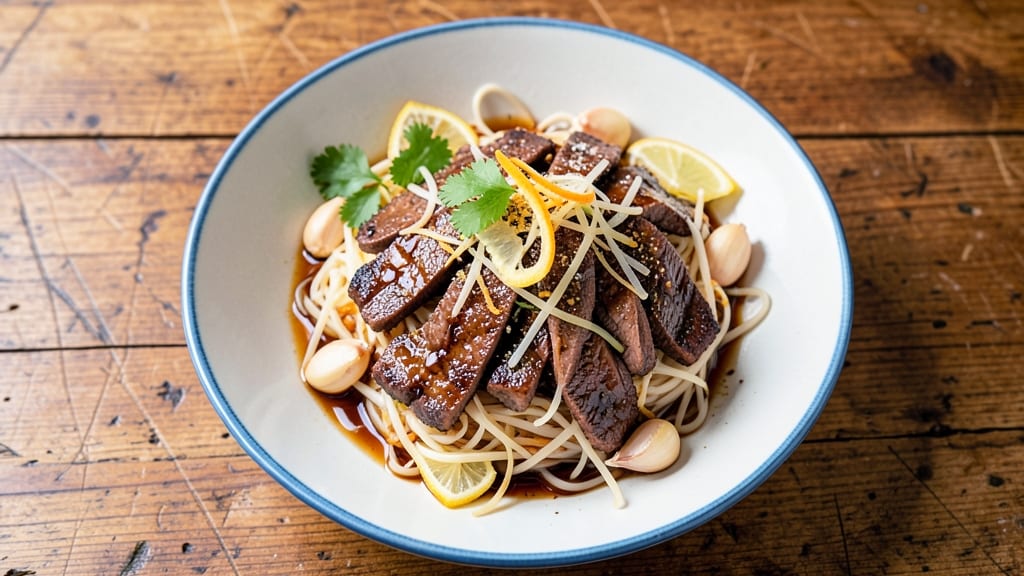
This beef and glass noodle recipe delivers the perfect balance of wok-heated crunch and silky, chewy noodles in every bite. The secret lies in high-heat stir-frying tender beef strips alongside delicate rice vermicelli, creating a dish that's both restaurant-worthy and surprisingly simple to prepare at home. I've perfected this technique over years of testing, ensuring the beef stays tender while achieving that signature wok hei smokiness.
The magic happens in the sauce—a bold combination of soy sauce, ginger, garlic, and a touch of sesame oil that coats every component without overpowering the natural flavors. Glass noodles absorb the sauce beautifully while maintaining their signature chewy texture, creating a satisfying contrast with the crisp-tender beef.
This dish is designed to be made in 20 minutes, making it ideal for busy weeknights when you crave something flavorful yet quick.
What you'll end up with is a vibrant, aromatic dish that's packed with texture and flavor—crisp edges on the beef, silky noodles, and a sauce that's perfectly balanced between savory and slightly sweet.
The aroma alone will have everyone gathering around the table, and the first bite delivers that satisfying combination of crunch and chewiness that makes this dish so addictive.
Serve it immediately for the best experience, as the noodles soften over time. This recipe works beautifully as a main dish or can be easily doubled for meal prep. The versatility of the flavors means it pairs well with steamed vegetables or a simple side salad for a complete meal.
Ingredients for beef and glass noodle
High-quality beef and delicate glass noodles transform into a restaurant-style wok dish with bold soy-ginger flavors.
| Ingredient | Amount | Notes |
|---|---|---|
| Flank Steak 🥩 | 1 lb | Thinly sliced against grain |
| Glass Noodles (Rice Vermicelli) 🍜 | 8 oz | Dried, soaked per package |
| Fresh Ginger 🧄 | 2 tbsp | Finely minced, aromatic |
| Garlic Cloves 🧄 | 6 cloves | Minced, fresh preferred |
| Light Soy Sauce 🥄 | ½ cup | High-quality, low-sodium |
| Dark Soy Sauce 🥄 | 1 tbsp | For depth of flavor |
| Sesame Oil 🫒 | 1 tbsp | Toasted, for aroma |
| Neutral Oil (Avocado or Vegetable) 🫒 | 2 tbsp | High smoke point |
| Brown Sugar 🍯 | 1 tbsp | Light, for balance |
| Cornstarch 🌾 | 1 tbsp | For tenderizing beef |
| Green Onions 🧅 | 3 whole | Thinly sliced, garnish |
| Sesame Seeds 🌰 | 1 tbsp | Toasted, for crunch |
| Red Chili Flakes 🌶️ | ½ tsp | Optional, for heat |
| Salt 🧂 | 1 tsp | Diamond Crystal preferred |
| Black Pepper 🌶️ | ½ tsp | Freshly cracked |
The flank steak is non-negotiable for this dish—its lean texture becomes tender when sliced thinly against the grain. Look for USDA Choice or Prime at your local butcher or grocery store's meat counter. Costco or Whole Foods often carry pre-sliced versions, but if you're slicing yourself, freeze the meat for 30 minutes first to make it easier. Glass noodles should be rice vermicelli, not mung bean—Asian markets carry the best selection, but most grocery stores stock them too. Avoid pre-soaked varieties; they lose texture. The ginger and garlic should be freshly minced—pre-minced jars lack the aromatic punch this dish needs.
No light soy sauce? Tamari works perfectly—just use the same amount. Dark soy sauce is harder to substitute; mushroom sauce at half the quantity adds depth without the same color impact. For the sesame oil, toasted is a must—skip the unrefined if you want that nutty aroma. The cornstarch isn't just for thickening—it tenderizes the beef when marinated for 15-20 minutes. If you're gluten-sensitive, swap soy sauces for coconut aminos, though the flavor will differ slightly. The glass noodles should soak in room-temperature water for 10-15 minutes—cold water makes them gummy. Drain well before using, and pat dry with a towel to prevent a soggy stir-fry.
This dish is best served immediately—glass noodles lose their chew within 30 minutes. Store leftovers in an airtight container for up to 3 days in the fridge, though texture degrades over time. Freezing isn't recommended as the noodles become mushy. For meal prep, cook the beef and sauce separately, then toss with pre-cooked, drained noodles right before serving. The flavors actually improve the next day if you refrigerate the components separately—just reheat the sauce gently and toss with fresh noodles. Garnish with toasted sesame seeds right before serving to maintain their crunch.
Why You'll Love This Recipe
- 20-Minute Slice: I swear by this when my fridge is half-empty and the clock’s ticking—just a quick sear on the flank steak, a splash of soy sauce, and those glass noodles soak while I chop garlic. No waiting for pasta to boil, no fuss.
- Umami Bomb: That first bite? The tender beef with its crisp edges, the chewy noodles soaking up the ginger-garlic-soy punch—it’s the kind of flavor that sticks with you. Honestly, I’ll take this over takeout any day.
- Lunchbox Hero: Between us, this is my go-to for meal prep. Cold or reheated, the noodles hold up perfectly, and the beef stays juicy. Pack it in containers, toss it in a bento box—it’s the one dish that makes my lunches feel like a treat.
- Budget Flex: Flank steak stretches far when sliced thin, and glass noodles cost pennies compared to fresh pasta. I make this twice a month, and it’s always a win—no guilt, no splurge, just solid, satisfying food.
Step-by-step instructions for beef and glass noodles
Master this wok technique for silky noodles and perfectly tender beef every time.
Prepare the Flank Steak and Glass Noodles
Begin by slicing the 1 lb flank steak thinly against the grain into ¼-inch strips. This cut ensures maximum tenderness. Place the sliced beef in a bowl and sprinkle evenly with 1 tablespoon cornstarch, 1 teaspoon salt, and ½ teaspoon black pepper. Toss gently to coat—this creates a light crust that prevents the beef from drying out during cooking.
While the beef marinates, prepare the 8 oz glass noodles (rice vermicelli). Soak them in warm water for 10-15 minutes until pliable but still slightly firm to the bite. Drain and rinse briefly under cold water to stop the cooking process. Keep them covered to prevent drying.
Build the Soy-Ginger Sauce
In a small bowl, whisk together the ½ cup light soy sauce, 1 tablespoon dark soy sauce, 1 tablespoon brown sugar, and 1 tablespoon sesame oil. The dark soy sauce adds depth while the brown sugar balances the acidity of the soy. Set this mixture aside—it will infuse the beef with complex flavor.
In the same bowl, add the 2 tablespoons minced fresh ginger and 6 cloves minced garlic. Let the aromatics sit for 5 minutes to release their oils. This step ensures maximum flavor extraction, which is crucial for a restaurant-quality dish. The ginger will mellow slightly during cooking, but its bright aroma remains.
Stir-Fry the Beef to Perfect Doneness
Heat a 14-inch wok or large skillet over high heat until smoking. Add 2 tablespoons neutral oil (avocado or vegetable) and swirl to coat. Working in batches if needed, add the cornstarch-coated beef strips and stir-fry for 2-3 minutes until they turn deep brown and are just cooked through. The high heat ensures a tender yet slightly crisp exterior.
Remove the beef from the wok and set aside. Immediately add the drained glass noodles to the same wok and toss for 1-2 minutes until they soften slightly. This step prevents the noodles from becoming mushy while still maintaining their delicate texture. The residual heat from the wok will finish cooking them perfectly.
Combine and Finish with Aromatics
Return the beef to the wok along with the reserved soy-ginger sauce. Stir everything together for 1-2 minutes until the beef is evenly coated and the sauce has thickened slightly. The high heat should cause the sauce to glisten—this indicates proper emulsification, ensuring each bite is flavorful.
Add the 3 whole green onions, sliced thinly, and ½ teaspoon red chili flakes (if using). Toss gently to distribute the garnishes evenly. The green onions add freshness, while the chili flakes introduce a subtle heat that complements the richness of the beef and noodles.
Plate and Serve Immediately
Transfer the beef and noodles to serving plates, garnishing each portion with 1 teaspoon toasted sesame seeds. The sesame seeds add a nutty crunch that contrasts beautifully with the silky noodles and tender beef. Serve immediately while the noodles are still warm and the flavors are at their peak.
Each bite should deliver a harmonious balance of textures—silky noodles, tender beef, and a glossy sauce that clings to every strand. The dish is best enjoyed fresh, as the noodles lose their delicate texture when left to sit.
Pro Tips For Making Beef And Glass Noodle
- Slice Against the Grain: Cut your flank steak perpendicular to the muscle fibers—thin, even slices (about ¼-inch thick) cook faster and stay tender. I used to fight with my knife here, but a sharp chef’s knife and steady pressure make this easier than it looks.
- Soak Noodles Separately: Glass noodles absorb water like sponges—soak them in a bowl of warm water (not boiling) for exactly 10 minutes, then drain and rinse. Tossing them straight into the hot pan while raw turns them to mush, and no one wants that.
- Bloom Ginger-Garlic First: Mince the ginger and garlic fine (not paste—texture matters) and let them sizzle in oil for 30 seconds before adding beef. This builds flavor without burning, and I’ve learned the hard way that skipping this step leaves the dish tasting flat.
- Finish with Cold Water: Right before serving, splash in ¼ cup cold water and toss everything together. It cuts the richness of the soy sauce and cools the noodles just enough to make them silky—trust me, it’s the upgrade I didn’t expect.
Troubleshooting perfect results
Glass Noodles Too Soft
If your glass noodles turn mushy, it’s likely from over-soaking or reheating. Always soak them in room-temperature water for exactly 10-15 minutes—no longer! Drain immediately and rinse briefly with cold water to halt cooking.
For reheating, toss with a splash of water and stir-fry for just 1-2 minutes over high heat to revive texture. Overcrowding the wok also causes steaming—keep portions small and toss quickly. 💫
Beef Overcooked and Tough
High heat is key, but timing matters more. Cook beef in single-layer batches for no more than 2-3 minutes until just browned. Remove immediately when it reaches 145°F internal temp—overcooking turns it rubbery.
The cornstarch coating helps, but don’t skip the 15-minute marinade before cooking. If using thicker flank steak slices, cut them ⅛-inch thick against the grain. 🔥
Sauce Too Thin or Runny
A runny sauce usually means insufficient thickening. Stir in 1 teaspoon cornstarch mixed with 1 tablespoon water at the end and simmer for 30 seconds to emulsify. For extra richness, reduce the sauce by half before adding to the wok.
If using low-sodium soy sauce, add ½ teaspoon sugar to help balance the thinner consistency. The sauce should coat a spoon but still glisten—this ensures perfect flavor distribution. ✨
Lacking Wok Hei Flavor
Wok hei (breath of the wok) comes from high, dry heat and quick cooking. Use a carbon steel or cast iron wok preheated until smoking. Avoid oil splatter by keeping the wok at maximum heat and working in batches.
If your kitchen lacks high heat, use a gas burner on high or a cast iron skillet—electric stoves struggle. Add aromatics (ginger/garlic) 5 minutes early to maximize their flavor infusion. 🌶️
Glass Noodles Stick Together
Sticky noodles happen when they’re overcooked or not drained properly. Always rinse drained noodles under cold water and pat dry with a kitchen towel. Toss them in ½ teaspoon oil before stir-frying to prevent clumping.
If they stick after cooking, add 1 teaspoon soy sauce to the wok and toss vigorously. For extra insurance, soak noodles in salted water (pinch of salt) to firm them up before draining. 💡
Sauce Too Salty
Prevent oversalting by tasting the sauce before adding it to the wok. If needed, balance with ½ teaspoon brown sugar or a splash of rice vinegar. For a fresher taste, add 1 teaspoon lime juice at the end.
If the dish is already served, serve with steamed rice or a side salad to dilute the saltiness. Always use high-quality soy sauce—low-sodium versions require extra seasoning. 💪
Nutrition facts
Frequently asked questions
Can I substitute flank steak with another beef cut?
Yes, but choose thinly sliced cuts like sirloin, ribeye, or skirt steak—all work well when sliced against the grain. Avoid tougher cuts like chuck or brisket, as they won't tenderize properly in this quick-cooking method. If using pre-sliced beef, pat it dry before marinating to ensure better browning.
How do I prevent glass noodles from turning mushy?
Soak noodles in room-temperature water for exactly 10-15 minutes, then drain and rinse with cold water to stop cooking. Pat them dry with a towel before stir-frying, and cook over high heat for just 1-2 minutes. Overcrowding the wok causes steaming—keep portions small and toss quickly.
Can I make this dish ahead of time?
Prepare components separately: Cook the beef and sauce, then refrigerate in an airtight container for up to 3 days. Store the noodles separately and cook fresh when ready to serve. Reheat the sauce gently and toss with freshly cooked noodles to maintain texture. Flavors actually improve after resting!
What if I don't have a wok?
Use a cast iron skillet or large stainless steel pan on maximum heat. Preheat until smoking to mimic wok hei. Avoid nonstick pans—they can't achieve the same high heat needed for proper browning. A gas burner works best, but electric stoves can work if you use the highest setting.
How can I add more vegetables to this dish?
Try bell peppers, bok choy, or shredded carrots—add them during the last 2 minutes of cooking to preserve crunch. For heartier dishes, include broccoli florets or snap peas, but avoid water-rich veggies like zucchini that may dilute the sauce.