
Breakfast & Brunch
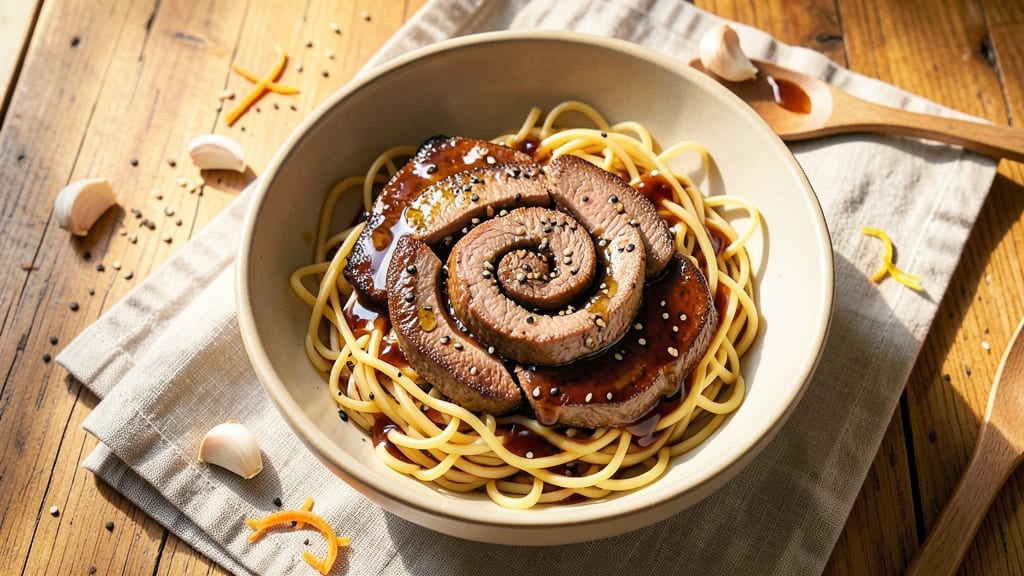
This one-pot beef and frozen egg noodles recipe delivers a hearty, protein-packed breakfast in under 20 minutes—no pre-soaking or complicated steps required.
The secret lies in stir-frying thinly sliced beef until tender, then combining it with frozen egg noodles in a single pot, where the flavors meld into a savory, comforting dish that feels indulgent yet effortless.
I developed this recipe during a busy morning when I needed something substantial without sacrificing speed, and it’s since become a staple in my rotation.
The beauty of this method is its simplicity: you’ll use just a handful of pantry staples—beef, frozen egg noodles, soy sauce, garlic, and a touch of ginger—to create a dish that’s rich in umami and satisfying in texture.
The frozen noodles cook directly in the beef’s rendered juices, absorbing all the savory flavors without turning mushy. It’s the kind of meal that transforms a rushed morning into a moment of comfort, proving that fast food can still taste homemade.
What you’ll end up with is a steaming pot of tender beef and al dente egg noodles, where each bite delivers a perfect balance of protein, carbs, and bold seasoning. The beef stays juicy and flavorful, while the noodles maintain a satisfying bite—no soggy aftermath here.
This recipe is equally at home as a quick weeknight breakfast or a light lunch, and it scales effortlessly for feeding a crowd.
For extra depth, stir in a splash of sesame oil or top with green onions before serving. The possibilities for customization are endless, but the core technique remains foolproof: one-pot, minimal prep, maximum flavor. Let’s get cooking—and enjoy that first satisfying bite.
Ingredients for beef and frozen egg noodles
Pantry staples meet quick cooking magic—just 13 ingredients for a hearty one-pot breakfast.
| Ingredient | Amount | Notes |
|---|---|---|
| Thinly Sliced Beef Top Round 🥩 | 1 lb | Cut into 1/4-inch slices for even cooking |
| Frozen Egg Noodles 🍜 | 8 oz | Wide or medium egg noodles preferred |
| Low-Sodium Soy Sauce 🍶 | ¼ cup | Kikkoman preferred for authentic flavor |
| Garlic Cloves 🧄 | 4 cloves | Minced finely for maximum flavor |
| Fresh Ginger 🌿 | 1 tbsp | Grated finely (peeled) |
| Sesame Oil 🫒 | 1 tbsp | Toasted sesame oil for aroma |
| Vegetable Oil 🫒 | 2 tbsp | High smoke point for stir-frying |
| Green Onions 🧅 | ¼ cup | Sliced thinly for garnish |
| Salt 🧂 | 1 tsp | Diamond Crystal preferred |
| Black Pepper 🌶️ | ½ tsp | Freshly cracked for heat |
| White Pepper 🌶️ | ¼ tsp | Optional, for subtle depth |
| Cornstarch 🌾 | 1 tbsp | For tenderizing beef |
| Water 💧 | ½ cup | For cornstarch slurry |
The beef is non-negotiable here—top round stays tender without drying out. Ask your butcher to slice it paper-thin (or do it yourself with a sharp knife and plastic wrap). I grab mine at Whole Foods when I’m prepping for the week, but any grocery store’s pre-sliced steak section works in a pinch. Skip the pre-marinated packages—they’re loaded with sugar. For the noodles, frozen egg noodles are your secret weapon: no pre-soaking, no mushy texture. The wide variety holds sauce better, but medium works too.
No soy sauce? Coconut aminos or tamari in a 1:1 swap. Fresh ginger too strong? Ground ginger at one-third the amount works, but you’ll miss that bright zing. The cornstarch slurry is key—mix it well before adding to the pot to prevent clumping. For extra umami, stir in 1 tsp fish sauce (if you’re okay with it) or 1 tbsp mushroom powder for a vegetarian boost. The sesame oil? Toasted is non-negotiable—regular won’t give that nutty aroma. And if you’re feeling fancy, swap the green onions for scallions or chives.
This reheats like a dream—just add a splash of water and stir. Keeps 3-4 days in the fridge, 2 months frozen. I double the batch and freeze half for lazy mornings. For leftovers, the noodles might soften slightly, so reheat with a splash of water and toss with a little extra sesame oil. The beef stays juicy, I promise. And if you’re making this for a crowd? Scale the beef up to 2 lbs—the noodles and sauce will adjust perfectly.
Why You'll Love This Recipe
- No-Fuss Pantry Staples: I swear by this recipe because it uses what’s already lurking in my freezer and fridge—no last-minute grocery runs. Thinly sliced beef top round stays tender while searing, and frozen egg noodles cook in minutes without soggy edges. Honestly, I’ve made this on days when my fridge was half-empty and still ended up with something ridiculously good.
- Umami Bomb Combo: That low-sodium soy sauce + fresh ginger + garlic? It’s a flavor shortcut I’ll never skip. The beef absorbs the sauce like a sponge, giving every bite a savory punch without overpowering. Between us, my picky-eater husband asks for seconds—proof it’s not just "meh" beef and noodles.
- Lunchbox Hero: This is my go-to for meal prep because it reheats like a dream. Pack the leftovers in containers, and they stay warm (and delicious) for days—no sad, mushy noodles here. I’ll be real: I’ve even brought it to potlucks, and people ask for the recipe before dessert.
- Budget Win: A pound of beef top round and a bag of frozen noodles? That’s a fraction of the cost of takeout, and it feeds four. I stretch it further by adding frozen veggies (peas or carrots) straight from the bag—no chopping, no waste. My wallet and my taste buds thank me every time.
Step-by-step instructions for one-pot beef and egg noodles
Here's how to make this protein-packed breakfast in just one pot—fast, flavorful, and foolproof.
Prep the Beef for Maximum Tenderization
In a small bowl, combine the 1 lb thinly sliced beef top round, 1 tbsp cornstarch, 1 tsp salt, 0.5 tsp black pepper, and 0.25 tsp white pepper. Toss gently with your hands until the beef is evenly coated. The cornstarch creates a light crust that tenderizes the meat as it cooks, preventing that tough texture we all hate.
Let the beef sit for 5 minutes while you prep the rest. This resting time allows the cornstarch to adhere fully, ensuring it works its magic during cooking. Don't skip this—it's what makes the difference between chewy and melt-in-your-mouth beef.
Stir-Fry the Aromatics and Beef
Heat 2 tbsp vegetable oil in a large skillet or deep pot over medium-high heat until shimmering. Add the 4 cloves minced garlic and 1 tbsp grated fresh ginger, cooking for 30 seconds until fragrant—you should smell that bright, zesty aroma. Immediately add the cornstarch-coated beef in a single layer.
Stir-fry for 2-3 minutes until the beef loses its raw color and turns a rich brown. Here's the thing—don't overcrowd the pan. If your beef overlaps too much, it'll steam instead of sear. Work in batches if needed, but aim to keep the heat high for that perfect crust.
Add Noodles and Build the Sauce
Push the beef to one side of the pan and add the 8 oz frozen egg noodles to the empty space. Pour in the 0.25 cup low-sodium soy sauce and 0.5 cup water, then stir everything together. The noodles will release starch as they cook, which helps thicken the sauce naturally—no extra slurry needed.
Bring to a simmer, then cover and cook for 5-6 minutes, stirring occasionally. You're looking for the noodles to soften completely and the sauce to coat everything evenly. If it looks too dry, add 1-2 tablespoons water—just enough to keep it glossy. The beef should be cooked through with just a hint of pink in the center.
Finish with Sesame Oil and Garnish
Remove from heat and stir in the 1 tbsp toasted sesame oil. This adds that signature nutty aroma and depth of flavor that takes the dish from good to restaurant-quality. Taste and adjust seasoning—you might want to add a splash more soy sauce if it's too mild, or a pinch of salt if it needs balance.
Garnish with the 0.25 cup sliced green onions right before serving. The bright green color contrasts beautifully with the rich beef and noodles, and it adds a fresh crunch that cuts through the heartiness of the dish. Serve immediately while everything's hot and the sauce is still glossy.
Pro Tips For Making Beef And Frozen Egg Noodles
- Prep Beef in Ice Water: Thinly sliced top round dries out fast—keep it cold until cooking. Toss the slices in a bowl of ice water after slicing, then drain and pat dry right before stir-frying. This keeps them tender and prevents them from shrinking into tough little cubes.
- Cook Noodles Separately: Frozen egg noodles release too much moisture when cooked in the same pan. Boil them in salted water until al dente (about 2 minutes), drain, and toss with a splash of oil to keep them from sticking. Add them to the beef after it’s mostly done—just warm through.
- Bloom Ginger First: Fresh ginger’s bite fades fast. Mince it thin (almost like a paste) and let it sit in the hot pan with a splash of soy sauce for 30 seconds before adding garlic. This pulls out the flavor without burning it—trust me, you’ll taste the difference.
- Use High Heat for Beef: Top round needs a screaming-hot wok or skillet to sear fast. If it’s not smoking when you toss in the beef, crank the heat higher and wait—this guarantees a caramelized crust instead of gray, rubbery slices. Crowd the pan at first, then spread them out.
Common mistakes when making this recipe
Overcrowding the Pan
This is the #1 mistake I see when cooking beef and noodles together. When you add too much beef at once, it steams instead of searing, leading to a mushy texture. The solution?
Cook the beef in 2 batches if needed, keeping each batch in a single layer. I use a 12-inch cast-iron skillet for this recipe—it gives me enough space to work without overcrowding. 🔥
Skipping the Cornstarch
Cornstarch isn't just a thickener—it's what keeps your beef tender. Without it, you risk dry, chewy meat. Mix the 1 tbsp cornstarch with the beef and let it sit for 5 minutes before cooking.
This gives it time to create that protective crust. Pro tip: If you forget, a quick 1-minute marinade in soy sauce can help, but cornstarch is the real MVP.
Undercooking the Beef
Beef needs that 165°F internal temperature to be safe, but many people pull it out too soon. Look for a rich brown color and just a tiny hint of pink in the center.
I use an instant-read thermometer to check—no guessing! If you're unsure, let it cook another 30 seconds. The noodles will keep cooking while the beef finishes.
Adding Noodles Too Early
Frozen noodles release starch as they cook, which can make your sauce watery if added too soon. Wait until the beef is 80% cooked before adding them. This ensures the noodles absorb the beef's rendered juices rather than turning the whole dish into a soup.
The 5-6 minute covered simmer after adding noodles is crucial for perfect texture.
Ignoring the Sauce Balance
Many recipes stop at soy sauce, but this dish needs that sesame oil finish for depth. Stir it in off the heat—adding it too early burns off its delicate aroma.
Taste before serving and adjust with more soy sauce or a pinch of salt. I often add ½ tsp white pepper here for a subtle, restaurant-quality touch. 💫
Overmixing After Cooking
Once everything's cooked, resist the urge to stir constantly. Overmixing can break up the beef and make the noodles gummy. Give it 1-2 gentle stirs after adding sesame oil, then let it rest for 1 minute before serving.
This helps the flavors meld without destroying the texture. Garnish with green onions right before eating for that fresh pop of color and crunch.
Nutrition facts
Frequently asked questions
Can I use fresh egg noodles instead of frozen?
Fresh egg noodles work, but you'll need to adjust the cooking time. Since fresh noodles cook faster, add them 2 minutes before the beef is fully done (around 165°F) and reduce the final simmer time to 3-4 minutes instead of 5-6. Fresh noodles also release less starch, so you might want to add 1 extra tablespoon soy sauce to compensate for the thinner sauce.
What's the best cut of beef for this recipe?
Thinly sliced top round or sirloin tip are ideal—they stay tender when cooked quickly. Avoid tougher cuts like flank steak unless you marinate them first. If you can't find pre-sliced beef, ask your butcher to cut it 1/4-inch thick and wrap it tightly in plastic before slicing for cleaner cuts. Never skip the cornstarch—it's what prevents chewy beef!
Can I make this recipe in an Instant Pot?
Yes! Sauté the beef and aromatics in the Instant Pot's sauté function, then add noodles, soy sauce, and 1 cup water. Cook on high pressure for 3 minutes, then quick-release. The Instant Pot will give you perfectly cooked noodles without overcooking the beef. For extra richness, stir in 1 tablespoon butter after releasing pressure.
Why did my noodles turn mushy?
Overcooking is the most common cause. Frozen noodles only need 5-6 minutes of simmering after adding to the pot. If they're still firm, they're fine—keep cooking the beef until done. For extra insurance, use 1/2 cup water instead of 3/4 cup when adding the noodles. The starch from the noodles thickens the sauce, so less water prevents mushiness.
How can I make this gluten-free?
Swap the soy sauce for tamari or coconut aminos, and use gluten-free frozen egg noodles. Most brands make gluten-free versions of egg noodles that work perfectly. For extra flavor, add 1 teaspoon fish sauce (if using) or 1 tablespoon mushroom powder to replace the umami from soy sauce.