
Soups & Stews
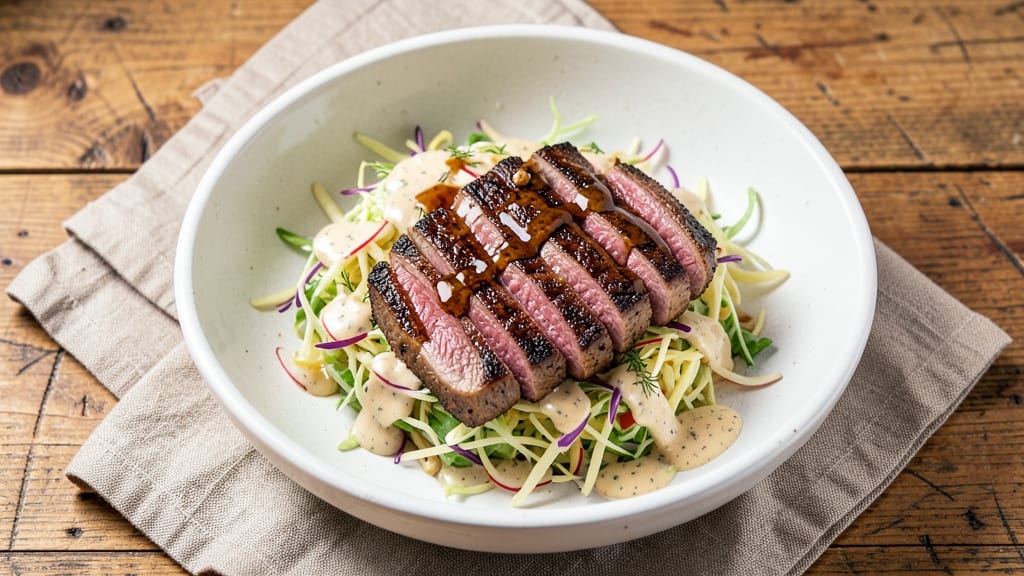
A beef and coleslaw recipe featuring juicy steak and crisp zesty coleslaw makes the perfect Southern-inspired meal that's simple yet impressive. This recipe delivers tender, flavorful beef—whether grilled, pan-seared, or slow-roasted—paired with a creamy yet tangy slaw that adds fresh crunch.
The secret to juicy beef lies in proper seasoning and don't-overcooking, while the coleslaw gets its signature bite from a mix of vinegar, mustard, and a touch of sugar.
The beauty of this dish is its balance: rich, savory beef cuts through the cool, creamy slaw, creating a harmonious bite every time. You'll start with a well-marinated steak—ribeye or sirloin work beautifully—then build the slaw using classic cabbage and carrots tossed in a dressing that's creamy but not heavy.
The result is a restaurant-quality meal that comes together in under an hour.
What makes this recipe stand out is how the two components complement each other perfectly. The beef stays moist and flavorful, while the coleslaw adds a refreshing contrast that keeps the meal from feeling too heavy.
Serve it on a platter with toothpicks for easy sharing, or pair it with crusty bread and a side of pickles for a full Southern-style spread.
This dish works equally well for weeknight dinners or weekend gatherings—just adjust the steak portion size accordingly. The coleslaw can be made ahead, so you can focus on cooking the beef when it's time to serve.
With just a few simple ingredients and straightforward techniques, you'll have a meal that feels special without requiring hours in the kitchen.
Ingredients for beef and coleslaw
Juicy steak and crisp slaw come together with just 14 simple ingredients for a Southern-inspired feast.
| Ingredient | Amount | Notes |
|---|---|---|
| Ribeye Steak 🥩 | 1 ½ lb | 1-inch thick cuts preferred |
| Yellow Onion 🧅 | 1 whole | Medium size, thinly sliced |
| Garlic Cloves 🧄 | 4 cloves | Fresh, minced for marinade |
| Extra-Virgin Olive Oil 🫒 | ½ cup | For marinade and slaw |
| Worcestershire Sauce 🍶 | 2 tbsp | For depth of flavor |
| Dijon Mustard 🍯 | 1 tbsp | For tangy kick |
| Kosher Salt 🧂 | 1 ½ tsp | For seasoning and marinade |
| Ground Black Pepper 🌶️ | 1 tsp | Freshly ground preferred |
| Cabbage 🥬 | 4 cups | Green or purple, shredded |
| Carrots 🥕 | 2 medium | Shredded for crunch |
| Mayonnaise 🥛 | ½ cup | Full-fat for creaminess |
| Apple Cider Vinegar 🍎 | 2 tbsp | For tangy balance |
| Granulated Sugar 🍚 | 1 tbsp | For subtle sweetness |
| Celery Stalks 🥬 | 2 whole | Thinly sliced for texture |
The steak is where the magic happens. Ribeye or sirloin with good marbling stays juicy—Costco or Whole Foods carry the best cuts. Look for 1-inch thick pieces if you're grilling. For the marinade, Worcestershire sauce is non-negotiable—it adds that umami depth that makes this beef restaurant-quality. If you can't find it, a splash of soy sauce in a pinch works, but trust me, it's worth tracking down. The garlic should be fresh, not powdered—mince it yourself for the best flavor. For the slaw, green or purple cabbage both work, but purple adds a nice pop of color.
No Worcestershire? Extra soy sauce plus a dash of balsamic vinegar gets you close. Running low on Dijon? Yellow mustard at half the amount works in a bind. The carrots can be baby carrots if that's what's in the fridge—just peel and shred them. For the mayo, full-fat is essential—light mayo makes the slaw taste flat. No mayo? Greek yogurt thinned with a splash of milk is a decent swap. The celery adds crunch, but if you skip it, just use extra carrots. The sugar balances the vinegar, so don't omit it completely—even just 1 teaspoon makes a difference.
Marinate the steak for at least 30 minutes, but overnight is ideal. The slaw keeps beautifully in the fridge for 4-5 days—make a double batch so you can focus on cooking the beef when it's time to serve. Store the dressing separately if making ahead, then toss with the cabbage right before serving. The steak reheats best in a skillet over medium heat—just 2-3 minutes per side to warm through. Leftovers? The beef freezes well for 3 months, while the slaw lasts 1 week in the fridge.
Why You'll Love This Recipe
- One-Pan Magic: I swear by this recipe when I’m too tired to scrub pots—just sear the ribeye, toss in sliced onion and garlic, let the Worcestershire and olive oil work their magic, then pile it over store-bought coleslaw. Cleanup? One spatula, one pan. Done.
- Umami Bomb: That ribeye, caramelized with onion and a splash of Worcestershire, melts in your mouth while the garlic cloves add a punchy, aromatic kick. Honestly, the flavor combo is so good I’ll eat it straight from the pan—no judgment.
- Lunchbox Hero: Between us, this is my go-to for meal prep. Slice the steak thin, mix with leftover coleslaw, and pack it in containers for days. (Yes, even on a Tuesday night.) The flavors actually improve the next day—no sad, dry sandwiches here.
- Budget Steakhouse: You’re getting restaurant-quality ribeye for a fraction of the price. The secret? Buying a cheaper cut, letting it sit in the Worcestershire marinade (even 10 minutes helps), and searing it hot. Feeds four for less than takeout.
Step-by-step instructions for beef and coleslaw
Here's how to create a perfectly juicy ribeye paired with a crisp, tangy slaw that complements every bite.
Marinate the Ribeye for Maximum Flavor
In a bowl, combine the 0.5 cup extra-virgin olive oil, 2 tbsp Worcestershire sauce, 1 tbsp Dijon mustard, 1.5 tsp kosher salt, and 1 tsp ground black pepper. Add the 4 minced garlic cloves and mix until fully incorporated. Place the 1.5 lb ribeye steak in a resealable plastic bag and pour the marinade over it, ensuring it's fully coated. Seal the bag and refrigerate for at least 4 hours or overnight for deeper flavor penetration.
I like to turn the bag occasionally during marinating to ensure even exposure. The acidity in the Worcestershire and vinegar (from the coleslaw) will tenderize the meat while the olive oil adds richness. Don't skip this step—it's what makes the steak truly juicy and flavorful when cooked.
Prepare the Coleslaw Base
Shred the 4 cups cabbage and 2 medium carrots using a sharp knife or mandoline slicer. Thinly slice the 2 whole celery stalks and set aside. In a large bowl, whisk together the 0.5 cup mayonnaise, 2 tbsp apple cider vinegar, 1 tbsp granulated sugar, 1.5 tsp kosher salt, and 1 tsp ground black pepper until smooth. This is your dressing base.
Add the shredded cabbage, carrots, and celery to the dressing, tossing gently but thoroughly to coat all the vegetables. Let it sit at room temperature for 15 minutes before serving. This resting time allows the flavors to meld and the cabbage to soften slightly while maintaining its crisp texture. The sugar in the dressing will caramelize just enough to balance the vinegar's tang.
Cook the Perfect Ribeye
Remove the ribeye from the refrigerator 30 minutes before cooking to bring it to room temperature. Pat it dry with paper towels—this is crucial for achieving a good sear. Heat a cast-iron skillet over high heat until it's screaming hot. Add the steak and cook for 4-5 minutes per side for medium-rare, until you see a deep brown crust forming and the internal temperature reaches 130-135°F on a meat thermometer.
For the last minute of cooking, add the 1 whole thinly sliced yellow onion to the pan. The onions will caramelize quickly from the residual heat, adding sweetness that pairs beautifully with the steak. Transfer the steak to a cutting board and let it rest for 10 minutes before slicing. This resting period is essential—it allows the juices to redistribute, ensuring every bite stays moist and flavorful.
Assemble and Serve
Slice the ribeye against the grain into ¼-inch thick slices. Arrange the steak slices on a platter, fanning them out slightly to showcase their beautiful crust. Spoon the coleslaw around the steak, creating a colorful contrast that makes the dish visually appealing. The crisp, tangy slaw cuts through the richness of the steak, balancing each bite perfectly.
Serve immediately while the steak is still warm and the slaw retains its crunch. The combination of juicy, well-seasoned beef and the bright, refreshing coleslaw makes this a complete meal. If you're serving guests, you can prepare the coleslaw up to 2 hours ahead and store it in the refrigerator, but the steak should always be cooked fresh for the best results.
Pro Tips For Making Beef And Coleslaw
- Sear the Steak First: Get that pan screaming hot—like, almost smoke-level hot—before adding the ribeye. I learned this the hard way by starting medium heat and ending up with a steak that was cooked through but never got that golden crust. Once it’s seared, pull it out and let it rest while you finish the onions and garlic.
- Slice Onions Thin: Cut those yellow onions into paper-thin slices—no thicker than 1/8 inch. Thick slices turn mushy when cooked, and you’ll end up with a sad, watery base for your Worcestershire sauce. A sharp knife and steady hand make this easier than it sounds.
- Don’t Crowd the Pan: If you’re cooking the onions and garlic in the same pan after the steak, spread them out in a single layer. I used to pile them up, and they’d steam instead of caramelize. A little patience here means the flavors actually develop instead of just boiling away.
- Rest the Steak Properly: Skip the urge to slice into that ribeye the second it hits your plate. Give it a solid 5-10 minutes under foil—yes, even if you’re starving. The juices redistribute, and you’ll end up with a steak that’s tender, not a sad, dry mess. (Your future self will thank you.)
Essential equipment for this dish
Cast-Iron Skillet
A cast-iron skillet is my non-negotiable for cooking the ribeye—it retains heat beautifully and creates that perfect crust. I recommend a 10-12 inch Lodge skillet for this recipe, as it gives you plenty of surface area for the steak and onions.
Preheat it over high heat until it's smoking hot before adding the steak. The skillet's natural non-stick properties improve with use, so season it regularly with flaxseed oil for a smoother surface. 🔥
Meat Thermometer
Never guess the doneness of your steak—use a digital instant-read thermometer like the Thermoworks Smoke to monitor internal temperature. For medium-rare, aim for 130-135°F. The probe should go into the thickest part of the steak, avoiding fat or bone.
I keep one on my counter at all times because it's the only way to guarantee perfect results every time. A cheap thermometer won't cut it here.
Sharp Knives
For the coleslaw, you'll need two sharp knives: a 8-inch chef's knife for chopping cabbage and carrots, and a mandoline slicer (optional but game-changing) for even shreds. A Wüsthof or Shun chef's knife makes quick work of the vegetables.
If you're slicing by hand, take your time—uneven pieces make the slaw look messy. I always keep my knives sharp with a Whetstone sharpening stone for precision cuts.
Mixing Bowls
Use a large stainless steel mixing bowl (at least 8-quart capacity) for the coleslaw dressing and vegetables. Stainless steel won't absorb flavors like plastic, and the smooth surface makes tossing easier.
I prefer OXO Good Grips bowls—they're durable and have ergonomic handles. For the marinade, a smaller bowl (about 2-quart) works perfectly for mixing the ingredients before transferring to the bag.
Plastic Food Storage Bag
A resealable plastic food storage bag (like Glad brand) is essential for marinating the steak. It keeps the marinade contained and allows the beef to coat evenly. I double-bag the steak to prevent leaks and turn it occasionally for consistent flavor penetration.
If you're short on time, a glass baking dish with a lid works too, but plastic bags are more portable and easier to store in the fridge.
Cutting Board
Choose a large, sturdy cutting board (at least 12x18 inches) for prepping vegetables and resting the steak. I use a teak cutting board because it's gentle on knives and adds a nice aesthetic to my kitchen.
For extra stability, place a damp towel underneath to prevent slipping. After slicing the steak, let it rest on the board for 10 minutes—this is where the magic happens as juices redistribute.
Nutrition facts
Frequently asked questions
Can I substitute sirloin for ribeye in this recipe?
Sirloin works beautifully—just trim any excess fat for a leaner cut. For best results, marinate it 30-60 minutes longer since sirloin has less fat to keep it moist. Cook it 1-2 minutes less per side than ribeye to avoid overcooking, aiming for 130-135°F for medium-rare. The flavor will be slightly milder but still delicious with the coleslaw's tangy contrast.
How do I make the coleslaw extra crunchy?
For maximum crunch, use green cabbage instead of purple (it stays crisp longer) and add ½ cup diced bell pepper or ¼ cup chopped jicama for extra texture. Chill the slaw for at least 1 hour before serving—the cold temperature helps maintain crispness. Avoid over-tossing the vegetables, and use full-fat mayo (not light) to keep the dressing from making the cabbage soggy.
Can I grill the beef instead of pan-searing?
Yes! Grilling works perfectly—just preheat your grill to high heat (450-500°F) and cook the steak for 4-5 minutes per side for medium-rare. Use a meat thermometer to check doneness. For extra smoky flavor, add wood chips (hickory or apple) to the grill. Let the steak rest 10 minutes before slicing, just like with pan-searing. The grilled char pairs wonderfully with the fresh slaw.
What's the best way to reheat leftover beef?
Reheat leftover beef in a skillet over medium heat for 2-3 minutes per side until warmed through (165°F). Avoid microwaving—it makes the meat tough. For extra moisture, add 1 tbsp beef broth or water to the pan. The coleslaw can be reheated in the microwave for 30 seconds, but it's best served cold. Store leftovers separately to maintain texture.
Can I make this a slow-cooker meal?
Not for the beef—slow cooking makes steak tough. But you can adapt the slaw! Shred the cabbage and carrots, then store them separately in the fridge. When ready to serve, toss with the dressing and let sit 15 minutes before serving. For a slow-cooker alternative, try shredded beef (chuck roast) cooked with onions and Worcestershire sauce until tender (6-8 hours on low), then serve with the slaw. The textures will be different but still delicious!