
Soups & Stews
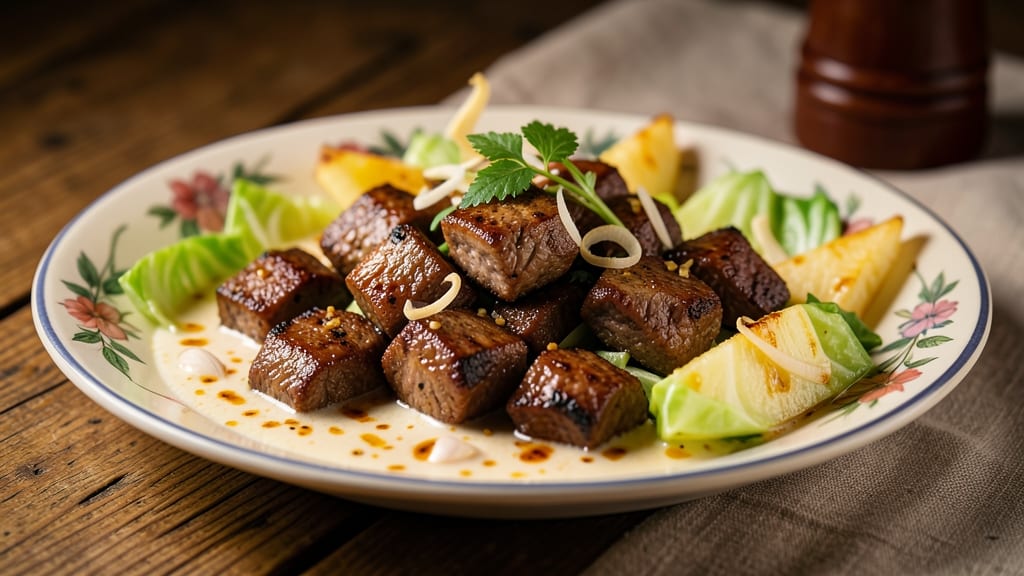
This beef and cabbage Filipino recipe brings the comforting flavors of the Philippines straight to your kitchen with its rich, coconut-infused broth. The dish, known as ginataang gulay, transforms tender beef and hearty cabbage into a deeply satisfying meal that pairs perfectly with steamed rice.
Traditional techniques like slow simmering and aromatic spice blends create layers of flavor that make every bite memorable.
The secret to this recipe lies in its balance of ingredients—annatto oil for color, garlic and ginger for depth, and coconut milk for creaminess. Unlike many stews, this one relies on natural ingredients rather than heavy sauces, making it both flavorful and wholesome.
The beef becomes fork-tender while the cabbage retains its satisfying crunch, all bathed in a velvety sauce that’s impossible to resist.
What sets this dish apart is its versatility. Serve it as a standalone meal with rice, or pair it with garlic fried rice for a heartier experience. The recipe also doubles well for meal prep, as the flavors deepen over time.
Whether you're cooking for family or hosting a gathering, this dish delivers restaurant-quality results with minimal effort.
Ready to experience the warmth of Filipino home cooking? The process is straightforward, and the outcome is undeniably rewarding. Let’s get started on creating a dish that’s as comforting as it is delicious.
Ingredients for beef and cabbage filipino
These rich, aromatic ingredients create a velvety Filipino stew where tender beef and cabbage shine in coconut milk.
| Ingredient | Amount | Notes |
|---|---|---|
| Beef Chuck Roast 🥩 | 1 ½ lb | Cut into 1-inch cubes |
| Green Cabbage 🥬 | 1 whole | Cut into wedges, core removed |
| Coconut Milk 🥥 | 1 can | Full-fat, 13.5 oz can |
| Annatto Oil 🫒 | 1 tbsp | For vibrant color |
| Garlic Cloves 🧄 | 6 cloves | Minced for aromatic base |
| Fresh Ginger 🌿 | 2 tbsp | Grated, peeled root |
| Onion 🧅 | 1 large | Diced, yellow or red |
| Tomatoes 🍅 | 2 medium | Diced, ripe tomatoes |
| Bay Leaves 🌿 | 2 whole | Dried, standard size |
| Salt 🧂 | 1 ½ tsp | Kosher or sea salt |
| Black Pepper 🌶️ | ½ tsp | Freshly ground |
| Fish Sauce 🍶 | 1 tbsp | For umami depth |
| Cooking Oil 🫒 | 2 tbsp | Neutral oil like canola |
| Sugar 🍚 | 1 tsp | White granulated |
The beef cut matters here—chuck roast delivers that signature fall-apart texture, while sirloin stays tough. Look for well-marbled pieces at Whole Foods or your local butcher shop. Cabbage should be firm with crisp outer leaves—Green Fort or Golden Acre brands work best. Coconut milk is non-negotiable; Thai Kitchen or Aroy-D cans provide the right balance of creaminess and fat content. Annatto oil, available at Filipino markets or online, gives that iconic golden hue. For fish sauce, Red Boat or Tiparos are premium choices that won't overpower the dish.
No annatto oil? Turmeric at half the amount mimics the color, though lacks the authentic flavor. Substitute coconut milk with half coconut milk and half beef broth if needed, though texture will differ. Fresh ginger and garlic can be swapped for powdered versions at one-third the quantity, though fresh is ideal. The tomatoes can be canned diced tomatoes (drained) if fresh aren't available. For a vegetarian version, replace beef with extra-firm tofu or mushrooms. Always taste the fish sauce first—it's potent, and you can adjust to preference.
This dish tastes even better the next day as flavors meld. Store in an airtight container in the fridge for up to 5 days, or freeze portions for 3 months. The cabbage stays crisp for 3 days if refrigerated separately. For meal prep, double the recipe—it reheats beautifully. The sauce thickens as it cools, so add a splash of water when reheating. Serve with steamed jasmine rice to soak up every last bit of that rich coconut broth.
Why You'll Love This Recipe
- One-Pot Magic: I swear by this recipe when I’m too tired to scrub pots—just brown the beef, toss everything in one pot, and let it simmer. The cabbage wilts into tender bites while the beef melts, and the coconut milk does all the heavy lifting. Honestly, I’ve made it after work with takeout containers still in my bag.
- Garlic-Coconut Bliss: That first bite? Rich, savory beef with a velvety coconut hug and a whisper of annatto’s golden warmth. The garlic cloves, lightly fried until fragrant, turn this into something ridiculously good—like a hug in a bowl. My kids fight over the last spoonful, and I don’t even pretend to care.
- Meal Prep MVP: This keeps perfectly for days, so I make a big batch on Sundays and reheat it all week. The flavors deepen overnight, and the cabbage stays crisp enough to eat. Between us, it’s my secret weapon for lazy nights—just pop it in the microwave, and dinner’s saved.
- Budget Stretch: A chuck roast goes a long way, and cabbage is dirt cheap, but the coconut milk and annatto oil make it feel special. I’ll be real: it’s the kind of dish where you get more bang for your buck without sacrificing taste. Plus, the leftovers? Even better the next day.
Step-by-step instructions for savory ginataang beef simmered in coconut milk
This Filipino classic transforms humble ingredients into a rich, aromatic dish through careful layering of flavors.
Sear the Beef Chuck Roast for Deep Flavor
Heat the 2 tablespoons cooking oil in a heavy-bottomed pot over medium-high heat until shimmering. Add the 1.5 lb beef chuck roast cut into 1-inch cubes, working in batches if needed to avoid crowding. Sear each piece for 2-3 minutes per side until developing a deep golden-brown crust—this Maillard reaction builds the foundation of your dish's rich flavor.
Once all beef is seared, remove it from the pot and set aside. The remaining browned bits in the pot, called fond, will dissolve into the sauce later, adding depth. If the fond appears too thick, add 1 tablespoon water to deglaze briefly, scraping up any stuck bits with a wooden spoon.
Build the Aromatic Base with Onions, Garlic, and Ginger
In the same pot, add the 1 large diced onion and cook over medium heat for 5 minutes until softened and translucent. Stir frequently to prevent burning. Add the 6 cloves minced garlic cloves and 2 tablespoons grated fresh ginger, cooking for another 2 minutes until fragrant and the raw garlic aroma disappears—this ensures you capture their sweet, pungent notes without bitterness.
Next, add the 2 medium diced tomatoes and cook for 3-4 minutes until they begin to break down and release their juices. Stir occasionally to distribute the flavors evenly. This step develops the sauce's base and balances the richness of the coconut milk that will follow.
Simmer the Beef in Coconut Milk with Annatto Oil
Pour in the 1 can coconut milk, stirring to combine with the aromatic base. Add the 1 tablespoon annatto oil, which will infuse the dish with its signature vibrant color. Return the seared beef to the pot, along with the 2 whole bay leaves, 1.5 teaspoons salt, 0.5 teaspoon black pepper, 1 tablespoon fish sauce, and 1 teaspoon sugar. The sugar helps balance the dish's savory notes while the fish sauce adds umami depth.
Bring the mixture to a gentle simmer over medium-low heat. Partially cover the pot and let it cook for 45-50 minutes, stirring occasionally, until the beef is fork-tender and easily pulls apart. The sauce should thicken slightly but remain creamy. If it reduces too quickly, add 2-3 tablespoons water to maintain the desired consistency.
Incorporate the Cabbage and Finish the Dish
Add the 1 whole green cabbage cut into wedges with the core removed. Stir gently to coat the cabbage in the coconut milk mixture. Simmer uncovered for an additional 15-20 minutes until the cabbage is tender but still holds its shape—it should be bright green and slightly crisp, not mushy. The cabbage absorbs the rich, savory coconut milk while retaining its texture.
Taste the dish and adjust seasoning if needed. The fish sauce and salt should balance the sweetness of the coconut milk and sugar. Serve immediately, garnished with additional black pepper if desired. The dish is best enjoyed fresh, with the cabbage retaining its vibrant color and the beef melting in your mouth.
Rest and Serve for Optimal Texture
Let the ginataang beef rest for 5-10 minutes before serving. This allows the flavors to meld further and the cabbage to absorb any remaining juices, ensuring each bite is cohesive and flavorful. Serve with steamed rice to soak up the rich coconut milk sauce, or pair with crusty bread to complement the dish's hearty nature.
The result is a harmonious blend of tender beef, vibrant cabbage, and creamy coconut milk, all balanced by the umami richness of fish sauce and the subtle sweetness of sugar. Each component plays a crucial role in creating a dish that is both comforting and deeply satisfying.
Pro Tips For Making Beef And Cabbage Filipino
- SEAR THE BEEF FIRST: After burning through three batches where the chuck roast stayed bland, I finally committed to searing it hard in a screaming-hot pan with annatto oil for 5–6 minutes per side before simmering. The crust locks in flavor and cuts through the coconut milk’s richness—skip this, and you’re left with tough, watery beef.
- SLICE CABBAGE THIN AND TIGHT: I used to chop cabbage into uneven hunks, and it’d turn mushy by the halfway point. Now I slice it paper-thin (¼-inch or less) and pack the pieces tightly into the pot—this guarantees even cooking and keeps the texture crisp-tender. Use a sharp knife and work in batches if needed.
- CONTROL THE COCONUT MILK: My first attempts curdled the coconut milk because I dumped it in cold, then cranked the heat. Instead, warm the milk gently in a separate pot until it’s just steaming (not boiling), then whisk it into the simmering beef. This keeps the sauce velvety and prevents that dreaded split.
- REST THE BEEF UNDER FOIL: After hours of slow cooking, I’d pull the beef straight into the cutting board—big mistake. Let it rest 5–10 minutes under foil before slicing; the fibers relax, and you’ll get clean slices instead of shredded meat. (Yes, even if you’re impatient like me.)
Pro cooking tips for perfect results
Sear for Depth
Don’t skip searing the beef—this step creates the Maillard reaction that builds rich, caramelized flavors. Use medium-high heat and work in batches to avoid crowding the pot. I like to pat the beef cubes dry first with paper towels so they develop that perfect crust.
The fond (browned bits) that forms is pure flavor gold—just deglaze with 1 tbsp water if it gets too thick. 🔥
Layer Aromatics
Cook onions until they’re fully translucent before adding garlic and ginger—this prevents burning and ensures sweet, mellow flavors. I find 5 minutes for onions is perfect, then add garlic and ginger for just 2 minutes until fragrant.
Overcooking here turns garlic bitter, which ruins the dish. The tomatoes should break down slightly but not turn to mush—this builds the sauce’s natural sweetness.
Coconut Milk Magic
Use full-fat coconut milk for the creamiest texture, and stir it in gently to avoid curdling. The annatto oil gives that iconic golden hue, but if you’re short on time, a pinch of turmeric works in a pinch.
Simmer the beef on low heat—rushing this step makes the meat tough. I like to check the beef after 45 minutes; if it’s not tender, add 10 more minutes of cooking time.
Cabbage Timing
Add cabbage only in the final 15-20 minutes to keep it crisp-tender. Overcooking turns it soggy, which no one wants. Stir gently so the wedges absorb the sauce evenly. For extra vibrancy, a splash of lemon juice at the end brightens the cabbage’s green color.
The dish tastes even better the next day as flavors meld—just reheat gently to avoid breaking the cabbage.
Fish Sauce Balance
Fish sauce is potent, so taste as you go. Start with 1 tbsp and adjust—some brands are saltier than others. I often add a pinch more after simmering to deepen the umami.
The sugar balances the richness, but if your coconut milk is sweet enough, you can skip it. Always taste before serving! The goal is harmony, not overpowering flavors. ✨
Rest Before Serving
Let the dish rest for 5-10 minutes before serving—this lets the cabbage soak up extra sauce and the beef reabsorb juices. I like to garnish with fresh cilantro or a sprinkle of toasted sesame seeds for texture.
Serve with steamed rice to soak up every last drop of that creamy coconut broth. Trust me, this small step makes a big difference in texture and flavor! 💫
Nutrition facts
Frequently asked questions
Can I substitute beef chuck roast with another cut?
For best results, stick with chuck roast or brisket—these cuts have enough fat and connective tissue to become tender when slow-cooked. If you must use leaner cuts like sirloin, marinate them for 2 hours first with soy sauce, garlic, and ginger to prevent dryness. Avoid tough cuts like flank steak, as they won’t break down properly in this recipe.
Why does my cabbage turn mushy?
Overcooking is the most common cause! Add cabbage only in the final 15-20 minutes of simmering, and stir gently to avoid breaking the wedges. If your cabbage cooks too fast, reduce heat to low or cover the pot to trap steam. For extra crispness, try Napa cabbage—it holds up better than green cabbage in long cooking.
How can I make this dish spicier?
Add 1-2 teaspoons of chili flakes or 1 sliced chili pepper (like siling labuyo) when searing the beef. For heat without spice, stir in ½ teaspoon cayenne pepper with the fish sauce. Remember, coconut milk mellows heat, so start with small amounts and adjust to taste. A squeeze of lime juice at the end also brightens the spice!
Can I prepare this ahead of time?
This dish tastes even better the next day! Store in an airtight container in the fridge for up to 5 days. Reheat gently on low heat with a splash of water to restore creaminess. For freezing, cook the beef and sauce first, then add cabbage fresh when reheating. The cabbage will stay crisp if reheated quickly—just 5-7 minutes on medium heat.
What’s the best rice to serve with this?
Jasmine rice is the classic pairing—its floral aroma complements the coconut milk beautifully. For extra richness, try sticky rice or arborio rice. Avoid basmati, as its nutty flavor can clash. Pro tip: Cook rice with a pinch of salt and a teaspoon of butter for a restaurant-quality finish that soaks up every drop of sauce!