
Soups & Stews
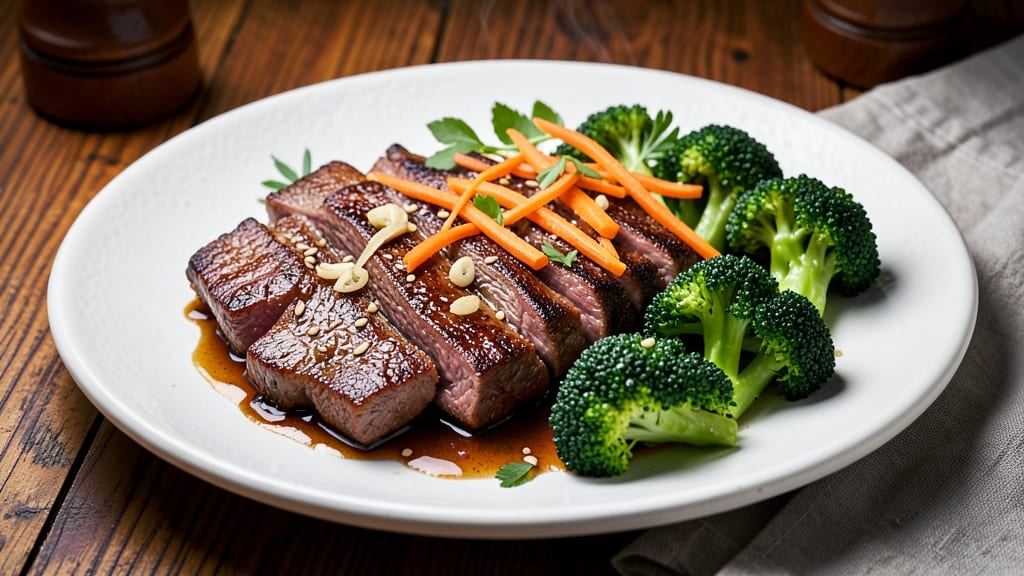
This beef and broccoli with carrots recipe delivers restaurant-quality wok sizzle at home, where tender beef strips meet crisp-tender vegetables in a silky soy-ginger sauce. The secret lies in high-heat searing followed by a quick stir-fry that locks in juices and develops deep umami flavors—no takeout required.
I've perfected this technique over years of testing, ensuring every bite achieves that perfect balance of textures and seasoning.
What sets this dish apart is the combination of three key elements: properly marinated beef that stays tender yet develops a subtle char, broccoli and carrots cut to cook evenly in just 3-4 minutes, and a sauce that's rich yet bright thanks to a precise ratio of soy sauce, oyster sauce, and a touch of honey.
The wok technique isn't optional—it creates those signature smoky aromas and crisp edges that transform this into something special.
By the time you're done, you'll have perfectly seared beef strips with a slight glossy sheen, bright green broccoli florets that stay crisp-tender, and sweet carrots with just enough bite. The sauce clings to everything, creating a harmonious blend of salty, sweet, and umami flavors in every bite.
This is the kind of dish that tastes like it took hours to prepare when in reality, it comes together in under 30 minutes.
The best part? It scales beautifully for weeknight dinners or dinner parties, and the leftovers reheat perfectly—just add a splash of water to the pan and stir. Serve over steamed jasmine rice for the full experience, or with noodles for a quick variation. Let's get cooking!
Ingredients for beef and broccoli with carrots
Restaurant-quality wok sizzle starts with these 15 ingredients—tender beef, crisp vegetables, and a silky sauce.
| Ingredient | Amount | Notes |
|---|---|---|
| Flank Steak 🥩 | 1 lb | Thinly sliced against grain |
| Broccoli Florets 🥦 | 1 ½ lbs | Cut into 1-inch pieces |
| Carrots 🥕 | 1 lb | Julienned or matchstick cut |
| Garlic Cloves 🧄 | 6 cloves | Minced finely |
| Fresh Ginger 🌿 | 1 tbsp | Grated finely |
| Low-Sodium Soy Sauce 🥢 | ½ cup | Kikkoman preferred |
| Oyster Sauce 🍜 | 2 tbsp | Lee Kum Kee brand |
| Honey 🍯 | 1 tbsp | For sauce balance |
| Sesame Oil 🌰 | 1 tbsp | Toasted sesame oil |
| Cornstarch 🌾 | 1 tbsp | For sauce thickening |
| Vegetable Oil 🫒 | 3 tbsp | High smoke point |
| Green Onions 🧅 | 3 whole | Sliced thin for garnish |
| Sesame Seeds 🌰 | 1 tbsp | Toasted for garnish |
| Salt 🧂 | 1 tsp | Kosher preferred |
| Black Pepper 🌶️ | ½ tsp | Freshly ground |
The beef is everything here. Flank steak delivers that perfect chew and tender bite when sliced thin against the grain—skirt steak works too. Look for well-marbled cuts at Whole Foods or your local butcher; the fat renders beautifully during searing. If you can't find flank steak, sirloin is a decent substitute, but slice it extra thin. Prep the beef last—it'll release juices that cook off quickly in the wok. Broccoli should be bright green with tight florets; Trader Joe's sells pre-cut broccoli florets that save time. Carrots need to be uniform in size to cook evenly—julienne or matchstick cuts work best.
No oyster sauce? Hoisin sauce plus a splash of soy sauce mimics that umami depth. The honey is non-negotiable for balance—it cuts the saltiness and adds a subtle sweetness that makes the dish sing. Sesame oil should be toasted, not the cheap flavored kind; Kirkland Signature is a great budget option. Cornstarch is key for that silky sauce—don't skip it. For extra flavor, toast the sesame seeds in a dry pan for 30 seconds before garnishing. The green onions add freshness, but if they're wilty, substitute chives or cilantro for a different but still bright note. And yes, you can use regular soy sauce, but low-sodium gives you better control over seasoning.
Prep everything before you start cooking—this is a fast dish, but organization is key. The beef and vegetables can sit at room temperature for 20-30 minutes before cooking, which helps with even searing. Sauce ingredients keep well: soy sauce and oyster sauce last 6-12 months unopened, while sesame oil stays fresh for 1 year in a cool, dark place. Store leftovers in airtight containers for 3-4 days—they reheat beautifully with a splash of water. For parties, double the sauce and keep it warm in a slow cooker on low. The rice? Cook a big batch ahead—jasmine rice takes 15 minutes and keeps for 2 days in the fridge.
Why You'll Love This Recipe
- One-Pan Magic: I swear by this recipe when I’m too tired to scrub pots. Toss everything—steak, broccoli, carrots—onto one sheet pan, and you’re done. No chopping boards overflowing, no crowded stove. Just one pan to clean.
- Umami Bomb: That first bite? The garlic and ginger caramelizing into the steak while the carrots soften into sweetness? It’s the kind of flavor that makes you pause mid-fork. Honestly, I’ve tried store-bought versions, but nothing beats the real deal.
- Leftovers That Don’t Suck: This dish actually tastes better the second day. The steak gets more tender, the sauce thickens just right, and the veggies hold up perfectly. I pack half for lunch—no sad, soggy takeout here.
- Budget-Friendly Powerhouse: Flank steak stretches far, and broccoli and carrots are cheap staples. I feed four people for under $15, and everyone leaves happy. (Yes, even my picky teenager.) Plus, the ginger and garlic add depth without breaking the bank.
Step-by-step instructions for wok-sizzled beef with vegetables
This method delivers restaurant-quality texture and flavor with precise timing and high-heat technique.
Prep All Ingredients for Even Cooking
Slice the 1 lb flank steak thinly against the grain into ¼-inch thick strips. This ensures tender bites that cook quickly in the wok. Cut the 1.5 lbs broccoli florets into 1-inch pieces and julienne the 1 lb carrots into matchstick cuts for even cooking and maximum crunch.
Mince the 6 cloves garlic finely and grate the 1 tbsp fresh ginger using a microplane for maximum flavor extraction. Slice the 3 whole green onions thinly for garnish. Measure out the sauces and oils exactly as listed—precision matters in this dish. Keep all prepped ingredients within easy reach of your wok station.
Sear the Beef in Stages for Maximum Flavor
Heat 1 tablespoon vegetable oil in a 14-inch wok or large skillet over high heat until shimmering. Working in two batches, add half the beef strips and sear for 1-2 minutes until deep brown on all sides. The high heat creates a flavorful crust while keeping the interior tender. Transfer the cooked beef to a plate and repeat with remaining beef and 1 tablespoon vegetable oil. Don't overcrowd the pan—this prevents proper searing.
Here's the thing—if your wok isn't hot enough, the beef will steam instead of sear. You'll know it's ready when you see small smoke wisps rising from the oil. The beef should release easily from the pan when ready to flip. Keep the cooked beef warm while you prepare the vegetables.
Stir-Fry Vegetables Until Just Tender-Crisp
Add the remaining 1 tablespoon vegetable oil to the wok and increase heat to maximum. Add the broccoli florets and carrots, stirring constantly for 2-3 minutes until they begin to soften but still maintain bright color and slight crunch. Overcooking vegetables turns them mushy—this is where timing matters most.
Add the 6 cloves minced garlic and 1 tbsp grated ginger, stirring for 30 seconds until fragrant. The vegetables should be 80% cooked at this point—just tender enough to yield to gentle pressure but still offering resistance. This balance creates the perfect texture contrast in the final dish. Remove the vegetables to a separate plate and set aside.
Build the Signature Sauce with Perfect Balance
Return the wok to high heat and add ½ cup low-sodium soy sauce, 2 tbsp oyster sauce, 1 tbsp honey, and 1 tbsp sesame oil. Stir constantly for 1 minute until the sauce begins to simmer and slightly reduce. This creates a glossy, flavorful base that coats every ingredient.
In a small bowl, whisk together 1 tbsp cornstarch with 2 tablespoons water to create a slurry. Pour this into the wok while stirring vigorously. The sauce will thicken immediately into a silky, glossy consistency that clings perfectly to the beef and vegetables. This is the moment that matters—if the sauce looks too thin, add another ½ teaspoon cornstarch mixed with water.
Combine and Finish with Perfect Garnish
Return the beef and vegetables to the wok, tossing everything together for 1-2 minutes until everything is evenly coated with the sauce. The beef should be hot throughout and the vegetables should maintain their crisp-tender texture. Season with 1 tsp salt and ½ tsp black pepper to taste.
Transfer to serving plates and garnish with thinly sliced green onions and 1 tbsp toasted sesame seeds. The sesame seeds should be lightly toasted in a dry pan for 30 seconds until fragrant—this adds an extra layer of nutty aroma. Serve immediately over steamed rice for the complete experience, ensuring each bite delivers that perfect balance of wok-sizzled crunch and silky soy sauce.
Pro Tips For Making Beef And Broccoli With Carrots
- Slice Steak Against the Grain: Flank steak’s tough fibers need a knife, not a butcher’s cleaver. Cut thin strips perpendicular to the grain—no, not diagonally, not randomly—this makes every bite tender. I used to rush this step and wondered why my beef felt like chewing boot leather.
- Blanch Carrots First: Skip the raw, crunchy carrots—blanch them for 2 minutes in boiling water, then shock in ice. They’ll soften faster in the stir-fry and absorb the sauce better. Sounds like extra work? It’s the thing that stops them from turning mushy mid-cook.
- Watch the Heat: Start with a screaming-hot wok or skillet—you want smoke when you add the oil. But once the beef hits, drop the heat to medium-high. I learned this the hard way after charring three batches of flank steak into leather.
- Use Two Garlic Cloves: One’s not enough. Two minced cloves—one for the beef, one for the sauce—adds depth without overpowering. Fresh ginger? Same rule: grate just 1 teaspoon, or the dish turns into a spice bomb.
Creative variations of this recipe
Spicy Sichuan Twist
For a fiery kick, add 1 tbsp chili bean paste and ½ tsp Sichuan peppercorns (toasted and crushed) to the sauce. The peppercorns add that signature numbing sensation while the chili bean paste brings deep, smoky heat.
I like to finish with thinly sliced red chili peppers for visual drama and extra spice. Serve with extra hot sauce on the side for those who want to control their heat level. 🌶️
Sweet and Sticky Teriyaki
Swap the soy-oyster sauce combo for a teriyaki-style glaze made with ½ cup mirin, ¼ cup sake, 3 tbsp soy sauce, and 2 tbsp brown sugar. Simmer this mixture until reduced by half, then use it in place of the original sauce.
The beef becomes extra glossy and sticky, perfect for wrapping in steamed rice bowls. Garnish with pickled ginger for a tangy contrast.
Creamy Mushroom Fusion
Add 8 oz shiitake mushrooms (sliced) to the vegetables and stir in ¼ cup heavy cream or coconut milk at the end for a luxurious twist. The mushrooms add an earthy depth while the cream rounds out the flavors.
I recommend using cremini mushrooms if shiitake are unavailable—they still provide great texture. Finish with fresh thyme leaves for an unexpected but delicious herbal note.
Asian-Inspired Noodle Bowl
Cook 8 oz rice noodles according to package instructions and serve the beef-vegetable mixture on top. The noodles soak up the sauce beautifully, creating a satisfying one-bowl meal.
For extra flavor, toss the noodles with 1 tsp fish sauce and ½ tsp sugar before assembling. Top with crushed peanuts and fresh cilantro for texture and freshness.
Slow-Cooked Version
For a hands-off approach, sear the beef as directed, then transfer everything to a slow cooker on low for 4-5 hours. Add ½ cup chicken broth to the sauce mixture before combining.
The result is fall-off-the-bone tender beef with vegetables that stay vibrant. This works especially well for meal prep—just reheat and serve over rice.
Vegetarian Adaptation
Replace the beef with 1 lb extra-firm tofu (pressed and cubed) or hearts of palm (sliced). Marinate the tofu in 2 tbsp soy sauce, 1 tbsp cornstarch, and 1 tsp grated ginger for 30 minutes before cooking.
The tofu absorbs the sauce beautifully, creating a satisfying meat-free version. For extra protein, add ½ cup edamame to the vegetable mix.
Nutrition facts
Frequently asked questions
Can I use a different cut of beef for this recipe?
While flank steak is ideal, skirt steak or sirloin work well too. Just slice them ¼-inch thick against the grain for maximum tenderness. For extra-lean cuts like sirloin, marinate for 15-20 minutes in soy sauce before cooking to prevent dryness. Avoid tougher cuts like chuck—they won't tenderize properly in this quick stir-fry.
How do I prevent the vegetables from getting mushy?
The key is high heat and quick cooking. Start with vegetables that are dry (pat them thoroughly) and cut them uniformly so they cook evenly. Stir constantly for only 2-3 minutes—they should be 80% tender when removed. If using frozen broccoli, thaw and drain completely first, as excess moisture steams the vegetables instead of searing them.
Can I make this recipe without a wok?
Yes! A 12-inch cast-iron skillet or large nonstick pan works perfectly. The goal is to get your pan ripping hot—look for small smoke wisps when adding oil. For even better results, use a lid to trap heat if your pan isn't as wide as a wok. Just be patient and work in batches if needed to avoid overcrowding.
What's the best way to reheat leftovers?
Reheat in a small skillet over medium heat with 1-2 tablespoons water for 2-3 minutes, stirring constantly. The moisture prevents the beef from drying out and helps restore that wok-sizzled texture. Avoid microwaving—it makes the vegetables soggy. For extra flavor, add a splash of low-sodium soy sauce when reheating to revive the sauce's richness.
How can I make this dish spicier without overpowering the flavors?
Start with ½ teaspoon red pepper flakes in the sauce, then adjust to taste. For depth, add 1 teaspoon chili crisp or ½ teaspoon gochujang (Korean chili paste) to the sauce mixture. Balance the heat with an extra ½ teaspoon honey—this sweetens the sauce slightly to counteract the spice. Garnish with thinly sliced jalapeños so everyone can control their own heat level.