
Soups & Stews
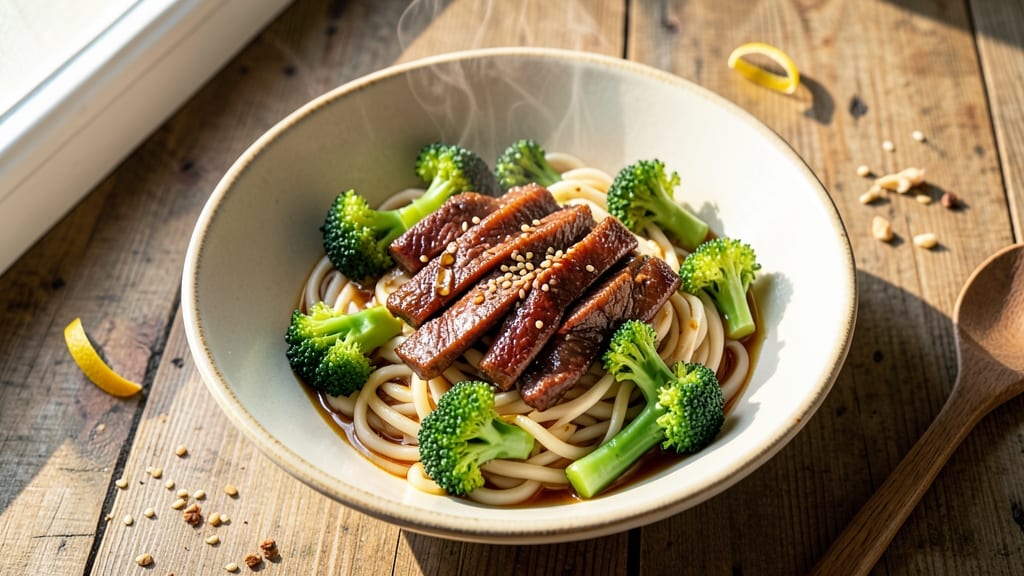
This beef and broccoli udon recipe delivers restaurant-quality silky noodles with perfectly caramelized beef bites in under 30 minutes. The secret lies in marinating the beef for tender, flavorful pieces and blanching the broccoli just until vibrant—never mushy.
Every component comes together in a rich, savory sauce that coats the udon perfectly, creating a dish that's both comforting and elegant.
What sets this recipe apart is the balance of textures: chewy udon noodles, tender beef with crisp edges, and bright, crisp-tender broccoli florets. The sauce, infused with soy and sesame, ties everything together while keeping the dish light enough for a weeknight dinner.
I've tested this recipe countless times to ensure the beef stays juicy and the noodles maintain their signature silkiness, even when reheated.
By the time you finish, you'll have a steaming bowl of udon loaded with caramelized beef, fresh broccoli, and a glossy sauce that clings to every strand. The dish is hearty enough to satisfy a crowd but simple enough to make on a busy evening.
Garnish with green onions and sesame seeds for that final touch of restaurant-quality presentation.
This recipe works equally well as a main course or a comforting lunch—just adjust the portion size. The components can be prepped ahead, making it perfect for meal prep. Here's how to create this satisfying dish from start to finish.
Ingredients for beef and broccoli udon
Restaurant-quality udon starts with these 14 ingredients—fresh, balanced, and ready to transform into silky noodles with caramelized beef.
| Ingredient | Amount | Notes |
|---|---|---|
| Udon Noodles 🍜 | 8 oz | Fresh or dried, cut into 6-inch lengths |
| Flank Steak 🥩 | 1 lb | Thinly sliced against the grain |
| Broccoli Florets 🥦 | 4 cups | Fresh, cut into bite-sized pieces |
| Soy Sauce 🍶 | ⅓ cup | Kosher or Diamond Crystal preferred |
| Sesame Oil 🫒 | 1 tbsp | Toasted, for aroma |
| Sesame Seeds 🌾 | 1 tbsp | Toasted for garnish |
| Green Onions 🧅 | 3 whole | Thinly sliced, for garnish |
| Garlic Cloves 🧄 | 4 cloves | Minced for marinade |
| Ginger 🌿 | 1 tbsp | Fresh, grated |
| Vegetable Oil 🫒 | 2 tbsp | High smoke point for searing |
| Cornstarch 🌾 | 1 tbsp | For tenderizing beef |
| Water 💧 | ½ cup | For blanching broccoli |
| Salt 🧂 | 1 tsp | Kosher or sea salt |
| Black Pepper 🌶️ | ½ tsp | Freshly ground |
The flank steak is non-negotiable for this dish—it's lean but tender when sliced thin against the grain. Look for well-marbled cuts at specialty butchers or the meat department of Whole Foods or Trader Joe's. If you can't find flank, sirloin or ribeye steak works in a pinch, but slice it even thinner. For the udon, fresh is ideal (found in the freezer section of most Asian markets), but dried works too—just soak it for 10 minutes. The broccoli should be bright green and firm; Trader Joe's pre-cut florets save time without sacrificing quality.
No soy sauce? Coconut aminos or even low-sodium soy sauce plus a pinch of sugar will do. Running out of sesame oil? Toasted peanut oil at half the amount mimics the nutty depth. The cornstarch is key—it tenderizes the beef while keeping it juicy, so don't skip it. For the broccoli, blanching is critical: 90 seconds max in boiling water, then ice bath to stop cooking. Overcooked broccoli turns mushy, and we're aiming for that crisp-tender texture. The garlic and ginger can be swapped for garlic powder and ground ginger if fresh isn't available, but fresh is always better.
Prep ahead to save time: Marinate the beef and slice the broccoli up to a day in advance, storing them separately in airtight containers. The udon keeps well in the fridge for 3 days, and the cooked beef holds for 2 days if reheated gently. For meal prep, assemble everything except the noodles and sauce—toss with a little oil to prevent sticking. When ready to serve, just boil the udon and toss everything together. Garnish with sesame seeds and green onions right before eating—they add that final pop of color and texture.
Why You'll Love This Recipe
- 20-Minute Steak Prep: I swear by thinly sliced flank steak here—no fancy butchering, just the freezer section and a sharp knife. The soy sauce and sesame oil work their magic while you boil the udon, so you’re basically done before the water even heats.
- Umami Bomb Combo: That first bite of tender beef with the crisp-tender broccoli? The soy sauce caramelizes into a glossy glaze, and the sesame oil adds this nutty, toasty finish that makes it ridiculously addictive. Honestly, I’ll take this over takeout any day.
- Lunchbox Hero: Between us, this is my go-to for meal prep. Toss the cooked udon and beef with a little extra sesame oil, pack it in containers, and it stays fresh for days—no soggy noodles in sight. My kids actually ask for leftovers.
- Budget-Friendly Feast: Flank steak stretches further than you’d think when sliced thin, and broccoli’s one of those veggies that’s always on sale. A single batch feeds four for under $15, and the flavors are so bold, no one guesses it’s not a restaurant dish. (Yes, even on a Tuesday night.)
Step-by-step instructions for beef and broccoli udon
Master this dish by focusing on three key elements: tenderizing the beef, blanching the broccoli, and balancing the sauce.
Prepare the Beef Marinade and Slice the Steak
In a small bowl, combine the 1 tablespoon cornstarch, 0.33 cup soy sauce, 1 tablespoon grated ginger, 4 minced garlic cloves, 1 teaspoon salt, and 0.5 teaspoon black pepper. Mix until the cornstarch dissolves completely—this creates a velvety coating that tenderizes the beef and adds depth to the sauce.
Slice the 1 lb flank steak thinly against the grain into ¼-inch thick strips. Place the sliced beef in a resealable plastic bag, pour the marinade over it, and seal the bag. Gently massage the marinade into the beef, ensuring each piece is evenly coated. Let it marinate in the refrigerator for at least 30 minutes (up to 2 hours for maximum tenderness). This step transforms tough flank steak into melt-in-your-mouth bites.
Blanch the Broccoli and Cook the Udon Noodles
Bring a large pot of water to a rolling boil. Add the 4 cups broccoli florets and the 0.5 cup water reserved for blanching. Cook for 1 minute 30 seconds until the florets are bright green and just beginning to soften—this preserves their vibrant color and crisp texture. Immediately drain and plunge into ice water to stop the cooking process. Drain again and set aside.
While the broccoli cooks, prepare the 8 oz udon noodles according to package instructions. I prefer fresh udon, which cooks in about 4-5 minutes in boiling salted water. Drain the noodles and rinse briefly under cold water to stop the cooking. Toss with 1 tablespoon sesame oil to prevent sticking and add a nutty aroma. The noodles should be al dente—slightly firm to the bite.
Sear the Beef and Build the Sauce
Heat a large wok or skillet over high heat until it's smoking. Add 2 tablespoons vegetable oil and swirl to coat the pan. Working in batches (don't overcrowd), add the marinated beef strips and sear for 1-2 minutes per batch until deeply browned and cooked through. The beef should develop a caramelized crust while remaining tender inside. Transfer the cooked beef to a plate and set aside.
In the same pan, reduce heat to medium-high and add the blanched broccoli florets. Stir-fry for 2-3 minutes until heated through and slightly charred in spots. Return the beef to the pan and pour in any accumulated juices from the plate. Add the cooked udon noodles and toss everything together for 1 minute to combine.
Finish and Garnish
Reduce heat to low and drizzle in 1 tablespoon toasted sesame oil. Stir gently to coat all ingredients evenly. Taste and adjust seasoning if needed—you may want to add a splash more soy sauce for depth or a pinch of salt for balance. The sauce should cling to the noodles and beef without being overly saucy.
Divide the beef and broccoli udon among four bowls. Garnish each serving with 1 tablespoon toasted sesame seeds and thinly sliced green onions. Serve immediately while the noodles are hot and the beef is still juicy. The dish should have a perfect balance of chewy noodles, tender beef, and crisp-tender broccoli, all united by a savory, slightly sweet sauce.
Pro Tips For Making Beef And Broccoli Udon
- Slice Steak Against the Grain: I learned this the hard way—thin flank steak slices (¼-inch max) sear faster and stay tender. Cut them diagonally against the grain before cooking, then freeze them for 20 minutes to tighten the fibers. This isn’t just about texture; it’s the difference between chewy and melt-in-your-mouth beef.
- Blanch Broccoli First: Skip the crowded pan—blanch broccoli florets in boiling water for 30 seconds before stir-frying. This stops the cooking process temporarily, so they hit the wok at the same time as the beef without turning mushy. (Yes, even if you’re impatient like me.)
- Use Two Stages for Soy Sauce: Drizzle half the soy sauce after the beef is done cooking. The initial splash goes in with the aromatics, but the second hit at the end brightens the sauce and balances the sesame oil’s richness. I used to dump it all in early, and the dish always tasted flat.
- Pre-Cook Udon Al Dente: Boil udon one minute less than the package says, then finish cooking in the hot wok with the beef and broccoli. The residual heat in the pan will soften them perfectly while absorbing the sauce. This isn’t the prettiest method, but it’s the tastiest—no soggy noodles here.
Make-ahead tips for this recipe
Marinate Ahead
The beef marinade can be prepared up to 2 days in advance and stored in an airtight container in the fridge. I like to marinate overnight for maximum tenderness—just slice the steak and mix the marinade ingredients the night before.
This saves 30 minutes of prep time the next day. Keep the beef in the marinade until you're ready to cook, but don't over-marinate beyond 2 hours or the cornstarch may start to break down. 💪
Broccoli Prep
Slice the broccoli florets and store them in a sealed container with a paper towel to absorb excess moisture. They'll stay fresh in the fridge for 3 days. When you're ready to cook, simply blanch them as directed—no need to worry about wilting.
For extra efficiency, blanch a large batch and store the cooked broccoli in the fridge for 2 days or freeze for 3 months in a single layer before transferring to airtight containers.
Udon Pre-Cooking
Cook the udon noodles a day ahead and store them in an airtight container with a light coating of sesame oil to prevent sticking. Reheat them in boiling water for 1-2 minutes until hot, then toss with a splash of water to restore their silky texture.
I find pre-cooked udon reheats best when stored in the fridge—not the freezer—because freezing can make them mushy. This tip saves 10 minutes of active cooking time when you're ready to assemble the dish. ✨
Beef Make-Ahead
Cook the beef completely and store it in the fridge for up to 2 days or freeze for 3 months. When reheating, warm it gently in a skillet over medium-low heat with a splash of water or broth to prevent drying.
The caramelized crust will soften slightly, but the beef will still taste delicious. For meal prep, I like to assemble everything except the udon and sauce, storing components separately in airtight containers. This way, you just need to cook the noodles and toss when ready to eat. 🔥
Sauce Prep
Combine the soy sauce, sesame oil, and any other sauce ingredients in a small container and store it in the fridge for up to 1 week. This pre-made sauce can be used directly in the recipe or as a quick dipping sauce for leftovers.
For extra flavor, add a pinch of white pepper or a dash of chili oil to the sauce before storing. This shortcut ensures you always have a ready-to-use sauce on hand, cutting 5 minutes off your cooking time. 💡
Final Assembly
When you're ready to serve, simply boil the udon noodles, reheat the beef and broccoli, and combine everything with the sauce. Garnish with sesame seeds and green onions right before serving to keep them crisp.
For a quick meal, assemble the dish in a single large bowl and serve family-style—this works especially well for gatherings or when you're short on time. The entire process from fridge to table takes just 15 minutes after prep. 🌟
Nutrition facts
Frequently asked questions
Can I substitute flank steak with another cut?
Yes! For best results, use sirloin, ribeye, or flank steak—all should be sliced thinly against the grain. If using chuck roast, marinate for 4-6 hours to ensure tenderness. Avoid tougher cuts like top round, as they won't become tender enough in this recipe.
How do I prevent the udon noodles from getting mushy?
Cook the udon just until al dente (about 4-5 minutes for fresh), then rinse briefly under cold water to stop cooking. Toss immediately with 1 tablespoon sesame oil to coat and prevent sticking. Never overcook—mushy noodles ruin the texture!
What if I don’t have sesame oil?
Use toasted peanut oil (½ tbsp) or light olive oil as a substitute. For extra flavor, add a pinch of ground sesame seeds to the sauce. The dish will still taste delicious, though it won’t have the same nutty aroma.
Can I make this dish spicier?
Add ½ tsp chili flakes to the beef marinade or 1 tsp chili oil to the sauce. For heat lovers, stir in 1 tbsp sriracha or 1 chopped Thai chili when tossing everything together. Adjust to taste!
How do I reheat leftovers without drying out the beef?
Reheat in a skillet over medium-low heat with 1 tbsp water or broth for 2-3 minutes. Avoid microwaving—it makes the beef rubbery. For extra moisture, drizzle with 1 tsp soy sauce while reheating.