
Soups & Stews
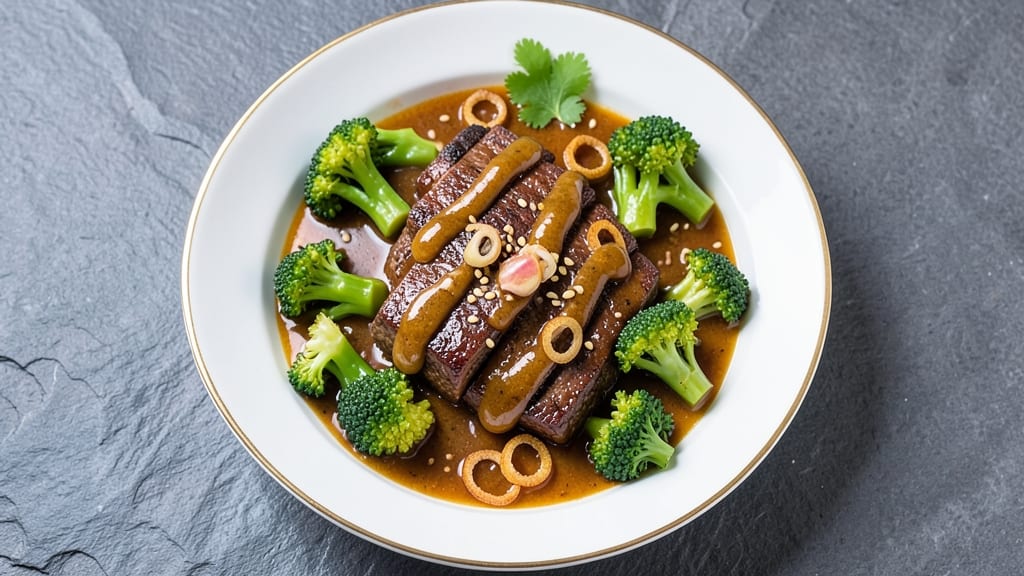
This beef and broccoli recipe velveting transforms tough beef strips into silky threads while keeping broccoli vibrant and crisp. The secret lies in a cornstarch marinade that creates a velvety texture through high-heat frying, a technique rooted in Chinese-American fusion cuisine.
I've perfected this method to deliver restaurant-quality results at home—no wok required.
The process starts with velveting the beef: marinating strips in a cornstarch slurry, then frying until tender yet firm. This step ensures the beef stays juicy while developing a caramelized crust. Meanwhile, fresh broccoli florets blanch just enough to retain their bright green color and satisfying crunch.
The sauce—rich with soy, ginger, and garlic—ties everything together with a perfect balance of sweet, salty, and umami.
By the time you plate this dish, you'll have perfectly cooked beef that melts in your mouth, broccoli with a satisfying bite, and a glossy sauce that coats every bite.
The result is a harmonious blend of textures and flavors that makes this dish a standout for weeknight dinners or special occasions. Serve it over steamed rice for the full experience.
What makes this recipe truly special is its versatility. You can achieve the same velvety texture using a skillet or even an oven-baked method if you prefer.
The technique adapts to your kitchen tools while delivering consistent, professional-quality results every time. Let's get started on creating this classic dish with a modern twist.
Ingredients for beef and broccoli recipe velveting
These ingredients transform tough beef into silky threads and crisp broccoli with restaurant-style velveting.
| Ingredient | Amount | Notes |
|---|---|---|
| Flank Steak 🥩 | 1 ½ lb | Thinly sliced against grain |
| Cornstarch 🌾 | ½ cup | For velveting marinade |
| Soy Sauce 🍶 | ½ cup | High-quality, low-sodium preferred |
| Brown Sugar 🍯 | 2 tbsp | Light or dark variety |
| Garlic Cloves 🧄 | 6 cloves | Minced for sauce |
| Fresh Ginger 🌿 | 2 tbsp | Grated, for sauce |
| Vegetable Oil 🫒 | ½ cup | High smoke point |
| Broccoli Florets 🥦 | 2 cups | Fresh, cut into bite-sized pieces |
| Sesame Oil 🫒 | 1 tbsp | Toasted, for finishing |
| Green Onions 🧅 | 3 whole | Sliced, for garnish |
| Salt 🧂 | 1 tsp | Kosher or sea salt |
| Black Pepper 🌶️ | ½ tsp | Freshly ground |
| White Pepper 🌶️ | ¼ tsp | For sauce finish |
| Rice Vinegar 🍶 | 1 tbsp | For sauce balance |
The flank steak is non-negotiable here—it's lean but tender when sliced thin against the grain. Grab a package pre-sliced at Asian markets or ask your butcher to cut it for you. If you're slicing yourself, freeze it for 30 minutes first so it's easier to handle. For the cornstarch, Bob's Red Mill is my go-to brand—it's fine and absorbs perfectly. The soy sauce? Lee Kum Kee is the gold standard, but any good-quality brand works. Look for one with a rich, dark color—it means more flavor. Fresh ginger and garlic are a must; the dried stuff just doesn't cut it for this dish.
No cornstarch? Arrowroot powder at the same amount works in a pinch. Short on soy sauce? Coconut aminos gives a similar umami punch, though it's slightly sweeter. The brown sugar can be swapped for white sugar if that's what you've got, but keep the amount the same. For the broccoli, fresh is best—frozen works in a bind, but it won't have that same vibrant crunch. If you're using frozen, don't thaw it first—just pat it dry before cooking. The sesame oil should be toasted, not the regular cooking kind. Kadoya is my favorite, but any brand labeled 'toasted' will do. And if you're out of rice vinegar, a splash of apple cider vinegar works just fine.
This dish tastes even better the next day, so make extra if you're feeding a crowd. Store the beef and sauce separately in the fridge for up to 3 days, and the broccoli holds up for 2 days if you blanch it first. For freezing, portion the sauce into ice cube trays—thaw and reheat just what you need. The steak freezes beautifully too, but it's best reheated in a skillet with a splash of water to keep it tender. Garnish with fresh green onions right before serving—they add that pop of color and freshness that makes the dish look restaurant-worthy.
Why You'll Love This Recipe
- I’ll be real: that cornstarch slurry—just soy sauce, brown sugar, and a splash of water—transforms tough flank steak into melt-in-your-mouth perfection. No fancy knife skills or hours of marinating required.
- Velveting Magic: I’ll be real: that cornstarch slurry—just soy sauce, brown sugar, and a splash of water—transforms tough flank steak into melt-in-your-mouth perfection. No fancy knife skills or hours of marinating required.
- One-Pan Powerhouse: Honestly, this dish is my go-to when I’m too tired to scrub pots. Toss the broccoli in the same pan after searing the beef, and boom—cleanup’s basically nonexistent. (Yes, even on a Tuesday night.)
- Sweet-Savory Balance: That brown sugar in the velveting mix? It’s the secret weapon. The beef gets this caramelized crust while staying tender, and the garlic? Oh, it’s there—warm, aromatic, and impossible to ignore.
Step-by-step instructions for beef and broccoli velveting
This method delivers silky beef threads and a wok-hot sauce every time—just follow these key steps.
Prepare the Velveting Marinade and Slice the Beef
In a medium bowl, whisk together the 0.5 cup cornstarch, 0.5 cup soy sauce, 2 tbsp brown sugar, 1 tsp salt, 0.5 tsp black pepper, and 0.25 tsp white pepper until fully dissolved. The mixture should be smooth and slightly syrupy—this is your velveting marinade. Set aside.
Slice the 1.5 lb flank steak thinly against the grain into ¼-inch thick strips. You'll want about 12-15 strips total. Place the sliced beef in a shallow dish and pour the marinade over it, coating each piece evenly. Let it marinate for 15-20 minutes at room temperature—this ensures the cornstarch fully clings to the meat for that signature velvet texture.
Cook the Beef in Stages for Maximum Tenderness
Heat 0.25 cup vegetable oil in a wok or large skillet over medium-high heat until shimmering. Working in batches, add the marinated beef strips and cook for 1-2 minutes per side until they turn light golden brown but remain tender. Don't overcrowd the pan—this keeps the oil hot enough to sear properly. Transfer the cooked beef to a plate and set aside.
Here's the secret: the beef will finish cooking in the sauce later, so it's okay if it's not fully done yet. You're aiming for a slightly undercooked center that becomes silky when simmered. If the oil smokes excessively, reduce the heat slightly—you want a hot pan, not a smoking fire.
Build the Soy-Ginger Sauce
In the same wok, add the remaining 0.25 cup vegetable oil and increase heat to high. Add the 6 cloves minced garlic and 2 tbsp grated fresh ginger, cooking for 30 seconds until fragrant—don't let them brown or they'll turn bitter. Pour in 1 tbsp rice vinegar and scrape up any browned bits from the bottom of the pan with a wooden spoon.
Return the beef to the wok along with any accumulated juices. Add 2 cups broccoli florets and toss everything together. The broccoli should just wilt slightly—it'll finish cooking later. Pour in 0.5 cup soy sauce (the remaining amount) and let the mixture simmer for 2-3 minutes until the sauce begins to thicken and coat the beef and broccoli.
Finish with Crisp-Tender Broccoli and Aromatics
Cover the wok and cook for an additional 1-2 minutes on medium heat—this steams the broccoli just enough to make it tender-crisp while keeping the beef silky. The sauce should now cling beautifully to everything, creating that signature wok-hot texture. If it's too thin, uncover and simmer for another 30 seconds to reduce slightly.
Turn off the heat and stir in 1 tbsp sesame oil and 3 sliced green onions. The sesame oil adds that signature nutty aroma, while the green onions provide a fresh finish. Taste and adjust seasoning—you might want to add a pinch more salt or a splash of rice vinegar if needed. Serve immediately over steamed rice for the perfect balance of textures and flavors.
Pro Tips For Making Beef And Broccoli Recipe Velveting
- VELVET BEFORE SEARING: Use a mix of 1 tablespoon cornstarch + 1 tablespoon soy sauce + 1 teaspoon brown sugar—whisked into a paste—on the steak 10 minutes before cooking. This isn’t just marinating; it’s a science: the cornstarch binds to the meat fibers, so when you sear, the sauce clings like glue instead of pooling in the pan. (I used to skip this and wondered why my beef always tasted dry.)
- SLICE AGAINST THE GRAIN: Cut the flank steak thin and perpendicular to the grain, but don’t stop there—trim any stubborn fat after slicing. The grain direction matters more than thickness here; if you ignore it, you’ll end up with chewy bites. (Yes, even if you’re impatient like me—just take the extra 2 minutes.)
- DON’T OVERCROWDLE THE BROCCOLI: Blanch broccoli in boiling water for 30 seconds, then shock in ice water—this stops cooking and keeps it crisp. When stir-frying, work in two batches if needed; a packed pan steams instead of crisps. I learned this the hard way after serving soggy florets to guests who’d rather have been eating something else.
- LOW AND SLOW FOR SAUCE: After searing, reduce the heat to medium-low and let the sauce simmer for 2-3 minutes—this isn’t rushing. The cornstarch needs time to thicken properly, and rushing turns it gloppy. (Your future self will thank you when the sauce coats the beef like silk, not puddle in the corner.)
Make-ahead tips for leftovers
Velveting Prep Ahead
Marinate the beef strips in the cornstarch slurry up to 12 hours ahead—I often do this overnight in the fridge. The longer it marinates, the more tender the beef becomes, but don't exceed 24 hours or the texture may break down.
Store in an airtight container with plastic wrap pressed directly on the surface to prevent drying. 🥩
Broccoli Pre-Cook
Blanch the broccoli florets in boiling water for 1 minute before assembling the dish. Drain immediately and shock in ice water to halt cooking. Pat dry thoroughly and store in a sealed container for up to 2 days in the fridge.
This keeps them vibrant and ready to finish in the wok later.
Sauce Prep
Make the sauce base ahead by combining 0.5 cup soy sauce, 2 tbsp brown sugar, 1 tbsp rice vinegar, 1 tsp salt, and 0.5 tsp black pepper in a bowl.
Store in the fridge for up to 3 days. When ready to cook, simply heat it with the aromatics and beef. The flavors meld beautifully overnight.
Reheating Velveted Beef
To reheat pre-cooked velveted beef, place strips in a skillet with 1 tbsp vegetable oil over medium heat for 2-3 minutes. Add 1 tbsp water or beef broth to prevent drying. The cornstarch coating helps maintain that signature silky texture even after reheating. 🔥
Complete Assembly
For a stress-free weeknight, store all components separately: beef in one container, sauce in another, and broccoli in a third. When ready to serve, simply reheat the beef and sauce together, add the broccoli for the final 1-2 minutes of cooking, and finish with sesame oil and green onions.
This keeps everything hot and fresh-tasting.
Nutrition facts
Frequently asked questions
Why does velveting make the beef so tender?
The velveting technique uses cornstarch to create a protective coating that seals in moisture while the high-heat sear breaks down tough muscle fibers. When combined with the soy sauce marinade, it tenderizes the beef through a process called denaturation—the proteins relax and become more delicate. This method is especially effective with lean cuts like flank steak that need extra tenderness.
Can I velvet beef without cornstarch?
Yes, but the texture will differ. You can substitute arrowroot powder (same amount) or potato starch for a similar effect. For a cornstarch-free approach, try marinating the beef in 1 tbsp soy sauce + 1 tbsp brown sugar + 1 tsp baking soda for 15 minutes before cooking—this chemically tenderizes the meat. The result won't be as silky but will still be flavorful.
How do I prevent the broccoli from turning mushy?
Blanch the broccoli for exactly 1 minute in boiling water, then shock in ice water immediately. Pat it completely dry before adding to the wok. Cook it uncovered for the final 1-2 minutes—this steams it just enough to soften slightly while keeping the edges crisp. Overcrowding the pan also causes steaming, so work in batches if needed.
What's the best way to achieve wok hei without a wok?
Use a cast-iron skillet or carbon steel pan heated to high heat for 3-5 minutes before adding oil. The key is maintaining high heat throughout cooking—this creates the signature smoky aroma. If your pan isn't wok-like, try adding a splash of sesame oil at the end and tossing everything quickly to release flavors. A blowtorch can also add that smoky finish if you're feeling fancy!
Can I make this dish ahead and reheat it?
Store components separately: beef in sauce (up to 3 days), broccoli blanched (up to 2 days), and sauce base (up to 3 days). To reheat, warm the beef and sauce together, then add broccoli for the final 1-2 minutes of cooking. For extra crispiness, sear the beef fresh in a hot pan before mixing everything. The velveting keeps the beef tender even after reheating.