
Soups & Stews
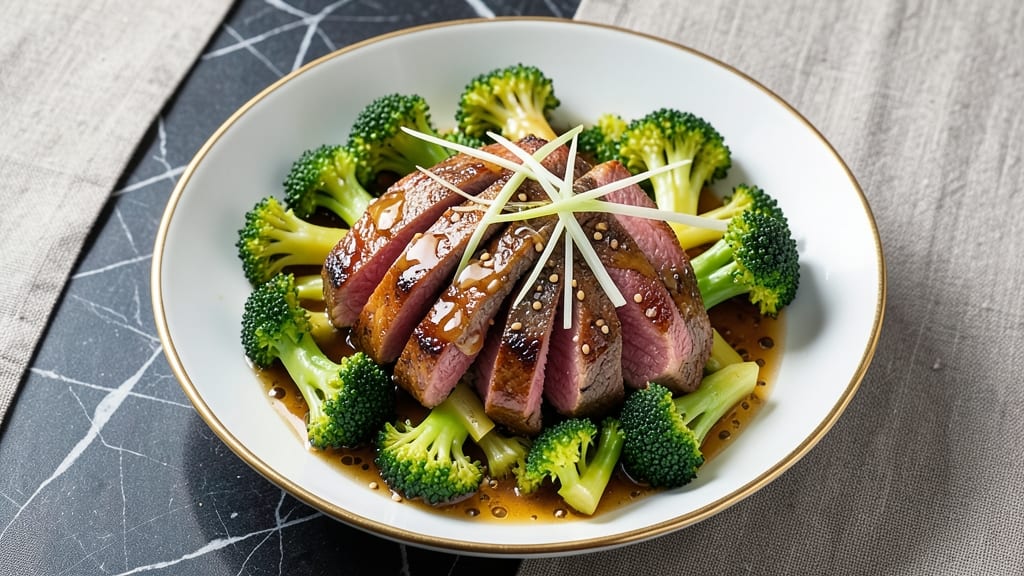
This beef and broccoli recipe delivers restaurant-quality flavors without ginger, using a rich soy-braised sauce that clings to tender beef and crisp-tender broccoli.
The secret lies in balancing salty soy sauce with sweet brown sugar and a touch of citrus zest, creating a silky glaze that enhances the natural wok-hei aroma. I developed this version after realizing many traditional recipes rely too heavily on ginger, which can overpower delicate flavors.
The process begins with searing beef strips until deeply browned, locking in juices before stir-frying broccoli just until it retains its satisfying crunch. A quick sauce made with soy sauce, garlic, and scallions builds the foundation, while a splash of rice vinegar brightens the dish without overpowering.
This method preserves the integrity of both ingredients while delivering that signature Chinese-American restaurant experience at home.
What you'll achieve is a dish where perfectly seared beef remains tender, broccoli stays crisp yet soft, and the sauce achieves that ideal balance of salty, sweet, and umami. The aroma alone will have everyone gathering around the table, and each bite delivers that perfect harmony of textures and flavors.
This version works beautifully as a weeknight dinner or for meal prepping.
The beauty of this recipe lies in its adaptability—swap in gluten-free soy sauce for dietary needs, or add a sprinkle of sesame seeds for extra texture.
The technique ensures you'll get restaurant-quality results without the fuss, making it perfect for both beginners and experienced cooks looking to elevate their takeout favorites.
Ingredients for beef and broccoli recipe no ginger
Restaurant-quality beef and broccoli without ginger—just 14 simple ingredients for silky sauce and perfect texture.
| Ingredient | Amount | Notes |
|---|---|---|
| Flank Steak 🥩 | 1 ½ lb | Thinly sliced against grain |
| Broccoli Florets 🥦 | 2 cups | Medium size, stems peeled |
| Light Soy Sauce 🍶 | ½ cup | Kikkoman preferred for balance |
| Dark Soy Sauce 🍶 | 1 tbsp | For deeper umami flavor |
| Brown Sugar 🍚 | 2 tbsp | Light or dark variety |
| Rice Vinegar 💧 | 1 ½ tbsp | Seasoned preferred |
| Garlic Cloves 🧄 | 4 cloves | Minced for sauce |
| Scallions 🧅 | 3 whole | Thinly sliced, white/green parts |
| Sesame Oil 🫒 | 1 tbsp | Toasted, for aroma |
| Cornstarch 🌾 | 1 tbsp | For sauce thickening |
| Vegetable Oil 🫒 | 2 tbsp | High smoke point |
| Lemon Zest 🍋 | 1 tsp | Brightens flavors |
| Salt 🧂 | 1 tsp | Kosher or sea salt |
| Black Pepper 🌶️ | ½ tsp | Freshly ground |
The flank steak is non-negotiable here—it stays tender when sliced thinly against the grain. Most grocery stores carry pre-sliced versions, but if buying whole, ask the butcher to slice it for you. Costco or Whole Foods often have excellent quality, and look for cuts with good marbling. Broccoli should be vibrant green with tight florets—avoid anything rubbery or yellowing. For the soy sauce, Kikkoman light soy provides that perfect balance between saltiness and sweetness, while dark soy adds depth without overpowering. I always grab extra since it's a pantry staple that keeps indefinitely.
No light soy sauce? Substitute with 1/4 cup coconut aminos plus 1/4 cup water for a gluten-free option. The brown sugar can be swapped for coconut sugar or maple syrup if you're avoiding refined sugar. Fresh garlic and scallions are ideal, but powdered garlic at half the amount works in a pinch. For the sesame oil, Kadoya brand is my go-to—it has the perfect toasted aroma. The cornstarch is crucial for thickening the sauce; if you don't have it, arrowroot powder works 1:1. The lemon zest adds brightness, but if you're out, a splash of lime juice or even a pinch of citric acid will do the trick.
Prep the beef and broccoli right before cooking—they don't reheat well. The sauce can be made ahead and reheated gently on the stove, but add a splash of water if it thickens too much. Store leftovers in an airtight container for up to 3 days in the fridge, though I find it tastes best the first day. For meal prep, portion into containers with a thin layer of sauce to keep everything moist. Freezing isn't recommended as the texture changes, but you can freeze the sauce separately for up to 3 months.
Why You'll Love This Recipe
- Here’s what sold me: the dark soy’s deep umami paired with brown sugar’s gentle sweetness—it’s like a hug in a bowl. The light soy keeps it bright, so it’s never cloying, just ridiculously good.
- One-Pan Magic: I swear by this—just slice the steak thin, toss the broccoli in, and let the soy sauce and brown sugar work their sauce magic. No extra bowls, no fuss, and honestly? That caramelized broccoli edge? Worth every second.
- Sweet-Savory Balance: Here’s what sold me: the dark soy’s deep umami paired with brown sugar’s gentle sweetness—it’s like a hug in a bowl. The light soy keeps it bright, so it’s never cloying, just ridiculously good.
- Lunchbox Hero: Between us, this is my go-to for meal prep. The beef stays tender for days, and the broccoli reheats like it’s fresh. Pack it cold or microwave it—either way, it’s the star of my lunchbox. (Yes, even on a Tuesday night.)
Step-by-step instructions for soy-braised flank steak with broccoli
Transform simple ingredients into restaurant-quality beef and broccoli with this precise braising technique.
Prepare the Flank Steak and Broccoli
Slice the 1.5 lb flank steak thinly against the grain into ¼-inch thick strips. This ensures tender bites—don't skip this step. Pat the slices dry with paper towels to promote browning. In a large bowl, toss the steak with 1 tsp salt, 0.5 tsp black pepper, and 1 tbsp cornstarch, coating evenly. The cornstarch will help thicken the sauce later.
Peel and trim the stems from the 2 cups broccoli florets, reserving the florets only. Blanch the broccoli in boiling water for 1 minute, then immediately plunge into ice water to stop cooking. This preserves vibrant color and crisp texture. Drain well and set aside.
Sear the Beef for Maximum Flavor
Heat 2 tbsp vegetable oil in a large skillet over medium-high heat until shimmering. Add half the steak strips in a single layer and sear undisturbed for 1-2 minutes until deeply browned on one side. Flip and sear the other side for 30 seconds. Transfer to a plate and repeat with remaining steak. The beef should be caramelized but still slightly pink inside—it'll finish cooking in the sauce.
Remove the skillet from heat and carefully pour out all but 1 tablespoon of the rendered fat. Wipe the pan clean with paper towels—this ensures your sauce starts with a clean base. Return the skillet to medium heat and add 2 tbsp brown sugar, stirring until it melts and turns golden.
Build the Sauce Foundation
Add 4 cloves minced garlic and 3 whole scallions (sliced) to the skillet, cooking for 30 seconds until fragrant but not browned. Pour in 0.5 cup light soy sauce, 1 tbsp dark soy sauce, and 1.5 tbsp rice vinegar. Bring to a gentle simmer, stirring constantly for 2 minutes until the sauce slightly reduces and thickens.
Return the seared beef to the skillet, spooning the sauce over the top. Add 1 tsp lemon zest and 1 tbsp toasted sesame oil, mixing gently to combine. The sauce should coat the beef evenly. Cover the skillet and reduce heat to low, allowing the beef to braise for 8-10 minutes until tender but still holding its shape.
Finish with Crisp Broccoli and Silky Sauce
Add the blanched broccoli florets to the skillet, tossing gently to coat in the sauce. Increase heat to medium and cook uncovered for 2-3 minutes until the broccoli is heated through and slightly wilted. The sauce should now be glossy and clinging to both beef and vegetables.
For a thicker sauce, mix 1 tbsp cornstarch with 2 tablespoons water and stir into the skillet. Simmer for 1 minute until the sauce reaches your desired consistency—it should coat the back of a spoon but remain silky, not gluey. Taste and adjust seasoning with additional soy sauce or salt if needed.
Serve Immediately Over Steamed Rice
Transfer the beef and broccoli to a serving platter, spooning any remaining sauce over the top. Garnish with extra scallions if desired. Serve immediately over steamed jasmine rice to soak up the rich, umami-packed sauce. The beef should be tender with a slight chew, the broccoli crisp yet tender, and the sauce perfectly balanced between sweet, salty, and tangy.
Pro Tips For Making Beef And Broccoli Recipe No Ginger
- Slice Against the Grain: Flank steak’s tough fibers run parallel to the grain—cutting perpendicular makes every bite tender. Use a sharp knife and slice at a 45-degree angle for wider, more dramatic strips that cook faster and stay juicy.
- Salt the Broccoli First: Toss florets in 1 teaspoon of salt and let them sit for 10 minutes before cooking. This draws out bitterness and ensures they crisp up instead of turning soggy when hit with the soy-browned beef.
- Don’t Rush the Browning: Let the steak sit in the hot wok for 2 full minutes before touching it. Rushing means uneven cooking and a pale, bland crust—wait for a deep caramelized sear, then flip. (Yes, even if you’re impatient like me.)
- Balance the Sauce Now: Mix your light and dark soy sauces (1:1 ratio) before adding brown sugar—otherwise, you’ll end up with clumpy, uneven sweetness. Taste as you go: the sauce should taste like it’s missing something, not like syrup.
Pro cooking tips for this recipe
High-Heat Searing Secrets
Your skillet must be screaming hot before adding beef—medium-high heat until oil shimmers like a desert mirage. I use a 12-inch cast iron skillet from Lodge because it retains heat perfectly. Crowd the beef slightly in the pan to maximize browning, but don't overfill—this prevents proper searing.
The Maillard reaction happens fastest at 375°F, so keep heat steady. If your pan isn't hot enough, the beef will steam instead of caramelize. 🔥
Blanching Broccoli
This one-minute blanch in boiling water followed by ice bath is non-negotiable for texture. The shock treatment stops cooking instantly, preserving that satisfying crunch. Use a fine-mesh strainer to drain thoroughly—wet broccoli will steam in your sauce instead of absorbing flavors.
I like to prep broccoli while the beef sears to save time. Pro tip: Reserve the blanching water for soup stock—it's packed with flavor! ❄️
Sauce Thickening Hacks
The cornstarch slurry is your secret weapon for silky sauce. Mix it with cold water first to prevent clumping, then whisk vigorously into the simmering sauce. For extra shine, add 1 tsp xanthan gum to the sauce base—it creates that restaurant-quality gloss without altering texture.
If your sauce gets too thick, thin with 1 tsp water at a time. The sauce should coat the back of a spoon but still be pourable. 💫
Beef Doneness Test
Use a meat thermometer for perfect doneness—145°F internal temperature is ideal for flank steak. The beef should be tender but still have a slight chew. If it's overcooked, the sauce will dry out.
I like to slice one piece to test—it should be juicy with just a hint of pink center. For extra tenderness, let the beef rest for 5 minutes before serving. This resting period also lets juices redistribute. 💡
Wok-Hei Flavor Boost
To capture that signature wok-hei aroma, finish cooking over high heat for the last 30 seconds. This creates steam that carries flavors throughout your kitchen. Add ½ tsp smoked paprika to the sauce for depth if you're missing that smoky note.
The key is speed—keep everything moving in the pan. This technique works best with a well-seasoned wok or cast iron skillet. 🌶️
Make-Ahead Sauce
Make the sauce up to 2 days ahead and store in an airtight container in the fridge. Reheat gently on the stove with 1 tbsp water to prevent thickening. The flavors actually improve as the soy and vinegar meld.
I like to reheat the sauce separately and toss with fresh beef and broccoli for the best texture. For freezing, portion into ice cube trays—thawed cubes make perfect sauce additions to other dishes. ⏰
Nutrition facts
Frequently asked questions
Can I substitute flank steak with another cut?
Yes! Flank steak is ideal for its tenderness when sliced thinly, but you can use sirloin, ribeye, or even chicken thighs in a pinch. For chicken, increase cooking time to 12-15 minutes to ensure tenderness. Ribeye will stay juicier but may be slightly fattier—trim excess fat before cooking.
Why does my sauce turn out too salty?
Over-salting usually happens when using both light and dark soy sauce. Start with ¼ cup light soy and 1 tsp dark soy—dark soy is much saltier. Taste as you go! If needed, balance with 1 tsp brown sugar or a splash of rice vinegar to brighten flavors. Always reduce sauces gradually to concentrate flavors.
How do I make this gluten-free?
Replace the soy sauces with ½ cup coconut aminos (for light soy) and 1 tbsp gluten-free tamari (for dark soy). Add 1 tsp xanthan gum to the sauce for that signature gloss. For extra umami, stir in 1 tbsp nutritional yeast or a dash of fish sauce. Test seasoning carefully—coconut aminos are less salty.
Can I use frozen broccoli instead of fresh?
Fresh broccoli gives the best texture, but frozen works in a bind. Thaw and drain completely, then steam for 2 minutes before adding to the pan. Skip the blanching step—frozen broccoli is already pre-cooked. For extra crunch, add 1 tsp cornstarch to the florets before stir-frying.
What's the best way to reheat leftovers?
Reheat gently in a skillet over low heat with 1 tbsp water to prevent drying. Avoid microwaving—it makes the sauce watery. For extra shine, finish with ½ tsp toasted sesame oil. Store leftovers in an airtight container for up to 3 days. The beef stays tender, but broccoli may soften further.