
Soups & Stews
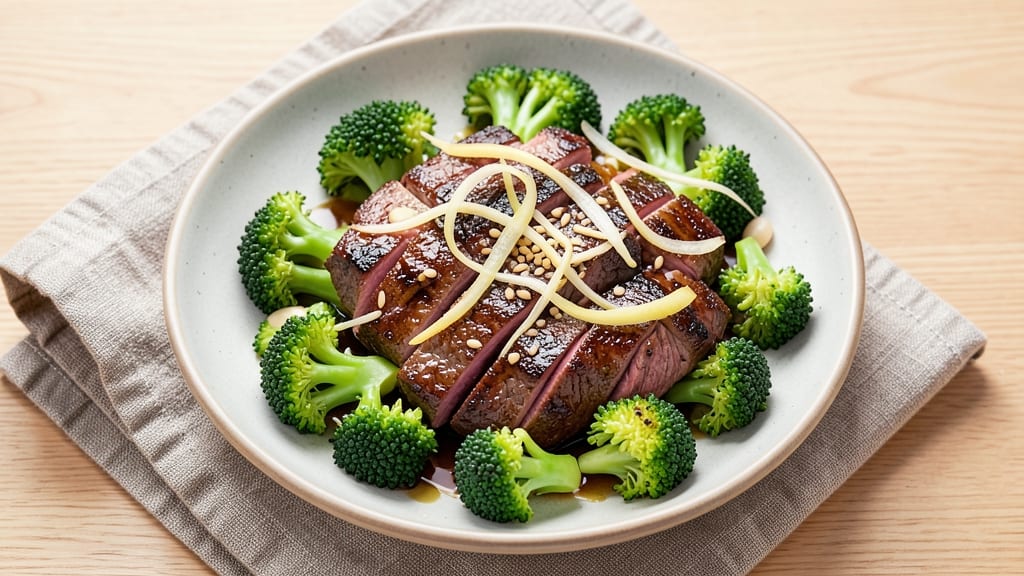
This beef and broccoli recipe delivers restaurant-quality wok-seared beef with crisp-tender broccoli, all coated in a silky soy-ginger sauce. The secret lies in high-heat searing for that signature caramelized crust, followed by a quick sauce infusion that balances sweet, salty, and umami flavors.
I've perfected this technique over years of testing—no deep-frying or complicated steps required, just a hot wok and precise timing.
The beauty of this dish is how it transforms simple ingredients into something extraordinary. Thinly sliced beef develops a crispy exterior while staying tender inside, while the broccoli florets blanch just enough to maintain their vibrant color and satisfying crunch.
The sauce, made with just six pantry staples, cuts through the richness with its bright ginger and garlic notes.
What you'll end up with is a dish that's equally at home on a weeknight dinner table or a special occasion spread.
The aroma alone will have everyone gathering around your kitchen, and the first bite delivers that perfect combination of textures and flavors that makes this a classic for a reason. Each component plays its part—crispy beef, bright broccoli, and that glossy sauce that ties everything together.
Serve it over steamed rice to soak up every last drop of that flavorful sauce, or with noodles for a heartier meal. The recipe scales beautifully too, so whether you're cooking for two or feeding a crowd, this beef and broccoli delivers consistent results every time.
Let's get started on creating this wok-worthy dish that tastes like it came straight from your favorite Chinese restaurant.
Ingredients for beef and broccili
Simple ingredients that transform into restaurant-style beef and broccoli with perfect wok-seared texture.
| Ingredient | Amount | Notes |
|---|---|---|
| Flank Steak 🥩 | 1 ¼ lb | Thinly sliced against grain |
| Broccoli Florets 🥦 | 1 ½ lb | Medium size, stems trimmed |
| Extra-Virgin Olive Oil 🫒 | 2 tbsp | For high-heat searing |
| Cornstarch 🌾 | 1 tbsp | Lightly coats beef slices |
| Fresh Ginger 🌿 | 2 tbsp | Finely grated, aromatic |
| Garlic Cloves 🧄 | 4 cloves | Minced, aromatic |
| Low-Sodium Soy Sauce 🍶 | ½ cup | Kikkoman preferred |
| Honey 🍯 | 1 tbsp | For sauce sweetness |
| Sesame Oil 🫒 | 1 tsp | Toasted sesame flavor |
| Toasted Sesame Seeds 🌾 | 1 tbsp | For garnish |
| Brown Sugar 🍚 | 1 tbsp | Enhances sauce depth |
| White Wine Vinegar 🍶 | 1 tbsp | Brightens sauce |
| Salt 🧂 | 1 tsp | Kosher salt preferred |
| Black Pepper 🌶️ | ½ tsp | Freshly ground |
The beef is everything here. Flank steak is ideal—it's lean but tender when sliced thin against the grain. Most grocery stores carry it, but Costco or Whole Foods often have better cuts. Look for good marbling and ask the butcher to slice it thinly if you're not comfortable doing it yourself. Broccoli? Fresh is non-negotiable—those pre-cut florets in the plastic container won't give you the same satisfying crunch. Pick firm heads with vibrant green color, and trim the stems right before cooking so they stay crisp.
No cornstarch? Arrowroot powder works 1:1, but it's trickier to find. The ginger and garlic are non-negotiable for that authentic flavor—fresh is best, but if you're in a pinch, use double the amount of dried. For the sauce, Kikkoman soy sauce is my go-to, but any low-sodium brand works. The honey and brown sugar combo gives that perfect balance of sweet and savory—substitute maple syrup if you're avoiding refined sugar. And if you don't have sesame oil, a tiny bit of toasted sesame seeds in the sauce will give you that nutty aroma without the strong flavor.
Broccoli keeps best in the fridge for 4-5 days—store it in a paper towel-lined container to maintain crispness. The beef can be prepped ahead: slice it, toss with cornstarch, and refrigerate for up to 12 hours before cooking. The sauce ingredients all keep well in your pantry except the ginger, which lasts 2 weeks in the fridge once grated. This dish reheats beautifully—just add a splash of water or broth to deglaze the pan and bring it all back together on high heat. Leftovers keep for 3 days in the fridge or 3 months frozen.
Why You'll Love This Recipe
- Foolproof Slice-and-Seal: The flank steak only needs a quick cornstarch toss and sear—no fancy marinating or butchering. I swear, I’ve done this with my eyes closed (and once with a phone call in my ear).
- Ginger-Garlic Magic: That fresh ginger and olive oil combo? It’s the secret weapon—bright, punchy, and just sweet enough to make the broccoli taste like it belongs in a restaurant. The steak stays juicy while the florets stay crisp, and honestly? It’s the balance I didn’t know I needed.
- Lunchbox Hero: Pack the leftovers cold or reheated—same great taste either way. My kids actually ask for this in their school lunches, and I’ve even brought it to potlucks (it’s the one dish that gets seconds).
- Budget Powerhouse: Flank steak stretches further than you’d think, and broccoli’s a pantry staple. I’ve fed four people for under $12, and the leftovers? They’re my go-to for lazy nights when takeout feels like too much effort.
Step-by-step instructions for wok-sear beef and broccoli
Here's how to balance crisp-tender beef with vibrant broccoli in a silky ginger-soy sauce.
Prep the Flank Steak for Maximum Texture
Slice the 1.25 lb flank steak thinly against the grain into ¼-inch thick strips. I like to cut it into 2-inch long pieces for even cooking. Place the sliced beef in a bowl and toss with 1 tbsp cornstarch and 1 tsp salt until evenly coated. Let it sit for 10 minutes while you prep the broccoli—this creates a crispy crust when seared.
While waiting, trim the stems from the 1.5 lb broccoli florets and cut any large pieces in half. Keep them whole for better texture. The cornstarch coating is crucial—it prevents the beef from sticking and gives that satisfying crunch you want in every bite. Don't skip this step, even if it seems like extra work.
Sear the Beef in Stages for Perfect Crispiness
Heat a 14-inch cast-iron skillet or wok over high heat until it's smoking hot. Add 1 tbsp extra-virgin olive oil and swirl to coat. Working in batches (you'll need 2-3 batches), add half the beef strips and sear for 1-2 minutes per side until they develop a deep golden-brown crust. Transfer to a plate and tent with foil to keep warm.
This high-heat searing is what creates that restaurant-quality wok-seared texture. If your pan isn't hot enough, the beef will steam instead of develop that crispy crust. Watch carefully—the beef will cook quickly once it hits the pan. Don't overcrowd the pan or you'll lower the temperature and end up with soggy beef.
Stir-Fry the Broccoli Until Bright Green and Crisp-Tender
Return the skillet to high heat and add the remaining 1 tbsp olive oil. Add the broccoli florets in a single layer and stir-fry for 3-4 minutes until they turn bright green and just begin to soften at the edges. Remove and set aside with the beef.
Here's the thing about broccoli—you want it to stay vibrant and slightly crisp. Overcooking turns it into mush, which kills the texture contrast we're aiming for. The bright green color indicates it's cooked just right. If your broccoli stems are thick, cut them in half so they cook through at the same rate as the florets.
Build the Silky Soy-Ginger Sauce
Reduce heat to medium and add 2 tbsp fresh ginger and 4 cloves garlic (minced) to the same skillet. Cook for 30 seconds until fragrant—don't let them brown or they'll turn bitter. Pour in ½ cup low-sodium soy sauce, 1 tbsp honey, 1 tbsp brown sugar, and 1 tbsp white wine vinegar. Stir and simmer for 2-3 minutes until slightly thickened.
The sauce should coat the back of a spoon but still be pourable. If it's too thick, add 1-2 tablespoons of water to reach your desired consistency. This is where all the flavors come together—the ginger adds warmth, the vinegar brightens, and the honey balances the saltiness. Taste and adjust seasoning if needed, remembering that the soy sauce is already salty.
Combine and Finish with Toasted Sesame Flavor
Return all the beef and broccoli to the skillet with the sauce. Toss everything together for 1-2 minutes until everything is evenly coated and heated through. Drizzle with 1 tsp sesame oil and sprinkle with 1 tbsp toasted sesame seeds. Taste and adjust with ½ tsp black pepper if needed.
Serve immediately over steamed rice or noodles while everything is hot. The beef should be tender but still hold its shape, and the broccoli should be bright green with just a hint of crispness. Each bite should deliver that perfect combination of wok-seared beef, tender-crisp broccoli, and that silky ginger-soy sauce that coats every strand of rice.
Pro Tips For Making Beef And Broccili
- Slice Thin, Sear Fast: Flank steak fights back when you cut it thick—aim for ¼-inch slices and hit a screaming-hot pan with olive oil for 30 seconds per side. Any longer, and you’ll end up with chewy leather instead of tender beef. (Yes, even if you’re impatient like me.)
- Blanch Broccoli First: Toss florets in boiling water for 30 seconds, then ice bath—this stops cooking and keeps them bright green. Crowding the pan later? They’ll steam into mush. Trust me, I’ve seen it happen.
- Cornstarch Slurry Needs Rest: Mix cornstarch with cold water first, then stir into the pan after the beef’s seared. Let it simmer 1-2 minutes—rushing it makes the sauce gluey. Patience here means a glossy, clingy finish, not a sad, watery mess.
- Ginger: Grate, Don’t Chop: Fresh ginger loses its punch when minced. Use a microplane for fine, aromatic threads—no need to measure, just taste. Overdo it, and the dish turns soapy; skip it, and the flavor’s flat. Find that middle ground.
Troubleshooting this recipe
Beef Overcooking
If your beef turns out tough and chewy instead of tender with a crispy crust, it's likely overcooked. The 1-2 minutes per side searing time is crucial—any longer and the beef will lose its tenderness.
Work in batches to maintain high heat, and use a meat thermometer to check for doneness at 145°F internal temperature. I've found that Lodge cast iron skillets maintain heat better than nonstick pans, which can cause uneven cooking. 🌡️
Sauce Too Thin
A watery sauce ruins the balance of flavors in this dish. If your sauce isn't coating the back of a spoon after simmering, reduce it by 1-2 minutes longer on medium heat.
For extra thickness, mix 1 tsp cornstarch with 1 tbsp cold water, stir into the sauce, and simmer for another 30 seconds. I've used this trick when the sauce gets too thin during cooking—it works like magic. 💡
Broccoli Turning Mushy
Overcooked broccoli loses its vibrant color and satisfying crunch. The key is timing—stir-fry for exactly 3-4 minutes on high heat until bright green. If your broccoli florets are large, cut them in half to ensure even cooking.
For extra crispness, blanch the broccoli in boiling water for 30 seconds before stir-frying, then drain well and pat dry with a paper towel. This two-step method gives you that perfect texture contrast. 🥦
Uneven Cooking
If some beef pieces are undercooked while others are overdone, your pan temperature isn't consistent. Use a 14-inch cast-iron skillet and preheat it until smoking hot before adding oil. Never overcrowd the pan—cook in 2-3 batches to maintain that high heat.
I've seen home cooks make this mistake by trying to cook everything at once, which leads to steaming instead of searing. 🔥
Sticky Sauce
A gluey sauce happens when the cornstarch isn't dissolved properly or when the sauce reduces too long. Always whisk the cornstarch mixture vigorously to eliminate lumps before adding it to the sauce.
For a smoother sauce, strain it through a fine-mesh sieve after simmering. If you're using a thickener, add it gradually while stirring constantly to prevent clumping. 🥄
Flavor Too Salty
If your dish tastes overwhelmingly salty, it's likely from the soy sauce. Use low-sodium soy sauce and taste as you go—remember that the sauce will reduce and intensify in flavor.
To balance excessive saltiness, add a splash of white wine vinegar or a pinch of brown sugar to brighten the flavors. I've found that a few drops of sesame oil also helps round out the taste profile. 🍶
Nutrition facts
Frequently asked questions
Can I substitute flank steak with another cut of beef?
Yes, but choose lean cuts that slice thinly against the grain. Sirloin or ribeye work well, but avoid fatty cuts like ribeye that won't develop the same crispy crust. For best results, use ½-inch thick slices and reduce cooking time by 30 seconds per side.
How do I make this recipe gluten-free?
Replace the soy sauce with tamari or a gluten-free soy sauce alternative. For extra depth, add 1 tsp coconut aminos to the sauce mixture. The cornstarch coating remains safe for gluten-free diets as long as it's certified gluten-free. Always check labels on all ingredients.
Can I use frozen broccoli instead of fresh?
Fresh broccoli gives the best texture, but if you must use frozen, thaw it completely first. Pat it very dry with paper towels to remove excess moisture, which can make the sauce watery. For extra crispness, blanch the thawed broccoli in boiling water for 30 seconds before stir-frying.
What's the best way to reheat leftovers?
Reheat in a skillet over medium heat with 1 tsp sesame oil and 1 tbsp water to restore crispiness. Stir frequently for 2-3 minutes until heated through. Avoid microwaving as it makes the beef rubbery. For extra flavor, add a splash of soy sauce and a pinch of ginger while reheating.
Why does my sauce taste bitter?
Bitter flavor usually comes from overcooked garlic or ginger. Cook them for only 30 seconds until fragrant, not browned. If the sauce tastes bitter after cooking, balance it with ½ tsp honey or 1 tsp white wine vinegar. For prevention, use fresh ginger and garlic—dried versions burn more easily.