
Soups & Stews
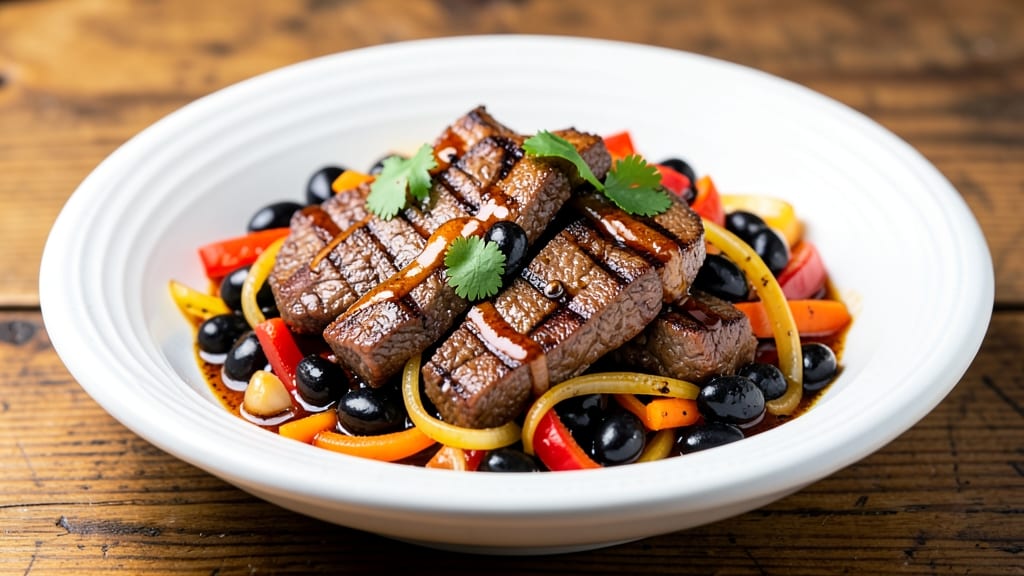
This beef and bean stir fry delivers restaurant-quality flavor with a perfect balance of tender beef, hearty beans, and aromatic vegetables. The secret lies in high-heat searing and a savory soy-ginger sauce that transforms simple ingredients into a protein-packed power bowl.
I've perfected this technique over countless weeknight dinners—it's become my go-to for quick, satisfying meals that feed a crowd without the fuss.
The recipe begins with thinly sliced beef that develops a beautiful caramelized crust when seared quickly in a hot skillet. Black beans and colorful bell peppers join later, absorbing the rich, umami-packed sauce while maintaining their texture.
What sets this apart is the layered flavor profile: salty from soy sauce, sweet from honey, and bright from fresh ginger and garlic. The result is a dish that's both comforting and vibrant, with every bite delivering protein, fiber, and complex taste.
By the time you serve this stir fry, you'll have a fragrant, flavorful bowl that's ready in under 30 minutes. The beef remains tender yet firm, the beans add satisfying texture, and the sauce coats everything perfectly.
Serve it over steamed rice for the full experience, or with crusty bread to soak up every last drop of that delicious sauce. This is the kind of meal that transforms a simple weeknight into a satisfying dining experience.
Whether you're meal prepping for the week or feeding hungry guests, this beef and bean stir fry delivers consistent results. The ingredients scale easily, and the technique is straightforward enough for beginners but impressive enough for experienced cooks.
Let's get started on creating this umami-packed power bowl that's sure to become a family favorite.
Ingredients for beef and bean stir fry
Restaurant-quality stir fry starts with these bold ingredients—juicy beef, hearty beans, and aromatic veggies.
| Ingredient | Amount | Notes |
|---|---|---|
| Flank Steak 🥩 | 1 lb | Thinly sliced against grain |
| Black Beans 🌱 | 1 ½ cups | Canned, drained and rinsed |
| Red Bell Pepper 🌶️ | 1 whole | Sliced into thin strips |
| Carrots 🥕 | 2 medium | Julienned into matchsticks |
| Yellow Onion 🧅 | 1 whole | Thinly sliced |
| Garlic Cloves 🧄 | 4 cloves | Minced finely |
| Fresh Ginger 🌿 | 1 tbsp | Grated finely |
| Low-Sodium Soy Sauce 🍶 | ⅓ cup | Or tamari for gluten-free |
| Honey 🍯 | 1 tbsp | For sweet-savory balance |
| Sesame Oil 🫒 | 1 tbsp | Toasted sesame flavor |
| Vegetable Oil 🫒 | 2 tbsp | High smoke point |
| Rice Vinegar 🍶 | 1 tbsp | For brightness |
| Sesame Seeds 🌾 | 1 tbsp | Toasted for garnish |
| Salt 🧂 | 1 tsp | Adjust to taste |
| Black Pepper 🌶️ | ½ tsp | Freshly ground |
The flank steak is non-negotiable here—its lean cut sears beautifully and stays tender. Look for grass-fed options at Whole Foods or your local butcher if you can swing it, but the regular supermarket stuff works too. Slice it thin against the grain (about 1/4-inch thick) for that perfect texture. Costco often has pre-sliced flank steak in the freezer section, which is a total game-changer for weeknights. The black beans? Low-sodium canned is ideal, but if you're using dried, soak them overnight—no shortcuts here. For the bell peppers, grab a mix of colors from the produce section—they're usually cheaper than buying single colors, and the variety adds visual appeal to your dish.
No flank steak? Sirloin or ribeye will work in a pinch, but slice it even thinner. Ran out of sesame oil? Avocado oil or neutral vegetable oil works just fine—just skip the toasted sesame flavor note. The ginger needs to be fresh—no powdered shortcuts—but if you're really in a bind, a tiny pinch of ground ginger (about 1/4 tsp) will get you close. For the soy sauce, low-sodium is key—regular brands can make the dish too salty. No honey? Maple syrup or agave works beautifully. The carrots should be julienned evenly—use a peeler for quick, even strips. And if you're prepping ahead, store the raw beef and veggies separately in airtight containers until ready to cook.
This stir fry reheats like a dream—better the second day as flavors meld. Store components separately in the fridge for up to 4 days, then toss everything together when ready to eat. For freezing, portion the cooked beef and veggies separately (they don't like hanging out together long-term), and keep them for 3 months**. The sauce? Freeze it in ice cube trays—just thaw and reheat. When serving, always garnish with those toasted sesame seeds and a sprinkle of black pepper right before eating. Trust me, it makes all the difference.
Why You'll Love This Recipe
- One-Pan Magic: I swear by this recipe when I’m too tired to scrub three bowls—just toss everything on a hot skillet, let the onions caramelize a little, and boom. That’s it. No extra pots, no fuss, and the black beans soak up all the beefy juices like a dream.
- Umami Bomb: The flank steak gets sliced thin, then seared just enough to stay tender but pack that meaty punch. Add a splash of soy sauce and a pinch of smoked paprika, and suddenly your stir-fry tastes like it simmered for hours—not minutes. My picky-eater husband actually finishes his plate.
- Lunchbox Hero: Between us, this is my go-to for meal prep. Cook a big batch on Sunday, portion it into containers, and you’ve got protein-packed lunches all week. The red bell pepper stays crisp, the carrots hold their bite, and the beans keep things hearty—no sad, soggy leftovers here.
- Budget Powerhouse: Flank steak stretches further than you’d think when sliced against the grain, and black beans turn this into a filling meal without breaking the bank. I’ve fed four people for under $12, and honestly? No one complains about the price when it’s this satisfying.
Step-by-step instructions for beef and bean stir fry
Here's how to create a restaurant-quality stir fry with perfectly tender beef and vibrant vegetables.
Prepare the Flank Steak for Maximum Tenderness
Begin by slicing the 1 lb flank steak thinly against the grain into ¼-inch thick slices. This is crucial—cutting against the grain shortens the muscle fibers, resulting in fork-tender beef. I like to use a sharp knife and work methodically to maintain even thickness throughout.
Place the sliced steak in a bowl and season generously with 1 tsp salt and 0.5 tsp black pepper. Let it sit at room temperature for 15 minutes while you prep the vegetables. This resting period ensures even cooking and prevents the steak from releasing juices too quickly when it hits the hot pan.
Sear the Beef to Develop Deep Flavor
Heat 2 tbsp vegetable oil in a large, heavy-bottomed skillet or wok over high heat until shimmering. Add the seasoned steak slices in a single layer, being careful not to overcrowd the pan. Cook undisturbed for 1-2 minutes per side until the edges are deep golden brown and the steak is cooked to your preferred doneness.
Here's the thing—don't move the steak around too much. Let it develop that beautiful crust. Once the steak is cooked, remove it from the pan and set it aside on a plate. You'll return it later to absorb all those amazing flavors you're about to create.
Stir-Fry the Vegetables with Aromatics
In the same pan (no need to wipe it clean—those browned bits are flavor gold), add 1 tbsp vegetable oil if needed. Add the 1 whole yellow onion and 2 medium carrots (julienned), cooking for 3-4 minutes until the onions soften and carrots begin to caramelize slightly.
Add the 1 whole red bell pepper (sliced) and 4 cloves garlic cloves (minced), along with 1 tbsp fresh ginger (grated). Stir-fry for another 2-3 minutes until the garlic is fragrant and the peppers begin to soften. You want the vegetables to retain some crunch—don't overcook them. Add the 1.5 cups black beans at this stage and stir for 1 minute to heat through.
Build the Umami-Packed Sauce
Pour in the 0.33 cup low-sodium soy sauce, 1 tbsp honey, and 1 tbsp rice vinegar. Stir well to combine, letting the sauce simmer for 1-2 minutes until it begins to thicken slightly. The honey will caramelize a bit, adding natural sweetness that balances the savory soy sauce.
Return the cooked steak to the pan and toss everything together for 1-2 minutes until the steak is evenly coated with the sauce. Here's where it gets good—add the 1 tbsp sesame oil and toss again. The sesame oil adds depth and richness that takes this dish to the next level. Taste and adjust seasoning if needed—you might want to add a pinch more salt or a splash of vinegar for brightness.
Finish and Garnish for Presentation
Remove the stir fry from heat and transfer to serving bowls. Garnish each serving with 1 tbsp sesame seeds (lightly toasted in a dry pan for 30 seconds until fragrant). The toasted sesame seeds add texture and visual appeal that makes this dish look like it came straight from a high-end restaurant.
Serve immediately while the steak is still warm and the vegetables retain their vibrant colors. Each bite should deliver perfectly tender beef, crisp-tender vegetables, and a sauce that's perfectly balanced between sweet, salty, and tangy. This is the kind of dish that gets better the second day—just make sure you have leftovers!
Pro Tips For Making Beef And Bean Stir Fry
- Slice Steak Against the Grain: Flank steak’s tough fibers run lengthwise—cutting perpendicularly shortens them, making every bite tender. Use a sharp knife and freeze the meat for 10 minutes first if it’s stubborn; it’ll slice like butter. (Yes, even if you’re impatient like me.)
- Prep Beans for Texture: Drain and rinse canned black beans, but don’t skip the final step: pat them very dry with a towel. Wet beans release too much liquid and turn your stir-fry into soup. I learned this the hard way—my first batch was soggy, and no one wants mushy beans in a dish that should be bright and chewy.
- Cook Onions First, Low and Slow: Start onions in the pan at medium heat, not high. They need 3–4 minutes to soften without burning before adding peppers and carrots. I used to rush this, and the whole dish ended up tasting bitter. (Your future self will thank you for the patience.)
- Deglaze with a Splash of Vinegar: After removing the steak, toss in 1 tablespoon of rice vinegar or lemon juice while the pan’s still hot. It cuts through the richness of the beef and brightens the beans—no extra sauce needed. Sounds weird, but it works: the acid balances the dish without overpowering it.
Serving suggestions for this beef and bean stir fry
Rice Pairings
Steamed jasmine rice is my go-to base for this stir fry—its delicate floral notes complement the umami sauce beautifully. Cook 1.5 cups uncooked rice with 2 cups water for perfectly fluffy grains. For extra richness, try brown rice—it adds fiber and nutty depth.
I like to cook it separately and mix in a splash of the stir fry sauce at the end for extra flavor infusion. 🍚
Bread Sides
Crusty baguette slices toasted with garlic butter make an excellent companion. Brush ½ cup melted butter with 2 minced garlic cloves and 1 tsp dried parsley, then toast until golden.
Alternatively, serve with steamed mantou buns—their soft texture soaks up the sauce perfectly. For a lighter option, try rice crackers sprinkled on top for crunch.
Protein Additions
Boost the protein with soft-boiled eggs or crispy tofu cubes—both add satisfying texture. For eggs, cook 4 eggs for 6 minutes in boiling water, then peel and slice. Toss them in at the end with the stir fry for a silky finish.
For tofu, press 1 block firm tofu for 30 minutes, cube, and pan-fry until golden before adding to the stir fry. 🍳
Fresh Garnishes
Brighten the dish with thinly sliced scallions or cilantro leaves—both add freshness. For heat lovers, sprinkle with chili crisp (about 1 tsp). I also love adding mandarin orange segments for a sweet-tart contrast that cuts through the richness.
Even a simple squeeze of lime wedges on the side elevates the dish instantly.
Dipping Sauces
Serve with sriracha mayo—mix 2 tbsp mayo with 1 tsp sriracha and a pinch of salt. For something lighter, try ginger-soy dipping sauce by whisking 2 tbsp soy sauce, 1 tsp grated ginger, and 1 tsp honey**. These sauces let everyone customize their experience. 🥄
Nutrition facts
Frequently asked questions
Can I use ground beef instead of flank steak?
Ground beef works beautifully for this stir fry—just use 1 lb lean ground beef (90% lean or better). Brown it first in the pan until no longer pink, then drain excess fat before adding the vegetables. The texture will be slightly different but still delicious. For extra flavor, add 1 tsp smoked paprika when browning the beef.
How do I prevent the beef from getting chewy?
Slice the beef thin against the grain (about 1/4-inch thick) and cook it at high heat for only 1-2 minutes per side. Never overcrowd the pan—work in batches if needed. Let the beef rest for 5 minutes after cooking before adding to the stir fry to redistribute juices. This ensures tender, fork-tender results every time.
Can I make this stir fry ahead of time?
Yes! Store cooked components separately in airtight containers for up to 4 days. Reheat the beef and vegetables separately over medium heat, then combine with the sauce just before serving. For best texture, add fresh sesame seeds and a squeeze of lime when reheating. The sauce reheats well too—just warm it gently and adjust seasoning as needed.
What if I don't have sesame oil?
Don't worry—use 1 tbsp neutral oil (like vegetable or avocado oil) instead and skip the toasted sesame flavor. The dish will still taste amazing! For extra depth, add 1/2 tsp toasted sesame seeds directly to the sauce at the end. If you have peanut butter, a tiny pinch (about 1/4 tsp) in the sauce adds richness without overpowering.
How can I make this dish spicier?
Add 1 tsp chili flakes or 1 tbsp gochujang (Korean chili paste) to the sauce for heat. For fresh heat, stir in 1 minced Thai chili or 1/2 tsp cayenne pepper when combining the sauce. Always taste first—you can adjust more later if needed. For smoky heat, add 1/2 tsp smoked paprika to the beef while searing.