
Soups & Stews
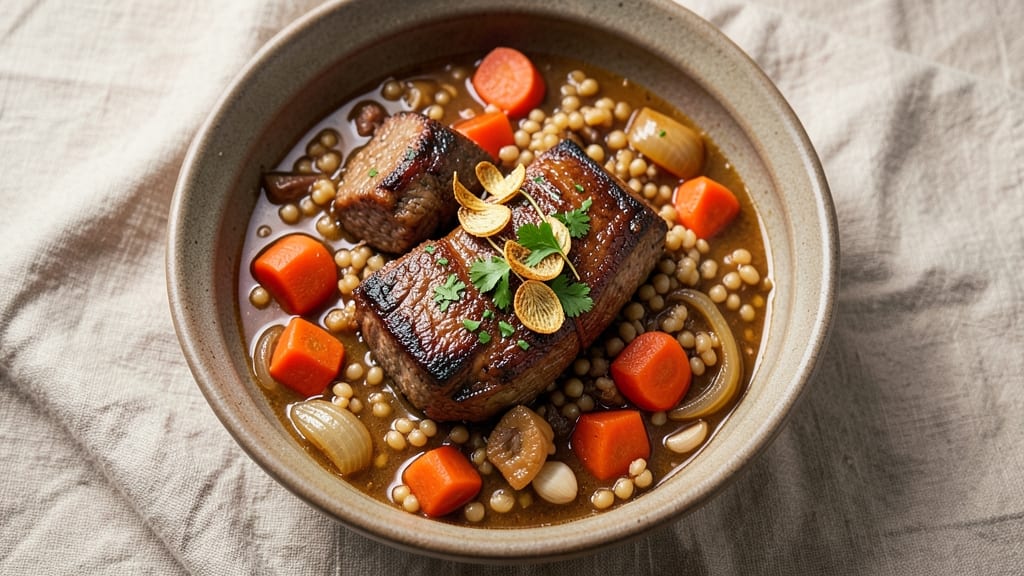
This beef and barley stew recipe transforms tough cuts of beef into melt-in-your-mouth tenderness with a deep, aromatic broth that simmers to perfection on the stove top.
The secret lies in slow cooking—where seared beef releases its natural juices into a rich, savory sauce infused with pearl barley, carrots, and herbs. I’ve perfected this method over years of testing, ensuring every bite delivers that restaurant-quality depth without requiring fancy equipment.
What sets this stew apart is the balance of textures and flavors: tender beef, chewy barley, and caramelized vegetables all working together in one pot. The key steps—browning the meat, deglazing the pan, and simmering low and slow—build layers of flavor that transform simple ingredients into something extraordinary.
No pressure cooker? No problem. This recipe delivers the same rich results with just a stovetop and patience.
By the time you serve this stew, your kitchen will smell like a cozy winter evening, and your guests will be asking for seconds. The barley soaks up the broth, creating a hearty, satisfying bite, while the beef remains fork-tender.
It’s the kind of meal that feels like a hug in a bowl—perfect for chilly nights or gathering loved ones around the table.
Serve with crusty bread to soak up every last drop of that flavorful broth, or pair it with roasted root vegetables for a complete, comforting dinner. The beauty of this recipe is its versatility—it’s hearty enough for a family dinner but simple enough for a weeknight meal. Let’s get simmering.
Ingredients for beef and barley stew recipe stove top
Here's what you need for a rich, hearty beef and barley stew that simmers to perfection.
| Ingredient | Amount | Notes |
|---|---|---|
| Chuck Roast 🥩 | 2 lb | Cut into 1-inch cubes |
| Pearl Barley 🌾 | 1 cup | Rinsed before cooking |
| Yellow Onion 🧅 | 1 whole | Diced into small pieces |
| Carrots | 4 medium | Peeled and sliced into rounds |
| Garlic Cloves 🧄 | 4 cloves | Minced for depth of flavor |
| Beef Broth 💧 | 4 cups | Low-sodium preferred |
| Tomato Paste 🍅 | 2 tbsp | For rich umami depth |
| Dry Red Wine 🍷 | 1 cup | Bold variety like Cabernet |
| Fresh Thyme 🌿 | 2 sprigs | Or 1 tsp dried thyme |
| Fresh Rosemary 🌿 | 1 sprig | For aromatic depth |
| Olive Oil 🫒 | 2 tbsp | For searing beef |
| Salt 🧂 | 1 ½ tsp | Kosher salt preferred |
| Black Pepper 🌶️ | 1 tsp | Freshly ground |
| Bay Leaves 🍃 | 2 whole | For subtle earthiness |
The chuck roast is non-negotiable—its marbling ensures tender, flavorful beef. Costco or Whole Foods carry excellent cuts, or ask your butcher for well-marbled chuck. Look for pieces with good fat distribution, which melts into the stew. Pearl barley is key here; it holds its shape better than other varieties. Bob's Red Mill or Quaker are reliable brands. Fresh herbs elevate the dish, so grab thyme and rosemary from the grocery store's produce section—avoid dried unless absolutely necessary, as fresh adds a vibrant aroma.
No red wine? Beef broth with a splash of balsamic vinegar works perfectly. Carrots can be swapped for parsnips or sweet potatoes for variation. The tomato paste is essential for depth, but if you're out, a handful of sun-dried tomatoes chopped fine will do. For the barley, if you can't find pearl, wild rice or farro work well too. The beef broth should be low-sodium—Kitchen Basics or Pacific Foods are solid choices. And if you're short on time, pre-minced garlic from the jar saves steps without sacrificing flavor.
This stew tastes even better the next day as flavors meld. Store in an airtight container in the fridge for up to 5 days, or freeze for 3 months. For reheating, add a splash of broth or water to prevent drying. I like to make a double batch—it reheats beautifully for quick lunches. The barley softens as it sits, soaking up all that rich beef flavor. If you're serving a crowd, double the recipe—it's that good.
Why You'll Love This Recipe
- One-Pot Magic: I swear by this—just dump everything in one pot, walk away, and come back to something that smells like home. No fancy techniques, no extra dishes. The barley softens while the beef tenderizes; it’s the kind of meal that makes me feel like I’ve earned my dinner.
- Deep Umami Bomb: That chuck roast, slow-simmered until it’s falling apart? Chef’s kiss. The onions caramelize into sweetness, the garlic cloves mellow into warmth, and the barley soaks up all the rich, savory juices—like a hug in a bowl. (Yes, even on a Tuesday night.)
- Leftovers That Shine: This stew actually improves the next day. The flavors meld overnight, and reheating it? Zero effort. I make a double batch on Sundays, freeze half, and still have hearty lunches for days—no sad, dry reheats here.
- Budget Feast: A single chuck roast feeds four for under $15. The barley stretches the meal, the carrots add crunch without cost, and you’re left with a dish that feels fancy but costs next to nothing. Honestly, it’s the kind of recipe that makes me question why I ever order takeout.
Step-by-step instructions for beef and barley stew
A hearty stew begins with proper technique—follow these steps to build rich, layered flavor.
Sear the Chuck Roast for Deep Flavor
Heat a heavy Dutch oven over medium-high heat until hot. Add the 2 tablespoons olive oil and swirl to coat the bottom. Working in batches if needed, add the 2 lb chuck roast cut into 1-inch cubes—don't overcrowd the pan. Let each piece sear undisturbed for 3-4 minutes until deeply browned on all sides. This step develops the Maillard reaction, which creates that deep, caramelized flavor.
Transfer the browned beef to a plate as you work. If the oil starts smoking before all pieces are seared, reduce the heat slightly. You're aiming for a golden crust—this is the foundation of your stew's richness. Once all beef is browned, return it to the pot and set aside temporarily.
Build the Aromatic Base
In the same Dutch oven, add the 1 whole yellow onion diced into small pieces and cook for 5 minutes until softened and beginning to caramelize. Stir occasionally to prevent burning. Add the 4 medium carrots sliced into rounds and cook for another 3 minutes, stirring frequently to ensure even browning.
Next, add the 4 cloves garlic cloves minced for depth of flavor and cook for 30 seconds until fragrant. Here's the thing—don't let the garlic burn. Watch it closely; it goes from aromatic to bitter in seconds. Add the 2 tablespoons tomato paste and stir to coat the vegetables, allowing it to toast slightly for 1 minute. This step intensifies the umami flavor that will carry through your stew.
Deglaze and Simmer the Base
Pour in the 1 cup dry red wine and scrape up all the browned bits from the bottom of the pot with a wooden spoon. This deglazing step captures all that concentrated flavor that would otherwise stick to the pan. Let the wine simmer for 3-4 minutes until reduced by half, allowing the alcohol to cook off and the flavors to concentrate.
Add the 4 cups beef broth, 1 cup pearl barley (pre-rinsed), 1.5 teaspoons salt, 1 teaspoon black pepper, 2 sprigs fresh thyme, 1 sprig fresh rosemary, and 2 whole bay leaves. Stir well to combine. Bring the mixture to a gentle boil, then reduce the heat to low and cover the pot. Let it simmer for 30 minutes to allow the barley to begin absorbing the liquid and the flavors to meld.
Cook the Stew to Perfection
After the initial 30 minutes, uncover the pot and increase the heat to medium-low. The stew should simmer gently, with small bubbles breaking the surface but not a full rolling boil. Let it cook uncovered for another 1 to 1.5 hours, stirring occasionally. You'll notice the barley softening and the liquid reducing slightly—this is when the flavors deepen and the stew thickens to a rich consistency.
Check the doneness of the beef by inserting a fork into the thickest piece. It should be fork-tender, meaning it should easily pull apart with minimal resistance. If the stew is too thin, uncover it and simmer for an additional 10-15 minutes to allow the liquid to reduce further. The barley should be tender but still hold its shape. If it's mushy, you may have overcooked it slightly.
Finish and Serve
Once the beef is tender and the stew has reached your desired consistency, remove the 2 sprigs fresh thyme, 1 sprig fresh rosemary, and 2 whole bay leaves. Taste the stew and adjust the seasoning with additional salt or black pepper if needed. The stew should be rich, savory, and well-balanced.
Serve the beef and barley stew hot, ladling it over crusty bread or mashed potatoes. The barley should be tender, the beef fork-tender, and the broth rich and flavorful. This dish tastes even better the next day as the flavors continue to meld, so consider making extra for leftovers. Enjoy your hearty, comforting stew that's perfect for chilly days or family gatherings.
Pro Tips For Making Beef And Barley Stew Recipe Stove Top
- Sear the Chuck Roast Hard: I learned this the hard way—skipping the sear makes the stew taste like it was simmered in water. Heat your pot until it’s smoking (yes, even if you’re impatient like me), then pat the chuck dry and sear each side for 3-4 minutes. The crust locks in flavor and keeps the meat tender, not tough.
- Soak the Barley First: Pearl barley needs a head start. Rinse it well, then soak in cold water for at least 30 minutes before adding to the stew. This cuts cooking time by nearly half and prevents that gummy texture that ruins the dish. (Your future self will thank you.)
- Don’t Overcrowd the Pot: I used to dump everything in at once, and the stew would barely simmer—just a sad, bubbly mess. Instead, brown the onions and garlic first, then remove half before adding the carrots and barley. Crowding steams the veggies instead of caramelizing them, and that’s where the depth of flavor hides.
- Use the Meat’s Own Juices: After searing the chuck, don’t scrape the browned bits into the trash—scrape them into the pot with a wooden spoon. Those bits are pure flavor gold. Add a splash of beef broth or red wine to deglaze, then let it bubble for 30 seconds before adding everything else. (This isn’t the prettiest method, but it’s the tastiest.)
Serving suggestions for this dish
Bread Pairings
Nothing beats this stew with a crusty baguette or sourdough bread—the rough texture soaks up the rich broth beautifully. I recommend toasting slices in the oven at 375°F for 5-7 minutes until golden and crisp.
For extra indulgence, spread each slice with herbed butter (mix ½ cup softened butter with 1 tbsp fresh parsley and 1 tsp garlic powder) before serving. 🥖
Roasted Root Vegetables
Add a side of roasted root vegetables to round out the meal—think parsnips, carrots, and sweet potatoes tossed in 2 tbsp olive oil, 1 tsp smoked paprika, and ½ tsp salt.
Roast at 400°F for 30-35 minutes until caramelized. The natural sweetness contrasts perfectly with the savory stew. I often double the carrot amount for extra heartiness.
Simple Green Salad
A bright arugula salad cuts through the richness of the stew. Toss 4 cups baby arugula with 2 tbsp olive oil, 1 tbsp lemon juice, and ½ tsp Dijon mustard.
Top with ¼ cup shaved Parmesan and 2 tbsp toasted walnuts for crunch. The peppery bite balances the stew’s depth beautifully. 🥗
Cheesy Potato Topping
For a crowd-pleasing twist, serve the stew over creamy mashed potatoes topped with a layer of cheddar and chive cheese sauce. Mix 1 cup shredded sharp cheddar, ½ cup sour cream, and 2 tbsp chopped chives, then spoon over the potatoes.
The melted cheese adds a luxurious finish that everyone will love.
Garnish Like a Pro
Elevate your stew with simple garnishes: a sprinkle of fresh parsley adds color, while a drizzle of high-quality olive oil (like California Olive Ranch) enhances richness.
For a smoky touch, add ½ tsp smoked sea salt just before serving. These finishing touches make the dish feel restaurant-worthy without extra effort. ✨
Leftovers Reinvented
Transform leftover stew into stew-stuffed bread or stew pie. Toast a baguette, hollow out the center, and fill with stew, then broil for 3-5 minutes until the edges crisp.
For a pie, layer stew in a pie dish, top with puff pastry, and bake at 375°F for 20 minutes. Both ideas turn leftovers into a new favorite! 🍽️
Nutrition facts
Frequently asked questions
Can I use a different cut of beef instead of chuck roast?
Yes! While chuck roast is ideal for its marbling and tenderness, you can use stew beef, chuck steak, or even brisket cut into cubes. Avoid lean cuts like sirloin—they won't become tender. If using brisket, cut against the grain for faster cooking.
How do I know when the barley is cooked perfectly?
Pearl barley should be tender but still hold its shape—like al dente pasta. Test by tasting a grain: it should be soft with a slight bite. If it's mushy, you've overcooked it; if it's crunchy, simmer 10-15 minutes longer. The barley absorbs liquid as it cooks, so add a splash of broth if needed.
What if I don’t have red wine? Can I substitute?
Use 1 cup beef broth + 1 tbsp balsamic vinegar or apple cider for depth. For umami, add 1 tsp soy sauce or Worcestershire sauce. The wine's acidity helps tenderize the beef, but these substitutes work well. Just reduce the liquid slightly longer to concentrate flavors.
Why is my stew too thin? How can I thicken it?
Simmer uncovered 10-15 minutes to reduce the liquid naturally. For quick fixes, mix 1 tbsp cornstarch with 2 tbsp cold water, stir into the stew, and simmer 2-3 minutes. Or mash some cooked barley with a fork to release starch. Avoid adding flour directly—it can make the stew grainy.
Can I prep this stew ahead of time?
Yes! Prep all ingredients (chop veggies, measure spices) and store in airtight containers in the fridge for 2 days. For the full stew, assemble and refrigerate the raw mixture (without wine) for 24 hours3 months. Thaw overnight in the fridge before simmering.