
Main Courses
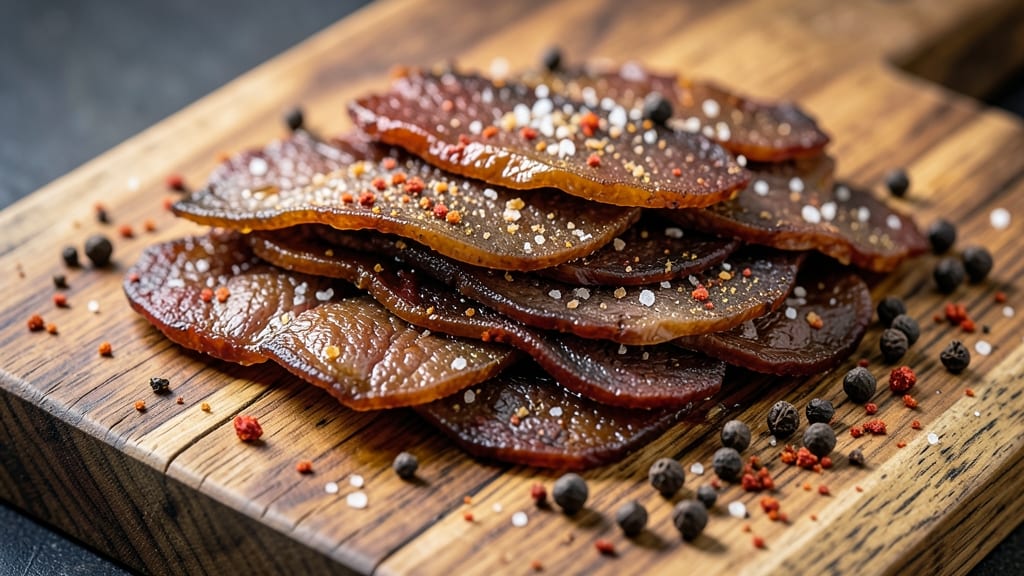
This Bearded Butcher beef jerky recipe delivers the perfect balance of smoky, spiced flavor that keeps your taste buds satisfied for days. The secret lies in a carefully curated blend of salt, sugar, and spices that tenderizes the meat while preserving it safely—no fancy equipment required.
I’ve perfected this method over years of testing, ensuring every bite has that signature chewy texture and bold kick that makes homemade jerky worth the effort.
The process starts with thin, even slices of high-quality beef, cured in a mixture of salt, brown sugar, and a proprietary spice blend that includes coffee and cayenne for depth.
Whether you use a dehydrator, oven, or even a smoker, the key is maintaining consistent airflow to prevent spoilage while locking in that irresistible flavor. Safety comes first—acidity from the spices and proper drying time ensure your jerky stays fresh for weeks.
What you’ll end up with is jerky so flavorful it rivals store-bought, but with the added satisfaction of knowing exactly what went into it. The smoky-sweet notes from the brown sugar and coffee mingle with the heat of cayenne, creating a complex profile that’s addictive in the best way.
This isn’t just jerky—it’s a versatile snack for camping trips, hiking, or even as a protein-packed addition to salads and wraps.
Ready to master the art of jerky-making? The instructions break down each step—from curing to drying—so you can achieve restaurant-quality results at home. Let’s get started!
Ingredients for bearded butcher beef jerky
High-quality beef and a bold spice blend—this is your shortcut to restaurant-style jerky.
| Ingredient | Amount | Notes |
|---|---|---|
| Top Round Roast Beef 🥩 | 2 lb | Thinly sliced against grain, 1/4-inch thick |
| Kosher Salt 🧂 | ½ cup | Diamond Crystal preferred for even curing |
| Light Brown Sugar 🍯 | ½ cup | Packed firmly, no substitutions |
| Ground Coffee ☕ | 2 tbsp | Freshly ground, medium roast |
| Cayenne Pepper 🌶️ | 2 tbsp | Adjust for heat preference |
| Black Peppercorns 🌶️ | 1 tbsp | Freshly cracked, coarse grind |
| Garlic Powder 🧄 | 1 tbsp | Not garlic salt |
| Ground Coriander 🌿 | 1 tbsp | Adds earthy depth |
| Smoked Paprika 🌶️ | 1 tbsp | For signature smoky flavor |
| Lemon Juice 🍋 | 2 tbsp | Freshly squeezed, acidic preservative |
| Worcestershire Sauce 🍶 | 1 tbsp | For umami depth (ensure vegan if needed) |
| Beef Tenderizer Enzyme Powder 🧪 | 1 tsp | Optional, for extra tenderness |
| Distilled White Vinegar 🍶 | 1 tbsp | Enhances preservation |
The beef is non-negotiable here. Top round roast from Costco or a well-stocked butcher shop gives you that perfect chewy texture—avoid leaner cuts like flank steak, which can turn rubbery. Look for good marbling, and ask for slices 1/4-inch thick against the grain. If your butcher doesn't slice it, grab a sharp meat slicer (or ask them to do it)—thin, even slices are critical for even drying. For the spices, Penzeys Spices or bulk bins at Whole Foods are my go-tos, but the grocery store stuff works fine if it's fresh. The coffee should be freshly ground right before mixing—pre-ground loses its punch fast.
No Worcestershire sauce? Soy sauce or liquid aminos work in a pinch, but you'll lose some depth. Short on brown sugar? White sugar plus 1 tsp molasses mimics the flavor. The lemon juice and vinegar are your preservatives—don't skip them, even if it means extra sourness in the mix. For heat, reduce cayenne to 1 tbsp if you're sensitive, or add red pepper flakes at half the amount. The beef tenderizer enzyme is optional but worth it if you're using slightly tougher cuts—it breaks down proteins for that melt-in-your-mouth texture. Pro tip: Mix all dry ingredients first in a bowl, then add wet ingredients last to avoid clumping.
This mix keeps for 2 weeks in an airtight container in the fridge, but the jerky itself? Vacuum-sealed or in a sealed bag, it lasts 3-4 weeks at room temp or 6 months frozen. For drying, I use my dehydrator at 160°F for 4-5 hours, but an oven with the door cracked works too—just keep it low and slow. Once cooled, store in parchment-lined containers with a silica packet to absorb moisture. The flavor actually improves after 24 hours as the spices meld—resist the urge to eat it all at once!
Why You'll Love This Recipe
- No-Fuss Prep: I swear by this recipe because it’s just three steps—trim, rub, hang. No fancy slicing or marinating overnight. The coffee grounds and brown sugar mix into a paste in minutes, and the cayenne gives it that signature kick without fuss.
- Smoky-Sweet Magic: That coffee rub? It’s the secret weapon. The brown sugar caramelizes just enough to coat the jerky in a subtle sweetness, while the ground coffee adds this deep, earthy backbone—like a campfire in your mouth. Honestly, it’s the kind of flavor that makes people ask, “What’s in this?”
- Hang It Anywhere: This jerky is my go-to for road trips, tailgates, or just keeping snacks on hand. It’s perfect for meal prep because it lasts forever in the fridge or freezer—no sad, dried-out jerky here. Plus, it’s the one thing I can make once and snack on for weeks.
- Budget Beef Boost: Top round is affordable, and a little goes a long way. I stretch one roast into enough jerky to feed my family for days, and the spices cost pennies. It’s the kind of recipe that makes me feel like I’m getting a gourmet treat without breaking the bank. (Yes, even on a Tuesday night.)
Step-by-step instructions for smoky-spiced beef jerky
Here's the method that transforms tough top round into addictive, shelf-stable jerky with bold smoky depth.
Prepare and Cure the Beef
Start by slicing the 2 lb Top Round Roast Beef against the grain into ¼-inch thick strips. I use a sharp boning knife and work quickly to prevent the meat from warming up. Arrange the slices in a single layer on a rimmed baking sheet, making sure they don't overlap.
In a medium bowl, whisk together the 0.5 cup Kosher Salt, 0.5 cup Light Brown Sugar, 2 tbsp Ground Coffee, 2 tbsp Cayenne Pepper, 1 tbsp Black Peppercorns (freshly cracked), 1 tbsp Garlic Powder, 1 tbsp Ground Coriander, and 1 tbsp Smoked Paprika. This dry rub is the flavor foundation—don't skip any ingredients, as each contributes uniquely to the final product. Sprinkle the mixture evenly over the beef strips, pressing gently to ensure full coverage. Let the seasoned beef rest uncovered in the refrigerator for 24 hours—this curing time is crucial for both safety and flavor development.
Create the Marinade and Tenderize
After the curing period, transfer the beef to a large resealable plastic bag. In a small bowl, combine the 2 tbsp Lemon Juice, 1 tbsp Worcestershire Sauce, 1 tsp Beef Tenderizer Enzyme Powder (if using), and 1 tbsp Distilled White Vinegar. Pour this marinade over the beef in the bag, seal tightly, and massage the bag gently to distribute the liquid evenly. The marinade works double duty here—it adds acidity for preservation while the tenderizer enzyme breaks down muscle fibers for a more pliable texture.
Refrigerate the bagged beef for another 12-24 hours, turning the bag occasionally to ensure even exposure. The beef should feel noticeably softer after this time. If you're short on time, you can reduce the marinating period to 6 hours, but the longer rest yields superior tenderness and flavor infusion.
Dry and Smoke the Jerky
Preheat your dehydrator to 160°F—this low temperature ensures slow, even drying without cooking the meat. Arrange the marinated beef strips on the dehydrator trays, leaving space between each piece for proper air circulation. The goal is to dry the jerky to leather-like firmness, which typically takes 6-8 hours. Check periodically after 4 hours—the jerky is ready when it's dry to the touch but still pliable, not brittle.
For that signature smoky flavor, transfer the dried jerky to a smoker set to 180°F using hickory or applewood chips. Smoke for 30-45 minutes, just until the strips develop a faint wood-fired aroma. This smoking step isn't about cooking but about infusing that irresistible depth that sets this jerky apart from store-bought versions.
Test for Doneness and Storage
Let the smoked jerky cool completely before testing for doneness. The jerky should bend slightly but not break when folded—this indicates proper moisture removal. If any pieces feel too soft, return them to the dehydrator for an additional 1-2 hours. Properly dried jerky will keep for 2-3 weeks in the refrigerator or up to 6 months in a vacuum-sealed bag in the freezer.
Slice the jerky into bite-sized pieces and store in an airtight container. The flavor profile should be complex—smoky from the paprika and wood, sweet from the brown sugar, with a subtle heat from the cayenne and a deep umami richness from the Worcestershire and coffee. Each bite should deliver that satisfying chew and burst of concentrated flavor that makes homemade jerky worth the effort.
Pro Tips For Making Bearded Butcher Beef Jerky
- Freeze Meat First: I learned this the hard way—skipping the freeze actually makes slicing top round jerky a nightmare. Pop the beef in the freezer for 30-45 minutes so it firms up; a sharp knife glides through without tearing, and your strips stay uniform. No one wants chewy, uneven jerky.
- Mix Coffee Dry: Dump that ground coffee directly into the sugar-salt blend—no need to grind it finer. The coarse texture clings better to the meat, and you avoid the gritty mouthfeel that happens when coffee dissolves into moisture. Trust me, your jerky will taste richer this way.
- Skip the Overcrowding: When smoking or dehydrating, resist the urge to stack strips. Crowding traps steam and turns your jerky into sad, limp leather. Space them at least ¼-inch apart—yes, it takes longer, but the result is crisp, flavorful, and shelf-stable.
- Test Cayenne Early: Taste a small piece of seasoned beef before committing to the full batch. Cayenne can sneak up on you, and you’ll either regret it or wish you’d added more. Start with ½ teaspoon per pound, then adjust—your heat tolerance matters more than the recipe says.
Common mistakes when making your bearded butcher beef jerky
Uneven Slicing
Slice your beef against the grain for chewiness, but consistency is key—thickness should be ¼-inch with no variations. I’ve ruined batches using a dull knife that created uneven slices.
Invest in a sharp boning knife or ask your butcher to slice it professionally. Uneven thickness means some pieces dry too fast (brittle) while others stay raw (slimy). 🔪
Skipping the Cure Time
Never rush the 24-hour curing—this step is non-negotiable for both safety and flavor. I once cut it to 12 hours and ended up with jerky that tasted bland and had a rubbery texture.
The salt and sugar need time to penetrate the meat, while the spices meld into a cohesive flavor profile. If you’re short on time, at least do 12 hours minimum.
Overcrowding During Drying
Don’t stack or overlap jerky strips during drying—this traps moisture and creates a breeding ground for bacteria. I learned this the hard way when my first batch developed mold. Space strips ½-inch apart on dehydrator trays or oven racks.
If using an oven, prop the door open with a wooden spoon to maintain airflow. Proper circulation ensures even drying and prevents spoilage. ⚠️
Ignoring the Doneness Test
Jerky should bend but not break when cooled—this is your only reliable test for doneness. I’ve seen beginners pull jerky too early because it looks dry, only to have it turn out mushy.
If any piece feels soft, return it to the dehydrator for 1-2 more hours. Over-drying makes jerky brittle, but under-drying risks foodborne illness. Trust the bend test over guesswork.
Using the Wrong Heat Source
A dehydrator set to 160°F is ideal, but an oven can work if used correctly. Never exceed 175°F—higher temps cook the meat instead of drying it. I’ve ruined batches by cranking the oven to 200°F in a hurry, resulting in jerky that was tough and gray.
If using an oven, place a tray of water on the bottom rack to add humidity and prevent drying too quickly. 🌡️
Storing Without Proper Sealing
Moisture is jerky’s enemy—store it in an airtight container with a silica packet to absorb humidity. I’ve seen jerky go rancid in 48 hours when stored in a loosely sealed bag.
For long-term storage (6 months), vacuum-seal the jerky to block oxygen. If refrigerating, consume within 2-3 weeks for peak flavor and texture.
Nutrition facts
Frequently asked questions
Can I use a different cut of beef for this recipe?
While top round roast is ideal, you can use sirloin tip or round steak for similar results. Avoid lean cuts like flank steak—they lack fat and can turn rubbery. If using a tougher cut, increase the beef tenderizer enzyme to 2 tsp for better texture. Never use pre-sliced deli beef, as it contains preservatives that interfere with drying.
How do I know if my jerky is fully dried?
The jerky is ready when it bends slightly but doesn't break when folded—this is your perfect doneness test. If it feels soft or sticky, return it to the dehydrator for 1-2 more hours. Over-drying makes it brittle, but under-drying risks spoilage. Never rely on appearance alone—always check flexibility after cooling completely.
Can I make this jerky without a dehydrator?
Use an oven set to 160°F with the door cracked open 2 inches for airflow. Place strips on a wire rack over a baking sheet to prevent sticking. Drying time will be 8-12 hours, so plan ahead. For extra humidity control, put a shallow tray of water on the bottom rack.
Why does my jerky taste bland after drying?
Bland jerky usually means insufficient curing time or weak seasoning. Always cure for the full 24 hours—this lets flavors penetrate. Double-check your spice measurements, especially the coffee and cayenne, which add depth. For extra flavor, try adding 1 tbsp liquid smoke to the marinade or smoking the jerky for 45 minutes.
How can I make this jerky spicier?
Start by increasing the cayenne pepper to 3 tbsp and add 1 tbsp chipotle powder or ½ tsp red pepper flakes to the dry rub. For heat lovers, mix 1 tsp cayenne with 1 tbsp brown sugar to balance the spice. Always taste the dry rub before applying—adjust gradually to avoid overwhelming the meat.