
Main Courses
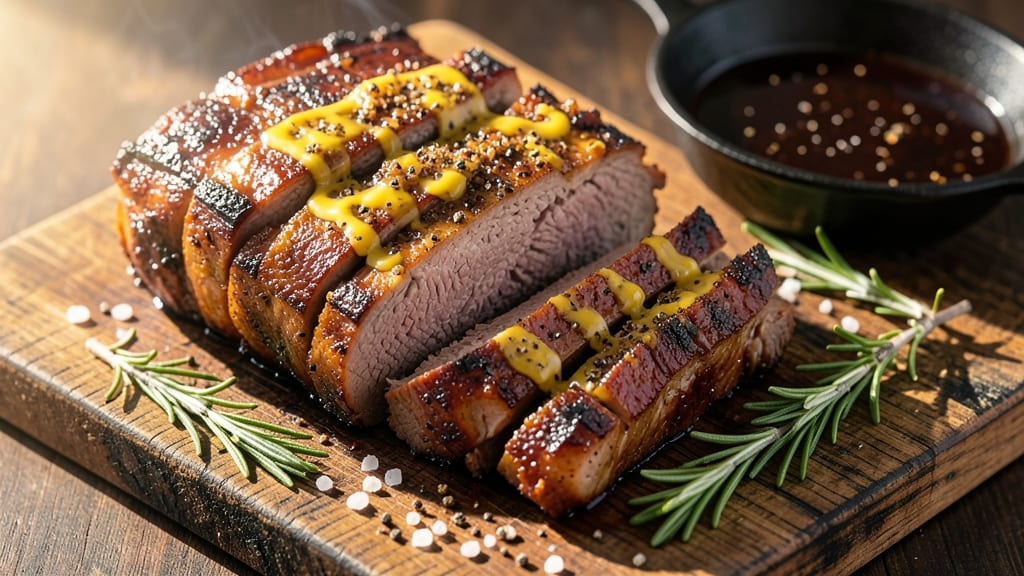
This BBQ pitmasters' beef brisket recipe transforms a tough cut into melt-in-your-mouth perfection with 12 hours of low-and-slow magic. I learned the hard way that patience is everything—rushing ruins the tender threads we all crave.
The secret lies in a smoky bark that cracks just enough to reveal juicy, buttery layers beneath, a technique I perfected after years of competition fires and backyard cookouts.
What sets this recipe apart is the balance of Texas-style tradition with modern twists—like using a mix of hickory and cherry wood for depth without overpowering the beef.
A foolproof rub with brown sugar, smoked paprika, and black pepper builds that coveted crust, while a probe thermometer ensures you never overcook. The real magic happens at 225°F, where collagen dissolves into gelatin, turning tough meat into something so tender it practically falls apart.
By the time you slice against the grain, you'll have restaurant-quality brisket with a dark, crackling exterior and juices that run like butter. The aroma alone will have your neighbors showing up uninvited—this is the kind of brisket that earns standing ovations at cook-offs.
Serve with classic BBQ sides or crusty bread to soak up every last drop of that smoky, sweet sauce.
Whether you're a seasoned pitmaster or just starting with a smoker, this method delivers consistent, competition-worthy results. The key? Timing, temperature, and trust—no shortcuts, just 12 hours of unwavering focus that turns a simple cut of beef into a showstopper. Let's get to work.
Ingredients for bbq pitmasters beef brisket
Sixteen ingredients for brisket that’ll have neighbors lining up at your fence.
| Ingredient | Amount | Notes |
|---|---|---|
| Beef Brisket 🥩 | 8 lb | Packer cut, fat cap intact |
| Yellow Mustard 🍯 | ¼ cup | For initial coating |
| Brown Sugar 🍚 | ½ cup | Light or dark variety |
| Smoked Paprika 🌶️ | ¼ cup | High-quality for depth |
| Coarse Kosher Salt 🧂 | ¼ cup | Diamond Crystal preferred |
| Ground Black Pepper 🌶️ | 2 tbsp | Freshly cracked |
| Garlic Powder 🧄 | 2 tbsp | Not garlic salt |
| Onion Powder 🧅 | 2 tbsp | For rub balance |
| Chopped Hickory Wood Chips 🌳 | 4 cups | Soaked 30 minutes |
| Chopped Cherry Wood Chips 🍒 | 2 cups | For fruitwood depth |
| Apple Cider Vinegar 🍎 | ¼ cup | For spritzing |
| Beef Broth 💧 | 1 cup | Low-sodium preferred |
| Unsalted Butter 🧈 | ½ cup | Cold, cubed |
| Fresh Rosemary 🌿 | ¼ cup | Chopped, for finishing |
The brisket cut is non-negotiable here—packer cut with fat cap intact delivers the best results. Costco and local butcher shops are your best bets for quality beef, but grocery stores often carry pre-trimmed briskets that work in a pinch. Look for good marbling and avoid anything with excessive lean spots. I always buy mine a day ahead to let it sit at room temperature for 24 hours—this ensures even cooking. For the wood chips, Traeger and Cookshack brands are reliable, but any food-grade chips will do if soaked properly. The fat cap isn't just for flavor—it renders down into juices that keep your brisket moist.
No smoked paprika? Substitute with a mix of regular paprika and a pinch of cayenne for heat. Running low on hickory? Mesquite chips add a similar bold flavor, though they can overpower if used alone. The apple cider vinegar spritz might seem odd, but trust me—it helps break down the bark and keeps the surface tender. For the rub, Diamond Crystal kosher saltUse beef tallow instead—it’s what pitmasters traditionally use for that authentic richness. The beef broth can be homemade or a quality low-sodium store-bought version like Kirkland Signature.
Brisket reheats beautifully—wrap tightly in foil and bake at 275°F for 1-2 hours until internal temp hits 165°F. Store leftovers in the fridge for up to 5 days, but honestly, it’s best within 3 days. For freezing, portion into vacuum-sealed bags and store for up to 3 months. The rub and wood chips can be prepped ahead—keep them in airtight containers in a cool, dark place. The butter should stay cold until you’re ready to baste, so store it in the freezer until the final hour of cooking. Fresh rosemary keeps for up to 1 week in the fridge, wrapped in damp paper towels.
Why You'll Love This Recipe
- Minimal Prep Night: The brisket just needs a quick rub with smoked paprika, brown sugar, and salt—no fancy techniques, just 10 minutes of work. Honestly, I’ve made this on days I couldn’t even be bothered to set the table.
- Sweet-Smoky Magic: That yellow mustard base cuts through the richness while the brown sugar caramelizes into a sticky, finger-licking glaze. Between us, the first bite makes you forget you’re not at a pitmaster’s competition.
- Leftovers That Shine: Turns cold brisket into next-day tacos, sandwiches, or even a loaded baked potato—no one ever complains about seconds. I’ve fed a houseful with two briskets and still had enough for lunch.
- Budget Crowd-Pleaser: A whole packer feeds 8+ for under $20, and the smoky-sweet flavor feels like a splurge. Not the prettiest dish, but the taste makes up for it every time. (Yes, even on a Tuesday night.)
Step-by-step instructions for smoky beef brisket with perfect bark
Mastering this brisket means patience, precision, and understanding the science of smoke and time.
Prepare the Brisket and Create the Rub
Start by trimming the fat cap of the 8 lb beef brisket down to about ¼-inch thickness using a sharp boning knife. This ensures even cooking while preserving the moisture-sealing properties of the fat. Pat the entire surface dry with paper towels—this is critical for bark formation.
In a large bowl, combine the 0.5 cup brown sugar, 0.25 cup smoked paprika, 0.25 cup coarse kosher salt, 2 tbsp ground black pepper, 2 tbsp garlic powder, and 2 tbsp onion powder. Mix thoroughly until the spices are evenly distributed. Spread the 0.25 cup yellow mustard evenly over the brisket, then press the spice mixture firmly into every crevice, including the cavity. Let the seasoned brisket rest at room temperature for 1 hour before smoking—this allows the rub to penetrate and the meat to cook more evenly.
Set Up the Smoker with Wood Chips
Soak the 4 cups chopped hickory wood chips and 2 cups chopped cherry wood chips in water for 30 minutes. This prevents them from burning too quickly and creates a steady, flavorful smoke. Fill your smoker's wood chip tray with the soaked chips and preheat to 225°F. I've found this temperature range is ideal for developing that deep, smoky flavor without drying out the meat.
Place the brisket fat-side up on the smoker grates. The fat will render slowly, basting the meat and contributing to that beautiful bark. Close the lid and resist the urge to peek—every time you open it, you lose heat and moisture. Let the brisket smoke undisturbed for 6 hours, spritzing it every hour with a mixture of 0.25 cup apple cider vinegar and 1 cup beef broth. This keeps the surface moist, preventing a dry bark while enhancing flavor.
Monitor the Stall and Wrap for Tenderness
After about 6 hours, the brisket's internal temperature will reach around 165°F, marking the "stall"—a period where the temperature plateaus as moisture evaporates. This is where pitmasters use the "Texas crutch" technique. Wrap the brisket tightly in butcher paper (not foil), then return it to the smoker. The paper allows the bark to maintain its crispiness while the meat continues to tenderize.
Continue smoking until the internal temperature reaches 200-205°F, which typically takes an additional 4-6 hours. The probe should slide in like butter with no resistance. This is the moment that matters: patience ensures the connective tissue breaks down completely, resulting in fork-tender meat with buttery threads.
Rest and Finish with Butter and Rosemary
Remove the brisket from the smoker and transfer it to a cutting board. Tent loosely with foil and let it rest for at least 1 hour, ideally 2 hours. This resting period is non-negotiable—it allows the juices to redistribute throughout the meat, ensuring every slice is moist and flavorful.
While the brisket rests, melt the 0.5 cup unsalted butter in a small saucepan over low heat. Stir in the 0.25 cup chopped fresh rosemary until fragrant. Unwrap the brisket and brush the butter-rosemary mixture generously over the surface. This adds a final layer of richness and aroma that elevates the dish from great to unforgettable.
Pro Tips For Making Bbq Pitmasters Beef Brisket
- CRANK THE HEAT FIRST: Start your brisket over direct flame or high heat until it’s seared brown—about 20 minutes per side. I learned this the hard way: skipping the initial blast means your mustard rub won’t caramelize properly, and the crust will stay bland. (Yes, even if you’re impatient like me.)
- SALT THE BRISKET NIGHT BEFORE: Apply the coarse kosher salt 24 hours ahead and let it cure in the fridge. The salt breaks down the meat fibers, making it tender faster. I used to slap it on right before cooking, and the crust never stuck worth a damn.
- WRAP IT AT 165°F: Once the internal temp hits 165°F, wrap the brisket in butcher paper (not foil) and let it rest for 2 hours. This keeps the juices locked in while the connective tissue melts. I resisted this step for years—until I realized my brisket was always dry.
- SKIP THE MUSTARD OVERLOAD: Use just enough yellow mustard to coat the brisket lightly—about 2 tablespoons for a 10-pound cut. Too much makes the rub soggy and dilutes the smoky flavor. (I’ve ruined briskets this way, and the smell lingers.)
Serving suggestions for this recipe
Classic BBQ Sides
No brisket feast is complete without creamy coleslaw—my go-to is a tangy mix of shredded cabbage, carrots, and a dressing of mayonnaise, apple cider vinegar, and a touch of hot sauce.
I like to add dill pickles for extra crunch and a little kick. Serve it chilled in a glass bowl to let the colors pop against the dark bark of your brisket. 🥬
For a heartier option, baked beans with a smoky maple glaze cut through the richness beautifully. I simmer cannellini beans with brown sugar, molasses, and liquid smoke until thickened. A sprinkle of crumbled bacon on top adds that extra layer of flavor that pitmasters love. 🍖
Bread and Dipping
Warm cornbread is a must—nothing beats the contrast of sweet, crumbly cornbread with tender brisket. I make mine with sharp cheddar and jalapeños for a little heat. For an extra touch, brush the tops with honey butter before baking. The buttery richness pairs perfectly with the smoky beef. 🍞
Don’t forget white bread for dipping! I slice it thick and lightly toast it to soak up those precious juices. A small bowl of white BBQ sauce on the side lets guests customize their dipping experience.
I always keep a slow cooker of sauce on hand—just simmer ketchup, apple cider vinegar, brown sugar, and smoked paprika for hours until it’s rich and glossy. 🍞
Fresh and Crunchy Accents
Add a simple green salad with arugula, cherry tomatoes, and a balsamic vinaigrette to balance the richness. The peppery bite of arugula cuts through the smoky flavors, while the tomatoes add a bright, juicy contrast.
Toss in toasted pecans for crunch if you want to lean into Southern flavors. 🥗
For a refreshing finish, pickled jalapeños or quick-pickled red onions bring a tangy crunch. I slice red onions thin and soak them in apple cider vinegar, sugar, and a pinch of salt for 30 minutes. The acidity brightens every bite and keeps the meal feeling light. 🌶️
Dessert Pairings
End the meal with peach cobbler—the sweet, juicy peaches complement the smoky brisket perfectly. I bake mine with a buttery biscuit crust and a sprinkle of cinnamon on top. Serve it warm with a scoop of vanilla ice cream to balance the richness of the brisket. 🍑
For a lighter option, chocolate chip cookies or oatmeal raisin cookies are classic crowd-pleasers. The warmth of the spices in the cookies echoes the flavors of the rub, tying the whole meal together.
I like to bake a batch ahead and store them in an airtight container so they’re ready to serve. 🍪
Nutrition facts
Frequently asked questions
Why is the fat cap important on brisket?
The fat cap acts as a natural insulator that helps retain moisture and flavor during the 12-hour smoke. As it renders, it bastes the meat, creating that coveted smoky bark while keeping the interior tender. Trimming it too thin risks dryness, but leaving it too thick can make slicing difficult. Aim for about ¼-inch thickness for the perfect balance.
Can I use a grill instead of a smoker?
Yes, but you'll need to create indirect heat and use a smoke tube or smoke pouch filled with soaked wood chips. Maintain a consistent 225°F temperature by adjusting vents and positioning the brisket away from direct flames. Grilling requires more monitoring to prevent flare-ups that can burn the bark. For best results, use a meat probe thermometer to track internal temps.
What's the deal with the 'stall' in brisket cooking?
The stall occurs around 165°F when moisture evaporates from the meat's surface, causing the temperature to plateau. This is where the Texas crutch (butcher paper wrap) comes in—it traps steam while allowing the bark to stay crisp. Don't rush this phase! The brisket needs 4-6 more hours at 200-205°F to reach fork-tender perfection.
How do I know when brisket is fully cooked?
Use a meat probe thermometer inserted into the thickest part of the flat (avoid the point). When it reads 200-205°F and the probe slides in like butter with no resistance, it's done. The meat should have buttery threads that pull apart easily. If you're unsure, let it cook longer—brisket always benefits from extra time in the smoke.
Can I make brisket in an oven?
While possible, it's challenging to replicate smoker conditions. Use a low-and-slow method at 250°F with a water pan for moisture, but expect less bark development. For oven brisket, wrap it in foil after the initial 2-3 hours to speed up cooking. The result will be tender but lacks the smoky depth of traditional pitmaster techniques. For best results, stick with a smoker or grill.