
Main Courses
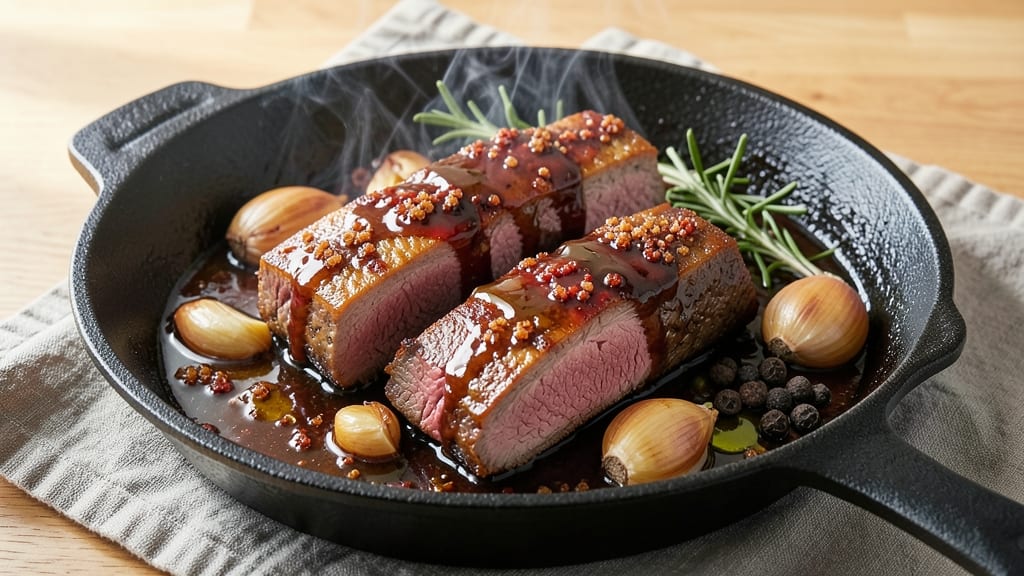
This BBQ beef shank recipe transforms tough cuts into melt-in-your-mouth tenderness through slow-smoked magic—just like my granddad taught me over a hickory fire. The secret lies in low-and-slow cooking, where connective tissues break down into rich, velvety sauce, creating a dish that’s both rustic and restaurant-worthy.
I’ve perfected this method over years of pitmaster trials, balancing traditional BBQ techniques with modern efficiency for home cooks.
What sets this recipe apart is the one-pot approach, where the beef shank develops deep, smoky flavors while the cooking liquid transforms into a luscious gravy.
Start with a dry rub of smoked paprika and brown sugar for that signature bark, then let the smoker or oven do the rest—no babysitting required. The result?
Fall-off-the-bone meat that practically dissolves at the touch of a fork, all while the kitchen fills with an aroma that’ll have neighbors knocking on your door.
Pair this masterpiece with creamy mashed potatoes or a crisp slaw to soak up every last drop of that smoky sauce. The dish delivers on both texture and flavor—tender yet robust, sweet yet savory—making it ideal for gatherings or a cozy weeknight dinner.
Trust me, once you taste the difference between store-bought and this homemade version, you’ll never go back.
The beauty of this recipe is its versatility: smoke it over hickory for classic BBQ vibes or finish with a quick sear for extra depth. I’ve even adapted it for sous-vide purists who want to control the temperature to the degree.
Either way, you’re guaranteed a dish that tastes like it came from a pitmaster’s table—without the hours of fuss.
Ingredients for bbq beef shank
Fourteen ingredients transform tough beef shank into restaurant-worthy BBQ magic.
| Ingredient | Amount | Notes |
|---|---|---|
| Beef Shank 🥩 | 2 lb | Bone-in, cut into 2-inch chunks |
| Smoked Paprika 🌶️ | 2 tbsp | High-quality for deep smokiness |
| Brown Sugar 🍯 | 2 tbsp | Light or dark, packed tightly |
| Kosher Salt 🧂 | 1 ½ tbsp | Diamond Crystal preferred |
| Ground Black Pepper 🌶️ | 1 tbsp | Freshly cracked for intensity |
| Garlic Cloves 🧄 | 6 cloves | Smashed, not minced |
| Onion 🧅 | 1 whole | Yellow, roughly chopped |
| Beef Broth 💧 | 2 cups | Low-sodium, homemade preferred |
| Apple Cider Vinegar 🍎 | 2 tbsp | For tangy depth |
| Hickory Smoke Pellets 🔥 | 1 package | For smoker or grill |
| Olive Oil 🫒 | 2 tbsp | Extra-virgin for searing |
| Fresh Thyme 🌿 | ¼ cup | Stems removed, chopped |
| Fresh Rosemary 🌿 | ¼ cup | Needles finely chopped |
| Dark Beer 🍺 | 1 cup | Stout or porter for richness |
The beef shank is the star here—look for cuts with good marbling and visible connective tissue. Costco or your local butcher shop are great sources; ask for bone-in shanks cut into 2-inch chunks for even cooking. The smokiness comes from hickory pellets, which you can find at Traeger or Weber stores, or even some well-stocked grocery chains. Fresh herbs like thyme and rosemary are non-negotiable for that authentic BBQ aroma—grab them from the grocery store’s produce section, but if they’re wilted, skip it. The dark beer adds depth, so grab a Guinness or stout from the liquor store if you’re feeling fancy, or any porter will do in a pinch.
No smoked paprika? Substitute with 1 tbsp regular paprika plus 1 tsp liquid smoke, but trust me, the real stuff makes all the difference. Running low on beef broth? Water plus 1 tbsp soy sauce works, but you’ll lose some depth. Apple cider vinegar can be swapped for red wine vinegar, though the flavor shifts slightly. The beer is crucial for richness—if you don’t drink alcohol, substitute with extra beef broth and a splash of balsamic vinegar. For the herbs, dried thyme and rosemary work at half the amount, but fresh is always better. And if you’re short on time, pre-chop the onion and garlic to save a few minutes later.
This dish tastes even better the next day, so make extra—it reheats beautifully. Store leftovers in the fridge for up to 5 days, covered tightly to keep in the flavors. For longer storage, freeze portions for up to 3 months. The sauce thickens as it cools, so add a splash of broth when reheating. I always portion mine into containers with a little sauce on top—makes lunches or dinner leftovers feel special. And if you’re feeling ambitious, save the bones to make your own broth next time.
Why You'll Love This Recipe
- Foolproof Simplicity: I swear by this recipe because it’s that easy—just sear the shanks, toss them in a mix of smoked paprika, brown sugar, and salt, then let the oven do the work. No fancy techniques, no last-minute stress.
- Deep, Smoky Magic: That smoked paprika and brown sugar combo? It turns tough beef into melt-in-your-mouth perfection with a caramelized crust you’ll want to lick off your fingers. (Yes, I’ve been there.)
- Weeknight Wonder: I make this when I’m too tired for fussing—it’s hearty enough for a family dinner but simple enough for a lazy Tuesday. Serve it over mashed potatoes or with crusty bread, and suddenly, you’re a hero.
- Budget-Friendly Feast: Beef shanks stretch further than you’d think, and the ingredients won’t break the bank. Plus, leftovers reheat like a dream—so you’ll have another meal ready without extra effort. Win-win.
Step-by-step instructions for BBQ beef shank
Here's how to transform tough beef shank into melt-in-your-mouth perfection using low-and-slow smoking.
Sear the Beef Shank for Deep Flavor
Heat a heavy Dutch oven over medium-high heat until it's smoking hot. Add the 2 tablespoons olive oil and swirl to coat. Working in batches if needed, add the 2 lb beef shank in a single layer, ensuring they don't overcrowd the pan. Let them sear undisturbed for 3-4 minutes per side until developing a deep mahogany crust.
This initial sear creates the Maillard reaction that builds rich, caramelized flavors. Don't rush this step—you'll know it's ready when the shank releases easily from the pan. Transfer the seared shanks to a plate and set aside. Here's the thing—this crust becomes the flavor foundation for your entire dish.
Build the Smoky Base with Aromatics
In the same Dutch oven, add the 1 whole onion and 6 smashed garlic cloves, cooking for 5 minutes until softened and golden. Stir in the 2 tablespoons smoked paprika, 2 tablespoons brown sugar, 1.5 tablespoons kosher salt, and 1 tablespoon ground black pepper, cooking for another 1 minute to toast the spices.
This aromatic blend forms the flavor backbone of your dish. The paprika adds smokiness upfront, while the brown sugar caramelizes slightly, creating depth. Don't skip toasting the spices—this releases their essential oils and intensifies their flavor. You should smell a complex mix of garlic, onion, and that deep smoky aroma from the paprika.
Combine and Smoke the Beef Shank
Return the seared shanks to the Dutch oven. Pour in the 2 cups beef broth, 1 cup dark beer, and 2 tablespoons apple cider vinegar, stirring to combine. Bring to a gentle simmer, then transfer to your smoker set to 225°F using hickory smoke pellets. Smoke for 3 hours, maintaining the temperature and adding more pellets as needed to keep a steady stream of blue smoke.
The vinegar adds bright acidity that cuts through the richness, while the beer contributes malt sweetness and body. Watch for the liquid level—it should reduce slightly but not completely evaporate. The shanks should be tender but not falling apart yet. This is where patience pays off; the slow smoke infusion creates that unmistakable BBQ flavor.
Finish with Herbs and Rest for Tenderness
After 3 hours, remove the shanks from the smoker and strain the cooking liquid through a fine-mesh sieve into a clean pot. Discard the solids. Return the strained liquid to the Dutch oven and bring to a simmer. Add the 0.25 cup fresh thyme and 0.25 cup fresh rosemary, simmering for 10 minutes to infuse the herbs' aromatic oils.
Return the shanks to the sauce and simmer for another 1-2 hours until they're fork-tender and easily pull apart. The sauce should coat the back of a spoon with a rich, velvety consistency. Let the shanks rest for 15 minutes before serving, allowing the juices to redistribute throughout the meat.
Serve with Perfectly Balanced Sauce
Using two forks, carefully shred the beef shank directly in the sauce, discarding any large bones. Taste the sauce and adjust seasoning if needed—you might want to add a pinch more salt or a splash of vinegar for balance. Serve the shredded beef with the rich sauce ladled generously over the top, accompanied by crusty bread to soak up every last drop.
Each bite should deliver that perfect combination of smoky, sweet, and savory flavors with meat that practically melts in your mouth. The sauce should cling beautifully to the beef, creating a harmonious eating experience that's worth the time invested. This is where all your patience pays off in the most delicious way possible.
Pro Tips For Making Bbq Beef Shank
- SEAR FIRST, THEN SLOW: Don’t rush the browning—get that shank deep golden in a screaming-hot pan with 2 tablespoons of oil before touching the oven. I used to skimp here, and the final sauce never stuck like it should. High heat. Seriously, crank it up until you smell that meat caramelizing.
- TRIM THE FAT, KEEP THE FLAVOR: Pat the shank thoroughly with paper towels after searing, but leave the fat cap intact—it renders into the pan and becomes part of the sauce. I learned this the hard way by wiping it all off, then wondering why my BBQ lacked richness.
- SALT IN LAYERS, NOT ALL AT ONCE: Sprinkle kosher salt twice—once right after searing (while it’s still hot) and again when adding the smoked paprika and brown sugar. This ensures the seasoning penetrates instead of just clinging to the surface. Yes, even if you’re impatient like me.
- BRAISE WITH LID AJAR: After the initial 30 minutes of searing, cover the shank loosely with the lid—just cracked open an inch or two. This lets steam escape, preventing a soggy crust while still keeping the meat tender. Sounds weird, but it works every time.
Flavor customization for these flavors
Spice Level Control
Adjust the heat to your preference by tweaking the smoked paprika and adding cayenne. For mild heat, stick with just the 2 tbsp smoked paprika and a pinch of cayenne. For medium heat, add 1 tsp cayenne to the dry rub.
If you love spice, bump it up to 1.5 tsp cayenne and add ½ tsp crushed red pepper flakes to the final sauce. I once made this for a group of friends who loved heat—adding 1 tbsp chipotle powder to the rub gave it that smoky-spicy kick they adored. 🌶️
Sweet-Savory Balance
Play with the brown sugar to adjust sweetness levels. For a deeper caramelized flavor, increase the brown sugar to 3 tbsp and add 1 tbsp molasses to the sauce at the end.
If you prefer less sweetness, reduce the brown sugar to 1 tbsp and add 1 tsp mustard powder for a tangy twist.
I often use honey instead of brown sugar for a more floral sweetness—just replace the brown sugar with 2 tbsp honey and reduce the vinegar slightly to balance the flavors.
Umami Boost Options
For extra depth, add umami-rich ingredients like soy sauce or Worcestershire. Stir in 1 tbsp soy sauce or 1 tbsp Worcestershire sauce with the broth and beer. If you love mushrooms, add ½ cup sliced cremini mushrooms to the Dutch oven with the onions and garlic.
I once added 1 tbsp fish sauce to a batch for a Southeast Asian-inspired twist—it added a surprising but delicious complexity. 🍄
Herb Variations
Swap out thyme and rosemary for other fresh herbs to change the flavor profile. Try ½ cup fresh parsley and ½ cup fresh sage for a more earthy taste. For a Mediterranean touch, add ½ cup oregano and ½ cup basil to the final sauce.
I love using fresh cilantro and fresh mint for a bright, almost Mexican-inspired version—just add them at the very end to preserve their freshness.
Smoke Flavor Alternatives
Experiment with different smoke flavors beyond hickory. For a fruity twist, try cherry wood pellets or apple wood pelletsmesquite pellets.
I once smoked a batch with pecan wood pellets for a nutty, slightly sweet aroma that paired perfectly with the beer and vinegar. Just be mindful—mesquite can be overpowering, so use it sparingly.
Beer and Vinegar Swaps
Customize the liquid base to match your taste. Swap the dark beer for red wine or apple cider for a different depth. Use balsamic vinegar instead of apple cider vinegar for a richer, slightly sweet tang.
I’ve also used coconut aminos instead of soy sauce for a gluten-free option—it adds a savory note without the saltiness. For a tangy kick, add 1 tbsp lemon juice at the end while the sauce is simmering.
Nutrition facts
Frequently asked questions
Can I make this BBQ beef shank in an oven instead of a smoker?
Preheat your oven to 275°F and place the Dutch oven with the seared shanks, aromatics, and liquids on the lower rack. Cover tightly with foil and bake for 4-5 hours until tender. For smoky flavor, add ½ teaspoon liquid smoke to the sauce at the end or use a wood chip pan under the oven rack. The texture will be just as rich—just without the authentic smoker aroma.
How do I know when the beef shank is fully tender?
Use the fork test: insert a fork into the thickest part of the shank—if it slides in effortlessly with no resistance, it's ready. Another trick is to cut through the bone: if the meat separates cleanly, it's perfectly tender. For extra insurance, look for a 205°F internal temperature. Overcooking can make it mushy, so aim for that fork-tender point just before it falls apart.
What's the best way to reheat leftovers without drying them out?
Reheat in the oven at 300°F for 20-30 minutes with a splash of beef broth or water to keep the sauce moist. For microwave reheating, cover with a damp paper towel and heat in 30-second bursts, stirring between each. Never reheat completely uncovered—this concentrates the sauce and dries out the meat. Leftovers taste even better the next day!
Can I use a different cut of beef instead of shank?
While shank is ideal for its connective tissue, you can try chuck roast or brisket (cut into chunks) for similar results. Short ribs work too, but they'll be slightly more tender. Avoid lean cuts like sirloin—they won't develop the same rich texture. If substituting, increase cooking time by 30-60 minutes to account for different fat content.
How can I make this dish more impressive for guests?
Garnish with fresh herbs like parsley or thyme, and serve with a side of crispy smoked potato wedges or grilled corn on the cob. For presentation, arrange the shredded beef on a platter with sauce drizzled artistically around it. Add a sprinkle of crushed red pepper flakes for color contrast. The key is to highlight the rich sauce and tender meat—let it shine!