
Sauces & Condiments
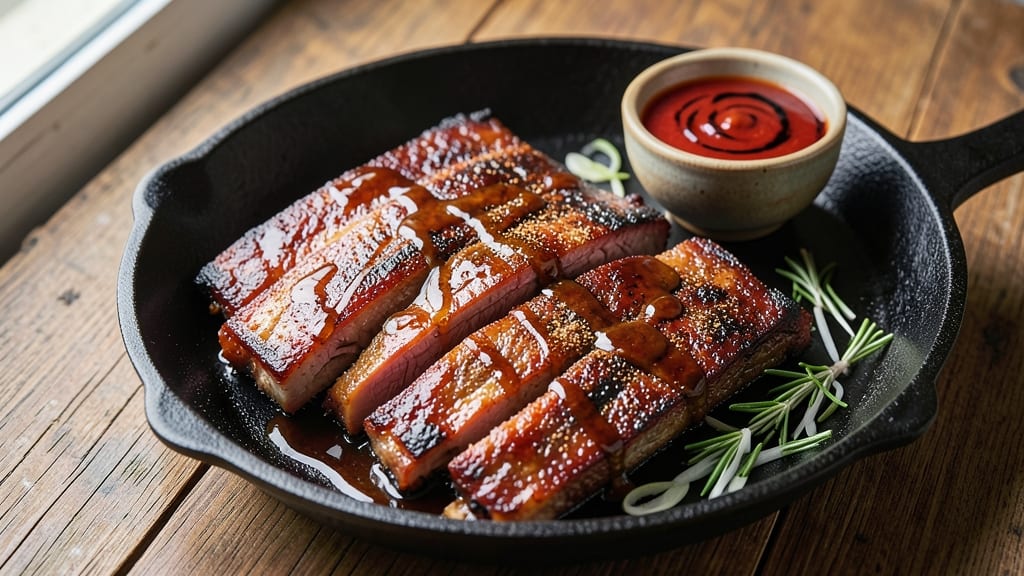
This barbecue sauce recipe for beef ribs transforms your pitmaster game with a smoky-sweet glaze that clings to every inch of tender meat. 🔥 After years of perfecting the balance between tangy, sweet, and smoky flavors, I've developed a sauce that not only enhances ribs but also stands up to their rich, fatty profile.
The secret lies in slow-simmered tomato base layered with just the right amount of molasses and spices, creating depth that commercial sauces can't match.
The foundation starts with a rich tomato base—simmered until thick and concentrated—then brightened with apple cider vinegar for that signature tang. Molasses and brown sugar add caramelized sweetness, while a touch of Worcestershire sauce deepens the umami profile.
What sets this sauce apart is the careful balance of spices: smoked paprika for warmth, garlic for depth, and a pinch of cayenne for just enough heat without overpowering the beef's natural richness.
What you'll end up with is a sticky, glossy glaze that locks onto ribs during the final stages of cooking, creating a caramelized crust that's both sweet and savory. This sauce isn't just for ribs—it works beautifully on pulled pork, chicken, or even as a dipping sauce.
The best part? It keeps well in the fridge for up to two weeks, so you can make a big batch and have it ready whenever the craving hits.
Whether you're smoking ribs for a family gathering or just treating yourself to a weekend cookout, this sauce will elevate your dish to restaurant-quality. The key is patience—letting the flavors meld during the simmering process ensures every bite is packed with that perfect balance of sweet, smoky, and tangy notes.
Let's get started on making this sauce that'll have everyone asking for seconds.
Ingredients for barbecue sauce recipe for beef ribs
Nine simple ingredients for a sauce that'll make your ribs unforgettable.
| Ingredient | Amount | Notes |
|---|---|---|
| Tomato Paste 🍅 | ½ cup | High-quality, no sugar added |
| Apple Cider Vinegar 🍎 | ¼ cup | For tangy brightness |
| Molasses 🍯 | ¼ cup | Unsulphured for depth |
| Brown Sugar 🍚 | ½ cup | Light or dark variety |
| Worcestershire Sauce 🍶 | 2 tbsp | For umami punch |
| Smoked Paprika 🌶️ | 2 tbsp | High-quality smoked |
| Garlic Cloves 🧄 | 4 cloves | Freshly minced |
| Cayenne Pepper 🔥 | ½ tsp | Adjust for heat |
| Ground Black Pepper 🌶️ | 1 tsp | Freshly cracked |
| Salt 🧂 | 1 ½ tsp | Kosher or sea salt |
| Water 💧 | 1 cup | For thinning consistency |
The tomato paste is the backbone here—Mueller's or Hunt's are my go-tos, but any quality brand works. Grab the unsweetened kind if you can, though a pinch of sugar won't ruin it. Molasses and brown sugar should be freshly opened for best flavor, so check the dates if you've got old bottles lurking in your pantry. The smoked paprika? Penzeys or Gourmet Garden have the best varieties, but a good grocery store brand will do in a pinch. Fresh garlic is non-negotiable—minced it yourself for that extra depth, and don't skip the skin-on cloves for maximum flavor extraction.
No molasses? Maple syrup at half the amount works in a bind, though it'll be slightly sweeter. Running low on Worcestershire? Soy sauce plus a splash of balsamic mimics the umami, though it won't be identical. The cayenne can be swapped for red pepper flakes at double the amount if you want less heat. For a smoother sauce, blend everything until silky—immersion blender is perfect for this. If you prefer texture, just whisk vigorously after simmering. The sauce thickens as it cools, so don't worry if it looks thin while hot.
This sauce keeps beautifully—2 weeks in the fridge or 6 months in the freezer. I like to portion it into small jars for easy grab-and-go use during cookouts. For best results, reheat gently on the stove, stirring often, until it's smooth and glossy again. The flavor actually improves after a day or two as everything melds together. Double the batch if you're planning a big cookout—you'll want leftovers for sandwiches and dipping.
Why You'll Love This Recipe
- Pantry Magic: I swear by this sauce because it uses stuff I already have—no special trips to the store. That thick tomato paste base, just a spoonful, builds depth instantly, and the molasses? It’s like a secret caramel hug for your ribs.
- Sticky-Sweet Perfection: The brown sugar and apple cider vinegar team up for a tangy-sweet balance that clings to the ribs like a glove. Worcestershire sauce ties it all together—umami magic in a bottle, and honestly, it’s the kind of flavor that makes people ask, “What’s in this?”
- Tailgate or Dinner Party: This sauce works just as well for a backyard cookout as it does for a Sunday family dinner. Double the batch, bottle it, and you’ve got a gift for the next BBQ. (Yes, even on a Tuesday night.)
- Leftovers That Shine: Make a big batch—it keeps for weeks in the fridge—and the second batch always tastes better. Slather it on chicken, toss it with baked beans, or drizzle it over grilled veggies. It’s my budget-friendly secret weapon.
Step-by-step instructions for smoky-sweet beef rib barbecue sauce
Here's how to make a rich, balanced sauce that clings perfectly to ribs.
🍳 Step 1: Bloom the Spices in Tomato Paste
In a medium saucepan over medium heat, add the 0.5 cup tomato paste. Stir constantly for 2-3 minutes until it darkens slightly and releases its deep, caramelized flavor. This step develops the sauce's foundation and prevents a raw taste.
While the tomato paste blooms, add the 2 tbsp smoked paprika and 2 tbsp Worcestershire sauce. Stir well to distribute the spices evenly. You'll notice the mixture darken and smell intensely smoky—this is where that signature rib sauce flavor begins to build. Keep the heat at medium to prevent burning while letting the spices fully incorporate.
🍳 Step 2: Add Sweet and Tangy Components
Pour in the 0.25 cup apple cider vinegar and 0.25 cup molasses, stirring constantly to combine. The vinegar will create a slight bubbling reaction—this is normal and helps break down the molasses' viscosity. Add the 0.5 cup brown sugar and mix until fully dissolved.
Next, add the 4 minced garlic cloves, 0.5 tsp cayenne pepper, 1 tsp ground black pepper, and 1.5 tsp salt. Stir for another 1 minute until the garlic releases its aroma and all the dry ingredients are well incorporated. This is where the sauce's complex flavor profile comes together—sweet, smoky, tangy, and just a hint of heat.
🍳 Step 3: Simmer and Thicken the Sauce
Pour in the 1 cup water and bring the mixture to a gentle boil over medium-high heat. Once boiling, reduce the heat to low and let it simmer uncovered for 20-25 minutes, stirring occasionally. You're looking for the sauce to thicken enough to coat the back of a spoon but still maintain a glossy, pourable consistency.
Here's the thing—don't rush this step. The molasses and tomato paste need time to fully meld with the other ingredients. You'll see the sauce reduce and darken further, developing a rich, almost syrupy texture. If it thickens too much before the time is up, add 1-2 tablespoons water to reach your desired consistency. The sauce should be thick enough to cling to ribs but still flow smoothly.
⏰ Step 4: Cool and Adjust to Perfection
Remove the sauce from heat and let it cool for 10 minutes. This cooling period is crucial—it allows the flavors to fully develop and gives you a chance to taste and adjust the seasoning. Give it a stir and taste a small spoonful. You want a balance of sweet, smoky, tangy, and slightly spicy flavors.
If it needs more tang, add a splash of apple cider vinegar. If it needs more sweetness, add a pinch of brown sugar. For more heat, add a tiny bit more cayenne pepper. Remember, you can always adjust, but you can't take out what you've added. Once you're satisfied with the flavor, transfer the sauce to a clean jar or airtight container and let it cool completely to room temperature before using or storing.
Pro Tips For Making Barbecue Sauce Recipe For Beef Ribs
- Simmer Slow and Steady: I learned this the hard way—boiling the sauce too fast turns it thin and watery. Keep it at a gentle simmer (just small bubbles) for at least 20 minutes. This lets the flavors meld and thickens it naturally without burning the tomato paste.
- Whisk in the Molasses Last: Molasses burns faster than you’d think. After the vinegar and sugar have dissolved, turn off the heat and stir in the molasses off the flame. Then, let the sauce sit for 2 minutes before reheating—this keeps the color deep and the flavor balanced.
- Skip the Cheap Vinegar: Apple cider vinegar isn’t just vinegar—its tang matters. I used white vinegar once and ended up with a sauce that tasted flat. Spend the extra dollar; the difference is noticeable, especially when paired with Worcestershire.
- Reduce Early, Salt Late: Taste the sauce before adding salt—it’ll change as it thickens. After simmering, let it cool slightly, then adjust salt and Worcestershire. This avoids over-salting and lets you fine-tune the balance without rushing.
Troubleshooting this dish
Sauce Too Thin?
If your sauce isn’t clinging like it should, simmer uncovered for an extra 10-15 minutes—the water will evaporate, thickening it naturally. For a quicker fix, mix 1 tbsp cornstarch with 2 tbsp cold water, stir into the sauce, and simmer 3-5 minutes until thickened.
I’ve seen beginners overcompensate by adding too much sugar, which can dilute the sauce—stick to the recipe’s measurements for balance. 🔥
Burnt or Bitter Taste?
This usually happens when you rush the simmering or let the sauce boil too hard. Keep heat at low after the initial boil, and stir frequently to prevent scorching. If it’s already bitter, add 1 tsp apple cider vinegar or a pinch of smoked paprika to mellow the harshness.
I once ruined a batch by walking away—now I set a timer for 20 minutes of simmering max. Trust me, patience pays off.
Grainy Texture?
If your sauce has undissolved sugar or molasses, you likely didn’t stir enough during simmering. Use an immersion blender to smooth it out, or strain through a fine-mesh sieve if you prefer a silky finish.
For future batches, whisk vigorously after adding dry ingredients to ensure everything dissolves. I’ve also seen people skip the 10-minute cooling period —this is key for letting flavors meld and preventing graininess.
Not Smoky Enough?
The smoky depth comes from the smoked paprika and slow simmering. If it’s lacking, add ½ tsp more smoked paprika or a dash of liquid smoke (just ¼ tsp to avoid overpowering).
For extra authenticity, simmer with a hickory wood chip in a small pouch—it infuses subtle smoke without altering texture. I test smokiness by tasting before adding salt; if it needs more, a pinch of Penzeys smoked paprika works wonders.
Too Sweet or Tangy?
Balance is everything. If it’s too sweet, add 1 tbsp apple cider vinegar to cut through. Too tangy? Stir in 1 tsp brown sugar **or a splash of water to dilute slightly.
I once made a batch that was way too sweet—adding ½ tsp cayenne helped rebalance it by introducing heat. Taste as you go, and adjust gradually. Remember, you can’t un-sweeten, so err on the side of less sugar initially.
Sauce Separates?
This happens when fats (like from Worcestershire) separate from the liquid. Stir in 1 tbsp cornstarch slurry (mix cornstarch + cold water) and simmer 2-3 minutes until smooth. For prevention, avoid high heat after adding vinegar—it can cause separation.
If it’s minor, a quick whisk usually fixes it. I’ve also seen people store sauce in the fridge too soon; let it cool to room temp first to prevent oil separation.
Nutrition facts
Frequently asked questions about beef rib barbecue sauce
Can I make this sauce without molasses?
Swap the 0.25 cup molasses for 0.25 cup maple syrup or 0.3 cup honey—both add sweetness but with slightly different depth. For a deeper caramelized flavor, use 0.25 cup brown sugar plus 1 tbsp balsamic vinegar. The sauce will still taste rich and balanced, just with a slightly different profile.
How do I know when the sauce is thick enough for ribs?
The perfect consistency coats the back of a spoon but still flows smoothly. Test by dipping a spoon in and lifting it—if it leaves a glossy trail that doesn't drip immediately, it's ready. For ribs, you want it thick enough to cling but thin enough to brush on evenly. If it's too thin, simmer uncovered for 5-10 more minutes.
Can I use this sauce on other meats besides ribs?
This sauce works beautifully on pulled pork, chicken wings, grilled chicken, and even as a marinade for steak or tofu! For chicken, reduce the cayenne to ¼ tsp to avoid overpowering the delicate flavor. The smoky-sweet balance makes it versatile for any protein that benefits from a glossy glaze.
Why does my sauce taste bitter after simmering?
Bitter flavors usually mean you simmered too long or let it boil too hard. Keep heat at low after the initial boil and stir frequently to prevent scorching. If it's already bitter, add 1 tsp apple cider vinegar or a pinch of smoked paprika to mellow the harshness. I've ruined batches by walking away—now I set a timer for 20 minutes max of simmering.
How do I store leftover sauce?
Transfer cooled sauce to an airtight container and store in the fridge for up to 2 weeks. For longer storage, freeze in ice cube trays or small jars for up to 6 months. Thaw overnight in the fridge and reheat gently on the stove, stirring often until smooth. The flavor actually improves after a day or two as everything melds together!