
Main Courses
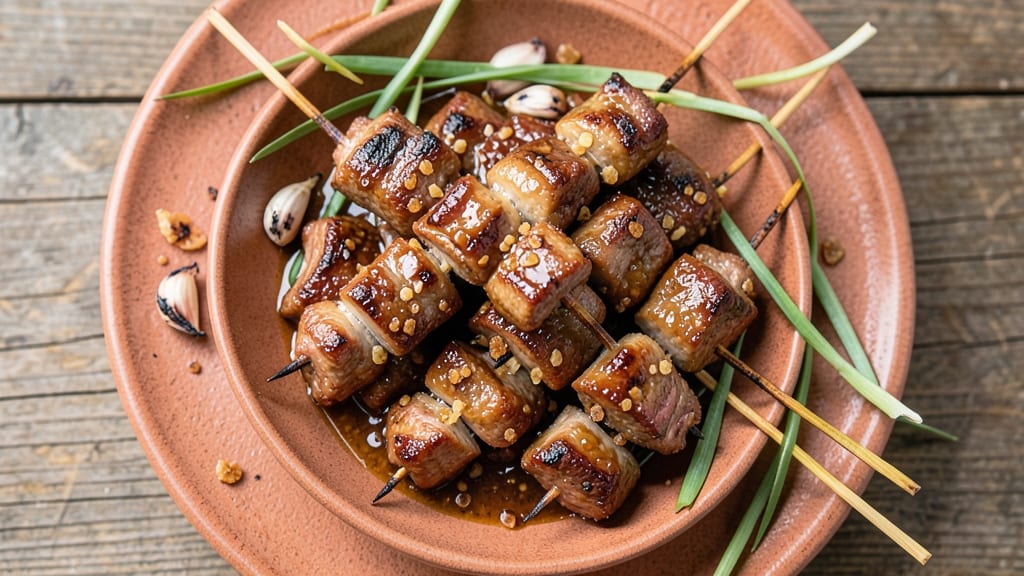
This barbecue beef skewers recipe delivers restaurant-quality flavor with every bite—juicy beef, smoky char, and a marinade that transforms simple cuts into showstopping bites. I developed this after years of perfecting skewers for backyard gatherings, where the aroma alone draws crowds.
The secret lies in a balanced marinade that tenderizes while building deep, caramelized crusts on the grill.
What sets these skewers apart is the technique: cube beef into uniform pieces for even cooking, then marinate for at least 4 hours (overnight is best) to let flavors penetrate. Charcoal grilling creates that authentic smoky flavor, but gas grills work perfectly too.
The skewers themselves are simple—soak wooden sticks in water first to prevent burning—but the difference in texture and presentation is noticeable.
By the time you're done, you'll have perfectly seared skewers with a crispy exterior and tender interior, glistening with caramelized marinade. Serve with a side of garlic aioli or a fresh herb salad to balance the smoky richness.
These skewers are ideal for summer cookouts, game day gatherings, or even a weeknight dinner that feels special.
Whether you're using ribeye, sirloin, or flank steak, this method ensures foolproof results every time. The marinade keeps the beef moist while the high-heat grill creates those coveted grill marks. Trust me—once you try these, you'll never buy pre-made skewers again.
Ingredients for barbecue beef skewers
Nine essential ingredients transform simple beef into smoky, juicy skewers that'll wow your crowd.
| Ingredient | Amount | Notes |
|---|---|---|
| Ribeye Steak 🥩 | 1 ½ lb | Trimmed of fat, cut into 1-inch cubes |
| Soy Sauce 🍶 | ½ cup | Low-sodium preferred for balance |
| Brown Sugar 🍯 | ¼ cup | Packed firmly for sweetness |
| Garlic Cloves 🧄 | 6 cloves | Minced finely for deep flavor |
| Fresh Ginger 🌿 | 2 tbsp | Grated, for zesty kick |
| Olive Oil 🫒 | ¼ cup | Extra-virgin for richness |
| Sesame Oil 🌰 | 1 tbsp | For nutty aroma (toasted sesame preferred) |
| Wooden Skewers 🪵 | 12 whole | Soaked in water for 30 minutes |
| Red Bell Pepper 🌶️ | 1 whole | Cut into 1-inch chunks for color |
| Red Onion 🧅 | 1 whole | Cut into 1-inch chunks for bite |
| Fresh Cilantro 🌿 | ¼ cup | Chopped, for fresh finish |
| Salt 🧂 | 1 ½ tsp | Diamond Crystal preferred |
| Ground Black Pepper 🌶️ | 1 tsp | Freshly cracked for heat |
| Lime 🍋 | 1 whole | Juiced, for brightness |
The beef is non-negotiable—ribeye or sirloin with good marbling delivers that melt-in-your-mouth texture. Costco or Whole Foods carry pre-trimmed cuts, but if you're buying whole, ask the butcher for a well-marbled section. Uniform 1-inch cubes ensure even cooking, so take the extra minute to measure. The marinade components are all pantry staples, but fresh ginger and garlic make the difference between good and restaurant-quality. I always grab the jarred minced garlic from Trader Joe's—it's prepped and ready to go.
No soy sauce? Coconut aminos work perfectly, though the flavor will be slightly sweeter. Running short on sesame oil? Toasted peanut oil at half the amount adds a similar nuttiness. The bell pepper and onion aren't just for color—they add texture that balances the beef's richness. Fresh cilantro is ideal, but dried oregano at one-third the amount works in a pinch. For extra smokiness, add 1 tbsp smoked paprika to the marinade. And trust me, soaking those skewers prevents them from burning—don't skip it.
Marinate the beef for at least 4 hours (overnight is best) in the fridge. The skewers keep well for 2 days in the fridge, but the beef gets more tender with time. For grilling, charcoal creates the best smoky flavor, but gas grills work perfectly too. Serve immediately for that crispy exterior, or hold under foil for 10 minutes if you're feeding a crowd. The lime juice should be freshly squeezed—bottled juice lacks brightness. Leftovers? Store in an airtight container with a paper towel to absorb moisture.
Why You'll Love This Recipe
- No-Fuss Prep: I swear by this recipe because it’s the kind of meal that feels like a hug—no fancy techniques, just cubes of ribeye marinated in soy, garlic, and ginger while I sip my coffee. The only real work is slicing the steak (and maybe peeling the garlic if you’re lazy like me).
- Sweet-Savory Magic: That caramelized brown sugar crust? It’s the star. The ribeye stays juicy inside while the edges get this addictive glaze—like a cross between a BBQ joint and your grandma’s kitchen. Honestly, I’ve had people ask for the recipe after one bite.
- Party in a Pan: These skewers work for everything: a weeknight dinner with rice and veggies, a backyard cookout, or even as a fancy appetizer when you’re hosting. I’ve served them cold in wraps for lunch, reheated them for dinner, and still had leftovers for sandwiches the next day.
- Leftovers That Don’t Suck: Most beef dishes dry out when reheated, but not these. The marinade keeps them tender, so I make a big batch, grill it all at once, and store them in the fridge. They’re just as good the third day—perfect for lazy mornings or a quick protein boost in salads. (Yes, even on a Tuesday night.)
Step-by-step instructions for charred, juicy beef skewers
Here's how to transform simple ingredients into restaurant-quality skewers with perfect char and tender beef.
Marinate the Beef for Maximum Flavor
In a large bowl, combine the 1.5 lb ribeye steak (cut into 1-inch cubes), 0.5 cup soy sauce, 0.25 cup packed brown sugar, 6 minced garlic cloves, 2 tablespoons grated fresh ginger, 0.25 cup olive oil, 1 tablespoon sesame oil, 1.5 teaspoons salt, and 1 teaspoon ground black pepper. I like to use my hands to coat each piece thoroughly—this ensures every bite gets that deep marinade penetration.
Transfer the mixture to a resealable plastic bag and seal tightly. Refrigerate for at least 4 hours, or overnight if possible. The longer it marinates, the more tender and flavorful the beef becomes. You'll know it's ready when the beef absorbs the marinade completely and the liquid becomes infused with color.
Prepare Vegetables and Skewers
While the beef marinates, cut the red bell pepper and red onion into 1-inch chunks. Soak the 12 wooden skewers in water for 30 minutes to prevent burning during grilling. This is crucial—dry skewers can catch fire instantly.
Drain the soaked skewers and let them air-dry slightly on paper towels. This helps them hold the food better. I arrange the vegetables on the skewers first, alternating between bell pepper and onion chunks. This creates a nice visual contrast and prevents the beef from touching the grill directly for even cooking.
Assemble and Chill the Skewers
Remove the beef from the marinade (reserve the marinade for basting) and thread it onto the prepared skewers, alternating with the vegetables. I like to use about 2-3 beef cubes per skewer—this gives everyone a generous portion without overcrowding.
Place the assembled skewers on a plate and return them to the refrigerator for 30 minutes before grilling. This brief chilling helps the marinade set slightly, ensuring it doesn't drip away when you cook the skewers. The beef should be cold but not frozen when you're ready to grill.
Grill to Perfect Char and Juiciness
Preheat your grill or grill pan to medium-high heat (about 400°F). When the grill is hot, place the skewers directly on the grates. Cook for 3-4 minutes per side, turning occasionally, until the beef reaches medium-rare (internal temperature of 135°F).
Here's the thing—you want visible char on the beef and vegetables, but the beef should still be juicy inside. If you see the marinade burning before the beef is done, move the skewers to a cooler part of the grill or reduce the heat slightly. The vegetables will cook faster than the beef, so they'll be ready before the meat reaches your desired doneness.
Finish with Fresh Herbs and Brightness
Remove the skewers from the grill and transfer them to a serving platter. Drizzle any remaining marinade over the top and sprinkle with 0.25 cup chopped fresh cilantro. Squeeze juice from the whole lime over everything for that bright, finishing touch.
Let the skewers rest for 2-3 minutes before serving. This resting period allows the juices to redistribute throughout the beef, ensuring each bite stays juicy. Serve immediately with extra lime wedges on the side—everyone will love how the charred exterior gives way to tender, flavorful beef with every bite.
Pro Tips For Making Barbecue Beef Skewers
- CUT STEAK AGAINST THE GRAIN: Ribeye’s muscle fibers run long—slicing perpendicular to them keeps your skewers tender. Skip this, and you’ll end up with chewy, rubbery bites that’ll make you question why you picked ribeye in the first place. A sharp knife and steady hand make all the difference.
- MARINATE COLD, NOT ROOM TEMP: I used to pull the steak out of the fridge and toss it straight into the marinade—big mistake. Cold meat absorbs flavors better and avoids uneven cooking. Let it sit in the fridge for 2–4 hours first, then marinate another 2–4 hours. Your skewers will taste deeper, not just surface-level.
- SKIP THE OVERCROWDING: Stuffing too much ribeye on a skewer turns it into a solid block that cooks unevenly. Aim for 1-inch gaps between pieces so heat circulates and the brown sugar caramelizes instead of steaming. Trust me, you’ll get juicier, more flavorful bites this way.
- GINGER NEEDS A GRATE, NOT A CHOP: Minced ginger loses its punch when cooked—it turns mushy and bland. Use a microplane or fine grater for the marinade, then mix it in last minute. The fresh, sharp flavor will cut through the richness of the ribeye like a knife. (Yes, even if you’re impatient like me.)
Regional styles of this recipe
Texas-Style Smokehouse
In Texas, skewers aren't just about beef—they're about bold flavors and slow-smoked techniques. I remember my first time at a Houston cook-off where they'd marinate ribeye in chipotle powder and blackened coffee for a deep, smoky kick.
For this style, swap the soy sauce for ½ cup beef broth and add 1 tbsp chipotle powder plus 1 tbsp ground coffee to the marinade. Grill over hickory or oak chips for that iconic Texas smoke, and serve with pickled jalapeños on the side. The key?
Low-and-slow—250°F for 2 hours—until the beef falls apart. 🔥
Greek Souvlaki Tradition
Greek skewers take a different approach—focused on lemon, oregano, and tender lamb (though beef works too). For an authentic twist, replace the soy sauce with ½ cup red wine vinegar and add 1 tbsp dried oregano, 1 tbsp lemon zest, and 1 minced shallot to the marinade.
Thread the beef with cherry tomatoes and kalamata olives for that Mediterranean flair. Grill over lemon-scented wood (or even charcoal in a traditional souvlaki pit) until the beef reaches 145°F internal temp. Serve with tzatziki sauce and warm pita bread—this combo is pure magic. ✨
Japanese Yakitori Style
Yakitori skewers are all about umami and precision. For this version, use boneless chicken thigh (or beef) and marinate in ½ cup mirin, 2 tbsp sake, 1 tbsp soy sauce, and 1 tbsp grated ginger. Skewer with shiitake mushrooms and leeks for texture.
Grill over binchotan charcoal (or a gas grill with a cedar plank) until the beef has crispy edges and 140°F internal temp. Brush with extra mirin glaze while grilling for that glossy finish.
Serve with steamed rice and pickled ginger—it’s like a mini izakaya experience at home. 🍶
Caribbean Jerk Fusion
Jerk seasoning transforms skewers into a tropical feast. Replace the marinade with ½ cup jerk seasoning (store-bought or homemade with scotch bonnet peppers, allspice, and thyme), 2 tbsp olive oil, and 1 tbsp lime juice.
Skewer with pineapple chunks and red onions for sweetness and crunch. Grill over pimento wood (or hickory) until the beef is medium-rare and the pineapple caramelizes slightly. Serve with mango salsa and cool coconut rice—this fusion is explosive. 🌶️
Korean Bulgogi Skewers
Bulgogi flavors shine on skewers with a sweet-savory marinade. Swap the soy sauce for ½ cup gochujang (Korean chili paste) and 2 tbsp brown sugar, then add 1 tbsp sesame seeds and 1 tbsp toasted sesame oil.
Skewer with pear slices (for natural sweetness) and grill over charcoal until the beef is medium-rare and the pears soften. Finish with sesame seeds and toasted seaweed strips for that authentic touch. Serve with kimchi and steamed rice—it’s a crowd-pleaser. 💛
Nutrition facts
Frequently asked questions
Can I use regular wooden skewers without soaking them?
No—soaking wooden skewers in water for 30 minutes is essential. Dry skewers burn instantly when exposed to high heat, creating a bitter flavor and potential fire hazard. If you forget, place them in a bowl of water while grilling and add more as needed. Metal skewers are a great alternative but require more effort to thread.
What's the best cut of beef for skewers?
Ribeye or sirloin work best—both have good marbling for flavor and tenderness. Flank steak is another great choice if you want to save money, but it benefits from a longer marinade (6-8 hours). Avoid lean cuts like eye of round; they dry out quickly on skewers. Ask your butcher for well-marbled sections if buying whole.
How do I prevent the beef from falling off the skewers?
Use soaked wooden skewers and thread beef pieces firmly, leaving just enough space between them for even cooking. For extra security, skewer vegetables first—they act as "anchors." If using metal skewers, secure with kitchen twine. Avoid overcrowding, which causes uneven cooking and makes pieces more likely to slip off.
Can I make these skewers ahead of time?
Yes! Assemble the skewers and refrigerate for up to 2 days before grilling. For longer storage, freeze them (uncooked) for 1 month3 days if stored in an airtight container. Pro tip: Let them sit at room temperature for 20 minutes before grilling for even cooking.
What if my grill isn't hot enough to get good char?
If your grill struggles with high heat, try these tricks: Clean the grates thoroughly first for better heat transfer, or use a grill pan on stovetop over medium-high heat. For extra char, sear the beef directly on the hottest part of the grill for 1-2 minutes per side before moving to indirect heat. Charcoal grills naturally create more char—if using gas, preheat for 10-15 minutes before cooking.