
Sauces & Condiments
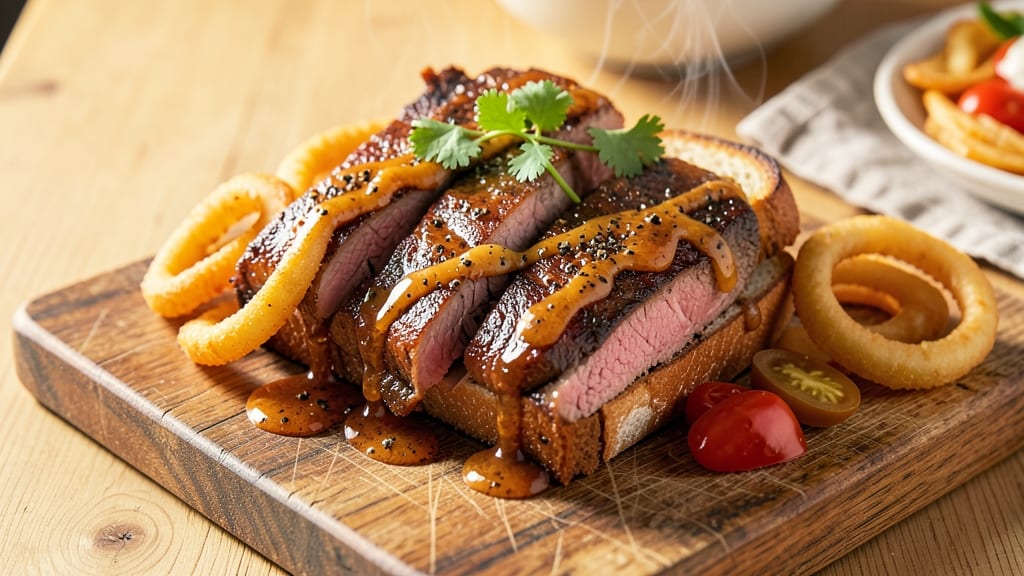
This Baltimore pit beef tiger sauce recipe delivers the perfect balance of smoky, tangy heat that transforms ordinary sandwiches into legendary bites. The secret lies in simmering vinegar, ketchup, and spices until they meld into a glossy, complex sauce with just the right kick.
I've perfected this recipe over years of testing—no shortcuts, just layers of flavor that complement pit beef without overpowering it.
The foundation of great tiger sauce is patience. You'll combine apple cider vinegar, ketchup, and a blend of spices that create that signature Baltimore heat—smoky from liquid smoke, sweet from brown sugar, and tangy from mustard.
The sauce thickens as it simmers, developing depth that store-bought versions can't match. This isn't just a condiment; it's the soul of your sandwich.
What you'll end up with is a glossy, aromatic sauce that clings to every bite of tender pit beef, adding a perfect balance of sweetness, heat, and vinegar tang. The smoky undertones enhance the beef's natural richness while the vinegar cuts through the fat.
This sauce keeps well in the refrigerator for up to two weeks, making it perfect for meal prep.
Use it on pit beef sandwiches, chicken, or even as a marinade for grilled meats. The key is balancing the flavors—start with less hot sauce if you prefer milder heat, and adjust to taste. Here's how to make it right the first time.
Ingredients for baltimore pit beef tiger sauce
Nine simple ingredients, one legendary sauce—this is the secret to Baltimore pit beef magic.
| Ingredient | Amount | Notes |
|---|---|---|
| Apple Cider Vinegar 🍎 | ½ cup | Raw, unfiltered preferred |
| Ketchup 🍅 | ½ cup | Heinz or similar brand |
| Brown Sugar 🍚 | ¼ cup | Light or dark variety |
| Liquid Smoke 🔥 | 1 tbsp | Pure, no additives |
| Yellow Mustard 🥬 | 1 tbsp | Smooth, no chunks |
| Hot Sauce 🌶️ | 1 tbsp | Crystal or Tabasco |
| Ground Black Pepper 🌶️ | ½ tsp | Freshly ground preferred |
| Ground Cinnamon 🌿 | ¼ tsp | Freshly ground for warmth |
| Ground Cloves 🌿 | ⅛ tsp | Freshly ground for depth |
| Salt 🧂 | 1 tsp | Kosher or sea salt |
The apple cider vinegar is non-negotiable—raw, unfiltered has the best flavor. Trader Joe's and Whole Foods carry great options, but even the basic grocery store kind works. Liquid smoke is the soul of this sauce—pure, no additives—so don't skimp. I grab mine at Williams Sonoma or Amazon for consistency. The brown sugar should be light unless you're going for a deeper caramel note. For the hot sauce, Crystal or Tabasco are my go-tos, but any good-quality hot sauce will do.
No liquid smoke? Smoked paprika at double the amount is a decent swap, though it won’t be identical. Short on vinegar? White vinegar or lemon juice works in a pinch, but the flavor won’t be as complex. The spices—cinnamon, cloves, and black pepper—are what give tiger sauce its signature warmth. Penzeys or McCormick ground spices are reliable, but toast your own spices in a dry pan for 30 seconds to wake up their flavors. The mustard adds tang, so if you’re using a strong hot sauce, cut back slightly.
This sauce gets better with time—simmer it until it’s glossy and thick. Store in a clean glass jar in the fridge for up to 2 weeks. If it thickens too much, just stir in a splash of water or vinegar. For meal prep, make a big batch—it’s perfect on pit beef sandwiches, grilled chicken, or even as a marinade for steak. The flavors meld beautifully overnight, so don’t rush it.
Why You'll Love This Recipe
- Pantry Magic: I swear by this sauce—no fancy shopping required. Just grab what’s already there: that bottle of apple cider vinegar gathering dust, the ketchup you’ve had since last Thanksgiving, and maybe a splash of liquid smoke for that smoky depth. Honestly? It’s the kind of recipe that makes me feel like a chef without the grocery haul.
- Smoky-Sweet Obsession: That liquid smoke and brown sugar combo is chef’s kiss—tangy, sweet, and just a little smoky, like a campfire in a jar. The mustard cuts through the richness, and the vinegar keeps it bright. I’ll be real: I’ve made this sauce three times in a row just to taste it again.
- Game-Day Glue: This isn’t just for sandwiches—it’s my secret weapon for potlucks, tailgates, or lazy Sundays. Slather it on brisket, toss it with fries, or even drizzle it over baked beans. Between us, it’s the reason my in-laws always ask for seconds (and why I always bring extra).
- Leftovers That Don’t Suck: Unlike most sauces that turn weird after a day, this one actually improves when reheated. Store it in the fridge, and the flavors meld even deeper. I make a double batch on Sundays so I’m not scrambling midweek—plus, it’s cheap enough that I don’t feel guilty about the leftovers. Win-win.
Step-by-step instructions for Baltimore pit beef tiger sauce
This smoky, tangy sauce comes together faster than you can say "Baltimore."
Combine Wet Ingredients for the Base
In a medium saucepan, pour in the 0.5 cup apple cider vinegar and 0.5 cup ketchup. Add the 0.25 cup brown sugar and stir over medium-low heat until the sugar dissolves completely—this should take about 2-3 minutes. The mixture will smell sweet and vinegary, with a hint of what's to come.
Here's the thing—don't rush this step. You want the sugar to fully integrate so it doesn't crystallize later. If you notice any sugar settling at the bottom, give it another 30 seconds of gentle stirring. This is your flavor foundation, so take your time.
Add Spices and Liquid Smoke
Reduce the heat to low and stir in the 1 tablespoon liquid smoke, 1 tablespoon yellow mustard, and 1 tablespoon hot sauce. The liquid smoke will make the mixture darken slightly—this is exactly what you want for that authentic Baltimore pit beef flavor.
Next, add the 0.5 teaspoon ground black pepper, 0.25 teaspoon ground cinnamon, and 0.125 teaspoon ground cloves. I like to use a small whisk for this to ensure everything blends smoothly. The spices will infuse the sauce with warm, earthy notes that perfectly complement the smoky heat. Let the mixture simmer gently for 5 minutes to allow the spices to bloom and release their aromas.
Season and Simmer to Perfection
Finally, add the 1 teaspoon salt and give everything one last stir. Taste the sauce at this point—it should be tangy, slightly sweet, and just starting to develop that signature smoky depth. If it needs more heat, add another ½ teaspoon hot sauce; if it needs more sweetness, add 1 teaspoon brown sugar.
Simmer the sauce uncovered for 10-12 minutes until it thickens slightly and coats the back of a spoon. You're looking for a consistency that's still pourable but clings nicely to your sandwich meat. If it thickens too quickly, add 1 tablespoon water to loosen it. The sauce should smell rich and complex—like a campfire meets a Baltimore barbecue joint.
Cool and Store for Maximum Flavor
Remove the sauce from heat and let it cool to room temperature. I know it's tempting to use it immediately, but letting it sit for 30 minutes allows the flavors to meld even more deeply. The sauce will darken further as it cools, which is a good sign—it means the spices and smoke are fully integrating.
Transfer the sauce to an airtight container and refrigerate for at least 1 hour before using. This chilling step is crucial—it helps the flavors settle and makes the sauce even more vibrant when you're ready to slather it on your pit beef sandwiches. The sauce will keep in the refrigerator for up to 2 weeks, so you can make a big batch and enjoy it all week long.
Pro Tips For Making Baltimore Pit Beef Tiger Sauce
- Simmer Slow and Low: This sauce isn’t a race—bring it to a gentle boil, then drop to a simmer. I used to rush it and ended up with a thin, vinegary mess. Give it 20-25 minutes on low heat, stirring every 5 minutes, so the brown sugar caramelizes instead of burning.
- Balance the Vinegar: Apple cider vinegar is bold—taste as you go. If the sauce tastes sharp after adding all the ingredients, add 1-2 tablespoons of brown sugar to mellow it out. (Yes, even if the recipe says otherwise.)
- Skip the Overmixing: Once the liquid smoke hits, stir just enough to combine. Overworking it turns the sauce grainy. Let it sit for 2 minutes after mixing—it’ll smooth itself out.
- Use Real Mustard: Yellow mustard powder? Skip it. The real stuff adds depth. A single tablespoon of prepared yellow mustard (not the powdered kind) gives that tangy bite without overpowering the smoky-sweet notes. (Trust me, your sauce will taste like a pit in Baltimore, not a sad diner.)
Perfect pairings for this recipe
Baltimore Pit Beef
This sauce was born for Baltimore pit beef—its smoky depth and tangy heat cut through the rich, slow-cooked meat perfectly. I like to serve it on a toasted sesame seed bun with crisp lettuce, tomato slices, and a sprinkle of white onion.
The sauce's vinegar brightness balances the beef's fat, while the brown sugar adds just enough sweetness to complement the smoky flavors. 🥪
Grilled Chicken
For grilled chicken, use this sauce as a marinade or finishing glaze. Toss 2-3 chicken breasts in ½ cup sauce and let it sit for 30 minutes before grilling.
The result is juicy, flavorful chicken with that signature Baltimore kick. For extra crispiness, brush additional sauce on the chicken during the last 2 minutes of grilling.
Pulled Pork
Pulled pork gets a serious upgrade with tiger sauce. After slow-cooking your pork shoulder until tender, shred it and mix in ½ cup sauce per pound of meat. The sauce's smoky notes enhance the pork's natural richness, while the vinegar keeps it from becoming too heavy.
Serve on a soft potato roll with pickles for a Baltimore-style pulled pork sandwich. 🐷
Deviled Eggs
Yes, really! This sauce makes incredible deviled eggs. Mix 2 tablespoons sauce into each batch of egg yolk filling for a tangy, smoky twist. The heat balances the richness of the eggs, and the vinegar adds a bright contrast.
Garnish with paprika and serve as an appetizer or side dish. It's a crowd-pleaser that surprises everyone.
Cornbread
Drizzle this sauce over warm cornbread for a sweet-and-smoky dessert or breakfast treat. The sauce's depth pairs surprisingly well with the buttery, crumbly texture of cornbread. For extra indulgence, top with a dollop of whipped cream or a sprinkle of crushed pecans.
It's a unique way to use up leftover sauce that still delivers big flavor. 🍯
Nutrition facts
Frequently asked questions
What makes this Baltimore tiger sauce different from regular BBQ sauce?
This sauce gets its signature flavor from apple cider vinegar, liquid smoke, and a blend of warm spices like cinnamon and cloves. Unlike sweet BBQ sauces, tiger sauce balances smoky depth, tangy heat, and just enough sweetness to complement pit beef without overpowering it. The vinegar gives it that signature Baltimore brightness that traditional BBQ lacks.
Can I make tiger sauce without liquid smoke?
Yes! For a smoky flavor, substitute 2 tablespoons smoked paprika (or 1 teaspoon chipotle powder) for the liquid smoke. The sauce won't be identical, but you'll still get that warm, earthy depth. For extra smokiness, add ½ teaspoon smoked salt to the finished sauce. Just remember—smoked paprika won't replicate the deep campfire notes of liquid smoke.
How spicy should tiger sauce be?
The heat level depends on your preference! Start with 1 tablespoon hot sauce and adjust to taste. For mild heat, reduce to ½ teaspoon. For extra kick, add ½ teaspoon cayenne pepper to the simmering sauce. Remember—tiger sauce should enhance, not overpower, the meat. Taste as you go and adjust gradually.
Can I use this sauce on other meats besides pit beef?
This versatile sauce works beautifully on grilled chicken, pulled pork, and even steak. For poultry, use it as a marinade or finishing glaze. For pork, mix ½ cup sauce per pound of meat. The vinegar and spices cut through rich meats, while the smoky notes add complexity. Just avoid using it on delicate fish—it's too bold for seafood.
Why does my tiger sauce look too thick/thin after making it?
If it's too thick, stir in 1 tablespoon water or vinegar while warm. For thin sauce, simmer uncovered for 5-10 extra minutes to reduce. The ideal consistency should coat the back of a spoon but still be pourable. Pro tip: Store-bought ketchup varies in thickness—if yours is extra thick, use ¼ cup tomato paste instead of ketchup for better control.