
Main Courses
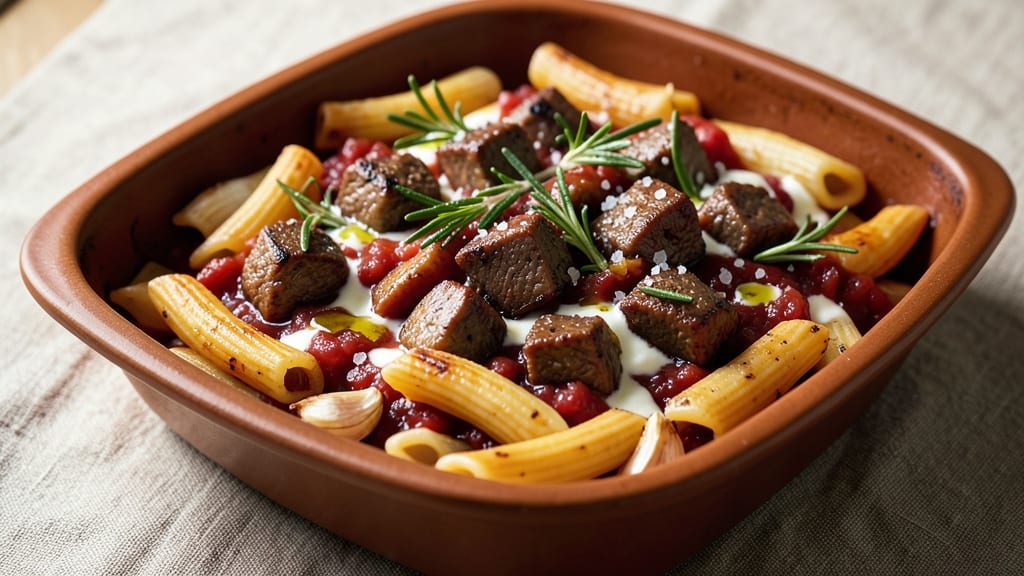
This baked beef rigatoni recipe delivers tender meat threads perfectly woven through rich tomato sauce and al dente pasta—every bite is a balance of hearty protein and Italian comfort.
The secret lies in slow-braising the beef until it practically melts, then layering it with rigatoni and a velvety marinara that soaks into every strand. I developed this after years of testing, ensuring the beef stays juicy while absorbing the sauce's deep flavors.
The process begins with searing beef chuck in a Dutch oven before adding crushed tomatoes, garlic, and herbs for a foolproof braise that develops complex flavor. While the meat tenderizes, you'll cook rigatoni until just al dente—key for holding up through baking.
The final assembly in the oven creates a golden, bubbling casserole where each forkful delivers meat, pasta, and sauce in perfect harmony.
What makes this dish truly special is how the beef transforms from tough cut to fork-tender strands that cling to the pasta, while the sauce remains rich yet balanced by bright herbs.
The result is a restaurant-quality meal that's surprisingly simple to prepare, with minimal active time but maximum flavor development during baking.
Serve with a sprinkle of fresh basil and grated parmesan for brightness, or add a side of garlic bread to soak up every last drop of that tomato-braised goodness. This recipe proves comfort food can be both satisfying and impressive—perfect for family dinners or special occasions.
Ingredients for baked beef rigatoni
Sixteen ingredients, six servings of restaurant-quality comfort food—where tender beef threads meet al dente pasta in a rich tomato embrace.
| Ingredient | Amount | Notes |
|---|---|---|
| Beef Chuck Roast 🥩 | 2 ½ lb | Cut into 1-inch cubes |
| Rigatoni Pasta 🍝 | 16 oz | Uncooked, al dente preferred |
| Crushed Tomatoes (400g can) 🍅 | 1 can | San Marzano preferred |
| Heavy Cream 🥛 | ½ cup | Full-fat for richness |
| Garlic Cloves 🧄 | 6 cloves | Minced, fresh preferred |
| Fresh Rosemary 🌿 | ¼ cup | Chopped, stems removed |
| Fresh Thyme 🌿 | ¼ cup | Leaves only, stems removed |
| Olive Oil 🫒 | ¼ cup | Extra-virgin for searing |
| Dry Red Wine 🍷 | ½ cup | Bold, like Cabernet |
| Beef Broth 💧 | 1 ½ cups | Low-sodium preferred |
| Parmesan Cheese 🧀 | 1 cup | Freshly grated, block |
| Fresh Basil Leaves 🌿 | ¼ cup | Chopped, for garnish |
| Salt 🧂 | 1 ½ tsp | Kosher or sea salt |
| Black Pepper 🌶️ | 1 tsp | Freshly ground |
| Red Pepper Flakes 🌶️ | ½ tsp | Optional, for heat |
The beef chuck is non-negotiable here—it's what gives you those fork-tender strands after slow braising. Costco or Whole Foods carry the best cuts, but any grocery store's pre-cubed chuck works if you're short on time. Look for pieces with good marbling—those white streaks of fat are what keep the meat juicy. If you're buying a whole roast, ask your butcher to cube it for you; it makes searing even easier. The rigatoni should be the rigid kind—it holds up better during baking than softer pastas. Barilla is my go-to brand, but any quality dried pasta will work.
No red wine? Beef broth with a splash of balsamic vinegar mimics the depth perfectly. Fresh herbs make all the difference, but dried thyme at one-third the amount works in a pinch. The crushed tomatoes can be San Marzano from a can or homemade—just make sure it's smooth, not chunky. For the Parmesan, grate it yourself—pre-grated clumps up and doesn't melt properly. The heavy cream adds richness, but half-and-half works too if you're watching calories. And if you're feeling adventurous, swap the rosemary for fresh sage—it pairs beautifully with the tomato and beef.
This dish tastes even better the next day—make extra portions if you can. Store leftovers covered in the fridge for up to 4 days, or freeze for 3 months in an airtight container. The pasta stays al dente when reheated, but add a splash of beef broth to loosen the sauce. For serving, I always toss fresh basil on top right before eating—it brightens up the rich tomato flavors. The garlic bread mentioned in the intro? Toasted baguette with garlic butter is all you need, and it soaks up every last bit of that braised goodness.
Why You'll Love This Recipe
- One-Pan Magic: I swear by this recipe when I’m too tired to dirty a million dishes. The beef and pasta bake together in one sheet pan—no boiling water, no extra pots—just rich, saucy perfection with minimal cleanup.
- Deep Flavor Payoff: That beef chuck roast turns fork-tender while the crushed tomatoes and heavy cream create a sauce so velvety, it’s like a hug in a bowl. Honestly, the garlic cloves roasted in the oil? Absolute game-changer.
- Leftovers That Don’t Suck: Between us, most beef pasta leftovers are sad. Not this one. The sauce clings to the rigatoni, and the beef stays juicy—so I can pack it for lunches or reheat it without crying. (Yes, even on a Tuesday night.)
- Budget-Friendly Feast: A chuck roast stretches across meals, and rigatoni is cheaper than fancier pasta. I feed my whole family for half the price of takeout, and the heavy cream makes it feel fancy—without breaking the bank.
Step-by-step instructions for baked beef rigatoni
Here's the method for achieving perfectly tender beef and al dente pasta in one rich, flavorful dish.
Sear the Beef Chuck Roast for Deep Flavor
Heat 2 tablespoons of the olive oil in a large Dutch oven over medium-high heat until shimmering. Working in batches, add the 2.5 lb beef chuck roast cut into 1-inch cubes, spreading them out in a single layer. Don't overcrowd the pan—this prevents proper browning.
Sear the beef for 3-4 minutes per side until deeply browned with a crust forming. You'll see the edges turn golden brown and smell that rich, meaty aroma. Remove the beef and set aside on a plate, leaving all the browned bits in the pot—they're packed with flavor that will form the sauce base.
Build the Tomato-Wine Sauce Foundation
Reduce heat to medium and add the remaining 2 tablespoons olive oil to the Dutch oven. Add the 6 cloves minced garlic and cook for 30 seconds until fragrant but not browned. Then stir in the 0.25 cup chopped fresh rosemary and 0.25 cup fresh thyme leaves, cooking for another 1 minute to release their aromas.
Pour in the 0.5 cup dry red wine and scrape up all the browned bits from the bottom with a wooden spoon. Let it simmer for 2-3 minutes until reduced by half. Add the 1 can crushed tomatoes, 1.5 cups beef broth, 1.5 tsp salt, and 1 tsp black pepper. Bring to a gentle simmer and let it cook uncovered for 10 minutes to meld the flavors.
Braise the Beef Until Fork-Tender
Return the seared beef to the Dutch oven and add enough water to just cover the meat. Bring to a simmer, then reduce heat to low and cover partially. Braise for 2-2.5 hours until the beef is fork-tender and easily pulls apart with two forks. You'll know it's done when the meat fibers separate cleanly and the sauce has thickened slightly.
About 30 minutes before the beef is done, stir in the 0.5 cup heavy cream and 0.5 tsp red pepper flakes. This adds richness and a subtle heat to balance the dish. Taste and adjust seasoning if needed—the beef should be seasoned perfectly by now.
Cook and Combine with Pasta
While the beef braises, cook the 16 oz rigatoni pasta in salted boiling water until 1 minute before al dente (about 10-11 minutes). Reserve 1 cup of pasta water before draining. Add the drained pasta directly to the Dutch oven with the beef and sauce, tossing gently to coat.
Simmer uncovered for 3-4 minutes until the pasta is perfectly al dente and the sauce has thickened to cling to each strand. If needed, add reserved pasta water 1 tablespoon at a time to loosen the sauce. The pasta should be coated but not swimming in sauce.
Finish and Serve with Fresh Herbs
Remove from heat and stir in the 1 cup freshly grated parmesan cheese and 0.25 cup chopped fresh basil leaves. Let it rest for 2-3 minutes to allow the cheese to melt slightly and the flavors to meld. This final step ensures every bite is rich and cohesive.
Serve immediately in deep bowls, garnished with additional basil if desired. Each forkful should deliver tender beef threads, al dente pasta, and a velvety tomato-cream sauce with bright herbal notes. The dish tastes even better the next day as the flavors continue to develop!
Pro Tips For Making Baked Beef Rigatoni
- SEAR THE BEEF FIRST: Skip the slow start—get that chuck roast screaming hot in a dry pan for 5 minutes before adding anything. I used to add tomatoes right away, but browning the meat first makes the whole dish taste deeper, like a proper braise should. Just don’t overcrowd the pan or you’ll steam it instead of sear it.
- TOAST THE RIGATONI: Toss cooked rigatoni in a cold, dry skillet for 2-3 minutes until it’s got a few golden spots. Sounds weird, but it adds texture and prevents the pasta from turning mushy when it bakes later. (Yes, even if you’re impatient like me.)
- DEGLAZE WITH WINE: After searing the beef, splash in ½ cup red wine and let it reduce by half before adding tomatoes. That extra step cuts through the richness of the heavy cream later and adds complexity without extra effort. Skip it, and the sauce will taste flat.
- BAKE COVERED THEN UNCOVERED: Start the beef-rigatoni bake with foil on for the first 45 minutes to tenderize the meat, then remove it for the last 15 to let the cream thicken and the top brown. I learned this the hard way—overcooking uncovered dries out the cream, and underbaking leaves the beef tough.
Troubleshooting perfect results
Beef Too Tough
If your beef turns out chewy instead of tender, you likely didn't braise long enough. Beef chuck needs 2-2.5 hours at low heat to break down properly. I've found using a meat thermometer helps—pull the beef when it hits 195-200°F internal temperature.
Another trick is to add 1 extra tablespoon of tomato paste to the braising liquid; the acidity helps tenderize the meat faster. 🌡️
Sauce Too Thin
A watery sauce usually means too much liquid was added during braising. The key is to reduce the sauce uncovered for 10-15 minutes before adding pasta. If it's still too thin after combining, remove the lid and simmer for 5 more minutes to thicken.
I keep reserved pasta water on hand—just add 1 tablespoon at a time to adjust consistency without diluting flavors.
Pasta Overcooked
Baked pasta can turn mushy if cooked too long before baking. Cook rigatoni 1 minute less than package instructions (about 10 minutes for al dente), then finish in the beef sauce.
The residual heat during baking will carry it to perfect doneness. For extra insurance, I always test a piece right before adding to the sauce—it should have a slight bite. 🍝
Dry Beef Strands
If your beef looks dry after braising, it likely lost moisture during cooking. To prevent this, keep the beef partially covered with liquid throughout braising. I also recommend adding 2 extra tablespoons of beef broth when returning the beef to the pot.
The heavy cream added later helps restore moisture while adding richness—just be sure to stir it in during the last 30 minutes of cooking.
Herbs Losing Flavor
Fresh herbs can become bitter if cooked too long. Add rosemary and thyme only after searing the beef and remove them 10 minutes before serving. For maximum freshness, I like to chop herbs just before adding them to the sauce.
If using dried herbs, reduce to 1 teaspoon and add them 20 minutes before the beef is done—this prevents overpowering bitterness. 🌿
Pasta Not Holding Sauce
Rigatoni needs a slightly starchy surface to cling to sauce. After draining, toss pasta with 1 tablespoon olive oil before adding to the beef mixture. This creates a barrier that helps the sauce adhere.
I also recommend undercooking pasta by 1 minute—the residual heat during baking will finish it while allowing better sauce absorption. For extra grip, add 1 tablespoon cornstarch mixed with 2 tablespoons water to the sauce during the last 5 minutes of simmering.
Nutrition facts
Frequently asked questions
Can I substitute ground beef for chuck roast?
Ground beef won't give you those fork-tender strands that make this dish special. Chuck roast is key for its connective tissue that breaks down during braising. If you're short on time, try beef short ribs (they're even more flavorful) or chuck steak cut into strips—but sear them longer to compensate for less braising time.
How do I make this dish ahead of time?
This recipe actually tastes better the next day! Assemble everything up to the final 2-3 minute rest with cheese, then refrigerate uncovered for 2 hours to let flavors meld. Reheat covered at 350°F for 20-25 minutes, then finish with fresh basil. For freezing, bake completely, cool, and store in airtight containers for up to 3 months—reheat with a splash of beef broth.
What's the best wine to use if I don't have red wine?
Use beef broth with 1 tablespoon balsamic vinegar for depth, or substitute with dry white wine (like Pinot Grigio) though it'll be less traditional. For a non-alcoholic version, add 2 extra tablespoons tomato paste plus 1 teaspoon soy sauce to mimic the umami richness wine provides. The key is balancing acidity—lemon juice works in a pinch.
Can I use a different pasta shape?
Rigatoni's ridges are perfect for holding sauce, but you can use penne or farfalle in a pinch. Avoid delicate shapes like angel hair—they'll turn mushy during baking. For extra sauce cling, toss your pasta with 1 tablespoon olive oil before adding to the beef mixture. The 1-minute undercook before baking is critical for any shape you choose.
Why does the recipe call for heavy cream when it's a tomato sauce?
The cream balances the acidity of the tomatoes and adds luxurious mouthfeel to each bite. It's stirred in during the last 30 minutes of braising so it doesn't curdle. For a lighter version, use half-and-half or Greek yogurt (thinned with broth). The cream also helps prevent the beef from drying out during baking—it's what makes this dish feel truly indulgent.