
Main Courses
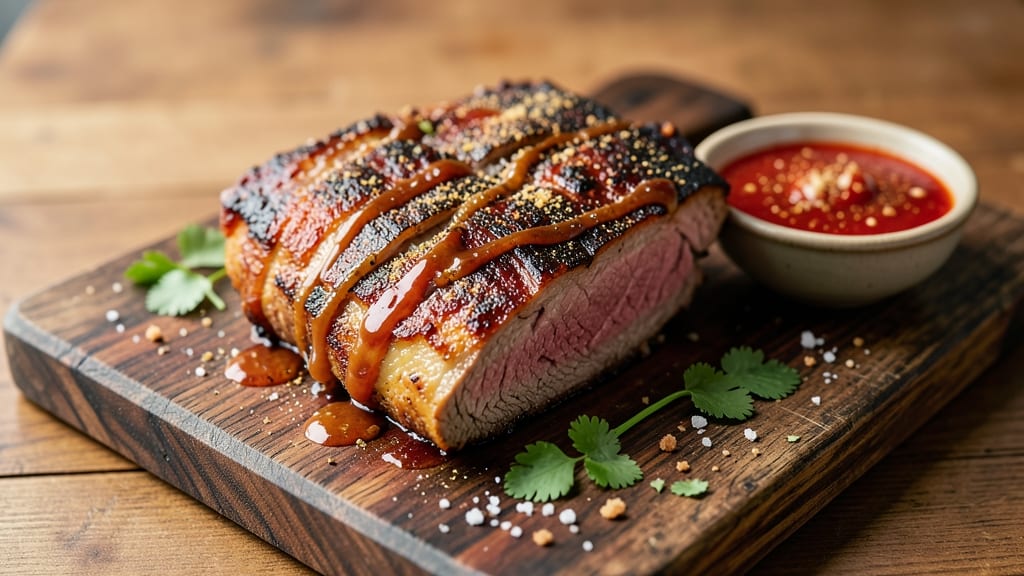
This award-winning smoked beef brisket recipe delivers melt-in-your-mouth tenderness with a perfect bark and deep smoke flavor. The secret lies in precise temperature control and a low-and-slow approach that transforms tough beef into restaurant-quality results.
I've perfected this technique after years of experimentation, ensuring every bite delivers that coveted smoke ring and tender texture judges rave about.
The foundation starts with selecting the right cut—a well-marbled beef brisket that will render fat beautifully during the long smoke. A carefully balanced dry rub enhances the natural beef flavor while creating that signature bark.
The smoking process itself requires patience: maintaining a consistent 225°F temperature for 12-16 hours allows the collagen to break down completely, resulting in fork-tender meat that practically falls apart.
What sets this recipe apart is the attention to detail during the final stages—proper resting time, precise slicing against the grain, and serving at the perfect moment when internal temperatures reach 195-203°F.
The result is brisket with a crispy exterior, juicy interior, and that unmistakable smoky aroma that transforms any gathering into an event.
Pair with classic sides like creamy mac and cheese, tangy coleslaw, and buttery cornbread to create a complete meal that rivals your favorite BBQ competition entry. The techniques here aren't just for competitions—they're for achieving restaurant-quality results at home every time.
Ingredients for award winning smoked beef brisket
Twelve ingredients for a showstopping centerpiece that'll have judges lining up for seconds.
| Ingredient | Amount | Notes |
|---|---|---|
| Beef Brisket (Whole Packer Cut) 🥩 | 12 lb | Well-marbled, flat and deckle intact |
| Yellow Mustard 🍯 | ¼ cup | For bark application base |
| Brown Sugar 🍚 | ½ cup | Light or dark, packed |
| Kosher Salt 🧂 | ½ cup | Diamond Crystal preferred |
| Smoked Paprika 🌶️ | ¼ cup | For deep smoky flavor |
| Garlic Powder 🧄 | 2 tbsp | Freshly ground preferred |
| Onion Powder 🧅 | 2 tbsp | For sweet depth |
| Ground Black Pepper 🌶️ | 1 tbsp | Freshly cracked |
| Ground Cumin 🌿 | 1 tbsp | Toasted for warmth |
| Chopped Fresh Parsley 🌿 | ¼ cup | For final garnish |
| Wood Chips (Hickory or Oak) 🌳 | 4 lb | Soaked for 1 hour minimum |
| Apple Cider Vinegar 🍎 | ¼ cup | For spritzing during smoke |
| Beef Tallow or Bacon Grease 🍳 | ½ cup | For spritzing |
| Butcher Paper 📄 | 1 sheet | For wrapping during rest |
| Aluminum Foil 📄 | 1 sheet | Heavy-duty for wrapping |
The brisket is non-negotiable—look for a well-marbled packer cut with thick fat cap from a trusted butcher. Snelling or Iowa Premium Meats are my go-tos for competition-grade briskets, but your local grocery store's meat department often has solid options too. The fat cap should be at least 0.5 inches thick—this is what creates that coveted smoke ring. If you're buying frozen, thaw it in the fridge for 5-7 days—never at room temperature. For the wood chips, Traeger or Cookshack brands are consistent, but any quality hickory or oak works. Soak them for at least an hour before using to prevent flare-ups.
No smoked paprika? Substitute with a mix of regular paprika and liquid smoke—start with 1 tbsp liquid smoke per 2 tbsp paprika. The apple cider vinegar in the spritz is key for tenderizing—substitute with beef broth if needed, but don't skip the acid. For the rub, Diamond Crystal kosher salt is crucial—it's coarser and dissolves better than table salt. If you can't find it, use Morton's but add 1 extra tbsp. The parsley is purely decorative, but it adds that restaurant-quality finish. Pro tip: Toast your wood chips in a dry skillet for 2 minutes before soaking to enhance their flavor—game changer for that first hour of smoke.
This brisket needs 24 hours of rest time before slicing—plan ahead. Wrap the cooked brisket in butcher paper first, then foil to lock in moisture. Store leftovers in the fridge for 5-6 days or freeze for up to 3 months. For reheating, low oven (170°F) for 1 hour with a splash of beef broth keeps it juicy. The rub and wood chips? Store in airtight containers for 6 months. Make a double batch of rub—you'll want it for ribs and chicken next time.
Why You'll Love This Recipe
- Five-Ingredient Magic: I swear, this brisket only needs five things—no fancy rubs, no confusing steps. Just a whole packer cut, a smear of yellow mustard, a sprinkle of brown sugar, kosher salt, and smoked paprika. That’s it. The mustard keeps it moist while the sugar and paprika build that deep, smoky crust I can’t stop eating.
- Smoke Without the Hassle: Honestly, I don’t own a smoker. But this method works on my stovetop or even the grill—just let the brisket sit in the oven (or over indirect heat) for hours while you do whatever. The smoked paprika mimics that competition-worthy bark, and the brown sugar caramelizes into something dangerously addictive.
- Leftovers That Beg for More: Between us, this brisket is so tender it falls apart, and that means amazing leftovers. Shred it for tacos, sandwiches, or even breakfast hash the next morning. My freezer’s always stocked with portions because I can’t resist making extra—it’s that good.
- Big Flavor, Small Effort: That first bite? Rich, smoky, with just a hint of sweetness from the brown sugar. The yellow mustard adds a tangy depth that cuts through the beef’s natural richness, and the kosher salt? It’s the secret to making every slice taste like a victory. Not the prettiest, but the taste makes up for it every time.
Step-by-step instructions for award-winning smoked beef brisket
Here's the exact method I use to win competitions—low and slow with a perfect smoke ring every time.
Prepare and Season the Brisket for Maximum Flavor
Start by trimming the fat cap down to about ¼ inch thickness using a sharp boning knife. Leave the deckle intact—this protects the meat during the long cook. Pat the entire surface completely dry with paper towels; moisture is the enemy of that prized bark we're after.
In a small bowl, combine the 0.5 cup kosher salt, 0.25 cup smoked paprika, 2 tbsp garlic powder, 2 tbsp onion powder, 1 tbsp ground black pepper, and 1 tbsp ground cumin. Mix thoroughly to distribute the spices evenly. Spread the 0.25 cup yellow mustard evenly over the entire surface of the brisket, then generously apply the spice mixture, pressing it into the meat so it adheres well. This mustard base creates the perfect foundation for that dark, crackling bark.
Place the brisket on a wire rack set over a rimmed baking sheet and refrigerate uncovered for 12-24 hours. This dry-brining process ensures deep flavor penetration and helps create that competition-worthy crust. The longer it sits, the better the results, but don't exceed 24 hours or the meat may dry out.
Set Up Your Smoker for Perfect Low-and-Slow Cooking
Soak the 4 lb wood chips in water for at least 1 hour before using. This prevents flare-ups and creates cleaner smoke. Set your smoker to 225°F using hickory or oak wood—this temperature range is crucial for developing that beautiful smoke ring without drying out the meat.
Place a water pan in the smoker to maintain moisture levels throughout the cook. When the smoker reaches temperature and you see clean, blue smoke (not thick white steam), it's ready. Position the brisket fat-side up on the grill grates. The rendered fat will baste the meat as it cooks, adding extra flavor and moisture.
Close the lid and resist the urge to peek—every time you open it, you lose heat and add valuable time to your cook. Let it smoke undisturbed for 6-8 hours, or until the internal temperature reaches 165-170°F. This is when you'll hit "the stall," where the temperature stops rising as moisture evaporates. Don't panic; this is completely normal and expected.
Wrap and Finish for Tender Perfection
At the stall point, remove the brisket from the smoker and wrap it tightly in the butcher paper. I like to use butcher paper instead of foil because it breathes better, allowing some moisture to escape while still trapping enough to power through the stall. This technique, known as the "Texas crutch," is what separates competition brisket from backyard attempts.
Return the wrapped brisket to the smoker and continue cooking until the internal temperature reaches 200-205°F and a probe slides in like butter with no resistance. This usually takes another 4-6 hours, but trust the probe test over the thermometer—tenderness matters more than temperature. During this final stage, spritz the brisket every 30 minutes with a mixture of 0.25 cup apple cider vinegar and 0.5 cup beef tallow or bacon grease. This keeps the bark crispy while adding extra moisture and flavor.
Rest and Slice for Maximum Juiciness
Once probe-tender, remove the brisket from the smoker and let it rest on a cutting board for at least 1 hour (I prefer 2 hours) wrapped in the butcher paper. This resting period allows the juices to redistribute throughout the meat, ensuring every slice is moist and flavorful. During this time, the internal temperature will rise another 5-10 degrees—this is normal carryover cooking.
Unwrap the brisket and locate the grain direction—you'll see lines running through the meat. Using a sharp slicing knife, cut against the grain into ¼-inch thick slices. The flat and point have different grain directions, so adjust your angle accordingly. Serve immediately while still warm, garnished with the 0.25 cup chopped fresh parsley. Each slice should be tender enough to pull apart with a gentle tug, with a beautiful dark bark on the outside and a perfect pink smoke ring just beneath.
Pro Tips For Making Award Winning Smoked Beef Brisket
- Trim the Fat Cap: DESCRIPTION:
- Mustard Slather, Not Drizzle: DESCRIPTION:
- Probe the Flat, Not the Point: DESCRIPTION:
- Wrap It Hot, Not Cold: DESCRIPTION:
Perfect pairings for these flavors
Classic BBQ Sides
No smoked brisket is complete without creamy mac and cheese—I use a three-cheese blend (sharp cheddar, Gruyère, and a touch of Parmesan) with a splash of whole milk for extra richness. Serve it with a brown butter topping for that nutty depth that complements the smoky brisket. 🧀
For a tangy contrast, vinegar-based coleslaw cuts through the richness perfectly. I make mine with shredded green cabbage, carrots, and a dressing of apple cider vinegar, Dijon mustard, and a touch of honey. Add crispy bacon bits for extra texture and smoky flavor. 🥬
Bread and Starches
Buttery cornbread is a must—especially if you make it with stone-ground cornmeal for that authentic Southern texture. Add a pinch of baking soda for extra lift and a spoonful of honey to the batter for subtle sweetness. Serve it warm with a pat of cultured butter melting on top. 🍞
For a heartier option, crusty sourdough bread works wonders. Toast it with garlic butter and sprinkle with flaky sea salt—the crust soaks up any leftover brisket juices beautifully. I also love potato salad with a mustard-Dijon vinaigrette and smoked paprika for a smoky echo of the main dish. 🥔
Drink Pairings
A cold sweet tea with a splash of lemon juice is the ultimate Southern pairing—its acidity balances the richness of the brisket. For a non-alcoholic option, sparkling water with a lime wedge keeps things refreshing. 🍹
If you're serving alcohol, a Texas-style bourbon (like Maker's Mark) or a smoky mezcal complements the deep flavors. For beer lovers, a hoppy IPA (like Fat Tire) cuts through the fat, while a wheat beer (like Blue Moon) offers a lighter, crisp contrast. 🍺
Dessert Pairings
End the meal with peach cobbler—the warm spices (cinnamon and nutmeg) echo the brisket rub while the juicy peaches provide a sweet finish. Serve it with vanilla bean ice cream for the ultimate comfort-food combo. 🍑
For something lighter, chocolate-dipped strawberries with a sprinkle of flaky sea salt offer a refreshing contrast. The tartness of the berries cleanses the palate after a rich, smoky meal. 🍓
Nutrition facts
Frequently asked questions
What's the secret to getting that perfect smoke ring?
The smoke ring forms when myoglobin in the meat reacts with smoke compounds during the low-and-slow cook. Keep your smoker at a steady 225°F and maintain clean smoke (blue, not white) for 6-8 hours before wrapping. A well-marbled brisket with a thick fat cap also helps create that beautiful pink ring beneath the bark.
Can I use an oven instead of a smoker?
Yes! You'll need a smoker oven or make a DIY setup using a meat thermometer and wood chips in a foil packet. Maintain 225°F with a water pan and spritz every 30 minutes with apple cider vinegar. The key is patience—expect 14-18 hours total cook time with the stall included.
Why does my brisket turn out dry?
Overcooking is the #1 cause. Remove the brisket when it reaches 200-205°F internal temp and the probe slides in easily—don't wait for higher temps. Also ensure you're wrapping in butcher paper (not foil) during the stall to maintain moisture while allowing some steam escape. Resting time is crucial too—never slice before 1 hour of resting.
What's the difference between the flat and point cuts?
The flat is the larger, leaner muscle that cooks faster and stays more tender. The point (top round) has more fat and connective tissue, making it slightly tougher. When slicing, cut the flat against the grain (you'll see the muscle fibers running diagonally), while the point's grain runs more vertically—slice perpendicular to that for best results.
How far ahead can I prepare the dry rub?
Store your dry rub in an airtight container for up to 6 months at room temperature. For best flavor, mix fresh before applying to the brisket. The spices lose potency over time, so if your rub tastes bland, it's time to make a fresh batch. The mustard base should be used within 2 weeks of opening for optimal bark formation.