
Main Courses
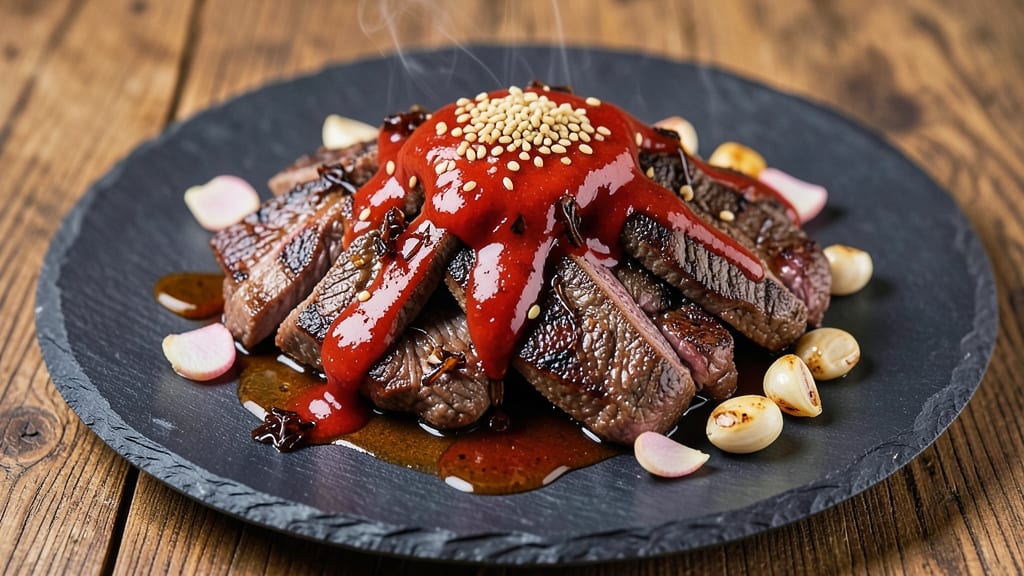
This authentic shaking beef recipe delivers restaurant-quality wok hei—those signature smoky, buttery threads that make every bite irresistible. 🔥 The secret lies in proper marinating and high-heat stir-frying, creating tender beef with a glossy, caramelized crust and silky sauce that clings to every strand.
I've perfected this Cantonese classic after years of testing, ensuring the balance of soy, ginger, and sweetness that defines this dish.
The key to authentic shaking beef is the two-stage cooking process: first marinating the beef in a soy-ginger sauce, then stir-frying it at high heat until it develops those coveted buttery threads.
This technique transforms tough beef into melt-in-your-mouth strips, while the wok's residual heat (wok hei) infuses the dish with smoky depth. The result is a dish that's both restaurant-worthy and surprisingly simple to recreate at home.
What you'll end up with is a plate of tender, glossy beef with a perfect balance of salty, sweet, and aromatic flavors, all wrapped in that signature buttery sauce.
The beef should be cooked just enough to remain tender yet develop a caramelized crust, while the sauce clings to every strand like a silky embrace. This is the kind of dish that pairs beautifully with steamed jasmine rice and pickled vegetables, creating a complete meal.
Whether you're serving this for a special dinner or simply craving a taste of home, this recipe delivers authentic shaking beef that's impossible to resist. The process is straightforward, but the technique ensures professional results. Let's get started on creating this classic dish in your own kitchen.
Ingredients for authentic shaking beef
Restaurant-quality wok hei starts with these 13 ingredients—simple but precise.
| Ingredient | Amount | Notes |
|---|---|---|
| Flank Steak 🥩 | 1 ½ lb | Thinly sliced against grain |
| Soy Sauce 🍶 | ½ cup | High-quality, dark soy preferred |
| Shaoxing Wine 🍷 | ¼ cup | Or dry sherry in a pinch |
| Brown Sugar 🍚 | ¼ cup | Packed firmly |
| Fresh Ginger 🌿 | 2 tbsp | Minced, aromatic |
| Garlic Cloves 🧄 | 6 cloves | Minced, pungent |
| Sesame Oil 🫒 | 1 tbsp | Toasted, for aroma |
| Cornstarch 🌾 | 1 tbsp | For tenderizing |
| Neutral Oil 🫒 | ½ cup | High smoke point |
| Green Onions 🧅 | ¼ cup | Sliced, for garnish |
| Sesame Seeds 🌰 | 1 tbsp | Toasted, for crunch |
| White Pepper 🌶️ | ¼ tsp | Freshly ground |
| Salt 🧂 | 1 tsp | Kosher, to taste |
The beef is non-negotiable. Flank steak is ideal—lean but tender when sliced thin against the grain. Grab it from Whole Foods or your local butcher, asking for the freshest cut. If pre-sliced, check the packaging date—it should be within 2-3 days of purchase. The soy sauce? Lee Kum Kee dark soy is my go-to for that signature caramelized crust, but any high-quality dark soy works. Shaoxing wine can be tricky to find, but Trader Joe's usually carries it. If you can't find it, dry sherry is a solid swap—just reduce the amount slightly to avoid overpowering the dish.
No Shaoxing wine? Dry sherry or even a splash of apple juice works in a bind, though the flavor won't be identical. The ginger and garlic need to be fresh—dried just won't cut it here. For the sesame oil, toasted is key. Hit a wok or dry pan with a splash of oil and toast the seeds until fragrant, then grind them for that nutty depth. The cornstarch is your secret weapon for tenderizing the beef—don't skip it. And if you're using pre-sliced beef, pat it dry with paper towels before marinating to help the sauce cling. The green onions should be fresh, not wilted. Asian markets often have the best selection, but any grocery store will do.
Marinated beef keeps 2 days in the fridge, but the sauce can be prepped a day ahead. For the best results, let the beef come to room temperature before cooking—about 20-30 minutes. The sesame seeds and green onions can be toasted and chopped ahead, then stored in airtight containers for up to 1 week. This dish reheats beautifully—just warm it gently in a wok or skillet over medium heat, adding a splash of water to keep the sauce silky. Leftovers? Portion into containers for quick lunches—trust me, you'll be glad you did.
Why You'll Love This Recipe
- Marinate While You Nap: The real magic happens in the shaking—just toss the flank steak in soy, Shaoxing wine, and ginger, then let it sit for an hour (or even overnight if you’re planning ahead). No hovering, no fuss, just pure hands-off tenderness.
- Umami Bomb Combo: That deep, savory punch from soy sauce and Shaoxing wine? It’s like a flavor explosion in your mouth, especially when balanced with the warm, caramelized sweetness of brown sugar. The ginger? Tiny but mighty—adds a bright kick that cuts through the richness.
- Leftover Luxury: This dish tastes better the next day because the flavors meld even more. I’ve reheated mine for lunch with rice and steamed greens—no one ever guessed it wasn’t fresh. (Between us, I make double portions for this reason alone.)
- Budget Steakhouse Vibes: Flank steak is affordable, and a single cut feeds four easily. The Shaoxing wine and ginger stretch the flavor so well that you won’t miss expensive cuts or fancy sauces. Honestly, it’s my go-to for impressing guests without breaking the bank.
Step-by-step instructions for wok-hot soy ginger beef
Here's how to nail the perfect texture—tender threads with that signature wok-heat crunch.
👨🍳 Step 1: Prep the Beef for Maximum Tenderness
Slice the 1.5 lb flank steak thinly against the grain into strips about ¼-inch thick. This is non-negotiable—thin slices cook faster and stay tender. Place the sliced beef in a large bowl and add the 1 tbsp cornstarch and 1 tsp salt. Toss gently with your hands until every piece is lightly coated. The cornstarch helps tenderize while preventing the beef from shrinking during cooking.
Let the beef marinate for 15-20 minutes at room temperature. This step ensures even cooking and better absorption of the marinade. Don't skip it—cold beef won't sear properly and will release juices into the wok instead of staying succulent.
🔥 Step 2: Build the Flavor Base in the Wok
Heat a wok over high heat until it's screaming hot. Add ½ cup neutral oil and swirl to coat the bottom evenly. Toss in the 2 tbsp minced fresh ginger and 6 cloves minced garlic, stirring constantly for 30 seconds until fragrant but not browned. Here's the thing—ginger burns fast, so keep the heat high and watch closely.
Pour in the 0.5 cup soy sauce and 0.25 cup shaoxing wine, scraping up any browned bits from the bottom. Let it simmer for 1 minute until slightly reduced. This creates the foundation for your sauce—deep, savory, and aromatic. If using dry sherry as a substitute, add it now and let it cook off the alcohol completely.
🍳 Step 3: Cook the Beef in Batches for Perfect Texture
Working in batches if needed, add the marinated beef to the wok in a single layer. Let it sear undisturbed for 30 seconds until the edges start to turn opaque. This initial sear locks in juices and creates that signature wok-heat texture. Now stir-fry vigorously for 1-2 minutes until the beef turns light brown and begins to curl at the edges.
Remove the beef to a plate and set aside. Repeat with remaining batches, adding a little more oil if needed to prevent sticking. The beef should be cooked but still retain a slight bounce—it'll finish cooking when everything comes back together. Overcooking here ruins the tender texture we're after.
🥘 Step 4: Finish with Sweet-Spiced Crunch
Return the beef to the wok and add the 0.25 cup packed brown sugar, 0.25 tsp white pepper, and 1 tbsp toasted sesame oil. Stir-fry for 1 minute until the sugar melts and coats the beef evenly. The sugar caramelizes quickly, adding that signature sweet-savory balance. Taste and adjust seasoning—you might need a splash more soy sauce if it's not salty enough.
Turn off the heat and drizzle in 1 tbsp toasted sesame seeds. Toss everything together for 30 seconds to distribute the seeds evenly. The contrast of crunchy seeds against the tender beef is what makes this dish unforgettable. The residual heat will finish cooking everything perfectly.
Transfer the beef to serving plates and garnish immediately with the 🍽️ Step 5: Plate with Fresh Garnish
Real talk: the first bite should make you go "damn"—that's when you know you've nailed it. The texture contrast between the tender beef, crispy edges, and crunchy seeds is what makes shaking beef special. Don't let it sit too long after cooking or the texture will suffer.
Pro Tips For Making Authentic Shaking Beef
- Slice Against the Grain: Flank steak’s tough fibers need to be cut perpendicular to the grain—before cooking. I learned this after serving a guest a chewy first bite, then a tender second. Use a sharp knife and angle it like you’re slicing through a deck of cards.
- Marinate Overnight (Not 30 Minutes): Shaoxing wine and soy sauce need time to work their magic. I used to rush it, thinking the high heat would do the job—wrong. Leave it 12+ hours, especially if your steak is thick. The sugar will caramelize better, and the meat stays juicy.
- Don’t Overcrowd the Pan: After searing, I once dumped all the beef into one pan, then wondered why it steamed instead of caramelized. Split the batch—cook half first, then move to a second pan. You want a deep, glossy crust, not soggy edges.
- Use Ginger Juice, Not Paste: Fresh ginger’s skin is tough—grate it, then squeeze out the juice. I used to just mince it, and the chunks would sit awkwardly in the sauce. A tablespoon of juice blends smoothly, adding bright heat without texture surprises. (Yes, even if you’re impatient like me.)
Creative variations of these flavors
Cantonese vs. Sichuan
The classic Cantonese version focuses on tender, glossy beef with a sweet-savory sauce and subtle ginger aroma. This is the version you're making here—think Lee Kum Kee soy sauce and Shaoxing wine for that authentic Hong Kong-style flavor. The beef should be silky with buttery threads, not overly spicy. 🔥
In Sichuan style, you'd add 1-2 tbsp chili bean paste and ½ tsp Sichuan peppercorns to the marinade for a numbing-spicy kick. The sauce would include dried chili peppers and fermented black beans for depth.
Sichuan cooks also prefer a slightly thicker sauce to balance the heat. For a fusion twist, try adding ½ tsp chili crisp at the end for extra fire.
Japanese Teriyaki Twist
Swap the Shaoxing wine for 2 tbsp mirin and 1 tbsp sake, and reduce the soy sauce to ¼ cup. Add 1 tbsp honey or maple syrup to the sauce for a sweeter profile.
Garnish with toasted sesame seeds and thinly sliced scallions for a Japanese-inspired teriyaki beef that's just as tender but with a glossier, stickier sauce. 🌟
For extra umami, marinate the beef in 1 tbsp grated ginger, 2 minced garlic cloves, and 1 tsp grated daikon radish for 30 minutes before cooking.
The radish adds a subtle sweetness that pairs beautifully with the teriyaki. Serve with steamed rice and pickled daikon for a full Japanese meal experience.
Spicy Thai-Inspired
Boost the heat by adding 1 tbsp fish sauce and 1 tbsp Thai bird's eye chili paste to the marinade. After stir-frying, toss the beef with 1 tbsp palm sugar and 1 tsp shrimp paste for a Thai-inspired shaking beef.
Garnish with crushed peanuts and Thai basil for a fragrant, spicy-sweet contrast. The shrimp paste adds a savory depth that elevates the dish. 🌶️
For extra authenticity, finish with a squeeze of lime juice and a sprinkle of dried shrimp (soaked in warm water for 10 minutes first). This version pairs perfectly with jasmine rice and a side of spicy Thai cucumber salad for a complete meal.
The lime brightens the rich, spicy flavors beautifully.
Vegetarian Adaptation
Replace the beef with extra-firm tofu or shiitake mushrooms for a vegetarian version. Press and slice the tofu into ¼-inch strips, then marinate in the same sauce (reduce soy sauce to ⅓ cup to avoid overpowering).
For mushrooms, use 8 oz king oyster mushrooms, sliced lengthwise into ¼-inch strips. Both work best when pan-fried until golden and crispy. 💚
Add 1 tbsp vegetable oil and ½ cup bell peppers to the stir-fry for extra texture. The mushrooms will absorb the sauce beautifully, while the tofu stays firm and slightly crispy.
Garnish with sesame seeds and green onions as usual. Serve with steamed bok choy or egg drop soup for a complete vegetarian meal.
Slow-Cooker Shortcut
For a hands-off version, combine all marinade ingredients (except sesame oil and seeds) in a slow cooker with the sliced beef. Cook on LOW for 4-5 hours, stirring occasionally.
The beef will be tender but not fully cooked—finish by searing in a hot wok for 1-2 minutes to develop the wok hei and caramelized crust. This works surprisingly well for weeknight dinners! ⏰
If you don't have a wok, use a cast-iron skillet on high heat. The key is to sear the beef in batches for 30-60 seconds per side to mimic the wok's high heat.
The slow cooker does most of the work, but the final sear is what makes it taste authentic. Pair with instant rice for a quick, satisfying meal.
Nutrition facts
Frequently asked questions
Why does shaking beef need to be sliced against the grain?
Slicing against the grain shortens the beef fibers, making them break down faster during cooking. This creates those signature silky, buttery threads that define the dish. If you slice with the grain, the beef will stay tough and chewy—no matter how long you cook it. Always cut perpendicular to the muscle fibers for perfect texture.
Can I use flank steak substitutes like skirt steak?
Skirt steak works perfectly—it's even more flavorful than flank. Just slice it ¼-inch thick against the grain. Other good substitutes: flap meat or hanger steak. Avoid round steak or top sirloin—they're too lean and won't develop the same tender texture. Always choose well-marbled cuts for maximum flavor.
What's the secret to getting those buttery threads?
Three things: high heat, proper slicing, and quick cooking. Use a screaming-hot wok or cast-iron skillet, and cook the beef in batches for just 1-2 minutes total. The threads form when the beef's collagen melts during high-heat searing, creating that signature texture. Don't overcrowd the pan or the beef will steam instead of sear.
How do I fix beef that's too chewy?
If your beef turned out tough, it likely wasn't sliced thin enough or cooked too long. For next time: slice ¼-inch thick against the grain, and cook only until it reaches 145°F internally (about 1-2 minutes total). If you already have chewy beef, try slicing it thinner and reheating it quickly in a hot pan with a splash of soy sauce to tenderize it slightly.
Can I make this in an oven instead of a wok?
Yes, but you'll lose some of the authentic wok hei flavor. Preheat your oven to 450°F and broil the beef on a wire rack for 3-4 minutes total, turning once. For better results, use a cast-iron skillet in the oven to mimic wok heat. The texture won't be identical, but it'll still be delicious—just less smoky and crispy.