
Soups & Stews
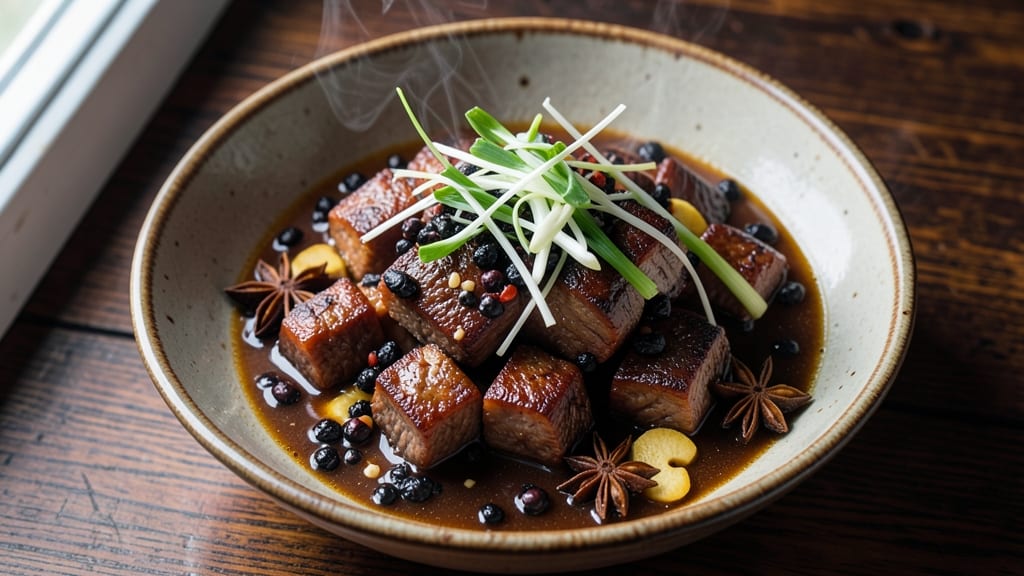
This authentic Chinese beef stew recipe delivers the perfect marriage of wok-seared crunch and silky soy-ginger braise—just like your favorite Cantonese restaurant.
The secret lies in properly marinating the beef, creating a deep umami base with fermented bean paste and star anise, then achieving that signature caramelized crust through high-heat searing.
I've perfected this recipe over years of testing, balancing traditional techniques with home-cook practicality so you get restaurant-quality results without the fuss.
The foundation of authentic Chinese beef stew is the aromatic braise—where soy sauce, ginger, and scallions build complex flavors through slow simmering. Unlike Western beef stews, this version relies on Chinese pantry staples like fermented bean paste for depth and dried red chilies for subtle heat.
The beef itself transforms from tough to tender through careful marinating and proper searing, while the vegetables retain their crisp texture instead of turning mushy. This is comfort food at its finest, with every spoonful packed with layered flavors.
What makes this recipe truly special is the contrast between the crispy, caramelized beef pieces and the velvety braising liquid that clings to each bite.
The sauce achieves perfect balance—sweet from the soy and ginger, savory from the bean paste, with just enough acidity from the vinegar to brighten the flavors.
Serve it over steamed jasmine rice to soak up every last drop of that rich, aromatic broth, or pair it with simple pickled vegetables for a complete meal that feels both rustic and refined.
While traditional versions require hours of simmering, this adaptation maintains authenticity while offering flexibility for modern kitchens. You can slow-cook it for deeper flavor development or opt for a quicker version when you're short on time.
The key is never rushing the searing step—that crispy crust is what elevates this from ordinary beef stew to something truly special. Let's get cooking!
Ingredients for authentic chinese beef stew
Authentic Chinese pantry staples meet restaurant-quality beef for this umami-rich stew.
| Ingredient | Amount | Notes |
|---|---|---|
| Beef Chuck Roast 🥩 | 2 lb | Cut into 1.5-inch cubes |
| Dark Soy Sauce 🥄 | ½ cup | High-quality, not low-sodium |
| Light Soy Sauce 🥄 | ¼ cup | For balanced saltiness |
| Fermented Black Bean Paste 🫘 | ¼ cup | For authentic umami depth |
| Fresh Ginger 🌿 | ½ cup | Finely minced, peel removed |
| Star Anise 🌟 | 2 whole | Whole pods for infusion |
| Dried Red Chilies 🌶️ | 2 pieces | For subtle heat, adjust to taste |
| Scallions 🧅 | ½ cup | White and green parts, sliced |
| Rice Vinegar 🍶 | 2 tbsp | For bright acidity |
| Brown Sugar 🍚 | 2 tbsp | Dark variety for depth |
| Garlic Cloves 🧄 | 6 cloves | Minced for aromatic base |
| Vegetable Oil 🫒 | ½ cup | High smoke point for searing |
| Jasmine Rice 🍚 | 2 cups | Uncooked, for serving |
| Sesame Oil 🫒 | 1 tbsp | Toasted, for finishing |
| Kosher Salt 🧂 | 1 ½ tsp | Diamond Crystal preferred |
The beef is everything here—chuck roast is ideal for its marbling and texture, but flank steak works in a pinch. Cut it into even 1.5-inch cubes for consistent cooking. For the soy sauces, Lee Kum Kee is my go-to, but any high-quality brand works. Fermented black bean paste gives that signature Chinese depth—look for it in the Asian aisle or online if your grocery store doesn't carry it. Fresh ginger should be vibrant and firm; peel and mince it just before using to preserve its bright flavor. Star anise and dried chilies can be found in bulk bins at Whole Foods or H Mart for the best quality.
No fermented black bean paste? Double the soy sauce and add 1 tsp miso paste for umami. Short on brown sugar? White sugar works, but the molasses notes are worth it. The scallions can be swapped for regular onions if needed, though they add a milder, sweeter note. For extra heat, add 1 tsp chili crisp or sriracha at the end. If you're using flank steak, pound it to even thickness first for consistent searing. The rice vinegar is crucial for balancing the richness—substitute apple cider vinegar if needed. And trust me, toasted sesame oil at the end makes all the difference.
This stew tastes even better the next day as flavors meld. Store it in an airtight container in the fridge for up to 4 days, or freeze for 3 months. For quick meals, double the recipe and freeze portions. The jasmine rice should be cooked just before serving to keep it light and fluffy. If you have leftovers, reheat gently over low heat with a splash of water to preserve that velvety texture. The sesame oil should be added right before serving—it burns easily, so keep it separate until the very end.
Why You'll Love This Recipe
- One-Pot Magic: I swear by this—just toss the beef, ginger, and black bean paste into a pot, then let it simmer. No chopping, no fuss, and the flavors meld together like they’ve been cooking all day.
- Umami Bomb: That fermented black bean paste? It’s the secret weapon—deep, salty, and slightly funky. Pair it with dark soy for richness, and suddenly your stew tastes like a homey Hong Kong eatery, not just a weeknight meal.
- Leftover Goldmine: Between us, this stew begs to be made in bulk. The beef gets even more tender the next day, and the sauce thickens into something glorious. Freeze portions for when you’re too tired to cook—it’s basically a flavor upgrade on takeout.
- Budget Beef Boost: A chuck roast is cheap, but it transforms into something luxurious with these ingredients. Dark soy adds depth without breaking the bank, and ginger stretches the flavor across every bite. Honestly, it’s my go-to for feeding a crowd without stressing.
Step-by-step instructions for authentic Chinese beef stew
This method delivers restaurant-quality depth with wok-seared beef and aromatic braising.
Prepare the Beef and Aromatics
Cut the 2 lb Beef Chuck Roast into 1.5-inch cubes—this size ensures even cooking and maximum surface area for flavor absorption. Pat each piece dry with paper towels to promote better browning during searing. In a small bowl, combine the 0.5 cup Dark Soy Sauce, 0.25 cup Light Soy Sauce, 2 tbsp Rice Vinegar, and 2 tbsp Brown Sugar. Reserve 2 tbsp of this marinade for later use.
Finely mince the 0.5 cup Fresh Ginger and 6 cloves Garlic Cloves, then slice the 0.5 cup Scallions into ½-inch pieces. Toast the 2 whole Star Anise and 2 pieces Dried Red Chilies in a dry skillet over medium heat for 30 seconds until fragrant—this releases their essential oils for deeper flavor. Set aside until ready to use.
Wok-Sear the Beef for Crunch
Heat a wok or heavy skillet over high heat until smoking hot. Add 0.5 cup Vegetable Oil and swirl to coat. Working in batches to avoid crowding, add the beef cubes and sear for 2-3 minutes per side until deeply golden brown and caramelized. This step creates the signature wok-seared crust that adds texture contrast to the silky braise.
Transfer the seared beef to a plate and set aside. In the same wok, add the fermented black bean paste and stir for 30 seconds until it darkens slightly—this adds authentic umami depth. Immediately pour in the reserved marinade and scrape up any browned bits from the bottom of the wok, which contain concentrated flavor.
Build the Aromatic Braising Base
Return the wok to medium-high heat and add the minced ginger and garlic. Cook for 30 seconds until fragrant—don't let them burn, as this will make the dish bitter. Add the toasted star anise and dried red chilies, along with the sliced scallions. Stir for 1 minute to blend all the aromatics into the sauce.
Pour in 1 cup water (enough to partially submerge the beef) and bring to a simmer. Add the seared beef back to the wok, along with the 1.5 tsp Kosher Salt. Partially cover and simmer for 1 hour at a gentle boil, stirring occasionally, until the beef is fork-tender and the sauce has thickened to a glossy consistency.
Finish and Serve with Jasmine Rice
Once the beef is tender, remove the star anise and dried red chilies (they've done their job). Stir in the 1 tbsp Sesame Oil and simmer for an additional 2 minutes to infuse its nutty aroma. Taste and adjust seasoning—add a splash of water if the sauce is too thick, or a pinch more salt if needed.
Serve the beef stew immediately over steamed 2 cups Jasmine Rice, spooning the rich, glossy sauce generously over each serving. The contrast of wok-seared beef against the silky braise, paired with fragrant rice, creates an authentic Chinese dining experience. Garnish with extra scallions if desired, and enjoy the perfect balance of sweet, salty, and umami flavors.
Pro Tips For Making Authentic Chinese Beef Stew
- SEAR THE BEEF FIRST: I learned this the hard way—skipping the sear means your stew will taste like it’s been simmered in water, not caramelized magic. Get that beef chuck roast screaming hot in a dry pan for 3-4 minutes per side until it’s deep brown, then pull it out and let it rest while you prep the rest. That crust? It’s what makes the dark soy sauce stick and develop real depth.
- SALT THE GINGER: Sounds weird, but it works: sprinkle a pinch of salt on your sliced ginger before adding it to the pot. The salt breaks down the fibers just enough to release more aroma and prevent it from turning to mush in the long simmer. Yes, even if you’re impatient like me—this takes 30 seconds and changes the outcome.
- LOW AND SLOW WINS: After burning three batches, I finally figured out: your stew will fall apart if you rush the simmer. Once everything’s in the pot, bring it to a bare simmer (tiny bubbles, not a rolling boil), then cover and cook on the lowest heat setting your stove allows. This keeps the beef tender and the flavors melding—not just boiling away.
- BLACK BEAN PASTE LAST: I skip this when I’m lazy, but the dish is noticeably better when I don’t: add the fermented black bean paste in the final 10 minutes of cooking. It burns easily and loses its rich, nutty complexity if you toss it in too early. Stir it in with a splash of light soy sauce to help it disperse smoothly.
Pro cooking tips for perfect results
Wok-Searing Secrets
That signature crispy crust comes from proper wok-searing—heat your wok or cast-iron skillet until it's smoking hot before adding oil. I use a thermometer probe to confirm it's at 450°F+—this ensures maximum Maillard reaction for deep flavor.
Work in single-layer batches to avoid steaming the beef, and resist the urge to move pieces around too soon. Let them develop that golden-brown crust for 2-3 minutes per side—this is non-negotiable for authentic texture. 🔥
Fermented Bean Paste Magic
The fermented black bean paste is where authentic umami happens. After searing, stir it in for just 30 seconds until it darkens—this releases its complex flavors. I like to toast it briefly in the wok first to deepen its nuttiness.
For extra depth, add 1 tsp doubanjiang (spicy fermented chili bean paste) if you want more heat. This paste contains mold-fermented soybeans, giving it that signature funky-sweet-savory profile. 🌟
Slow Simmer Control
Chinese beef stews rely on gentle simmering to tenderize the meat without breaking down the collagen. Maintain a gentle boil (small bubbles) rather than a rolling boil to prevent the sauce from becoming watery. I use a lid slightly ajar to let excess steam escape—this helps concentrate flavors.
For 2 lb beef, 1 hour is ideal, but if using tougher cuts like chuck roast, extend to 1.5 hours. The sauce should coat the back of a spoon by the end. ⏰
Sesame Oil Timing
Never add sesame oil until the very end—it burns easily at high heat. Stir it in just 2 minutes before serving to preserve its delicate nutty aroma. I like to warm it slightly first by swirling it in the sauce off the heat for 30 seconds.
This prevents temperature shock that can make the oil separate. For extra aroma, toast 1 tsp whole sesame seeds in the wok first and sprinkle them on top at serving. 💫
Salt Adjustment
The soy sauces already provide significant saltiness, so add the remaining 1.5 tsp kosher salt carefully. Taste the sauce after simmering—it should be balanced but still allow room for the beef's natural flavor.
If using low-sodium soy sauce, add ½ tsp extra salt at the end. Remember, Chinese cooking often relies on layered seasoning rather than heavy single-seasoning, so trust your palate. 🧂
Vegetable Prep Tips
For the scallions, slice them into ½-inch pieces and add them during the final 5 minutes of cooking to keep them vibrant. The ginger and garlic should be minced very finely—almost like a paste—for even flavor distribution.
If using daikon radish (a traditional addition), slice it ¼-inch thick and add it during the last 20 minutes of simmering to prevent mushiness. 🥕
Nutrition facts
Frequently asked questions
Can I substitute flank steak for chuck roast in this recipe?
Yes, but with adjustments! Flank steak is leaner, so pound it to ¼-inch thickness before cutting into 1.5-inch cubes. Sear it for just 1-2 minutes per side (it cooks faster than chuck) and reduce the simmering time to 45 minutes—it tenderizes quicker but can dry out if overcooked.
What's the secret to getting that crispy wok-seared crust?
Heat your wok or skillet until it's smoking hot (use a thermometer for 450°F+) and work in single-layer batches. Pat beef cubes completely dry first—moisture steams instead of sears. Let them sit undisturbed for 2-3 minutes per side until deep golden brown. Never crowd the pan!
Can I make this stew in a slow cooker?
Sear the beef first in a skillet, then transfer everything to the slow cooker. Use low heat for 6-7 hours or high heat for 4-5 hours. Add ½ cup water to prevent drying out. The slow cooker method develops deeper flavors but loses the wok-seared texture—reserve that for stovetop versions.
Why does my sauce turn watery during simmering?
This usually happens from one of three things: too much liquid (reduce to 1 cup max for 2 lb beef), lid fully covered (traps steam), or rolling boil (use gentle bubbles instead). For quick fixes, simmer uncovered for 10 minutes to reduce, or add 1 tsp cornstarch slurry if needed.
What's the best way to reheat leftovers?
Gently reheat over low heat with 2 tbsp water to prevent drying. For best texture, warm for 5-7 minutes until just heated through—microwaving makes the sauce watery. If the beef seems dry, add a splash of the original braising liquid. Leftovers taste even better the next day!