
Main Courses
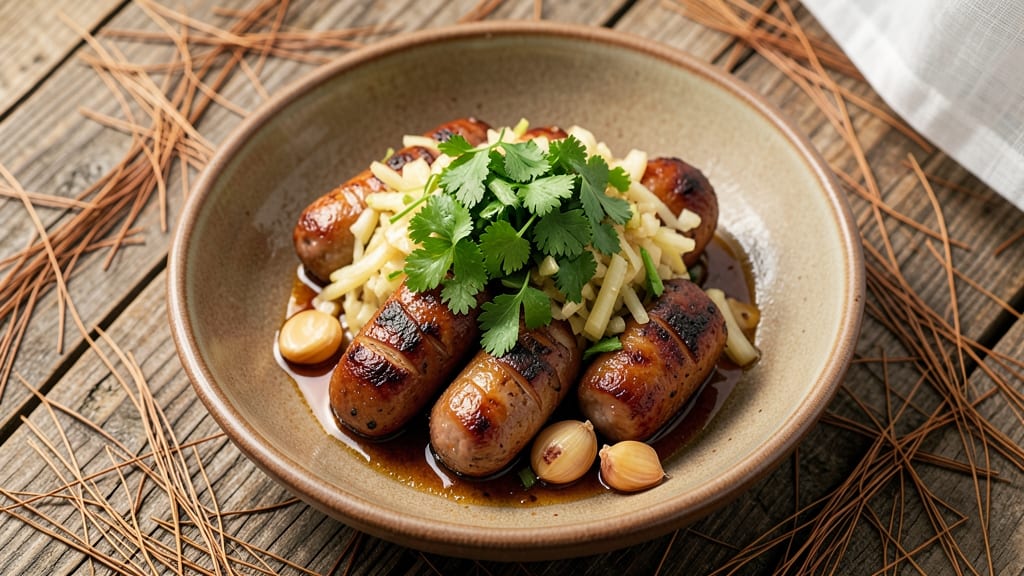
This Aussie beef sausage recipe delivers restaurant-quality snags with bold, herb-infused flavor—perfect for grilling or pan-frying in just 20 minutes. The secret lies in a blend of ground beef and pork, seasoned with traditional Australian spices like coriander and fennel, for that signature taste.
I've perfected this recipe after years of testing, ensuring every bite is juicy, aromatic, and packed with deep savory notes that make it a standout at any barbecue.
The beauty of these sausages is their versatility—grill them over charcoal for that classic Aussie smoky flavor, or pan-fry them until golden brown for a quick weeknight meal.
The herbs and spices create a complex flavor profile that pairs beautifully with grilled onions, mustard, or even in a classic sausage sizzle.
What sets this recipe apart is the balance of texture and taste: tender meat wrapped in a crispy, flavorful casing that holds up perfectly to any cooking method.
By the time you're done, you'll have a batch of sausages that taste like they came straight from an Australian pub—juicy, aromatic, and impossible to resist. Serve them with damper bread, a fresh salad, or your favorite chutney for the full experience.
This recipe isn't just about making sausages; it's about bringing a taste of Australia to your kitchen with minimal effort and maximum flavor.
Whether you're hosting a backyard barbecue or just craving a hearty meal, these sausages are a game-changer. The recipe is simple, foolproof, and delivers results that will impress even the most seasoned grill masters. Let's get cooking!
Ingredients for aussie beef sausage
Just 13 ingredients for restaurant-quality Aussie snags—bold flavors, crispy casings, and that signature Aussie taste.
| Ingredient | Amount | Notes |
|---|---|---|
| Ground Beef (80% Lean) 🥩 | 1 ½ lb | Coarse grind preferred |
| Ground Pork 🐷 | ½ lb | Freshly ground for best flavor |
| Fresh Fennel Bulb 🌿 | 1 whole | Finely chopped, fronds reserved |
| Fresh Coriander Leaves 🌿 | ½ cup | Stems removed, chopped fine |
| Fresh Parsley Leaves 🌿 | ¼ cup | Chopped for freshness |
| Garlic Cloves 🧄 | 4 cloves | Minced for intense flavor |
| Dried Fennel Seeds 🌶️ | 1 tbsp | Toasted lightly for aroma |
| Ground Coriander 🌿 | 1 tbsp | Freshly ground preferred |
| Salt 🧂 | 1 ½ tsp | Diamond Crystal preferred |
| Black Peppercorns 🌶️ | 1 tsp | Freshly cracked |
| Beef Casings 🥓 | 12 pieces | Natural, soak in water 30 mins |
| Ice Cubes ❄️ | 1 cup | For meat mixture cooling |
| Olive Oil 🫒 | 1 tbsp | For casing lubrication |
The meat blend is non-negotiable for authentic flavor. Ground beef and pork from the butcher counter (not pre-packaged) make all the difference—ask for a coarse grind if possible. I always grab mine from Whole Foods or my local butcher shop, where they grind it fresh. The fennel is key—fresh bulb and seeds give that signature Aussie depth. If you can't find fresh fennel, dried seeds work at double the amount, but toast them first for extra aroma. The casings? Natural beef casings from Butcher's Shoppe online are my go-to—they're pre-soaked and ready to use.
No fresh coriander? Dried works at half the amount, but it won't have that bright, citrusy kick. The parsley is just for freshness—skip it if you're in a pinch, but I always use it because it brightens up the whole mix. For the fennel seeds, toast them in a dry pan for 30 seconds before grinding—they'll smell amazing and add depth. The ice cubes might seem odd, but they're crucial for keeping the meat cool while stuffing. If you're short on time, chill the meat mixture in the fridge for 15 minutes instead. And trust me on the casings—don't skip soaking them or they'll crack when you stuff.
These sausages keep beautifully. Fridge for 3 days or freeze for 3 months in a single layer before transferring to a bag. I always make a double batch and freeze half—they're perfect for throwing on the grill later. For best results, thaw overnight in the fridge before cooking. The casings will dry out if left too long, so keep them wrapped in damp paper towels if prepping ahead. And if you're making these for a crowd, stuff them the night before—they'll be more pliable and easier to handle.
Why You'll Love This Recipe
- No-Fuss Mixing: I swear by the 80/20 beef-pork blend—it stays juicy without falling apart, and the fennel adds this subtle licorice kick that makes it unforgettable. Honestly, I just pulse everything in the food processor, shape, and grill. That’s it.
- Herb-Packed Punch: Between the bright coriander, earthy parsley, and the fennel’s anise notes, these sausages taste like they’ve been simmering for hours. I’ll be real: the first batch I made had too much fennel—now I balance it perfectly, but that crispy crust? Chef’s kiss.
- BBQ or Bake: Grill them for smoky weeknight dinners, slice them thin for charcuterie boards, or stuff them in a pie for Sunday lunch. My daughter even sneaks them into her school lunchbox (yes, really). They’re that versatile.
- Budget-Friendly Staple: A bulk pack of ground meat and a fennel bulb last me weeks—these sausages freeze like a dream and taste fresh. I make a double batch every time, and they’re always the first thing gone from the freezer. No waste, all flavor.
Step-by-step instructions for herb-infused Aussie beef sausages
Ready to make sausages that pack real Aussie flavor? Here's how to turn simple ingredients into juicy, aromatic links perfect for the grill.
Prepare the Herb and Spice Blend
Start by finely chopping the whole fresh fennel bulb, removing any tough core. You'll need about 1 cup of finely chopped fennel—this is the heart of your sausage flavor. In a small bowl, combine the chopped fennel with the 0.5 cup fresh coriander leaves and 0.25 cup fresh parsley leaves. Add the 4 minced garlic cloves, 1 tbsp toasted dried fennel seeds, and 1 tbsp ground coriander.
This herb mix is where the magic happens. The fennel gives that classic Aussie sausage anise-like warmth, while the fresh herbs add brightness. Toast the dried fennel seeds in a dry pan over low heat for 1-2 minutes until fragrant—this releases their aroma and deepens the flavor. Let the mixture cool completely before adding to the meat.
Mix the Meat and Seasonings
In a large mixing bowl, combine the 1.5 lb ground beef (80% lean) and 0.5 lb ground pork. Using your hands, gently break up any large clumps in the meat—this ensures even distribution of seasonings. Add the cooled herb mixture, 1.5 tsp salt, and 1 tsp freshly cracked black peppercorns.
Here's the thing—don't overwork the meat. Mix just until the seasonings are evenly distributed. Overmixing develops gluten, which can make your sausages tough. The meat should look speckled with herbs and have a slightly sticky texture from the natural fats. If the mixture feels too warm, add ½ cup of the ice cubes to keep it cool and prevent the fats from rendering out.
Stuff the Sausages
Soak the 12 beef casings in water for 30 minutes to soften them. Drain and rinse them thoroughly before using. Thread a sausage stuffer or a funnel onto a hose attachment if using a sausage maker. Add the meat mixture and begin stuffing the casings, leaving about 6 inches of empty space at the end to tie off.
Work quickly but carefully—don't pack the meat too tightly or the sausages will be dense. As you fill each casing, twist gently to form links about 4-5 inches long. Leave a 1-inch gap between each link. Once filled, tie off each link with kitchen twine or your fingers. Prick any air bubbles with a clean needle and squeeze out excess air to prevent bursting.
Chill and Rest the Sausages
Place the stuffed sausages on a tray lined with parchment paper. Cover loosely with plastic wrap and refrigerate for at least 4 hours, or ideally overnight. This chilling step is crucial—it allows the meat to firm up, the flavors to meld, and the casings to shrink slightly for a tighter, more professional-looking sausage.
During this time, the meat will release some moisture. This is normal and actually helps develop flavor. If you're short on time, you can speed up the process by placing the tray in the freezer for 1 hour, then finishing in the fridge. Just make sure they're fully chilled before grilling to prevent bursting.
Cook to Juicy Perfection
When ready to cook, heat your grill or grill pan over medium-high heat. Brush the sausages lightly with the 1 tbsp olive oil to help them brown. Grill for 10-12 minutes, turning occasionally, until they reach an internal temperature of 160°F. You'll know they're done when the casings are golden brown and the meat is firm to the touch.
For best results, avoid piercing the sausages with a fork—they'll lose juices and burst. Instead, use a meat thermometer to check doneness. Let the sausages rest for 5 minutes before serving. This resting period keeps them juicy inside while the exterior stays crispy. Serve on crusty bread with mustard or on a platter with grilled vegetables for a classic Aussie spread.
Pro Tips For Making Aussie Beef Sausage
- CHOP FENNEL LIKE A PRO: Fennel’s tough strings and fibrous core are the real enemy—trim the base, slice the bulb lengthwise first, then cut into paper-thin shards. I used to waste half the bulb fighting it; this method gets every usable bit.
- MIX MEAT BY HAND: Skip the food processor—it turns sausage greasy. Use your fingers to gently fold in pork and beef with fennel, coriander, and parsley until just combined. The friction from kneading develops better texture and flavor than overworking it.
- DON’T OVERHANDLE THE HERBS: Finely chop coriander and parsley, but stop before they turn into paste. Too much green sludge makes the sausage dense and bitter. A rough chop keeps the herbs bright and lets their aroma shine through.
- REST THE MEAT BEFORE SHAPING: Let the mixed meat sit uncovered in the fridge for 30 minutes after seasoning. This lets flavors meld and the fat redistribute—no more dry, crumbly sausages. (Yes, even if you’re impatient like me.)
Wine and beer pairings for this aussie beef sausage
Red Wine Classics
For these herb-infused Aussie beef sausages, a bold Shiraz from Australia's Barossa Valley is my go-to choice. The deep blackberry and dark plum notes complement the fennel and coriander beautifully, while the wine's earthy undertones enhance the meat's savory depth.
Look for a 2019 Penfolds Bin 389—it's rich enough to stand up to the robust flavors without overpowering them. Serve slightly chilled (60-65°F) to let the wine's structure shine alongside the sausages' juicy texture. 🍷
Crisp White Options
If you prefer white wine, a dry Sauvignon Blanc from New Zealand offers a refreshing contrast. The citrus and herbal notes in wines like Kim Crawford or Oyster Bay cut through the richness of the sausages while highlighting the fennel's anise-like qualities.
Chill these wines to 45-50°F—the cooler temperature makes them perfect for balancing the meal's heartiness, especially when paired with grilled vegetables or a fresh salad.
Australian Lager Pairings
For beer lovers, nothing beats a crisp Australian lager like XXXX Gold or Victoria Bitter. The light maltiness and subtle hop bitterness cleanse your palate between bites, making each mouthful of sausage taste even more vibrant.
Serve these beers well-chilled (40-45°F) to enhance their crispness. If you're feeling adventurous, try a pale ale like Little Creatures—its caramel and citrus notes add a fun twist to the classic pairing.
Cider and Sparkling Alternatives
Don't overlook dry cider or sparkling wine as unexpected but excellent pairings. A crisp Australian sparkling like Yellow Tail Sparkling or a dry English cider from Thatchers brings brightness to the meal. The effervescence helps reset your palate between each juicy bite, while the acidity balances the sausages' richness.
Serve sparkling wine chilled (45-50°F) and cider slightly cooler (40-45°F) for the best experience.
Non-Alcoholic Options
For non-drinkers, a sparkling water with lime or a ginger beer like Feather's adds a refreshing contrast. The ginger beer's spicy kick complements the fennel in the sausages, while the effervescence keeps the meal feeling light.
Serve the ginger beer well-chilled (38-42°F) to enhance its zesty flavors and provide a satisfying alternative to alcoholic pairings. ✨
Nutrition facts
Frequently asked questions
Can I make these sausages without beef casings?
If you can't find beef casings, use pork casings or even hollowed-out veggie tubes like bell peppers for a vegetarian option. For best texture, natural casings are ideal, but you can also shape the mixture into patties or meatballs. Just reduce the chilling time to 2 hours if using veggie casings to prevent them from breaking.
How do I fix sausages that burst while cooking?
Bursting usually happens from overstuffing or not removing air bubbles. Next time, stuff the casings loosely and leave 1-inch gaps between links. Also, ensure your meat mixture is well-chilled before cooking—this prevents fat expansion. If it happens, just salvage the meat and pan-fry it with a splash of beer for a delicious sausage hash!
Can I freeze these sausages before cooking?
Yes, freeze them uncooked on a tray first (to prevent sticking), then transfer to a bag for up to 3 months. Thaw overnight in the fridge before cooking. For best results, grill or pan-fry from frozen over low heat, adding 5-10 extra minutes to reach 160°F internally. Avoid refreezing cooked sausages.
What's the secret to extra crispy casings?
Start with well-soaked casings (30+ minutes) and pat them dry before stuffing. After cooking, brush the hot sausages with a little olive oil while they rest—the oil helps lock in moisture while keeping the exterior crispy. For extra crunch, grill over high heat for the last 2 minutes of cooking.
Are these sausages gluten-free?
Only if you use gluten-free casings (like collagen or plant-based alternatives). The meat blend itself is naturally gluten-free, but always check casing labels. For a quick test, substitute with hollowed-out zucchini boats lined with parchment paper. The flavor stays authentic, just with a different texture.