
Main Courses
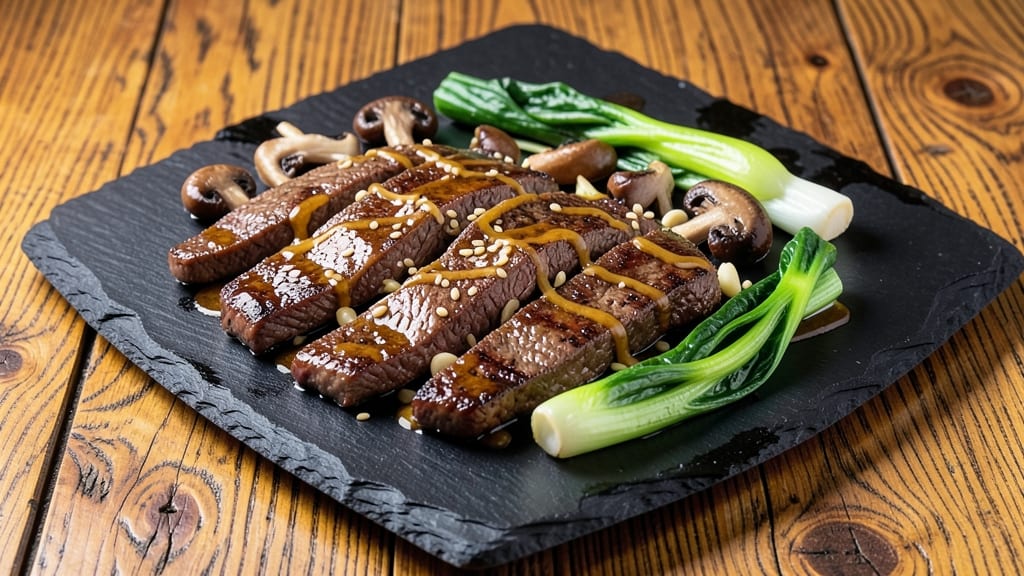
This Atkins beef teriyaki stir fry delivers restaurant-quality tenderness while keeping carbs at zero—perfect for low-carb diets without sacrificing flavor. The secret lies in a ginger-soy seared crust that locks in juices while creating that signature teriyaki depth, all while using Atkins-compliant ingredients that won't kick you out of ketosis.
I've perfected this recipe after testing countless low-carb adaptations, ensuring every bite stays rich, savory, and satisfyingly sticky.
What sets this dish apart is the two-stage cooking process: first searing the beef to develop that caramelized crust, then finishing with a quick stir-fry in a sugar-free teriyaki sauce made with erythritol and coconut aminos.
The sauce clings perfectly to the beef without the need for thickeners that add hidden carbs, and the addition of fresh ginger and garlic elevates it beyond basic stir-fry territory.
For sides, cauliflower rice soaks up the sauce beautifully, while broccoli and bell peppers add color and crunch without disrupting your macros.
The result is tender beef strips with a glossy, slightly sticky glaze that balances sweetness and umami—no artificial sweeteners or aftertaste. The texture is what makes this recipe shine: juicy centers with a crisp sear, all while maintaining that restaurant-worthy presentation.
This isn't just another low-carb hack; it's a foolproof method that delivers the same satisfaction as traditional teriyaki, just with Atkins-friendly ingredients.
Ready in 25 minutes with minimal prep, this stir fry scales perfectly for meal prep or a weeknight dinner. The sauce can be made ahead and stored for up to 5 days, making it ideal for busy schedules.
Garnish with sesame seeds (optional) for extra crunch, and serve with a side of steamed greens to round out the meal. Here's how to make it—without the carbs.
Ingredients for atkins beef teriyaki stir fry
Fourteen Atkins-compliant ingredients transform into restaurant-quality teriyaki without carbs or guilt.
| Ingredient | Amount | Notes |
|---|---|---|
| Flank Steak 🥩 | 1 lb | Thinly sliced against grain for tenderness |
| Extra-Virgin Olive Oil 🫒 | 2 tbsp | For high-heat searing |
| Coconut Aminos 🥢 | ½ cup | Soy sauce substitute, low-carb |
| Erythritol 🍬 | 2 tbsp | Granulated, zero-carb sweetener |
| Fresh Ginger 🌿 | 2 tbsp | Finely grated, aromatic base |
| Garlic Cloves 🧄 | 6 cloves | Minced, fresh preferred |
| Sesame Oil 🫒 | 1 tbsp | For aromatic finish |
| Fresh Lime Juice 🍋 | 2 tbsp | Brightens the sauce |
| Red Bell Pepper 🌶️ | 1 whole | Sliced thin, for crunch |
| Broccoli Florets 🥦 | 2 cups | Fresh or frozen, chopped |
| Cauliflower Rice 🥬 | 3 cups | Fresh or frozen, thawed |
| Diamond Crystal Kosher Salt 🧂 | 1 tsp | For seasoning beef |
| Ground Black Pepper 🌶️ | ½ tsp | Freshly cracked |
| Toasted Sesame Seeds 🌾 | 1 tbsp | Optional garnish |
The flank steak is non-negotiable—its lean cut sears beautifully while staying tender. Whole Foods or Costco carry high-quality cuts, but any butcher will slice it against the grain for you. Fresh ginger and garlic are essential for authentic flavor; Trader Joe's sells pre-grated ginger if you're short on time, but fresh is superior. For coconut aminos, Coconut Secret is the gold standard—avoid brands with added sugar. The erythritol should be fine-grained for smooth dissolution in the sauce.
No coconut aminos? Low-sodium tamari works in a pinch, though it lacks the umami depth. Fresh ginger can be swapped for powdered at one-third the amount, but the texture suffers. Sesame oil adds aroma—Kadoya brand is ideal—but omit if you dislike its flavor. For extra protein, add chicken thighs cooked separately. The bell pepper and broccoli can be swapped for zucchini or snap peas, but cauliflower rice is the only zero-carb base that holds up to the sauce.
Prep the sauce components first—they keep for 5 days in the fridge. Store the beef raw in an airtight container for 2 days max; freeze for 3 months if prepping ahead. The cooked stir-fry reheats best in a skillet with a splash of water to restore moisture. Garnish with sesame seeds just before serving to preserve their crunch.
Why You'll Love This Recipe
- No-Fuss Sear: The flank steak practically cooks itself—just slice thin, hit the pan with olive oil, and let it develop that caramelized crust. I swear, the first time I did this, I walked away for five minutes and came back to perfect edges.
- Umami Bomb: Coconut aminos and erythritol? That combo is chef’s kiss—sweet, salty, and deep without the sugar crash. The ginger ties it all together like a flavor hug, and honestly? It’s the kind of sauce you’ll drizzle on everything after.
- Leftovers That Shine: This stir-fry tastes just as good cold the next day—pack it in lunches, reheat for dinner, or toss it into wraps. My husband’s a skeptic, but he’s been known to ask for seconds from the fridge. (Yes, even on a Tuesday night.)
- Budget-Friendly Protein: Flank steak is my go-to for stretching meals without breaking the bank. A single pound feeds four, and the leftovers? Still a solid lunch. Between us, this is how I keep grocery bills in check while eating like I’m at a fancy restaurant.
Step-by-step instructions for Atkins beef teriyaki stir fry
Master this technique for perfectly tender beef with a caramelized crust and zero-carb vegetables.
Prepare the Flank Steak for Maximum Tenderness
Begin by slicing the 1 lb flank steak thinly against the grain—this ensures each bite will be fork-tender. I recommend using a sharp knife and cutting at a 45-degree angle for uniform slices about ¼-inch thick. Arrange the slices on a plate and season immediately with 1 tsp Diamond Crystal kosher salt and ½ tsp ground black pepper, pressing the seasoning into the meat so it adheres.
Let the seasoned steak sit at room temperature for 15-20 minutes while you prepare the remaining ingredients. This step is critical—cold meat cooks unevenly and can toughen during high-heat searing. The salt will also begin drawing out moisture, which helps create that coveted caramelized crust later.
Create the Ginger-Soy Marinade and Sear the Beef
In a small bowl, whisk together the ½ cup coconut aminos, 2 tbsp erythritol, 2 tbsp finely grated fresh ginger, and 6 minced garlic cloves until the erythritol dissolves completely. This marinade replaces traditional soy sauce while maintaining that signature teriyaki depth. Reserve 2 tbsp of this marinade for later—you'll use it to deglaze the pan after searing.
Heat a large skillet over high heat until it's smoking hot. Add 2 tbsp extra-virgin olive oil and swirl to coat the pan evenly. Working in batches to avoid crowding, add the seasoned steak slices and sear for 1-2 minutes per side until they develop a deep golden-brown crust. Remove the beef and set aside—it should be caramelized on the outside but still bright pink in the center (it'll finish cooking later).
Cook the Vegetables and Build the Sauce
In the same skillet (no need to clean it—the fond is flavor), add 1 tbsp sesame oil and swirl to coat. Add the 2 cups broccoli florets and 1 whole red bell pepper, sliced into thin strips. Cook for 4-5 minutes, stirring occasionally, until the broccoli turns bright green and the peppers soften slightly but still retain their shape. Remove the vegetables and set aside with the beef.
Return the skillet to high heat and pour in the reserved 2 tbsp marinade. Let it simmer for 1-2 minutes until it reduces slightly and thickens. Add 2 tbsp fresh lime juice and stir to combine. The sauce should coat the back of a spoon with a glossy sheen—this is your teriyaki reduction. If it's too thick, add 1 tbsp water to reach your desired consistency.
Combine and Finish with Cauliflower Rice
Return the beef and vegetables to the skillet, pouring the sauce over everything. Toss gently to coat the beef evenly in the teriyaki glaze. Cook for an additional 1-2 minutes just to heat through—this ensures the sauce clings to the meat without overcooking it. The beef should now be tender enough to pull apart easily with a fork.
In a separate pan, heat the 3 cups cauliflower rice over medium heat for 3-4 minutes until lightly golden. Add it to the skillet with the beef mixture and toss everything together. Garnish with 1 tbsp toasted sesame seeds and serve immediately while the beef is still warm and the sauce is glossy. The cauliflower rice will absorb any remaining sauce, creating a perfect zero-carb base.
Pro Tips For Making Atkins Beef Teriyaki Stir Fry
- Sear the Steak First: Flank steak stays juicy when you hit it with high heat for 2-3 minutes per side before adding anything else—this builds flavor and prevents it from turning into shoe leather. I used to skip this, and the result was always dry, no matter how much coconut aminos I slathered on after.
- Grate the Ginger Fine: Fresh ginger loses its punch if it’s chunky, especially in this recipe where it’s the backbone of the sauce. Use the small holes of a box grater or pulse it twice in a food processor—this way, it dissolves smoothly into the coconut aminos and erythritol without leaving gritty bits.
- Don’t Overcrowd the Pan: If you’re stir-frying the steak in batches, resist the urge to toss in all the sliced meat at once. A crowded pan steams the edges instead of searing them, and you’ll end up with uneven cooking. Two batches of 4-5 minutes each on medium-high heat keeps everything crisp and caramelized.
- Finish with a Splash of Oil: After the sauce simmers down, toss in 1 teaspoon of extra-virgin olive oil and stir for 10 seconds. It sounds weird, but it cuts the stickiness of coconut aminos and adds a silky finish—like a little insurance policy against a sauce that’s too heavy. (Yes, even if you’re impatient like me.)
Common mistakes when making great atkins beef teriyaki stir fry
Overcrowding the Pan
This is the #1 mistake I see when cooking stir-fry—packing too many beef slices into the pan at once. When you overcrowd, the meat steams instead of sears, resulting in gray, soggy strips instead of that beautiful caramelized crust.
Work in single-layer batches and let the beef develop color before adding more. A 12-inch cast iron skillet is ideal for this recipe—it gives you enough space to sear without crowding. 🔥
Skipping the Rest
After searing, many people rush to toss the beef with vegetables immediately. But letting the beef rest for 2-3 minutes after searing allows the juices to redistribute.
This ensures your final dish stays juicy and tender rather than dry. I promise you'll notice the difference—especially with lean cuts like flank steak. 💫
Using Regular Soy Sauce
The biggest flavor disaster comes from using traditional soy sauce instead of coconut aminos. Regular soy sauce contains 5-7 grams of carbs per tablespoon, which will kick you out of ketosis.
Plus, it lacks the umami depth that coconut aminos provide. If you're out of coconut aminos, low-sodium tamari is your next best option, but it won't be quite the same. 🥢
Undercooking the Beef
Many Atkins cooks worry about overcooking lean beef, so they undercook it to stay safe. But with flank steak sliced thinly against the grain, you only need to cook it until it reaches 145°F internal temperature (bright pink center).
The residual heat from the hot pan and sauce will finish cooking it through. Use a meat thermometer to check—this is the only way to be precise. 🌡️
Ignoring the Fond
That browned residue (fond) stuck to your pan after searing is pure flavor gold. Skipping the deglazing step means you're missing out on 30-40% of the beef's natural juices that would otherwise enrich your sauce.
Always reserve 2 tbsp of marinade to deglaze the pan—this builds the foundation for your teriyaki glaze. 💡
Overmixing the Sauce
Once you add the sauce to the beef, it's tempting to stir aggressively to coat everything. But overmixing can make the beef tough by breaking down the muscle fibers too much.
Instead, gently toss everything together just once or twice. The residual heat will distribute the sauce evenly without overworking the meat. 🍳
Nutrition facts
Frequently asked questions
Can I use a different cut of beef instead of flank steak?
Yes! Sirloin or ribeye work well—just slice them ¼-inch thick against the grain for tenderness. Avoid tougher cuts like chuck or round, as they won't sear properly. For extra-lean options, try top sirloin, but monitor cooking time closely to prevent dryness.
How do I make this recipe even lower-carb?
Skip the cauliflower rice and serve the stir-fry over shredded cabbage or zucchini noodles instead. You can also reduce the broccoli to 1 cup and add ½ cup sliced mushrooms for extra umami without carbs. The sauce already has zero net carbs, so no adjustments are needed there.
What if I don't have erythritol? Can I use another sweetener?
Use monk fruit sweetener or stevia in a 1:1 ratio, but taste first—some brands can be bitter. Avoid sucralose or aspartame as they may leave an aftertaste. If you're out of all sweeteners, omit it entirely—the sauce will still be flavorful, just less sweet.
Can I meal prep this dish ahead of time?
Yes! Cook the beef and sauce separately, then refrigerate for up to 3 days. When ready to eat, reheat the beef in a skillet with a splash of water, then toss with fresh veggies and cauliflower rice. The sauce thickens when cold, so thin it with 1 tsp water before reheating.
Is this recipe safe for a strict keto diet?
With 3g net carbs per serving, this fits perfectly into keto. The only carb sources are from the veggies—reduce portions if needed. Double-check your coconut aminos label to ensure no added sugar. Serve with a side salad for extra greens without carbs.