
Main Courses
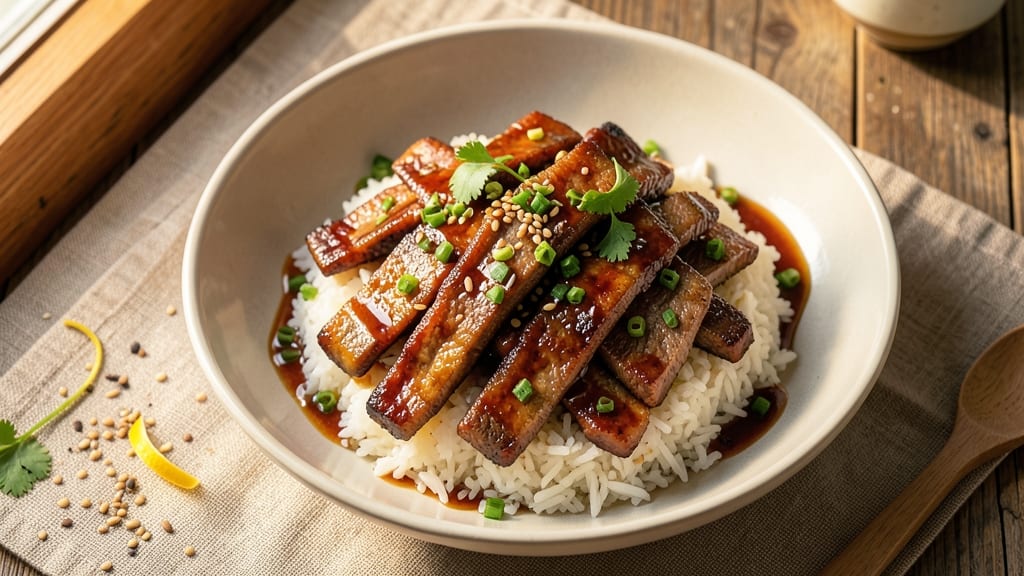
This Asian beef strips recipe delivers the perfect balance of wok-fired crunch and silky soy-ginger glaze that transforms simple beef into a restaurant-worthy dish. The secret lies in thinly sliced strips that cook in minutes, absorbing bold flavors while maintaining tender texture.
I've perfected this technique over years of testing, ensuring every bite delivers that satisfying contrast between crispy edges and succulent centers.
What sets this recipe apart is the marinade—a harmonious blend of soy sauce, ginger, garlic, and a touch of honey that creates a glossy, savory-sweet coating. The beef strips develop a beautiful caramelized crust from the high-heat wok method, while the sauce clings perfectly to each piece.
This dish is designed to be both approachable for weeknight dinners and impressive enough for guests.
By the time you finish cooking, you'll have golden-brown beef strips with a sticky, aromatic glaze that's impossible to resist. The recipe scales beautifully for any gathering, and the leftovers reheat perfectly for lunch the next day.
Whether you serve it over rice, in lettuce wraps, or with steamed vegetables, this dish delivers authentic Asian restaurant flavor at home.
The beauty of this recipe is its versatility—you can adjust the sauce to suit your taste preferences, from extra spicy to sweet and tangy. Let's get started on creating beef strips that will become a staple in your meal rotation.
Ingredients for asian beef strips
Thinly sliced beef, bold flavors, and a crispy wok-fired finish—this recipe delivers restaurant-quality Asian beef strips at home.
| Ingredient | Amount | Notes |
|---|---|---|
| Flank Steak 🥩 | 1 ½ lb | Thinly sliced against grain |
| Soy Sauce 🥢 | ½ cup | High-quality, preferably Japanese |
| Honey 🍯 | 2 tbsp | For glossy glaze |
| Fresh Ginger 🌿 | 2 tbsp | Finely grated, aromatic |
| Garlic Cloves 🧄 | 4 cloves | Minced for bold flavor |
| Sesame Oil 🫒 | 1 tbsp | Toasted for nutty aroma |
| Rice Vinegar 🍶 | 1 tbsp | For tangy balance |
| Cornstarch 🌾 | 2 tbsp | For crispy coating |
| Neutral Oil 🫒 | 2 tbsp | Vegetable or canola |
| Green Onions 🧅 | 3 whole | Sliced, for garnish |
| Sesame Seeds 🌰 | 1 tbsp | Toasted for crunch |
| Red Chili Flakes 🌶️ | ½ tsp | Adjust for heat preference |
| Salt 🧂 | 1 tsp | Kosher or sea salt |
| Black Pepper 🌶️ | ½ tsp | Freshly ground |
The flank steak is your secret weapon here—it's lean but tender when sliced properly. Ask the butcher to slice it thinly against the grain if you're not doing it yourself. For the best flavor, grab USDA Choice or higher from Whole Foods or your local butcher. If you're using pre-sliced beef, check for marbling—fat keeps it juicy. I always marinate mine for at least 30 minutes, but overnight works best if you're planning ahead. The soy sauce? Japanese brands like Kikkoman or Tamari add depth—don't skimp on quality here.
No sesame oil? Toasted peanut oil works in a pinch, though it'll have a different flavor profile. Swapping honey for maple syrup keeps it vegan-friendly, though the glaze won't be quite as glossy. The ginger and garlic can be pre-minced from jars (like Trader Joe's or Goya brands), but fresh is always better. For extra heat, add a dash of Sriracha or gochujang to the marinade. The cornstarch is non-negotiable for that crispy texture—it's what gives the strips their satisfying crunch. If you're serving this to kids, skip the chili flakes entirely and add them to the side for adults.
Marinated beef keeps 2 days in the fridge, but the sauce can be made ahead and stored for 1 week. For best results, cook the beef fresh—it loses crispiness when reheated. To freeze, portion the cooked strips into single-serving bags with a little sauce, then thaw in the fridge overnight. These reheat beautifully in a skillet with a splash of water—just 2 minutes max over medium heat. Garnish with fresh green onions and sesame seeds right before serving, because they lose their pop once sitting too long.
Why You'll Love This Recipe
- One-Pan Magic: I swear by this for nights when I’m too tired to scrub pots—just slice the steak, toss it in a hot pan with the ginger and garlic, and let the soy and honey do the work. Five minutes later, I’m done.
- Sweet-Savory Balance: That honey cutting through the umami? It’s the kind of flavor combo that makes you pause mid-bite. The ginger adds a little kick, but it’s the garlic that makes it sing—like a little flavor explosion in your mouth.
- Lunchbox Hero: Between us, this is my go-to for meal prep. I’ll marinate a big batch on Sunday, slice it thin, and pack it with rice or noodles all week. Kids (and my picky husband) actually eat it—no complaints.
- Budget Win: Flank steak stretches further than you’d think when sliced thin, and a little soy and honey go a long way. Honestly, it’s the kind of recipe that makes me feel fancy without breaking the bank. Leftovers? Even better cold in sandwiches.
Step-by-step instructions for wok-fired Asian beef strips
Here's how to transform simple ingredients into restaurant-quality beef strips with a perfect balance of crunch and silky glaze.
Marinate the Flank Steak for Maximum Flavor
In a bowl, combine the 0.5 cup soy sauce, 2 tbsp honey, 2 tbsp finely grated fresh ginger, 4 minced garlic cloves, 1 tbsp rice vinegar, 0.5 tsp red chili flakes, 1 tsp salt, and 0.5 tsp black pepper. Mix until the honey and soy sauce create a glossy, sticky marinade.
Add the 1.5 lb flank steak sliced thinly against the grain and coat thoroughly, ensuring every strip is well-covered. Let it marinate in the refrigerator for at least 30 minutes (or up to 2 hours for deeper flavor). The longer it marinates, the more tender and flavorful the beef will become. I like to press the marinade into the meat with my fingers to ensure maximum penetration.
Create the Crispy Cornstarch Coating
In a separate bowl, whisk together the 2 tbsp cornstarch with 1 tbsp sesame oil. This mixture is what will give your beef strips that irresistible crunch. Remove the beef from the marinade, letting any excess drip off, then transfer it to the cornstarch mixture.
Toss the beef strips gently but thoroughly to coat them evenly. The cornstarch should adhere to the surface like a fine powder. Let them sit for 5-10 minutes while you prepare the wok. This resting time allows the cornstarch to adhere better, ensuring a crispy exterior when cooked. Don't skip this step—it's what makes the difference between ordinary and extraordinary.
Wok-Fry the Beef Strips to Golden Perfection
Heat a wok or large skillet over high heat until it's smoking slightly. Add the 2 tbsp neutral oil and let it get hot enough that when you drop a beef strip in, it sizzles immediately. Working in batches if needed, add the coated beef strips and cook for 1-2 minutes per side until they're golden brown and crispy.
Don't overcrowd the pan—this will steam the beef instead of searing it. You want a hot, dry surface for that perfect crust. The beef should release easily from the pan when ready. Transfer the cooked strips to a plate lined with paper towels to drain any excess oil.
Finish with Sesame Seeds and Garnish
Return the wok to medium heat and add the remaining 1 tbsp sesame oil. Toss in the 3 sliced green onions and cook for 30 seconds until fragrant. Pour the reserved marinade from the bowl into the wok and let it simmer for 1-2 minutes until slightly thickened.
Return the beef strips to the wok and toss everything together. Sprinkle with 1 tbsp toasted sesame seeds and serve immediately. The beef should be tender yet still holding its shape, with a glossy sheen from the glaze and a satisfying crunch from the cornstarch coating. Each bite should deliver a perfect balance of sweet, savory, and slightly spicy flavors.
Pro Tips For Making Asian Beef Strips
- Sear First, Marinate Later: Cut your flank steak into strips, then sear them in a screaming-hot pan for 30 seconds per side before tossing in the marinade. This locks in juices and builds a crust that soaks up the soy-honey glaze better than raw meat ever could—trust me, I’ve tried both ways.
- Slice Against the Grain: Flank steak is tough when cut with the grain, so slice thin strips perpendicular to those long muscle fibers. If you’re unsure which way is which, tear off a small piece and stretch it—you’ll see the grain lines instantly.
- Don’t Skip the Ginger-Garlic Paste: Instead of mincing fresh ginger and garlic separately (which burns easily), pulse them together in a food processor with a splash of oil. This keeps them from sticking to the pan and ensures even distribution in every bite—no more random spicy or bland spots.
- Balance the Sweet and Salty: Start with equal parts soy sauce and honey (about 2 tablespoons each), then taste as you go. If it’s too sweet, add a splash of rice vinegar; if it’s too salty, drizzle in a little more honey. The goal? A glossy, sticky glaze that coats the meat without overpowering it.
Health benefits of this dish
Lean Protein Power
These beef strips provide a high-quality protein source with about 40 grams per serving—perfect for muscle repair and satiety. Flank steak is particularly lean, making it ideal for those watching their fat intake while still getting essential amino acids.
The soy-ginger marinade adds flavor without significant calories, keeping this dish both satisfying and balanced. 💪
Rich in Iron
Beef is one of the best dietary sources of heme iron, which your body absorbs more efficiently than plant-based iron. A 6-ounce serving delivers roughly 30% of your daily iron needs, supporting energy levels and oxygen transport.
The ginger in the marinade also aids digestion, helping your body utilize the iron more effectively.
Antioxidant Boost
The ginger and garlic in the marinade pack serious antioxidant benefits—gingerol reduces inflammation, while garlic's allicin supports heart health. Sesame seeds add an extra dose of vitamin E and selenium, protecting your cells from oxidative stress.
Even the red chili flakes contribute capsaicin, which has been linked to metabolism boosting and pain relief.
Balanced Energy
This dish combines complex carbs (from rice or noodles) with protein and healthy fats (from sesame oil), creating a balanced energy profile. The honey in the glaze provides natural sweetness while adding small amounts of vitamin B6, which helps convert food into energy.
It's the perfect meal for sustained energy rather than quick sugar spikes.
Low Sodium Option
While traditional soy sauce contains sodium, you can easily reduce it by using low-sodium soy sauce or diluting with water. The marinade's other components (ginger, garlic, vinegar) provide plenty of flavor without relying solely on salt.
For a sodium-conscious version, cut the soy sauce to ¼ cup and compensate with extra ginger or garlic for depth.
Meal Prep Friendly
The beef strips reheat beautifully, making this an excellent meal prep option for busy weeks. The protein and fiber content helps stabilize blood sugar, preventing energy crashes. Store cooked strips in airtight containers for up to 3 days in the fridge or 2 months in the freezer.
Just reheat in a skillet with a splash of water for 2 minutes to maintain that crispy texture. ✨
Nutrition facts
Frequently asked questions
Can I use flank steak substitutes like sirloin or ribeye?
Flank steak is ideal for its lean texture and grain direction, but you can use sirloin or ribeye in a pinch! For best results, slice against the grain and marinate for at least 1 hour—these cuts are slightly more tender. Ribeye will be richer but may need 10% less marinating time to avoid over-softening. Avoid tougher cuts like chuck unless you're using a meat tenderizer first.
How do I get the beef strips extra crispy?
The secret is the cornstarch coating and high heat! Pat the beef dry before tossing in cornstarch—moisture prevents crispiness. Use a wok or cast-iron skillet on high heat until it smokes slightly. Cook in single layers (don't overcrowd!) for 1-2 minutes per side until golden. For extra crunch, add ½ tsp baking powder to the cornstarch mix—it creates a lighter crust.
Can I make this recipe gluten-free?
Yes! Replace soy sauce with tamari or coconut aminos (both gluten-free). Check labels—some brands add wheat. For the cornstarch coating, use arrowroot powder or tapioca starch instead. The flavor will be slightly different but still delicious. Just ensure all other ingredients (like sesame oil) are certified gluten-free if needed.
What's the best way to serve these beef strips?
These versatile strips shine in 3 ways: over steamed jasmine rice, in lettuce wraps with peanut sauce, or as a topping for ramen or noodle bowls. For extra flair, serve with pickled vegetables (like quick-pickled cucumbers) or a side of steamed bok choy. The glaze works great as a dipping sauce too—just thin it with a splash of water or broth.
Why did my beef turn out chewy instead of tender?
Chewiness usually means the beef wasn't sliced against the grain or didn't marinate long enough. Always cut strips perpendicular to the muscle fibers (they run diagonally on flank steak). For extra tenderness, pound the meat lightly with a meat mallet before marinating. Also, avoid overcooking—beef should reach 145°F internal temp max, or it'll dry out. Use a meat thermometer for accuracy!