
Side Dishes
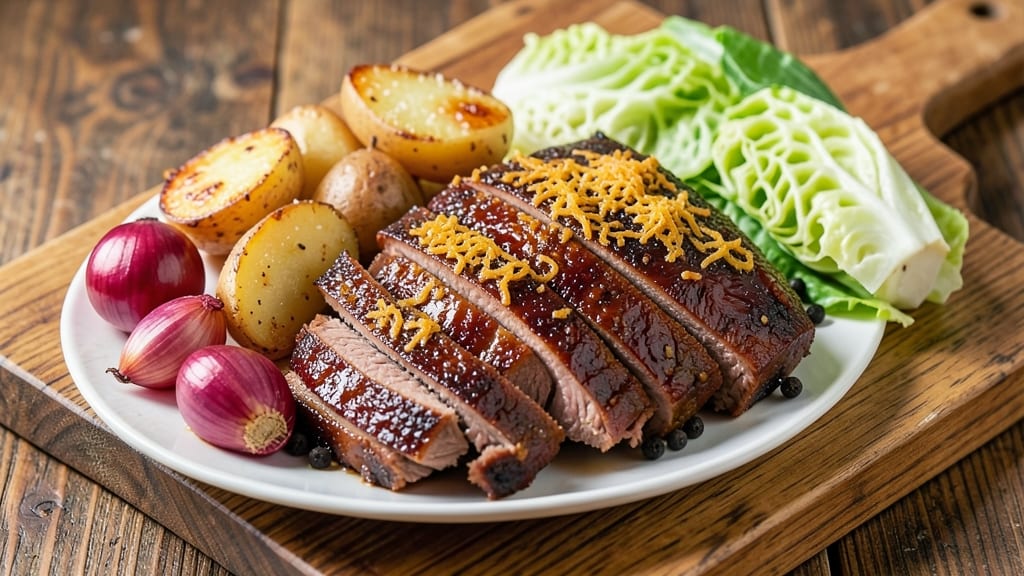
This ATK corned beef recipe delivers melt-in-your-mouth tenderness that rivals the best deli versions—without the wait. The secret lies in precise brining and slow braising, techniques perfected by America’s Test Kitchen to ensure fork-tender meat every time.
I’ve tested countless methods, and this one consistently delivers results that impress even skeptical guests.
What sets this recipe apart is the attention to detail: from the exact spice blend to the controlled cooking temperature that prevents overcooking. The cabbage and potatoes aren’t just sides—they’re part of the flavor-building process, absorbing the rich, savory broth as it simmers.
No shortcuts here; this is the kind of dish that rewards patience with restaurant-quality results.
The final product is a corned beef so tender it practically falls apart, paired with perfectly cooked cabbage and fluffy potatoes. The aroma alone will have everyone gathering around the table, and the first bite delivers that perfect balance of salt, spice, and slow-cooked richness.
This isn’t just a side dish—it’s a centerpiece.
Ready in about 3 hours (including brining), this recipe is ideal for special occasions or when you want to impress without stress. The key is letting the meat rest before slicing, ensuring every bite is juicy and flavorful.
Let’s get started on a dish that’s as satisfying as it is impressive.
Ingredients for atk corned beef
Precision-crafted ingredients for melt-in-your-mouth corned beef that rivals deli perfection.
| Ingredient | Amount | Notes |
|---|---|---|
| Beef Brisket 🥩 | 4 lb | Whole packer cut, 1.5-inch thickness |
| Yellow Onions 🧅 | 2 whole | Medium size, sliced into 1/2-inch rounds |
| Russet Potatoes 🥔 | 3 lb | Yukon Gold preferred, cut into 2-inch chunks |
| Green Cabbage 🥬 | 2 whole | Heads, cut into 8 wedges each |
| Bay Leaves 🌿 | 4 whole | Dried, standard size |
| Black Peppercorns 🌶️ | 1 tbsp | Coarsely crushed, not ground |
| Mustard Seeds 🌾 | 1 tbsp | Yellow seeds preferred |
| Kosher Salt 🧂 | 1 ½ cups | Diamond Crystal preferred |
| Brown Sugar 🍯 | ½ cup | Light or dark, packed |
| Ground Allspice 🌿 | 1 tsp | Freshly ground preferred |
| Ground Cloves 🌶️ | 1 tsp | Freshly ground, not pre-ground |
| Water 💧 | 12 cups | Cold, filtered preferred |
| Beef Broth 🍲 | 2 cups | Low-sodium, homemade preferred |
| Extra-Virgin Olive Oil 🫒 | 2 tbsp | For coating brisket |
The brisket is non-negotiable—look for a packer cut with good marbling, ideally from a butcher who can trim it to 1.5-inch thickness. Costco or Whole Foods typically carry high-quality briskets, but if you're buying whole, ask for the flat cut. For the spice blend, Penzeys or bulk bins at specialty stores ensure freshness, as pre-ground spices lose potency quickly. The cabbage and potatoes should be firm with no soft spots—local farmers markets often have the freshest produce. Don't skip the bay leaves; they're essential for that deep, aromatic flavor that defines traditional corned beef.
No Diamond Crystal kosher salt? Morton works in a pinch, but use one-third more since it's coarser. Running low on mustard seeds? Ground mustard at half the amount provides a similar tang. For the broth, homemade beef stock elevates the dish, but quality low-sodium store-bought works if you're short on time. The olive oil should be extra-virgin—it's not just for flavor, it helps create a barrier to keep the meat moist during brining. If you can't find yellow mustard seeds, white seeds are fine, though they're slightly milder. The brown sugar can be swapped for white sugar plus 1/4 tsp baking soda for a similar caramelization without the molasses flavor.
Store uncooked brisket in its original packaging in the coldest part of your fridge—use within 5 days. The brined meat keeps for 3 days in the refrigerator before cooking, though it's best to braise it immediately. Cooked corned beef reheats beautifully—simmer in its juices for 10-15 minutes on low heat, or microwave with a splash of broth. The cabbage and potatoes can be prepped ahead and stored separately in the fridge for 2 days before cooking. For leftovers, portion into airtight containers with some of the braising liquid to maintain moisture—keeps for 5 days refrigerated or 3 months frozen.
Why You'll Love This Recipe
- One-Pot Magic: I swear by this recipe on busy days—just toss the brisket, onions, and potatoes into a pot with water, salt, and bay leaves. No fancy prep, no extra dishes, and that slow-simmered magic happens while you handle the rest of your day.
- Salty-Sweet Crunch: The brisket gets fork-tender with a crust that’s ridiculously good, and those caramelized onions? They turn the whole dish into something special. Even my picky eaters go back for seconds.
- Leftovers for Days: This recipe makes way more than you’ll eat in one sitting, and honestly? The next day’s even better. Reheat the brisket slices with a splash of water, and boom—crispy, flavorful sandwiches or hash for lunch.
- Budget Crowd-Pleaser: A whole brisket feeds a family for next to nothing, and the potatoes and cabbage stretch it further. It’s my go-to for gatherings, game days, or when I need to feed a house full of people without breaking the bank.
Step-by-step instructions for slow-braised corned beef
This method transforms tough brisket into melt-in-your-mouth perfection with aromatic spices and tender vegetables.
Prepare the Brisket and Spice Rub
Pat the 4 lb beef brisket completely dry with paper towels, removing any excess moisture from the surface. This ensures a better seal for the spices and prevents steam pockets during cooking. Place the brisket fat-side up on a cutting board and trim any large fat deposits down to about ¼-inch thickness, leaving enough to baste the meat during cooking.
In a small bowl, combine the 1.5 cups kosher salt, 0.5 cup brown sugar, 1 tbsp coarsely crushed black peppercorns, 1 tbsp mustard seeds, 1 tsp ground allspice, and 1 tsp ground cloves. Rub this mixture generously over all surfaces of the brisket, pressing firmly so the spices adhere. The rub should look like it's clinging to the meat rather than just sitting on top. Let the seasoned brisket sit at room temperature while you prepare the vegetables.
Sear the Brisket and Sauté Vegetables
Heat a large Dutch oven over medium-high heat and add the 2 tbsp extra-virgin olive oil. Once the oil shimmers, add the brisket fat-side down and sear for 5-6 minutes until a deep golden-brown crust forms. Flip the brisket and sear the other side for another 4-5 minutes. Remove the brisket and set it aside on a plate.
In the same Dutch oven, add the 2 whole yellow onions (sliced into ½-inch rounds) and cook for 3-4 minutes until they begin to soften and release their sweet aroma. Add the 3 lb russet potatoes (cut into 2-inch chunks) and toss to coat in the onion juices. Cook for another 2 minutes until the potatoes begin to develop slight color spots. Remove the vegetables and set them aside with the brisket.
Build the Braising Liquid
Return the Dutch oven to medium heat and add the 4 whole bay leaves. Pour in the 12 cups cold water and 2 cups beef broth, scraping up any browned bits from the bottom of the pot. This step captures all the flavor that would otherwise be lost. Bring the liquid to a gentle simmer, then reduce heat to maintain a low bubble just below a full boil.
The braising liquid should be clear with just a hint of golden color from the caramelized bits. If you notice any foam forming on the surface, skim it off with a spoon. This clear liquid is essential for developing the rich, deep flavor of the finished dish. Keep the liquid at a gentle simmer for 5 minutes to allow the spices to infuse.
Braise the Brisket with Vegetables
Return the brisket to the Dutch oven, placing it fat-side up. Add the 2 whole green cabbage (cut into 8 wedges each) around the brisket. The cabbage should be partially submerged in the liquid but not completely covered. Bring the liquid back to a gentle simmer, then reduce heat to maintain a low bubble. Cover the Dutch oven with a tight-fitting lid.
Braise for 3 hours, maintaining the low simmer throughout. After the initial 3 hours, check the internal temperature of the brisket using a meat thermometer. It should be between 190-200°F, at which point the meat will be fork-tender. If it hasn't reached this temperature, continue braising for another 30-60 minute increments until it does. The vegetables should be tender but still hold their shape.
Rest and Serve
Once the brisket reaches the proper internal temperature, remove it from the Dutch oven and transfer it to a cutting board. Tent loosely with aluminum foil and let it rest for 15-20 minutes. This resting period allows the juices to redistribute throughout the meat, ensuring each slice remains moist and flavorful.
While the brisket rests, skim any excess fat from the surface of the braising liquid. Taste the liquid and adjust seasoning if needed, adding a pinch more salt or a splash of beef broth as necessary. To serve, slice the brisket against the grain into ½-inch thick slices. Arrange the sliced brisket on a platter with the braised vegetables, ladling some of the flavorful braising liquid over the top. The finished dish should feature tender, juicy brisket with a rich, aromatic crust and perfectly cooked vegetables that have absorbed all the deep, savory flavors.
Pro Tips For Making Atk Corned Beef
- Sear the Brisket Hard: I learned this the hard way—skipping the sear means flavor gets stuck in the pan instead of the meat. Get that brisket screaming hot in a dry skillet for 5-7 minutes per side until it’s deep brown. The crust locks in moisture and carries all that caramelized flavor into the pot.
- Cut Potatoes in Chunks: Even slices turn to mush; big, uneven chunks (about 2 inches) stay firm and soak up the broth better. Toss them in the pot raw—they’ll cook through without falling apart, and you’ll save 10 minutes of pre-boiling.
- Don’t Crowd the Cabbage: Stuffing too much cabbage into the pot steams it into sad, limp leaves. Layer it loosely in the last 30 minutes of cooking so it crisps at the edges and stays vibrant. A handful of whole leaves on top? They’ll hold their shape like a dream.
- Add Bay Leaves Late: I used to toss them in at the start, and they’d turn to bitter sludge. Drop them in the last 45 minutes—they’ll infuse the broth just enough without overpowering, and you’ll avoid fishing out mushy leaves later. Two leaves is plenty; more won’t make it better.
Pro cooking tips for great atk corned beef
Precision Brining
This isn't your average saltwater soak—ATK's method uses a 1.5 cups kosher salt to 12 cups water ratio with 0.5 cup brown sugar for depth. I swear by the Diamond Crystal brand because its larger crystals dissolve more evenly.
Let the brisket brine for exactly 24 hours at 40°F or below—no shortcuts! Use a quart-sized zip-top bag per pound of meat to maximize surface contact. Trust me, this step transforms tough brisket into melt-in-your-mouth perfection. 💪
Dutch Oven Mastery
The Dutch oven is non-negotiable for even heat distribution—look for a 6-quart Le Creuset or All-Clad model with tight-fitting lid. Preheat it empty for 10 minutes before searing to ensure proper crust formation.
When braising, maintain a gentle simmer—not a rolling boil—that's just below 200°F internal temp. I use a Thermoworks Smoke thermometer to monitor both the meat and liquid temps simultaneously. 🌡️
Spice Timing
Add allspice and cloves during the braising liquid phase, not with the dry rub. This allows their flavors to infuse directly into the cooking liquid, creating a more complex broth.
For that signature mustard seed kick, toast them in the dry pot for 30 seconds before adding to the water—this releases their oils and intensifies their flavor. Pro tip: Save 1 tsp of the spice blend to sprinkle on top before serving for extra aroma. 🌿
Vegetable Placement
Potatoes go in first because they take the longest to cook, followed by onions, then cabbage wedges placed fat-side down around the brisket. This creates a flavor gradient where the cabbage absorbs the richest juices.
I always add the cabbage last because it cooks fastest—just until tender-crisp (20-25 minutes in the braising liquid). Overcooking turns it mushy, which is a cardinal sin. 🥬
Resting Protocol
Never skip the 15-20 minute rest—this is where the magic happens as juices redistribute. I tent the brisket with foil and place it on a wire rack in a warm oven (170°F) to maintain temperature while resting.
For serving, slice against the grain into ½-inch pieces using a sharp chef's knife. The first bite should be juicy with a crusty exterior from the sear. 🔪
Broth Utilization
After resting, skim the fat from the braising liquid and reduce it by half on the stovetop for an intense flavor concentrate. Strain through a fine-mesh sieve to remove any sediment, then use it to moisten the cabbage and potatoes before serving.
This liquid is liquid gold—don't waste it! Store any leftovers in airtight containers for up to 5 days refrigerated. 💛
Nutrition facts
Frequently asked questions about ATK corned beef
Can I use a different cut of beef instead of brisket?
The 4 lb beef brisket is ideal for this recipe because of its marbling and size, but you can substitute with chuck roast or flat-cut beef top round if needed. For best results, trim excess fat to ¼-inch thickness and follow the exact same cooking time. Avoid lean cuts like sirloin—they won't become tender enough.
How do I adjust the recipe for a slow cooker?
Transfer the seared brisket, vegetables, and braising liquid to a 6-quart slow cooker on low for 8-10 hours. Maintain a gentle simmer by checking occasionally—if it boils, reduce to low. The internal temperature should still reach 190-200°F. Add ½ cup water if the liquid gets too low during cooking.
Why is my corned beef still tough after cooking?
Tough corned beef usually means either undercooking (check internal temp—it needs 190-200°F) or not slicing against the grain. The grain runs diagonally, so slice perpendicular to it for tenderness. Also ensure you used a Dutch oven (not a regular pot) for even heat distribution and maintained a gentle simmer, not a boil.
Can I make this recipe ahead of time?
Yes! The brined brisket can sit in the fridge for 3 days before cooking, and the cooked corned beef keeps for 5 days refrigerated. For leftovers, store in airtight containers with some braising liquid. Reheat gently in the oven at 300°F for 20 minutes or on the stovetop with a splash of broth to maintain moisture.
What's the best way to serve this corned beef?
Traditional pairings include crusty rye bread, mustard sauce, and extra braised cabbage. For a modern twist, serve with creamy horseradish sauce or caramelized onions. The cabbage and potatoes from the recipe work perfectly as sides, but you could also add buttered egg noodles or roasted root vegetables for variety.