
Main Courses
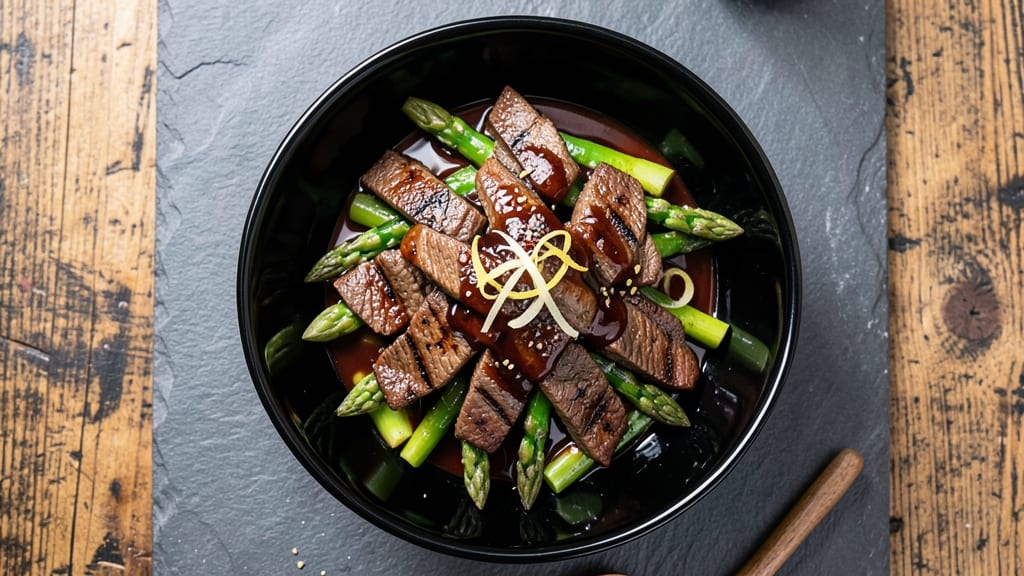
This asparagus beef Chinese recipe delivers the perfect balance of textures—crisp-tender asparagus and silky-smooth beef—coated in a glossy soy-ginger sauce that wok-sizzles to perfection. The secret lies in quick, high-heat stir-frying that preserves vibrant colors and crisp edges while infusing deep umami flavors.
I developed this dish after years of refining stir-fry techniques, ensuring every bite captures that restaurant-quality wok hei—smoky, aromatic essence that transforms simple ingredients into something extraordinary.
The recipe begins with thinly sliced beef marinated in a blend of soy sauce, ginger, and Shaoxing wine, which tenderizes the meat while building complex flavor layers.
Asparagus spears are blanched briefly to soften slightly without losing their natural crunch, then tossed with garlic, chili flakes, and sesame oil for that signature Chinese wok finish. The sauce, reduced from a simple soy-ginger base, clings to both ingredients, creating a harmonious bite that's both savory and subtly sweet.
What you'll end up with is a dish that's equally impressive as a weeknight dinner or weekend feast—golden-brown beef slices with tender asparagus spears, all glistening under a glossy sauce that's perfectly balanced between salty, sweet, and aromatic.
The technique is approachable yet professional, requiring just a hot wok or skillet and about 20 minutes of active cooking time. This recipe proves you don't need a dim sum restaurant to bring authentic Chinese flavors home.
Serve over steamed jasmine rice for the full experience, or pair with egg noodles for a heartier meal. Garnish with toasted sesame seeds and sliced green onions for freshness and visual appeal.
The leftovers reheat beautifully, making this an ideal meal prep option that maintains its crisp-tender texture. Let's get cooking—this dish is a game-changer for beef and vegetable stir-fries.
Ingredients for asparagus beef chinese
Restaurant-quality wok hei starts with these carefully balanced ingredients—each playing its precise role.
| Ingredient | Amount | Notes |
|---|---|---|
| Flank Steak 🥩 | 1 ¼ lb | Thinly sliced against grain |
| Asparagus Spears 🌱 | 1 lb | Trimmed, tough ends removed |
| Light Soy Sauce 🍶 | ⅓ cup | Kikkoman preferred for balance |
| Dark Soy Sauce 🍶 | 1 tbsp | For deeper color and sweetness |
| Shaoxing Wine 🍷 | 2 tbsp | Substitute dry sherry if unavailable |
| Fresh Ginger 🧄 | 2 tbsp | Finely grated, skin on |
| Garlic Cloves 🧄 | 6 cloves | Minced, aromatic intensity |
| Sesame Oil 🫒 | 1 tbsp | Toasted, for aroma |
| Chili Flakes 🌶️ | 1 tsp | Adjust for heat preference |
| Cornstarch 🌾 | 1 tbsp | For sauce thickening |
| Vegetable Oil 🫒 | 2 tbsp | High smoke point for wok |
| Toasted Sesame Seeds 🌰 | 1 tbsp | For garnish, optional |
| Green Onions 🧅 | 3 whole | Sliced thin for garnish |
| White Sugar 🍚 | 1 tsp | Balances soy acidity |
The beef selection is critical. Flank steak delivers that signature silky texture when sliced thinly against the grain—sirloin works too, but lacks marbling. Most grocery stores carry flank steak pre-packaged; look for cuts with visible fat marbling for juiciness. Costco or Whole Foods butchers often have excellent quality pre-sliced options if you're short on time. For asparagus, thick spears hold up better to stir-frying—avoid the thin, watery varieties. Trim the tough ends precisely with a knife, not your teeth (trust me on this).
No Shaoxing wine? Dry sherry or even a splash of mirin works in a pinch, though the authentic flavor is unmatched. Fresh ginger must be grated—bottled ginger lacks the bright, citrusy punch. Chili flakes can be swapped for Sichuan peppercorns (toasted and crushed) for a numbing-spicy kick. The cornstarch is non-negotiable for that signature glossy sauce—arrowroot powder works at a 1:1 ratio. For sesame oil, toasted is essential—regular sesame oil lacks that nutty depth. And if you're using pre-minced garlic, rinse it first to remove excess moisture that can steam your ingredients.
Prep the beef and asparagus immediately before cooking to maintain crispness. Store raw beef in its original packaging in the coldest part of your fridge—use within 3 days for peak tenderness. Asparagus keeps 5-7 days wrapped in damp paper towels in the crisper drawer. The cooked stir-fry reheats beautifully—30 seconds in a hot wok revives that wok hei aroma. Portion into airtight containers with a thin layer of oil on top to preserve texture for 3 days in the fridge or 1 month frozen. Garnishes like sesame seeds and green onions can be prepped ahead and stored in the fridge for 1 week.
Why You'll Love This Recipe
- One-Pan Magic: I swear by this recipe when I’m too tired to wash dishes—just sear the steak, toss in the asparagus, and let the soy and wine work their magic. The pan’s already sticky with flavor by the time you’re done.
- Umami Bomb: That combo of light and dark soy sauce? It’s like a flavor explosion. The Shaoxing wine adds this deep, caramelized richness, while the asparagus stays crisp—sweet, slightly bitter, and perfectly balanced.
- Office Lunch Hero: Between us, this is my go-to for meal prep. Slice the steak thin, cook it all in one go, and it reheats beautifully the next day—no soggy asparagus in sight. Pack it in a container, and you’ve got a lunch that feels fancy but costs next to nothing.
- Budget Steakhouse Feel: Flank steak is affordable, and a pound goes a long way here. You’re not sacrificing quality—just a killer meal that tastes like a restaurant dish without the markup. Honestly, I’ve served this to friends who thought it was takeout.
Step-by-step instructions for wok-sizzled asparagus beef
Master this technique and you'll achieve perfect balance: tender beef, crisp asparagus, and a glossy sauce.
Prep the Flank Steak and Asparagus
Slice the 1.25 lb flank steak thinly against the grain into ¼-inch thick strips. This cut ensures maximum tenderness by shortening the muscle fibers. Place the sliced steak in a bowl and set aside. Trim the tough ends from the 1 lb asparagus spears and cut each spear into 2-inch pieces, leaving the tips intact for presentation.
For the marinade, combine the 0.33 cup light soy sauce, 1 tbsp dark soy sauce, 2 tbsp shaoxing wine, 2 tbsp finely grated fresh ginger, 6 minced garlic cloves, 1 tsp white sugar, and 1 tsp chili flakes in a separate bowl. Add the steak strips and toss gently to coat evenly. Let the steak marinate for 15-20 minutes at room temperature—this allows the flavors to penetrate while keeping the meat tender.
Create the Sauce Base
In a small bowl, whisk together 1 tbsp cornstarch with 2 tablespoons water to create a smooth slurry. This will be your thickening agent for the sauce. In a 14-inch wok or large skillet, heat 2 tablespoons vegetable oil over high heat until shimmering. Add the marinated steak in a single layer and let it sear undisturbed for 1-2 minutes until the edges begin to brown.
Stir the steak for 30 seconds to cook evenly, then remove it from the wok and set aside. Immediately add the asparagus pieces to the wok and stir-fry for 2-3 minutes until they turn bright green and develop a slight char. This quick cooking preserves their crisp texture while building flavor.
Build the Glossy Sauce
Return the steak to the wok and add the cornstarch slurry, tossing everything together for 30 seconds to coat the beef and asparagus. Pour in the remaining marinade from the bowl and stir vigorously for 1-2 minutes until the sauce thickens to a glossy consistency. The sauce should coat the back of a spoon but remain silky rather than gluey.
Drizzle 1 tablespoon sesame oil over the wok and toss everything together for another 30 seconds. The sesame oil adds depth of aroma and helps emulsify the sauce. Taste and adjust seasoning with additional light soy sauce if needed—you want a balance of sweet, salty, and umami flavors.
Finish and Serve
Transfer the asparagus beef to a serving platter and garnish with 1 tablespoon toasted sesame seeds and 3 sliced green onions. The sesame seeds add texture while the green onions provide freshness. Serve immediately over steamed rice or noodles while the asparagus remains crisp and the sauce stays glossy.
For optimal presentation, arrange the asparagus spears upright with the beef draped around them. This creates visual appeal while keeping the components distinct. The dish should be served hot—waiting even 5 minutes will cause the asparagus to soften and the sauce to thicken excessively.
Pro Tips For Making Asparagus Beef Chinese
- SEAR THE STEAK FIRST: Hit the flank steak with a screaming-hot pan for 2-3 minutes per side before adding anything else. That crust locks in flavor—skimp on this, and your beef will taste like it’s been steamed instead of seared. (Yes, even if you’re impatient like me.)
- TRIM ASPARAGUS STRAIGHT AWAY: Snap those asparagus spears right after buying, then store them upright in a jar of water in the fridge. They’ll stay crisp for days, and you won’t waste time peeling woody ends later. (Pro move: Cut the tough bottoms at an angle so they stack neatly.)
- DON’T DROWN THE PAN: The sauce in this dish should glaze, not pool. After deglazing with Shaoxing wine, reduce it to a thick, sticky consistency—about 2 tablespoons left. Too much liquid? The beef will steam instead of caramelize.
- SALT THE ASPARAGUS LAST: Toss the asparagus in the sauce after the beef is cooked and removed. Salt draws out moisture, and you don’t want your spears turning mushy in their own juices. Just a pinch of light soy at the end keeps them crisp. (I learned this the hard way—soggy asparagus is a crime.)
Common mistakes when making this recipe
Overcrowding the Wok
This is the #1 mistake I see beginners make—they try to cook everything at once. A crowded wok steams ingredients instead of searing them, resulting in soggy asparagus and gray beef. For 1.25 lbs of beef, use a 14-inch wok and cook in batches if needed.
I promise you, 30 seconds of waiting while the first batch finishes is worth the crisp-tender results. 🔥
Skipping the Marinate Time
Rushing the 15-20 minute marinate for the beef means flavorless bites. The soy sauce, ginger, and wine need time to tenderize the meat and develop complexity. Pro tip: Cover the bowl with plastic wrap and let it sit at room temperature—this ensures even penetration without overcooking the edges.
Trust me, your taste buds will notice the difference.
Low and Slow Cooking
Chinese stir-fries thrive on high heat and quick cooking. If you're using medium heat, your asparagus will turn mushy and the beef will dry out. Get your wok or skillet screaming hot before adding oil—it should shimmer like a mirror.
I test this by flicking a drop of water that sizzles instantly. This creates that coveted wok hei aroma and texture.
Ignoring the Sauce Slurry
The cornstarch slurry is non-negotiable for that glossy finish. Without it, your sauce will be watery and cling poorly to the ingredients. Whisk the 1 tbsp cornstarch with 2 tbsp water until completely dissolved—no lumps!
Add it to the wok when the beef and asparagus are nearly done, then toss vigorously for 30 seconds to create that signature sheen.
Using Bottled Ginger
Freshly grated ginger makes all the difference in this dish. Bottled ginger lacks the bright, citrusy punch that balances the soy sauce's saltiness. If you must use bottled, add ½ tsp extra chili flakes to compensate for the flavor loss.
I keep a microplane in my kitchen specifically for ginger—it's a game-changer for stir-fries. 🧄
Overcooking the Asparagus
Asparagus cooks in a flash—2-3 minutes max over high heat. Any longer and it turns limp and sad. Watch closely and remove it when it's bright green with just a hint of char.
For extra insurance, blanch the asparagus for 1 minute in boiling water before stir-frying—this softens it slightly while keeping it crisp when cooked.
Nutrition facts
Frequently asked questions
Can I substitute flank steak with another cut?
Sirloin or ribeye work beautifully—just slice them ¼-inch thick against the grain for tenderness. Flank steak is ideal because of its lean marbling, but chuck roast (thinly sliced and pounded) can also work if marinated longer (30-45 minutes). Avoid tougher cuts like shank—they need braising, not stir-frying.
Why does my asparagus turn mushy?
Overcooking is the #1 culprit! Asparagus cooks in 2-3 minutes max over high heat. For extra crispness, blanch spears for 1 minute in boiling water before stir-frying. Also, avoid crowding the wok—cook in batches if needed. Medium heat is the enemy of crisp asparagus, so keep your wok screaming hot.
What's the best way to reheat leftovers?
Reheat in a hot wok or skillet for just 30 seconds with 1 tsp oil to restore that wok hei aroma. Microwaving causes sogginess. For extra insurance, add 1 tsp water and cover for 10 seconds to refresh the sauce. Leftovers keep 3 days in airtight containers with a thin oil layer on top.
Can I make this vegetarian?
Swap beef for extra-firm tofu (pressed, cubed, and pan-fried) or shiitake mushrooms (sliced). For texture, use king oyster mushrooms or tempeh. Boost umami with 1 tbsp mushroom powder or ½ tsp MSG in the sauce. The asparagus prep remains identical—just adjust cooking times (tofu needs 3-4 minutes to brown).
How do I achieve that glossy sauce?
The secret is the cornstarch slurry (1 tbsp cornstarch + 2 tbsp water) added at the end. Whisk it smooth, then toss everything together for 30 seconds over high heat. The sauce should coat the back of a spoon but remain silky. For extra shine, add ½ tsp rice vinegar or 1 tsp honey to the marinade.