
Main Courses
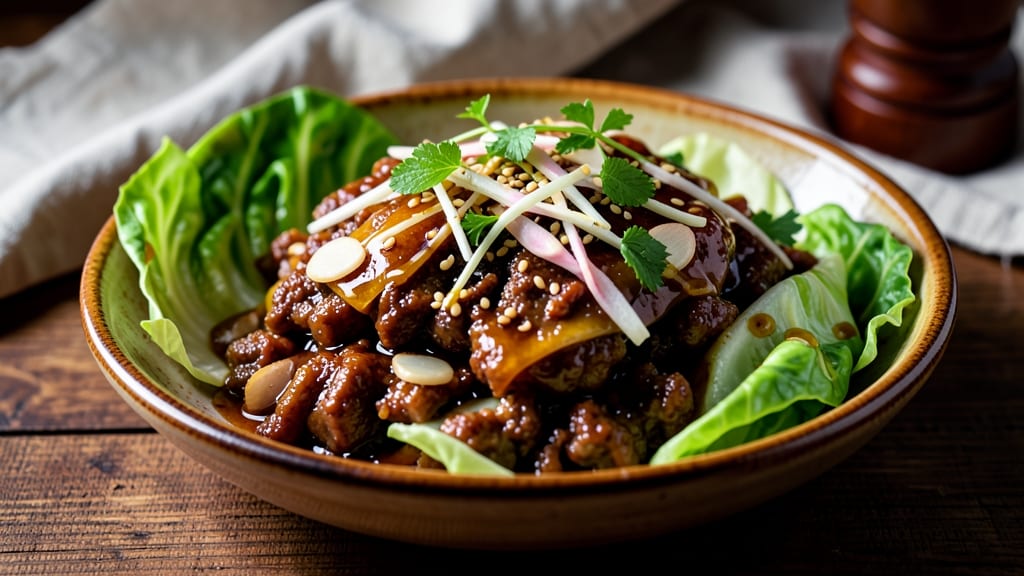
This Asian cabbage and ground beef recipe delivers the perfect balance of crunchy napa cabbage and savory beef in a fragrant soy-ginger sauce that's impossible to resist. 🔥 The technique combines quick stir-frying with deep umami flavors, inspired by classic Korean galbi-jjim but simplified for home cooks.
What sets this dish apart is the caramelized cabbage edges and tender beef that absorbs the sauce perfectly.
The foundation of this recipe lies in proper prep: thinly slicing the cabbage and marinating the beef in a soy-ginger mixture for at least 20 minutes. This ensures maximum flavor infusion and that signature tender texture.
The stir-fry process is where the magic happens - high heat creates that satisfying crunch while the sauce reduces to a glossy finish.
By the time you plate this dish, you'll have vibrant green cabbage with crisp edges, perfectly cooked ground beef, and a sauce that's both sweet and savory. The aroma alone will have everyone at the table asking for seconds.
This recipe serves 4 and comes together in under 30 minutes - perfect for weeknight dinners that feel like restaurant-quality.
Pair with steamed jasmine rice and quick-pickled cucumbers for a complete meal. The contrast of textures and temperatures makes each bite exciting. Let's get cooking - this dish is a game-changer for Asian-inspired weeknight meals.
Ingredients for asian cabbage and ground beef
Here's what you need to create this fragrant, wok-fired dish with perfect crunch and umami balance.
| Ingredient | Amount | Notes |
|---|---|---|
| Napa Cabbage 🥬 | 1 lb | Thinly sliced, core removed |
| Ground Beef (80% lean) 🥩 | 1 lb | Freshly ground preferred |
| Soy Sauce 🍶 | ½ cup | Kikkoman or similar |
| Sesame Oil 🫒 | 1 tbsp | Toasted, for aroma |
| Fresh Ginger 🌿 | 2 tbsp | Grated, peeled |
| Garlic Cloves 🧄 | 4 cloves | Minced, fresh preferred |
| Honey 🍯 | 1 tbsp | For sauce balance |
| Rice Vinegar 🍶 | 1 tbsp | White or seasoned |
| Vegetable Oil 🫒 | 2 tbsp | High smoke point |
| Green Onions 🧅 | 3 whole | Sliced, for garnish |
| Sesame Seeds 🌾 | 1 tsp | Toasted, for crunch |
| Salt 🧂 | 1 tsp | Kosher or sea salt |
| Black Pepper 🌶️ | ½ tsp | Freshly ground |
| Jasmine Rice 🍚 | 2 cups | Uncooked, for serving |
The napa cabbage is non-negotiable for that signature crunch. Look for heads with crisp leaves—avoid any with yellowing or wilted spots. Trader Joe's and Whole Foods carry excellent quality, but the regular grocery store works too. For the beef, 80% lean ground chuck gives the best texture—too lean and it dries out. If you can't find it, 85% lean is fine. Thinly slice the cabbage (about 1/4-inch thick) and store it in a sealed container with a paper towel to keep it crisp.
No sesame oil? Toasted peanut oil works in a pinch, though it won't have that same nutty aroma. The ginger can be substituted with 1 tsp ground ginger, but fresh is ideal. For extra depth, add 1 tsp fish sauce to the marinade (though omit if avoiding it). The honey in the sauce balances the savory flavors—agave nectar works as a vegan alternative. If you're short on time, pre-minced garlic from a jar is fine, but fresh is always better. The green onions add freshness, but baby bok choy can be used instead for a different texture.
The cabbage stays crispest when stored in an airtight container with a paper towel for up to 3 days. Ground beef should be used within 2 days of purchase for best flavor. The sauce can be made ahead and stored in the fridge for 5 days—just reheat gently before using. For extra convenience, pre-cook the rice and store it separately. This dish reheats beautifully—just add a splash of water or broth to keep it moist.
Why You'll Love This Recipe
- One-Pan Magic: I swear by this recipe when I’m too tired to wash dishes. The cabbage wilts down perfectly with the beef in the same pan—no chopping boards, no extra pots, just one spatula and a single sheet pan. Honestly, that’s half the battle won right there.
- Umami Bomb: That combo of soy sauce and sesame oil? It’s like a flavor grenade in the best way. The ginger adds a little kick, but the beef soaks up all the savory goodness, while the cabbage stays just crisp enough to cut through it. I’ll be real: my picky eaters actually finish their plates.
- Leftover Hero: This dish gets better the next day—yes, really. The cabbage softens into something almost silky, and the beef stays juicy. I make double batches on Sundays because it’s my go-to for lunches, and I can freeze portions too. No sad, dry leftovers here.
- Budget Powerhouse: Ground beef and cabbage are about as affordable as it gets, but it still feels special. A single head of cabbage lasts me two meals, and the spices cost pennies. Between us, I’ve served this at potlucks, and no one ever guessed how cheap it was to make.
Step-by-step instructions for wok-fired beef and cabbage
Master this Asian-inspired dish with crisp-tender cabbage and savory beef in a fragrant ginger-soy sauce.
🍳 Step 1: Cook the Jasmine Rice to Perfection
Rinse the 2 cups jasmine rice thoroughly under cold water until the water runs clear. This removes excess starch that can make the rice gummy. Combine the rice with 2 cups water in a pot and bring to a boil over medium-high heat. Once boiling, reduce to low heat, cover tightly, and simmer for 15 minutes. Turn off the heat and let it steam, covered, for another 10 minutes. Fluff with a fork before serving—this ensures each grain stays separate.
I always use a rice-to-water ratio of 1:1 for jasmine rice. The rice should be tender but still slightly firm in the center when you test it. If you prefer it extra fluffy, you can spread the rice on a tray after cooking and let it cool slightly before serving.
🔥 Step 2: Sear the Ground Beef Until Browned
Heat 1 tablespoon vegetable oil in a wok or large skillet over medium-high heat until shimmering. Add the 1 lb ground beef (80% lean) and cook, breaking it apart with a wooden spoon, until it's deeply browned and no longer pink in the center. This should take about 5-6 minutes. The beef should release its juices freely, creating a rich brown crust on the bottom of the pan.
Don't drain the fat from the beef—this is where all the flavor lives. If the pan gets too dry, add another 1 tablespoon vegetable oil to keep the beef from sticking. Once fully cooked, transfer the beef to a plate and set aside, leaving the rendered fat in the wok.
🥘 Step 3: Stir-Fry the Napa Cabbage
In the same wok, add the remaining 1 tablespoon vegetable oil and swirl to coat the pan. Add the 1 lb thinly sliced napa cabbage and stir-fry over high heat for 3-4 minutes until it begins to soften but still retains a slight crunch. The cabbage should wilt slightly but not turn mushy—this is key for texture.
Here's the thing—don't overcrowd the wok. If your pan is too full, the cabbage will steam instead of crisp up. Work in batches if needed, but I've found that a 14-inch wok handles all the cabbage at once when cooked properly. Push the cabbage to the sides of the wok and let it develop a golden color in spots.
👨🍳 Step 4: Build the Fragrant Soy-Ginger Sauce
Add the 2 tablespoons grated fresh ginger and 4 minced garlic cloves to the wok and stir for 30 seconds until fragrant—you should smell that bright, zesty aroma. Pour in the 0.5 cup soy sauce, 1 tablespoon honey, and 1 tablespoon rice vinegar, stirring constantly to combine with the cabbage and any browned bits on the bottom of the pan.
Let the sauce simmer for 1-2 minutes until it thickens slightly. The cabbage should be coated in a glossy, savory-sweet glaze. If the sauce looks too thick, add 1-2 tablespoons water to loosen it. The balance of soy sauce's saltiness, honey's sweetness, and rice vinegar's tang creates the perfect flavor foundation.
🍽️ Step 5: Combine and Finish with Aromatics
Return the browned ground beef to the wok and stir everything together for 1-2 minutes until the beef is heated through and evenly coated in the sauce. Remove from heat and stir in the 1 tablespoon sesame oil—this adds a nutty aroma that ties all the flavors together. Finally, sprinkle with 1 teaspoon toasted sesame seeds and 3 sliced green onions for color and freshness.
Serve immediately over the cooked jasmine rice, spooning the beef and cabbage mixture generously onto each portion. The dish should have a perfect balance of textures—crisp cabbage, tender beef, and fluffy rice—with that aromatic soy-ginger sauce tying everything together. For extra crunch, I like to add a few extra sesame seeds on top right before serving.
Pro Tips For Making Asian Cabbage And Ground Beef
- COOK BEEF UNTIL BROWNED: I learned this the hard way—skipping the browning step leaves you with bland, gray meat that tastes like it’s been steamed. Use a nonstick or cast-iron pan on medium-high heat, break the beef into 1-inch chunks, and let them sear for 3-4 minutes until deeply browned. That crust? It’s where all the flavor lives.
- SHRED CABBAGE FINE: Napa cabbage has tougher cores than you’d think, and big chunks won’t soften evenly. Cut the cabbage in half, remove the core, then slice each half into matchsticks before shredding lengthwise. Thin slices cook faster and absorb the soy-ginger sauce better—no more crunchy surprises.
- SAVE SOY SAUCE FOR LATER: Dumping all the soy sauce at once turns your dish into a salty soup. Reserve 1-2 tablespoons for the end, then add the rest gradually while the beef cooks. Taste as you go—you can always add more, but you can’t un-salt it.
- GINGER: GRATE, DON’T CHOP: Sounds weird, but it works: finely grated ginger (about 1 teaspoon) blends into the sauce smoothly without clumps. If you’re chopping, use a microplane or the smallest holes on a box grater—anything coarser will leave you picking out texture. Trust me, your future self will thank you.
Storing and reheating this dish
Refrigerator Storage
Store your cooked beef and cabbage dish in an airtight container for up to 3 days in the refrigerator. The cabbage stays crispest when kept separate from the beef—transfer it to a sealed container with a paper towel to absorb excess moisture.
For the beef mixture, let it cool slightly before storing to prevent condensation. I always reheat portions within 2 days for the best texture and flavor. 🥬
Freezer Storage
Freeze this dish for up to 3 months in a freezer-safe container or heavy-duty zip-top bag. Portion it into single servings for easy reheating. Press out excess air to prevent freezer burn and label with the date.
When ready to eat, thaw overnight in the fridge—never microwave directly from frozen. The cabbage may soften slightly after freezing, so I recommend adding fresh green onions and sesame seeds after reheating for extra freshness. ❄️
Reheating Methods
For the best results, reheat in a skillet over medium heat with 1 tablespoon water or beef broth to prevent drying. Stir frequently until heated through to 165°F internal temperature.
If using the microwave, cover with a damp paper towel and heat in 1-minute intervals, stirring between each, until hot. The sauce will thicken slightly, so add a splash of water if needed. 🔥
Reviving Crispiness
If your cabbage loses its crunch after reheating, don't worry—there's a quick fix! Toss it with 1 teaspoon toasted sesame oil and ½ teaspoon rice vinegar, then sear in a hot pan for 1-2 minutes until slightly crisp.
This restores that satisfying crunch while refreshing the flavors. I also like adding fresh green onions and a sprinkle of sesame seeds for extra brightness. ✨
Make-Ahead Sauce
Make the soy-ginger sauce ahead of time and store it in the fridge for up to 5 days. Reheat gently in a small saucepan over low heat, stirring until warmed through. This is a great time-saver for busy weeknights.
If the sauce thickens too much, thin it with 1 teaspoon water or broth before using. The pre-made sauce works perfectly with freshly cooked beef and cabbage for a quick assembly. 💡
Portion Control Tips
Divide the dish into individual portions before storing to make reheating easier. I use glass meal prep containers with snap-on lids for best results. When reheating, focus on the beef reaching 165°F—the cabbage will warm through quickly.
For extra flavor, add a drizzle of sesame oil or a sprinkle of sesame seeds after reheating. This keeps the dish tasting fresh, even after storage. 🍽️
Nutrition facts
Frequently asked questions
Can I substitute regular cabbage for napa cabbage?
While you can use regular green cabbage in a pinch, it won't give the same authentic texture. Napa cabbage has tender leaves that become beautifully crisp-tender when stir-fried, while regular cabbage tends to stay too firm. If substituting, slice it thinner (about 1/8-inch) and cook it for 1-2 minutes less to avoid overcooking.
What's the best way to keep the cabbage crisp?
High heat is key! Use a wok or large skillet and keep the flame at high heat while stir-frying. Work in batches if needed, and don't overcrowd the pan. The cabbage should wilt slightly but still have a satisfying crunch. For extra crispiness, add 1 teaspoon sesame oil at the end and toss quickly in the hot pan.
Can I make this dish with leaner ground beef?
Yes, but expect slightly less flavor and juiciness. Use 90% lean ground beef if that's what you have, but add 1 tablespoon vegetable oil when cooking to compensate for the reduced fat. For extra moisture, sprinkle 1 teaspoon water or beef broth over the beef during cooking. The sauce will still cling beautifully to the meat.
How can I make this vegetarian?
Swap the ground beef for 1 lb extra-firm tofu or 1 lb mushrooms (like shiitake or cremini). For tofu, press and cube it, then pan-fry until golden. For mushrooms, slice them thin and cook until tender. The soy-ginger sauce works perfectly with either protein. Add 1 teaspoon soy sauce extra to the marinade for depth.
What's the best way to serve leftovers?
Reheat in a skillet over medium heat with 1 tablespoon water or broth to restore moisture. For extra flavor, add a drizzle of sesame oil or fresh green onions after reheating. If the cabbage loses crispiness, sear it briefly in a hot pan with 1 teaspoon rice vinegar to revive the texture. Serve over freshly cooked rice for the best experience.