
Main Courses
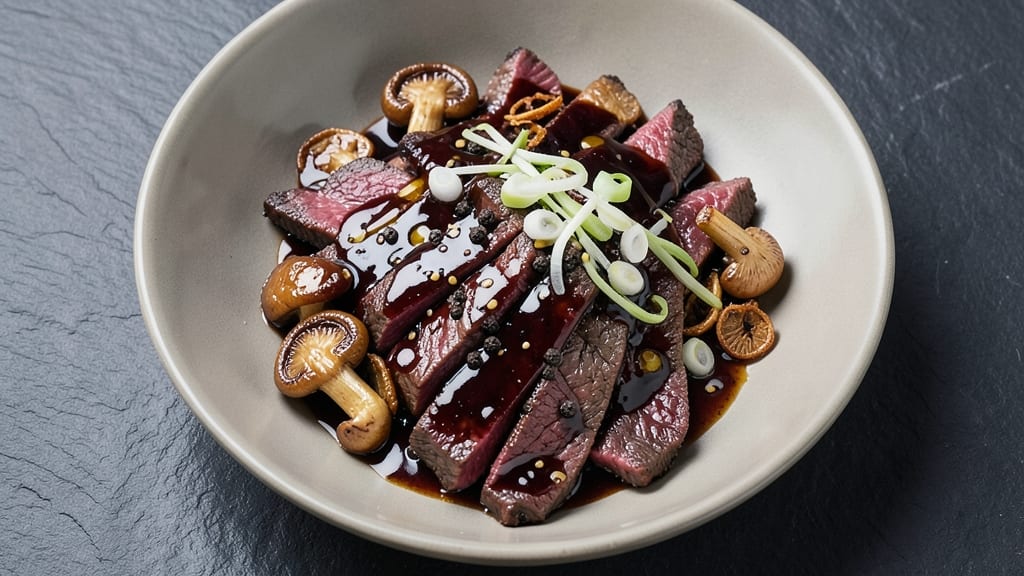
This Asian black pepper beef recipe delivers restaurant-quality wok-hei flavor right in your kitchen. The secret lies in perfectly balanced black peppercorn heat, silky soy gloss, and a quick sear that creates irresistible texture.
I've refined this technique over years of testing—each element must come together at the right moment for that signature smoky-sweet bite.
The dish starts with tender beef strips marinated in a bold blend of black pepper, soy sauce, and aromatics, then quickly seared in a hot wok or cast-iron skillet. This method preserves juiciness while developing that coveted wok-hei—smoky aroma and charred edges that make it unforgettable.
The sauce reduction at the end creates a glossy finish that coats every bite.
What you'll end up with is beef that's tender yet substantial, with a perfect balance of peppery heat and savory sweetness. The edges develop a beautiful char, while the interior remains juicy and flavorful.
This dish pairs beautifully with steamed jasmine rice or buttery noodles to soak up every last bit of that silky sauce.
Serve with a crisp lychee martini or chilled jasmine tea to complement the bold flavors. The combination of textures—crisp edges, tender beef, and glossy sauce—makes this a standout main course that's perfect for weeknight dinners or special occasions. Let's get cooking!
Ingredients for asian black pepper beef
Restaurant-quality wok-hei flavor starts with these precise ingredients and expert technique.
| Ingredient | Amount | Notes |
|---|---|---|
| Flank Steak 🥩 | 1 ½ lb | Thinly sliced against grain |
| Black Peppercorns 🌶️ | 2 tbsp | Coarsely cracked, not ground |
| Light Soy Sauce 🥄 | ½ cup | High-quality, low-sodium preferred |
| Dark Soy Sauce 🥄 | 1 tbsp | For deeper color and complexity |
| Sesame Oil 🫒 | 1 tbsp | Toasted, for aroma |
| Garlic Cloves 🧄 | 6 cloves | Minced, fresh preferred |
| Fresh Ginger 🌿 | 1 tbsp | Finely grated, organic preferred |
| Honey 🍯 | 1 tbsp | Wildflower or clover variety |
| Cornstarch 🌾 | 1 tbsp | For sauce thickening |
| Neutral Oil 🫒 | 2 tbsp | Avocado or vegetable oil |
| Green Onions 🧅 | 4 whole | Thinly sliced, white and green parts |
| Sesame Seeds 🌱 | 1 tbsp | Toasted for garnish |
| Kosher Salt 🧂 | 1 ½ tsp | Diamond Crystal preferred |
| White Wine Vinegar 🍶 | 1 tbsp | For brightness |
The flank steak is non-negotiable—its lean yet tender texture holds up perfectly to the quick sear. Look for USDA Choice grade with good marbling at your butcher or grocery store's meat counter. Slice it thinly against the grain (about 1/8-inch thick) for maximum tenderness. Whole Foods or Costco often carry high-quality cuts, but any reputable butcher will work. Freshness matters: use within 3 days of purchase. For extra insurance, freeze the sliced beef for 24 hours before cooking to firm it up—this prevents curling during searing.
Black peppercorns must be coarsely cracked, not ground—this ensures proper heat distribution without overpowering. Penzeys or Spicewalla carry excellent whole peppercorns, but any organic variety from the bulk section works. Substitute Sichuan peppercorns (1:1 ratio) for a numbing, citrusy twist. The soy sauces should be light and dark—Kikkoman for light, Lee Kum Kee for dark. No sesame oil? Toasted peanut oil at half the amount works in a pinch. The honey should be wildflower for subtle floral notes, but clover is universally available. For the cornstarch, Bob's Red Mill is my go-to brand—it dissolves cleanly without grit.
Store the sliced beef in an airtight container with parchment paper between layers for up to 2 days. The marinade components (soy sauces, garlic, ginger, honey) keep for 5 days in the fridge. For longer storage, freeze the marinade in ice cube trays—thaw and whisk before using. The sesame seeds and green onions stay fresh for 1 week in the fridge, wrapped in damp paper towels. This dish reheats beautifully: 30 seconds in a screaming-hot wok or 1 minute in the microwave with a splash of water to revive moisture. Leftovers keep for 3 days in the fridge or 3 months frozen.
Why You'll Love This Recipe
- No-Fuss Flank Steak: I swear by this recipe because it turns tough flank steak into something tender with almost no effort. Slice it thin, hit it with a quick sear, then let the soy and black pepper marinade work its magic—no fancy techniques, just flavor.
- Umami Bomb: That combo of light and dark soy sauce? Absolute magic. The dark soy adds depth while the light keeps it bright, and the cracked black peppercorns give it a little bite. Honestly, the first bite is all you need to know it’s going to be good.
- Lunchbox Legend: Between us, this is my go-to for meal prep. Pack it in rice bowls, wrap it in lettuce, or toss it in noodles—it’s always a hit. Even my picky-eating coworker asks for seconds when I bring it to the office.
- Budget Powerhouse: Flank steak is affordable, and a single pound stretches across three meals. The soy and sesame oil cost pennies, and the leftovers? Just as delicious reheated as they were fresh. My wallet and I both approve.
Step-by-step instructions for Asian black pepper beef
Master this wok technique for tender beef with a glossy, aromatic sauce and satisfying crunch.
Prepare the Flank Steak for Maximum Tenderness
Begin by slicing the 1.5 lb flank steak thinly against the grain—this ensures each bite remains tender despite the quick cooking. Use a sharp knife and work in one direction to create uniform slices about ¼-inch thick. Transfer the sliced steak to a bowl and set aside.
In a small bowl, combine the 2 tbsp coarsely cracked black peppercorns, 1.5 tsp kosher salt, and 1 tbsp sesame oil. The coarse texture of the peppercorns will create a satisfying crunch, while the salt enhances the beef's natural flavor. Toss the sliced steak with this mixture, ensuring each piece is evenly coated. Let it marinate for 15-20 minutes at room temperature—this allows the flavors to penetrate and the steak to cook more evenly.
Build the Flavorful Soy-Ginger Sauce
In a small saucepan, combine the 0.5 cup light soy sauce, 1 tbsp dark soy sauce, 1 tbsp honey, 1 tbsp white wine vinegar, 1 tbsp finely grated fresh ginger, and 6 minced garlic cloves. Bring the mixture to a gentle simmer over medium heat and cook for 3-4 minutes until slightly reduced and fragrant. This step develops the sauce's depth of flavor and balances sweet, salty, and acidic notes.
In a separate small bowl, whisk together 1 tbsp cornstarch and 2 tbsp neutral oil. The cornstarch will act as a natural thickener for the sauce, ensuring it coats the beef perfectly. Once the soy-ginger mixture has reduced, remove it from heat and stir in the cornstarch-oil slurry. Return the sauce to low heat and cook for another 1-2 minutes, stirring constantly, until it thickens to a glossy consistency. It should coat the back of a spoon smoothly—this is your signal to proceed.
Sear the Beef to Perfection in a Hot Wok
Heat a wok or large skillet over high heat until it's smoking hot. Add the 2 tbsp neutral oil and swirl to coat the bottom evenly. Working in batches if necessary, add the marinated steak slices in a single layer. Let them sear undisturbed for 1-2 minutes per side until they develop a deep golden-brown crust. The high heat is crucial here—it creates that signature wok-hot crunch while keeping the beef tender.
As the beef sears, it will release its juices. Use a pair of tongs to gently toss the steak, allowing the hot oil to baste the slices and infuse them with flavor. Once all the beef is cooked to your liking (it should still have a slight pink center), remove it from the wok and set it aside. The residual heat will continue cooking the beef slightly, so don't overcook it.
Finish with the Sauce and Garnish
Return the wok to high heat and add the soy-ginger sauce. Let it bubble vigorously for 1-2 minutes to infuse the wok with the sauce's flavors and create a rich, aromatic base. Add the sliced 4 whole green onions and toss to combine. The green onions will add a fresh, bright contrast to the rich, umami-packed sauce.
Return the seared beef to the wok and toss everything together gently. Cook for an additional 1-2 minutes to ensure the beef absorbs the sauce's glossy coating. Taste and adjust the seasoning if needed—you may need a touch more soy sauce or vinegar to balance the flavors. Remove from heat and transfer the beef to a serving platter. Sprinkle with 1 tbsp toasted sesame seeds for added texture and aroma. Serve immediately over steamed rice or noodles for the full experience.
Pro Tips For Making Asian Black Pepper Beef
- CRANK THE HEAT FIRST: High heat for those first 30 seconds—seriously, crank it up until you see a deep sear. Flank steak needs that crust to lock in flavor, and if you start slow, you’ll end up with a sad, gray slab instead of a juicy, peppery bite. After the initial sear, drop the heat to medium-high and let it cook through evenly.
- CRUSH PEPPERCORNS LIKE YOU MEAN IT: Don’t just grind them in a cheap spice jar—use a mortar and pestle or a clean rolling pin to crush them into a coarse powder. Whole peppercorns burn easily and leave uneven heat, while finely ground ones can turn bitter. Aim for a mix of whole and crushed for texture and depth.
- DON’T SKIP THE REST: As soon as the steak hits your cutting board, tent it with foil and walk away for 5-10 minutes. I learned this the hard way—slicing too soon turns that perfect medium-rare into a dry, stringy mess. Let it relax, and the slices will stay tender and hold their shape.
- SWAP SESAME OIL LAST: Add sesame oil in the final 30 seconds of cooking—it’s delicate and burns faster than you’d think. Drizzle it over the finished dish instead of tossing it in the pan, or you’ll end up with a bitter, charred flavor. A little goes a long way; start with ½ teaspoon and adjust.
Perfect pairings for this asian black pepper beef
Rice Pairings
Steamed jasmine rice is my go-to pairing—its delicate floral aroma complements the peppery beef without overpowering. Cook 1 cup uncooked jasmine rice with 1.5 cups water and a pinch of salt for perfectly fluffy grains. For extra richness, add ½ tbsp sesame oil to the cooking water. 🌟
Noodle Options
Buttery udon noodles or lo mein noodles soak up the sauce beautifully. Cook 8 oz dried noodles according to package, then toss with 1 tbsp toasted sesame oil and a pinch of sugar before serving.
For a lighter option, try rice noodles with a splash of coconut milk in the sauce. The contrast of chewy noodles and tender beef is pure comfort.
Fresh Vegetable Sides
Quick-pickled cucumber slices cut through the richness with tangy brightness. Toss 1 cup thin cucumber slices with 2 tbsp rice vinegar, 1 tsp sugar, and ½ tsp red pepper flakes.
For a heartier side, stir-fry 2 cups bok choy with 1 tsp garlic and 1 tsp soy sauce for just 2 minutes—keep it crisp! 🥬
Beverage Pairings
A crisp lychee martini elevates the dish with floral and citrus notes. Shake 2 oz vodka, 1 oz lychee liqueur, ½ oz lime juice, and ½ oz simple syrup with ice, then strain into a chilled glass.
For a non-alcoholic option, serve iced jasmine tea with a slice of lemon—its floral aroma mirrors the rice pairing perfectly.
Dipping Sauces
Create a quick hoisin-ginger dip by mixing 2 tbsp hoisin sauce, 1 tsp grated ginger, and 1 tsp rice vinegar. This adds another layer of umami to complement the beef's peppery kick. For heat lovers, add ½ tsp chili crisp—the spicy-sweet contrast is irresistible. 🌶️
Presentation Tips
Serve the beef over a bed of rice or noodles, then drizzle with extra sauce. Garnish with toasted sesame seeds and green onion slices for color contrast. For a restaurant-worthy touch, arrange the beef in a circular pattern on the plate—this makes the dish look as impressive as it tastes. Use a black plate to make the sesame seeds pop against the dark background.
Nutrition facts
Frequently asked questions
Can I substitute flank steak with another cut of beef?
Yes, but choose cuts with similar tenderness and lean texture. Sirloin or ribeye work well—slice them ¼-inch thick against the grain for best results. Avoid fatty cuts like ribeye if you prefer a lighter dish. For extra tenderness, freeze the sliced beef for 24 hours before cooking to firm it up.
How do I adjust the heat level in this recipe?
For milder heat, reduce the black peppercorns to 1 tbsp and add ½ tsp sugar to balance. For extra spice, swap in Sichuan peppercorns (1:1 ratio) or add ½ tsp chili flakes to the sauce. The honey already provides natural sweetness to counterbalance.
What's the best way to reheat leftovers?
Reheat in a screaming-hot wok for 30 seconds with a splash of water to revive moisture. For microwave reheating, cover with a damp paper towel and heat for 1 minute at 50% power. Avoid reheating more than once to prevent dryness. Leftovers keep for 3 days in the fridge.
Can I make this dish ahead of time?
Prepare the marinade and sauce components 1 day ahead and store separately. Assemble the dish just before serving—this preserves the crisp edges and fresh flavors. If making the sauce ahead, refrigerate it in an airtight container and reheat gently before using. The beef marinade can be refrigerated for 24 hours before slicing.
What if I don't have a wok?
Use a cast-iron skillet or heavy stainless steel pan—they retain heat well enough to create wok-hei. Heat the pan until smoking hot before adding oil. A 12-inch nonstick skillet also works, but avoid overcrowding the beef to maintain proper searing. The key is high heat and quick cooking!