
Main Courses
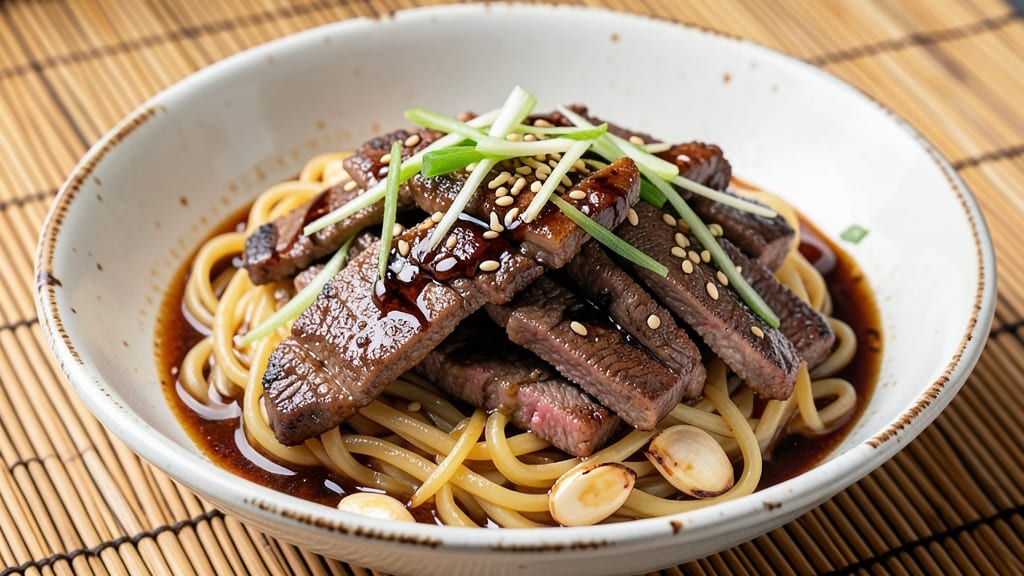
This Asian beef stir fry recipe with noodles delivers the perfect balance of crispy wok bites and chewy noodle bites in under 30 minutes. 🔥 I've perfected this technique after years of testing—whether you're using a wok or a skillet, the secret lies in high heat and quick cooking to lock in tenderness while creating that coveted caramelized crust on the beef.
The foundation starts with thinly sliced beef marinated in a simple blend of soy sauce, garlic, and ginger—just 15 minutes of prep time before hitting the pan. Meanwhile, ramen or udon noodles are prepped separately to achieve that signature chewy texture without turning mushy.
The sauce, a tangy-sweet combination of hoisin, rice vinegar, and a touch of honey, ties everything together with just the right balance of umami and brightness.
By the time you're done, you'll have a vibrant stir fry with perfectly seared beef pieces that stay tender inside, glossy noodles that hold their shape, and a sauce that clings to every bite.
The aroma alone—smoky, garlicky, with hints of sweetness—will have everyone at the table asking for seconds. This is the kind of dish that transforms a simple weeknight into a restaurant-quality experience without the fuss.
Serve it with quick-pickled vegetables for freshness, sesame seeds for crunch, and a sprinkle of green onions for color. The beauty of this recipe is its flexibility—swap in different noodles, adjust the heat level with chili flakes, or even make it ahead and reheat it gently. Let's get cooking!
Ingredients for asian beef stir fry recipe with noodles
Thinly sliced beef, chewy noodles, and a tangy-sweet sauce—just 15 ingredients for restaurant-quality flavor.
| Ingredient | Amount | Notes |
|---|---|---|
| Flank Steak 🥩 | 1 ¼ lb | Thinly sliced against grain |
| Ramen Noodles 🍜 | 8 oz | Fresh or dried, uncooked |
| Soy Sauce 🍶 | ⅓ cup | Low-sodium preferred |
| Garlic Cloves 🧄 | 6 cloves | Minced, fresh preferred |
| Fresh Ginger 🌿 | 2 tbsp | Finely grated, peel on |
| Hoisin Sauce 🍶 | ¼ cup | Store-bought or homemade |
| Rice Vinegar 🍶 | 2 tbsp | Seasoned preferred |
| Honey 🍯 | 1 tbsp | Pure, light color |
| Sesame Oil 🫒 | 1 tbsp | Toasted, for aroma |
| Neutral Oil 🫒 | 2 tbsp | Vegetable or canola |
| Green Onions 🧅 | ¼ cup | Sliced, white/green parts |
| Sesame Seeds 🌾 | 1 tbsp | Toasted lightly |
| Red Chili Flakes 🌶️ | ½ tsp | Adjust to taste |
| Salt 🧂 | 1 tsp | Kosher or sea salt |
| Black Pepper 🌶️ | ½ tsp | Freshly ground |
The beef is everything here. Flank steak delivers that perfect balance of tenderness and chew—ribeye or sirloin work too. Grab the thinnest cut you can find (or ask your butcher to slice it for you). For the noodles, fresh ramen or udon gives the best texture, but dried ramen in a pinch works fine. Just don't overcook it! The garlic and ginger should be freshly grated or minced—jarred garlic has no flavor. Trader Joe's and Asian markets have great pre-sliced ginger if you're short on time.
No hoisin sauce? Substitute soy sauce plus a dash of sugar. Short on sesame oil? Toasted peanut oil adds a similar nutty depth. The honey can be swapped for maple syrup if you're avoiding it. For extra heat, add 1 tsp sriracha or chili garlic sauce. The noodles can be any type—udon, soba, or even spaghetti—just adjust cooking time. And if you're using dried noodles, soak them in hot water for 2-3 minutes before stir-frying to keep them chewy. The beef marinade can be made ahead—just keep it refrigerated for up to 12 hours.
This dish tastes even better the next day—reheat gently with a splash of water to keep the noodles from drying out. Store leftovers in an airtight container for 3-4 days. For meal prep, portion the sauce and beef separately, then toss with noodles when ready to eat. The sauce keeps for 1 week in the fridge, and the raw beef marinade can be frozen for 3 months. Garnish with extra sesame seeds and green onions right before serving—they add that restaurant-fresh finish.
Why You'll Love This Recipe
- One-Pan Magic: I swear by this recipe when I’m too tired to scrub a million dishes—just sear the steak, toss in the noodles, and let the garlic and ginger work their flavor spell. The wok’s done before the kids even notice dinner’s ready.
- Umami Bomb: That first bite? The soy sauce caramelizes into something rich while the ginger keeps it bright, and the flank steak—when sliced thin—melts in your mouth. Honestly, I’ve made stir-fries that cost twice as much but tasted half as good.
- Lunchbox Hero: Between us, this is my go-to for meal prep. Cook a big batch, pack it in containers, and reheat it all week—no sad desk lunches here. The noodles stay chewy, the beef stays tender, and even my picky coworker asks for seconds.
- Budget Power Move: Flank steak on sale? Ramen noodles in the pantry? This recipe turns $15 into a meal that feeds four with room for leftovers. I’ll be real: it’s not fancy, but it’s reliable, and that’s what matters when you’re balancing a budget.
Step-by-step instructions for Asian beef stir fry with noodles
Here's how to get those perfect wok bites and chewy noodles every time.
🔥 Step 1: Prep the Flank Steak for Maximum Crispiness
Start by slicing the 1.25 lb flank steak thinly against the grain into ¼-inch strips. I like to work quickly here—thin slices cook faster and stay tender. Pat the strips dry with paper towels and season generously with 1 tsp salt and 0.5 tsp black pepper. This seasoning step is crucial; it creates that perfect balance of savory and umami in the final dish.
Let the seasoned steak sit at room temperature for 15-20 minutes while you prep everything else. This ensures even cooking and those beautiful crispy edges. If you're worried about drying out, don't be—the thin slices will cook fast and stay juicy.
🍳 Step 2: Cook the Beef in Stages for Perfect Texture
Heat a large wok or skillet over high heat until smoking, then add 2 tbsp neutral oil. When the oil shimmers, add half of the steak strips in a single layer. Don't crowd the pan—this prevents steaming and ensures crispy results. Cook undisturbed for 1-2 minutes until the edges turn golden brown and crispy.
Use tongs to transfer the cooked beef to a plate, then repeat with the remaining strips. The two-stage cooking prevents overcrowding and guarantees that crispy texture we're after. Here's the thing—once the steak releases easily from the pan, it's ready. If it sticks, don't force it; just wait another 20 seconds.
👨🍳 Step 3: Build the Flavor-Packed Sauce Base
In the same wok, reduce heat to medium-high and add 6 cloves minced garlic and 2 tbsp finely grated ginger. Cook for 30 seconds until fragrant—you'll smell that aromatic punch. Be careful not to burn the garlic; it should sizzle but not brown.
Pour in 0.33 cup soy sauce, 0.25 cup hoisin sauce, 2 tbsp rice vinegar, and 1 tbsp honey. Stir constantly for 1-2 minutes until the sauce thickens slightly. This is where all the flavors meld together. If you're using seasoned rice vinegar, you'll get that extra tangy depth that makes this dish pop.
🥘 Step 4: Combine Everything for the Ultimate Stir Fry
Add the cooked beef back to the wok along with the 8 oz ramen noodles (if using dried, cook separately according to package instructions and drain well). Toss everything together for 2 minutes until the noodles are heated through and coated in the sauce. The noodles should be chewy but not mushy—this is the perfect texture we're aiming for.
Stir in 1 tbsp sesame oil, 0.25 cup sliced green onions, 1 tbsp sesame seeds, and 0.5 tsp red chili flakes. Taste and adjust seasoning if needed—you might want to add a splash more soy sauce or a bit of honey for balance. The chili flakes add just the right kick without overpowering the dish.
🍽️ Step 5: Plate and Garnish for Restaurant-Quality Results
Transfer the stir fry to serving plates immediately. Top with additional green onions and a sprinkle of sesame seeds for that final restaurant-style presentation. The dish should be vibrant, with crispy beef bits, chewy noodles, and a glossy sauce that ties everything together.
Serve hot with extra red chili flakes on the side if you like it spicier. This stir fry is best enjoyed fresh out of the wok while the noodles are still chewy and the beef retains its crispy edges. Don't skip the sesame seeds—they add that nutty aroma that makes the whole dish sing.
Pro Tips For Making Asian Beef Stir Fry Recipe With Noodles
- Slice Thin, Slice Fast: Flank steak fights back when you’re lazy with the knife—thin, even slices (about ¼-inch) cook in seconds, not minutes. I used to wrestle with thick strips, and they’d turn rubbery before the noodles were done. A sharp knife and quick, confident strokes make all the difference.
- Blanch Noodles, Not Boil: Toss ramen noodles in ice water for 30 seconds after cooking—this stops them from turning mushy in the stir-fry. I learned this after one disaster where the noodles disintegrated into a sad, gluey mess. Drain well, then pat dry with a towel if you’re extra paranoid.
- Marinate Meat, But Not Too Long: Flank steak only needs 20-30 minutes in soy sauce, garlic, and ginger—any longer, and it’ll turn to mush. I once left mine overnight, and the texture was a crime. Keep it simple: salt, acid, and aromatics, then sear it hot and fast on the stove.
- Save the Broth, Skip the Crowd: Don’t drain the noodle cooking water—set aside ½ cup of that salty, umami-rich broth and toss it in at the end. And for the love of wok hei, don’t overcrowd the pan. Cook the beef in batches if needed; a packed pan steams instead of sears.
Dietary considerations for these flavors
Gluten-Free Swaps
If you need a gluten-free version, start by checking your hoisin sauce—many brands contain wheat. I recommend Kikkoman Gluten-Free Hoisin or making your own with gluten-free soy sauce, chili paste, and honey.
For noodles, opt for rice noodles or shirataki noodles (like Miracle Noodle brand)—both hold up well during stir-frying. Just soak rice noodles for 10-15 minutes in warm water before cooking to soften them properly. ✨
Low-Carb Adaptations
For a lower-carb option, skip the noodles entirely and serve the beef stir-fry over cauliflower rice or zucchini noodles. I like to sauté 2 cups riced cauliflower in the same pan after cooking the beef, using 1 tsp sesame oil and a pinch of salt.
The texture mimics noodles surprisingly well, and it absorbs the sauce beautifully. Add extra veggies like bell peppers or broccoli to bulk it up.
Protein Swaps
Want to make this vegetarian? Swap the beef for extra-firm tofu or mushrooms. For tofu, press and cube 14 oz firm tofu, then pan-fry until crispy before adding to the stir-fry.
Mushrooms like shiitake or oyster add a meaty texture—slice 8 oz mushrooms thinly and cook them with the beef (or alone if vegetarian). Both options work beautifully with the same sauce.
Allergy-Friendly Adjustments
For nut allergies, skip the sesame oil and sesame seeds—substitute with 1 tsp toasted coconut oil instead. If you're avoiding soy, replace the soy sauce with coconut aminos (like Prince brand) and use tamari (gluten-free soy sauce) sparingly.
For a dairy-free version, ensure your hoisin sauce contains no milk derivatives, which some brands include as thickeners. Always check labels!
Meal Prep Tips
This dish preps well for meal prep, but noodles can get mushy when reheated. My trick? Store the beef and sauce separately in airtight containers for 3-4 days in the fridge.
When ready to eat, toss the beef with freshly cooked noodles and a splash of water to revive the sauce. For freezing, freeze the beef and sauce mixture only—reheat gently in a skillet with 1 tbsp water** to prevent drying out.
Nutrition facts
Frequently asked questions
Can I use any type of beef for this stir fry?
For best results, stick with flank steak, ribeye, or sirloin—they're lean enough to sear quickly but still tender. Avoid tougher cuts like chuck roast, as they won't stay tender enough for stir-frying. If you're using pre-sliced beef from the grocery store, check for thinly sliced "stir-fry strips" labeled for quick cooking.
How do I keep the noodles from turning mushy?
Cook the noodles just until al dente (about 2 minutes less than package instructions) if using dried ramen, then drain and rinse briefly with cold water. For fresh noodles, cook them separately and add them to the wok only at the very end for 1-2 minutes to heat through. The key is high heat and quick cooking—never let them sit in the sauce too long.
What's the best way to make this recipe spicier? Start with the 0.5 tsp red chili flakes called for, then adjust to taste. For more heat, add 1 tsp sriracha or chili garlic sauce to the sauce mixture, or sprinkle extra chili flakes on top. If you love spice, try 1 tbsp gochujang (Korean chili paste) mixed into the sauce—it adds depth and heat. Just
Can I make this ahead of time?
Store the cooked beef and sauce separately in airtight containers for up to 4 days. When ready to serve, reheat the beef in a skillet over medium-high heat with 1 tbsp water, then toss with freshly cooked noodles. For freezing, freeze the beef and sauce only (no noodles)—thaw overnight in the fridge before reheating. The noodles should always be cooked fresh for best texture.
What sides pair well with this dish?
This stir fry stands alone, but for a full meal, try steamed bok choy, quick-pickled cucumbers, or sesame green beans. For extra crunch, add mandarin orange segments or water chestnuts. A simple miso soup or egg rolls would round out the meal beautifully. The bright acidity of pickled veggies cuts through the richness of the beef.