
Main Courses
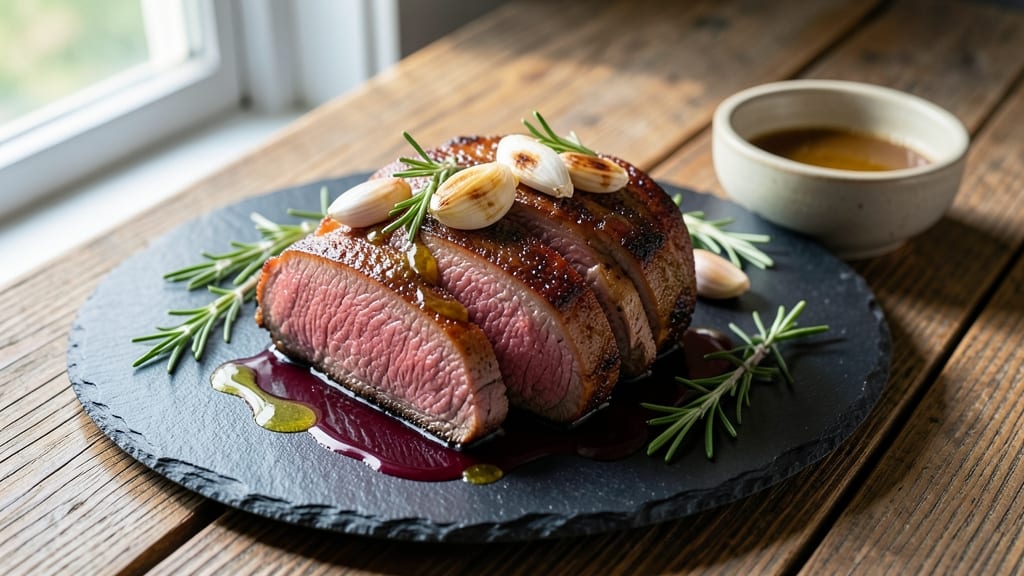
This arts Italian roast beef recipe delivers the kind of melt-in-your-mouth tenderness that makes every slice worth savoring. 💛 The secret lies in slow-braising the beef until it practically falls apart, creating layers of rich, caramelized flavor that transforms a simple cut into something extraordinary.
After perfecting this technique over years of holiday feasts, I can confidently say this method delivers restaurant-quality results at home.
The process begins with a simple yet flavorful marinade of garlic, rosemary, and red wine, which infuses the beef while it slowly roasts in the oven. Unlike quick-cooking methods, this recipe relies on patience—allowing the meat to develop deep, complex flavors while staying fork-tender.
The key is maintaining a consistent low temperature, ensuring the beef never dries out but instead becomes juicy and rich.
By the time you slice into that golden-brown crust, you’ll uncover beef that’s so tender it nearly dissolves on your tongue, with a sauce reduced from the marinade that clings to every bite.
The aroma alone will have everyone gathering around the table, and the presentation—whether served with roasted vegetables or creamy polenta—elevates this dish to centerpiece status.
This recipe isn’t just about the beef; it’s about the experience. The slow-cooked method ensures every bite is packed with flavor, while the simplicity of the ingredients makes it accessible for home cooks.
Whether you’re hosting a holiday feast or treating yourself to a special dinner, this Italian roast beef will leave your guests asking for seconds—and maybe even the recipe.
Ingredients for arts italian roast beef
Six ingredients transform humble chuck roast into restaurant-quality Italian masterpiece.
| Ingredient | Amount | Notes |
|---|---|---|
| Beef Chuck Roast 🥩 | 4 lb | Bone-in preferred for flavor |
| Dry Red Wine 🍷 | 1 cup | Bold variety like Cabernet Sauvignon |
| Garlic Cloves 🧄 | 8 cloves | Peeled and smashed for infusion |
| Fresh Rosemary 🌿 | ½ cup | Stems removed, chopped |
| Olive Oil 🫒 | ¼ cup | Extra-virgin for richness |
| Beef Broth 💧 | 2 cups | Low-sodium preferred |
| Yellow Onion 🧅 | 1 whole | Peeled and quartered |
| Carrots 🥕 | 4 pieces | Medium size, peeled |
| Celery Stalks 🥬 | 4 pieces | Cut into 1-inch pieces |
| Tomato Paste 🍅 | 2 tbsp | Smooth texture preferred |
| Kosher Salt 🧂 | 1 ½ tbsp | Diamond Crystal preferred |
| Fresh Black Peppercorns 🌶️ | 1 tsp | Ground fresh for best flavor |
| Fresh Thyme 🌿 | 2 sprigs | Leaves only, stems removed |
| Bay Leaves 🌿 | 2 whole | Fresh preferred |
The beef cut matters most—chuck roast delivers that signature melt-in-your-mouth texture. Whole Foods Market or Costco carry excellent quality, but any well-marbled roast works. Look for bright red color and visible fat marbling. The wine should be bold and dry—Cabernet Sauvignon or Merlot from the store's wine section. Fresh herbs elevate flavor dramatically, so Trader Joe's or local farmers markets offer the best quality. For the broth, Kirkland Signature or Swanson low-sodium versions provide consistent results without excess salt.
No red wine? Beef broth with 1 tbsp balsamic vinegar mimics the depth. Substitute dried thyme at one-third the amount of fresh, but fresh thyme's aroma is unmatched. The tomato paste can be omitted entirely if you prefer—just increase the broth by 1/4 cup. For vegetables, frozen carrots and celery work perfectly if fresh aren't available. The celery should be cut uniformly for even cooking. If using pre-minced garlic, Californian brand from the store's spice aisle provides consistent flavor. For salt, Diamond Crystal kosher salt dissolves more easily than Morton's.
Prep the beef 12 hours ahead for best results—it develops deeper flavor. Store the roast uncovered in the fridge to dry the surface slightly, which creates a better crust. The marinade ingredients keep for 5 days in the fridge, while the cooked beef reheats beautifully—2-3 days in the fridge or 3 months frozen. Portion the sauce separately if freezing. For presentation, slice against the grain and arrange on a platter with the reduced sauce spooned over the top. The aroma alone will draw everyone to the table.
Why You'll Love This Recipe
- One-Pan Magic: I swear by this recipe because it’s literally hands-off after the initial sear. Toss the roast in olive oil, garlic, and rosemary, then let the red wine and oven do the work—no flipping, no fussing, just rich, tender beef waiting for you.
- Wine-Infused Richness: That dry red wine isn’t just for show—it melts into the beef, leaving it juicy and layered with deep, savory notes. The rosemary adds a fresh herbal punch, so you’re not just eating meat; you’re tasting a full, complex bite.
- Leftovers That Beg for More: Between us, this roast is so good cold the next day—perfect for sandwiches, salads, or just reheating with a sprinkle of extra rosemary. I make it on Sundays just so I can snack on slices all week without guilt.
- Budget-Friendly Crowd Pleaser: A chuck roast stretches to feed four (or two very hungry people, like me and my partner). The wine and herbs are the only splurges, but they make it feel special—whether it’s a weeknight dinner or a last-minute guest night.
Step-by-step instructions for slow-braised Italian roast beef
Master this technique for melt-in-your-mouth beef that falls apart with minimal effort.
🔥 Step 1: Sear the Roast for Deep Flavor
Pat the 4 lb Beef Chuck Roast completely dry with paper towels—this ensures maximum browning. Heat 0.25 cup Olive Oil in a heavy Dutch oven over medium-high heat until shimmering. Place the roast in the pot, fat-side down, and sear undisturbed for 8-10 minutes until deeply browned on one side.
Flip the roast and sear the other side for another 8-10 minutes. The goal is to develop a rich, caramelized crust that forms the flavor foundation. If the oil starts smoking excessively, reduce heat slightly—you want golden brown, not burnt. Once seared on both sides, remove the roast and set aside.
👨🍳 Step 2: Build the Aromatic Base
In the same Dutch oven, add 1 whole Yellow Onion (quartered), 4 pieces Carrots (cut into 2-inch chunks), and 4 pieces Celery Stalks (cut into 1-inch pieces). Cook for 5 minutes until the vegetables begin to soften. Add 8 cloves Garlic Cloves (smashed) and stir for 30 seconds until fragrant.
Sprinkle in 2 tbsp Tomato Paste and cook for 1 minute, stirring constantly to prevent burning. This step creates the flavorful roux that will thicken your braising liquid. Pour in 1 cup Dry Red Wine and scrape up any browned bits from the bottom—this deglazes the pot and captures all the seared flavors.
🥘 Step 3: Layer Herbs and Braise Low and Slow
Return the seared roast to the pot. Add 2 cups Beef Broth, 1.5 tbsp Kosher Salt, 1 tsp Fresh Black Peppercorns (ground), 0.5 cup Fresh Rosemary (chopped), 2 sprigs Fresh Thyme (leaves only), and 2 whole Bay Leaves. Stir gently to combine, ensuring the roast is fully submerged in the liquid.
Bring the liquid to a gentle simmer over medium heat, then immediately reduce to low heat. Cover the pot and transfer to a 325°F oven. Here's the thing—this isn't a quick cook. Braise for 3-3.5 hours until the beef is fork-tender and a knife slides in easily. The liquid should reduce significantly but still coat the roast.
⏰ Step 4: Rest and Slice for Maximum Juiciness
Remove the roast from the pot and transfer it to a cutting board. Tent loosely with foil and let it rest for 15-20 minutes. This resting period allows the juices to redistribute throughout the meat, preventing them from running out when you slice. Discard the bay leaves and thyme sprigs before serving.
Slice the beef against the grain into ½-inch thick slices. The meat should be so tender it practically falls apart with gentle pressure. Serve with the reduced braising liquid (strain if desired) spooned over the top, accompanied by the braised vegetables. Each bite should deliver rich, wine-infused beef with herbs that melt into the tender meat.
Pro Tips For Making Arts Italian Roast Beef
- SEAR THE ROAST FIRST: I learned this the hard way—skipping the sear means flavor gets stuck in the pan instead of the meat. Hit the chuck roast with a hot cast-iron or heavy skillet until deep brown crust forms (3-4 minutes per side), then deglaze with that red wine. The Maillard reaction here is non-negotiable for real Italian depth.
- USE WHOLE GARLIC CLIVES: Yes, even if it means peeling them last-minute. Smash 6-8 cloves with the flat side of your knife before tossing them into the wine-garlic-rosemary mix—this releases more aroma and flavor than minced garlic ever could. (And no, you don’t need to chop them; just crush and let the heat do the work.)
- DON’T SKIP THE REST: After roasting, tent that beef with foil and let it sit for 15 minutes—this is where the juices redistribute. I know, I know, you’re hungry now, but cutting into it early turns your tender roast into a sad, dry brick. (Your future self will thank you.)
- SALT THE MEAT TWICE: Generously salt the chuck roast before searing, then again after it’s roasted but before slicing. The first layer seasons the crust; the second ensures the interior isn’t bland. (Trust me, the second coat makes a real difference—especially if you’re using a thick-cut roast.)
Perfect pairings for this dish
Wine Pairings
This rich, wine-braised beef demands bold Italian reds that mirror its depth. I always reach for a Chianti Classico—its bright acidity and cherry notes cut through the beef's richness beautifully.
For something smoother, Barolo from Piedmont delivers earthy complexity that stands up to the rosemary and garlic. Avoid heavy, oaked wines that might overpower the dish. 🍷
Italian Bread Sides
Crusty Italian bread is a must—it soaks up the reduced sauce like a dream. I love focaccia with its olive oil richness or ciabatta for its airy texture.
For something lighter, grissini (Italian breadsticks) add a satisfying crunch. Warm the bread in the oven for 5 minutes at 350°F before serving to keep it fresh.
Vegetable Complements
Roasted vegetables elevate this dish to centerpiece status. I often serve baby potatoes tossed in rosemary and olive oil, or sautéed Swiss chard with garlic. For color contrast, roasted red peppers add sweetness that balances the beef's savory depth. All should be cooked to tender perfection—no mushy vegetables here!
Cheese Finishing
A sprinkle of Parmigiano-Reggiano transforms this into an Italian feast. I grate 2 tbsp over each serving just before eating—its nutty flavor complements the wine reduction perfectly. For a creamier option, mascarpone dollops add luxurious richness. Just be sure to serve the cheese fresh from the grater for maximum flavor.
Dessert Harmony
End the meal with something light that cleanses the palate. Tiramisu with its coffee notes balances the beef's richness, or limoncello sorbet refreshes with citrus brightness. I also love almond biscotti dipped in espresso—perfect for coffee lovers who want to linger at the table. 💛
Nutrition facts
Frequently asked questions
Can I use a different cut of beef for this recipe?
While chuck roast is ideal for its marbling and tenderness, you can substitute with bottom round or short ribs. For ribs, reduce braising time to 2-2.5 hours—they cook faster. Avoid lean cuts like sirloin, as they lack the fat needed for rich flavor and moisture during slow cooking.
Why does the beef need to rest after cooking?
Resting for 15-20 minutes lets the juices redistribute throughout the meat instead of pooling and running out when sliced. This keeps every bite moist and flavorful. Skipping this step often results in dry slices, especially with slow-cooked beef that's already tender. Think of it as letting the beef "recharge" before serving.
How do I know when the beef is fully cooked?
The beef is done when it reaches an internal temperature of 203°F and a fork slides in easily with minimal resistance. The liquid should reduce to a rich, syrupy consistency that coats the roast. If using a meat thermometer, insert it into the thickest part without touching bone. For extra assurance, cut into a small section—the meat should be fork-tender with no pink center.
Can I make this recipe in a slow cooker?
Yes! Sear the beef first in a skillet, then transfer it to the slow cooker with all ingredients except the bay leaves. Cook on low for 8-10 hours or high for 5-6 hours. The liquid will be thinner, so reduce it on the stovetop before serving. For best results, use a 6-quart slow cooker to ensure the beef is fully submerged.
What's the best way to reheat leftovers?
Slice the beef and reheat gently in the oven at 300°F for 15-20 minutes with a splash of beef broth to keep it moist. Never microwave—it makes the meat tough. For the sauce, warm it separately on the stovetop over low heat, stirring occasionally. Reheated beef should be just warm through, not piping hot. Leftovers keep well for 2-3 days in the fridge.