
Main Courses
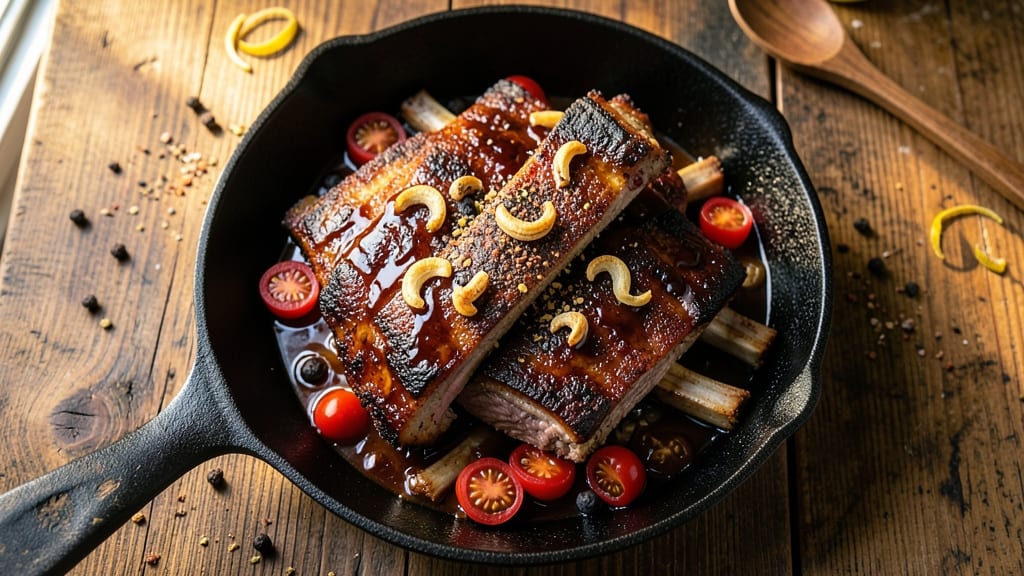
This Argentine beef ribs recipe transforms tough cuts into melt-in-your-mouth tenderness with a bold chimichurri crust. The secret lies in slow cooking over indirect heat, mimicking traditional asado techniques that create succulent, flavorful meat perfect for gatherings.
What sets this apart is the chimichurri—herby, tangy, and vibrant—that clings to every bite, adding layers of complexity without overpowering the beef's natural richness.
Start with a dry rub of coarse salt and smoky paprika, then let the ribs rest overnight in a marinade of garlic, oregano, and red wine vinegar. This preparation ensures maximum tenderness and flavor penetration.
The ribs cook low and slow, basted occasionally with chimichurri, until the internal temperature reaches 195°F—the magic number for fall-apart texture. This method delivers restaurant-quality results at home, with minimal effort but maximum impact.
By the time you're done, you'll have ribs that are juicy, caramelized, and infused with smoky, herby notes from the chimichurri. The crust crackles with each bite, while the meat inside is so tender it practically melts.
Serve with grilled vegetables or crusty bread to soak up every last drop of that flavorful sauce. This is the kind of dish that turns a simple weeknight into a celebration of Argentine tradition.
Perfect for game day, family dinners, or special occasions, these ribs are a showstopper that impresses without requiring advanced skills. The key is patience—letting the meat work its magic over time. Once you try this method, you'll never settle for anything less than perfectly tender, boldly flavored ribs again.
Ingredients for argentine beef ribs
Bold flavors and tender meat—just nine ingredients transform tough ribs into Argentine showstoppers.
| Ingredient | Amount | Notes |
|---|---|---|
| Beef Ribs (Back Ribs) 🥩 | 4 lb | Bone-in, meaty sections preferred |
| Coarse Kosher Salt 🧂 | ½ cup | Diamond Crystal preferred for flakiness |
| Smoked Paprika 🌶️ | 2 tbsp | For deep smoky flavor |
| Garlic Cloves 🧄 | 10 whole | Peeled, for marinade |
| Dried Oregano 🌿 | 1 tbsp | Mexican oregano if available |
| Red Wine Vinegar 🍷 | ⅓ cup | For tangy marinade base |
| Fresh Parsley Leaves 🌿 | 1 cup | Packed, for chimichurri |
| Fresh Cilantro Leaves 🌿 | ½ cup | For chimichurri brightness |
| Red Bell Pepper 🌶️ | 1 whole | Seeded, for chimichurri |
| Extra-Virgin Olive Oil 🫒 | ¾ cup | High-quality, fruity |
| Lemon Juice 🍋 | ¼ cup | Freshly squeezed |
| Ground Black Pepper 🌶️ | 1 tsp | Freshly cracked |
| Wooden Skewers (Optional) 🔥 | 6 whole | For basting chimichurri |
The ribs are everything here. Back ribs with good meat-to-bone ratio are key—skip the spareribs, they're too lean. Grab them from Whole Foods or your local butcher if you want the best quality; the meat should be bright red with visible marbling. If you're buying a whole rack, ask for it cut into individual ribs. For the chimichurri, fresh herbs make all the difference—parsley and cilantro should be vibrant, not wilted. The red bell pepper adds sweetness that balances the acidity, so pick one that's firm and colorful. Trader Joe's usually has great options at a good price.
No smoked paprika? Regular paprika plus a pinch of liquid smoke works in a pinch, but it won't be quite the same. Running short on red wine vinegar? Apple cider vinegar at the same amount is a solid swap. The oregano can be dried or fresh—if fresh, use half the amount. For the chimichurri, skip the cilantro if you hate it, but don't omit the parsley. The olive oil should be extra-virgin—California or Italian varieties work best for that fruity depth. If you can't find Mexican oregano, regular oregano is fine, but it'll have a slightly different profile. The lemon juice can be bottled, but freshly squeezed has more zing.
Marinate the ribs overnight for maximum tenderness, but don't worry if you're short on time—4 hours minimum still works wonders. The chimichurri keeps for 5 days in the fridge, but it's best within the first 2 days. Store it in a sealed jar with a thin layer of olive oil on top to preserve freshness. The ribs reheat beautifully—wrap them in foil and warm in the oven at 300°F for 20 minutes. For leftovers, portion into containers with some chimichurri on top—it reheats just as well as it did fresh. Freeze portions for up to 3 months if you're planning ahead.
Why You'll Love This Recipe
- Five-Ingredient Magic: I swear by this combo—just ribs, salt, smoked paprika, garlic, and oregano. That’s it. No fussing with marinades or fancy rubs; the flavors build right in the oven.
- Crispy Without Stress: Honestly, the secret’s in the salt. A generous coat of coarse kosher salt before roasting gives you that perfect caramelized crust—no basting, no babysitting. Just set it and forget it.
- Game-Day Crowd Pleaser: Between us, these ribs disappear at parties. They’re hearty enough for a Sunday dinner but simple enough to pull off when friends drop by. (Yes, even on a Tuesday night.)
- Leftovers That Don’t Suck: The good news? They reheat like a dream. Toss them in a pan with a splash of water, and you’ve got lunch or dinner—no sad, dry meat here. My kids actually ask for seconds.
Step-by-step instructions for Argentine beef ribs with chimichurri
Here's how to transform tough ribs into melt-in-your-mouth perfection with that signature Argentine chimichurri crust.
Prepare the Ribs and Dry Brine
Pat the 4 lb beef ribs completely dry with paper towels—this is non-negotiable for crispy bark. In a large bowl, combine the ribs with the 0.5 cup coarse kosher salt, 2 tbsp smoked paprika, and 1 tsp ground black pepper, rubbing the mixture into every nook and cranny. Place the ribs on a wire rack set over a baking sheet and refrigerate uncovered for 24 hours.
This dry brine process works magic—it breaks down proteins, enhances tenderness, and creates that coveted crust. Don't skip it. After 24 hours, remove the ribs from the fridge and let them sit at room temperature for 30 minutes before cooking to ensure even heat penetration.
Build the Chimichurri Marinade
While the ribs brine, pulse the 10 whole garlic cloves, 1 whole red bell pepper (seeded and cored), 1 cup fresh parsley leaves, and 0.5 cup fresh cilantro leaves in a food processor until finely chopped. Transfer to a mixing bowl and whisk in the 0.75 cup extra-virgin olive oil, 0.33 cup red wine vinegar, and 0.25 cup lemon juice. Taste and adjust seasoning with additional salt if needed.
The chimichurri should be vibrant green with a bright, tangy aroma. This herb-forward marinade will infuse the ribs with freshness while creating that signature crust when basted. If making ahead, store in an airtight container in the fridge for up to 3 days.
Sear and Baste the Ribs
Preheat your oven to 250°F. Heat a large oven-safe skillet over high heat and add the ribs bone-side down. Sear for 4-5 minutes until deeply browned, then flip and sear the meaty side for another 3-4 minutes. Transfer the skillet to the oven and baste the ribs with half of the chimichurri, spooning it over the meat and bones.
Roast for 3 hours, basting with remaining chimichurri every 45 minutes. The ribs are done when the internal temperature reaches 195-203°F at the thickest part of the meat, and they pull apart easily with tongs. The chimichurri will caramelize into a crusty glaze—this is what makes these ribs extraordinary.
Rest and Serve
Remove the ribs from the oven and let them rest on a cutting board for 15 minutes. This resting period is crucial—it allows the juices to redistribute, ensuring each bite is succulent. Discard any wooden skewers if used, then slice the ribs between the bones into individual chops.
Serve the ribs immediately with extra chimichurri spooned over the top and any accumulated juices from the pan. The contrast of the herbaceous chimichurri with the rich, juicy meat is what makes this Argentine classic so unforgettable. Pair with crusty bread to soak up every last drop of that flavorful crust.
Pro Tips For Making Argentine Beef Ribs
- CRACK THE RIB BONE FIRST: I learned this the hard way—skipping the bone crack can make the ribs fall apart when you flip them. Use a heavy knife or cleaver to split the rib bone in half lengthwise before cooking; it keeps the meat intact and makes carving easier later.
- SALT THE GARLIC CLOVES: Don’t just toss whole garlic cloves into the mix. Smash them flat with the side of your knife first, then generously coat both sides with coarse kosher salt before adding them to the ribs. The salt caramelizes faster and sticks better, giving your ribs that deep, smoky-sweet flavor.
- DON’T SKIP THE REST: After searing, let the ribs sit uncovered in the pan for 5 minutes—yes, even if you’re eager to flip them. This lets the surface render fat and form a crust without steaming the meat. I used to rush this, and my ribs always came out greasy instead of crispy.
- USE A MIX OF DRY AND WET HEAT: Start with a screaming-hot cast-iron or stainless steel pan for that initial sear, but finish the cooking at a lower simmer (add a splash of water or white wine if needed). The high heat locks in juices, while the gentle finish tenderizes the meat without drying it out—Argentine ribs need both.
Best sauces and condiments for this argentine beef ribs
Classic Chimichurri
The star of this dish, chimichurri, is a vibrant, herby sauce that transforms ordinary ribs into an Argentine masterpiece.
This version uses 1 cup fresh parsley, ½ cup cilantro, 1 red bell pepper, ¾ cup extra-virgin olive oil, ⅓ cup red wine vinegar, and ¼ cup lemon juice for a bright, tangy profile.
Pulse the herbs and pepper in a food processor, then whisk in the oil and acids. The result is a fresh, slightly spicy sauce that clings beautifully to the ribs while adding a herbaceous punch that cuts through the richness. 🌿
Spicy Chimichurri Twist
For heat lovers, add 1-2 tbsp of minced jalapeño or ½ tsp cayenne pepper to the chimichurri base. This version keeps the same prep method but adds a fiery kick that pairs perfectly with the smoky ribs.
I like using Penzeys brand hot sauce for an extra layer of complexity—just 1 tsp blended into the finished sauce. The heat balances the richness of the beef while enhancing the sauce’s depth. 🌶️
Creamy Chimichurri
For a richer texture, stir ¼ cup sour cream or Greek yogurt into the chimichurri after blending. This version works especially well if you’re serving the ribs with grilled vegetables or crusty bread—the creaminess adds a luxe touch without overpowering the beef.
Use full-fat sour cream for the best mouthfeel, and adjust the lemon juice to ¼ cup to balance the tang. The sauce becomes thicker and more velvety, perfect for drizzling generously over the ribs. 🥛
Smoky Chimichurri
Infuse the chimichurri with smoky depth by adding 1 tbsp smoked paprika or a charred garlic clove (roast whole garlic in a dry skillet until blackened). This version mirrors the smoked flavors from the ribs, creating a cohesive taste experience.
For extra smokiness, use liquid smoke—just ½ tsp blended into the finished sauce. The result is a bold, campfire-inspired chimichurri that feels like a true Argentine asado staple. 🔥
Sweet and Tangy Chimichurri
Brighten the chimichurri with 1 tbsp honey or agave to balance the acidity. This version works especially well with grilled peaches or sautéed onions as a side. The sweetness softens the heat while adding a fruity note that pairs beautifully with the ribs.
I recommend using raw honey for a more complex flavor, but agave is a great vegan alternative. The sauce becomes lighter and more refreshing, perfect for summer gatherings. 🍯
Basting Techniques
To get the best crust, baste the ribs with chimichurri every 45 minutes during cooking. Use a pastry brush or wooden skewer to spread the sauce evenly over the meat and bones. For extra crispiness, baste generously in the last 30 minutes of cooking.
The chimichurri will caramelize into a glossy, sticky glaze—this is the secret to those irresistible crackly edges that make these ribs unforgettable. 💫
Nutrition facts
Frequently asked questions
Why do Argentine beef ribs need a 24-hour dry brine?
The 24-hour dry brine is key for two reasons: it breaks down proteins for maximum tenderness and creates that coveted crispy bark. The coarse kosher salt penetrates deep into the meat, while the smoked paprika adds smoky depth that infuses during the slow cook. Skipping this step means tougher meat and less flavorful crust.
Can I cook these ribs on a grill instead of the oven?
For grill cooking, sear the ribs over high heat first, then move to indirect heat at 250°F. Baste with chimichurri every 45 minutes and cook until the internal temp reaches 195°F. Use a meat thermometer to avoid overcooking. The chimichurri works beautifully on the grill too—it caramelizes into a delicious crust.
What's the best way to reheat leftover Argentine beef ribs?
Wrap ribs tightly in foil with a spoonful of chimichurri and reheat in a 300°F oven for 20 minutes. For extra crispiness, broil for 2-3 minutes at the end. Microwaving makes them soggy—never do that! The chimichurri reheats well too, so drizzle fresh sauce after warming.
Can I substitute back ribs with spare ribs?
Technically yes, but back ribs (like those used here) have more meat and less fat, making them more tender. Spare ribs are leaner and require extra basting with chimichurri to prevent drying out. If using spare ribs, add 15-20 minutes to cooking time and baste more frequently. The flavor will still be delicious, just slightly different texture.
How do I know when the ribs are perfectly cooked?
Use a meat thermometer to check the internal temperature at the thickest part—it should read 195-203°F. The ribs should also pull apart easily with tongs and have a deep caramelized crust. If they're not tender enough, return to low heat and continue basting. The chimichurri will help keep them moist while they finish cooking.