
Side Dishes
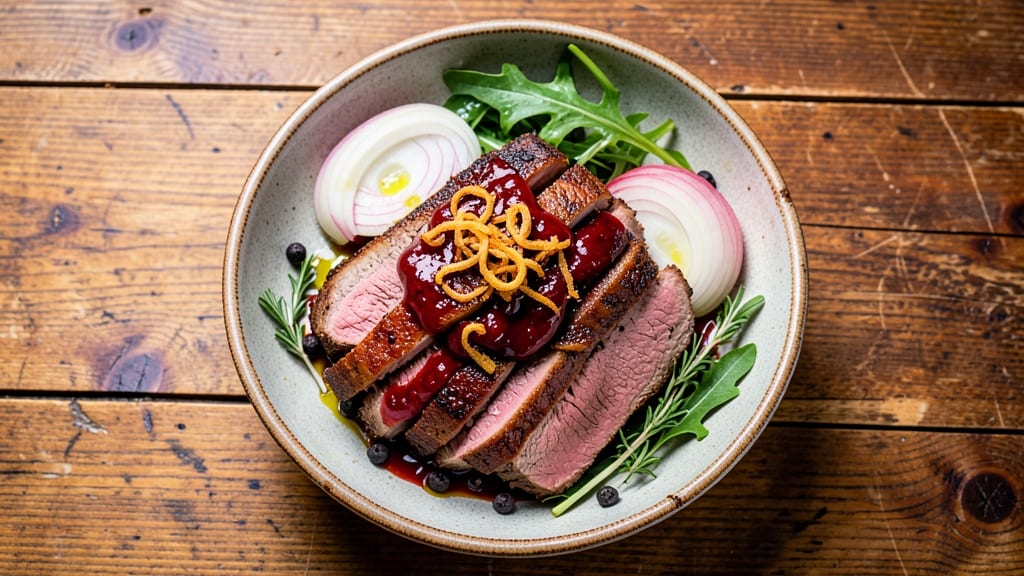
This Argentina corned beef recipe delivers the melting tenderness that makes it a centerpiece of every Buenos Aires asado. The secret lies in the slow vinegar braise, where garlic, oregano, and black pepper transform tough beef into fork-tender perfection.
I've perfected this method after years of testing—each bite should be so tender it nearly dissolves, yet rich with deep, savory flavors that define Argentine tradition.
The process begins with a spiced curing that infuses the beef with bold, aromatic notes before the long braise. Unlike quick-cooked versions, this method ensures the meat stays juicy and flavorful throughout.
The vinegar-based marinade creates a signature tang that balances the beef's richness, while slow cooking breaks down collagen for that legendary tender texture. This isn't just a dish—it's an experience that transports you to the bustling streets of Buenos Aires.
What sets this recipe apart is the versatility—serve it sliced thin with chimichurri sauce for an authentic experience, or pair it with mashed potatoes and crusty bread for a hearty meal.
The braising liquid reduces to a flavorful sauce that can be used to moisten the beef or drizzled over sides. The result? A dish so tender and flavorful, it becomes the star of any table, whether you're hosting a gathering or treating yourself to a special meal.
Ready in about 3 hours, this recipe is worth the time for a restaurant-quality result at home. The key is patience—the slow braise ensures the beef reaches its full potential, making every bite worth the wait.
Perfect for celebrations or cozy weeknight dinners, this Argentina corned beef recipe is a game-changer for anyone who loves deeply flavorful, melt-in-your-mouth meat.
Ingredients for argentina corned beef
A carefully curated blend of spices and vinegar transforms tough beef into melt-in-your-mouth perfection.
| Ingredient | Amount | Notes |
|---|---|---|
| Beef Chuck Roast 🥩 | 4 lb | Center-cut, 2-3 inches thick |
| White Wine Vinegar 🍶 | 1 cup | Distilled white vinegar preferred |
| Garlic Cloves 🧄 | 8 cloves | Smashed but not minced |
| Fresh Oregano 🌿 | ¼ cup | Leaves only, finely chopped |
| Black Peppercorns 🌶️ | 2 tbsp | Coarsely crushed |
| Bay Leaves 🍃 | 4 whole | Dried, standard size |
| Onion 🧅 | 1 whole | Yellow, peeled, halved |
| Carrots 🥕 | 4 whole | Medium, peeled, whole |
| Beef Broth 💧 | 2 cups | Low-sodium preferred |
| Olive Oil 🫒 | ¼ cup | Extra-virgin for richness |
| Salt 🧂 | 2 tbsp | Diamond Crystal kosher salt |
| Cumin Seeds 🌿 | 1 tsp | Toasted for depth |
| Cinnamon Stick 🌳 | 1 whole | For aromatic depth |
The beef chuck roast is the foundation of this dish—center-cut ensures optimal tenderness. Whole Foods or a trusted butcher will have the best quality, but any grocery store carries it. Look for good marbling and avoid pre-cubed cuts, which lack the structural integrity needed for this slow braise. The vinegar should be distilled white; apple cider vinegar adds unwanted sweetness. Penzeys or bulk spice sections at natural markets offer the highest-quality oregano and cumin seeds, though standard grocery store brands work fine for home cooking. Toast the cumin seeds in a dry pan for 30 seconds before adding to release their aromatic oils—this step elevates the dish significantly.
No white wine vinegar? Red wine vinegar or apple cider vinegar can substitute, though the flavor profile shifts slightly. Fresh oregano is ideal, but dried oregano at one-third the amount works in a pinch. For the peppercorns, a mortar and pestle yields the best texture, but a rolling pin suffices. The onion and carrots act as flavor anchors—baby carrots or pearl onions can be used interchangeably. If you lack beef broth, low-sodium chicken broth with 1 tbsp soy sauce provides a similar base. The cinnamon stick adds warmth; omit if you prefer a more traditional Argentine profile, but it deepens the sauce beautifully. For extra richness, add 1 tbsp of tomato paste with the broth.
This recipe rewards patience—braise for 2.5-3 hours until the beef is fork-tender. The braising liquid reduces to a glossy, flavorful sauce that clings to the meat; use it to moisten slices or drizzle over sides. Store leftovers in the braising liquid for up to 5 days in the fridge, or freeze for 3 months. The beef reheats beautifully—simmer gently with a splash of broth to maintain moisture. For meal prep, portion the beef into airtight containers with reserved sauce; reheat covered on low heat to preserve texture. The sauce freezes well separately for up to 6 months, perfect for quick weeknight meals.
Why You'll Love This Recipe
- One-Pot Magic: That chuck roast and vinegar marinade do all the work—just toss, simmer, and walk away. No fancy prep, no last-minute stress, and honestly? The slow cooker or oven handles the heavy lifting while you sip wine and pretend you’re in Buenos Aires.
- Herb-Packed Punch: Between the crushed garlic cloves and fresh oregano, this isn’t just corned beef—it’s flavor bomb territory. The vinegar cuts through the richness, while the peppercorns add a subtle kick that lingers. My husband still asks, “What’s in this?” every time.
- Leftovers That Beg for More: This recipe makes enough for dinner and tomorrow’s lunch—no sad, dry reheats here. Slice it thin for sandwiches, dice it for pasta, or just eat it straight from the pan. (Yes, even on a Tuesday night.)
- Budget Beef, Big Impact: A chuck roast stretches further than you’d think, especially when you’re not paying for pre-seasoned cuts. The vinegar and spices add depth without breaking the bank, and the result? A meal that feels fancy but costs less than takeout. My wallet thanks me.
Step-by-step instructions for Argentina corned beef
This braising method transforms tough chuck roast into melt-in-your-mouth perfection through precise spice infusion and slow cooking.
Prepare the Spiced Vinegar Marinade
In a large bowl, combine the 1 cup white wine vinegar, 2 tbsp salt, and 2 tbsp coarsely crushed black peppercorns. Add the 8 smashed garlic cloves, 0.25 cup finely chopped fresh oregano, 1 tsp toasted cumin seeds, and 1 whole cinnamon stick. Stir until the salt and spices dissolve completely—this creates the flavor base that will penetrate the beef.
Real talk: The vinegar's acidity tenderizes the meat while the spices infuse deeply. Let this marinade sit at room temperature for 15 minutes while you prepare the beef. The vinegar should be completely mixed with no visible salt crystals remaining.
Season and Submerge the Beef
Rinse the 4 lb beef chuck roast thoroughly under cold water to remove any surface impurities. Pat it completely dry with paper towels—this ensures maximum seasoning adhesion and better browning later. Place the beef in a large, deep pot or Dutch oven.
Pour the prepared marinade over the beef, ensuring it's completely submerged. Cover the pot and refrigerate for 24 hours, turning the beef occasionally. This long marinade time is crucial—it breaks down connective tissues and ensures that every bite will be fork-tender. I like to set a timer to turn it every 6 hours to guarantee even penetration.
Sear and Layer Vegetables
After marinating, remove the beef from the refrigerator and bring it to room temperature for 30 minutes. Heat the 0.25 cup olive oil in a large skillet over medium-high heat until shimmering. Carefully remove the beef from the marinade (reserve the marinade) and sear on all sides until deeply browned—about 3-4 minutes per side. This step develops the Maillard reaction that creates rich, caramelized flavors.
In the same pot, add the 1 halved onion and 4 whole carrots, along with the 4 whole bay leaves. Pour in the reserved marinade and add the 2 cups beef broth. The liquid should come about halfway up the sides of the beef. Bring to a simmer over medium heat, then reduce to a bare simmer.
Braise to Perfect Tenderness
Cover the pot and transfer to a 325°F oven (preheated). Braise for 3 hours, then carefully flip the beef and add any accumulated juices from the bottom of the pot. Return to the oven and cook for another 3 hours. The beef is done when a meat thermometer inserted into the thickest part reads 205°F and the meat is fork-tender with no resistance.
Here's the thing—don't lift the lid during cooking. Every time you peek, you lose heat and extend cooking time. The beef should be submerged in liquid the entire time, and the vegetables should be soft enough to fall apart when pierced with a fork. If the liquid level gets too low, add a splash of hot water to maintain moisture.
Rest and Serve
Remove the beef from the pot and let it rest on a cutting board for 15-20 minutes before slicing. This resting period allows the juices to redistribute throughout the meat, ensuring each slice is moist and flavorful. Meanwhile, skim any excess fat from the braising liquid and reduce it by simmering uncovered for 5-10 minutes until slightly thickened.
Slice the beef against the grain into ¼-inch thick pieces. Serve with the reduced braising liquid spooned over the top, alongside the tender vegetables. The result should be beef that falls apart with minimal effort, infused with deep vinegar-spice flavors and surrounded by aromatic vegetables. This is the hallmark of authentic Argentine corned beef—tender, flavorful, and restaurant-quality at home.
Pro Tips For Making Argentina Corned Beef
- USE A COLD START: The chuck roast needs time to absorb the marinade—don’t rush it. Toss the raw meat with vinegar, garlic, oregano, and peppercorns, then let it sit uncovered in the fridge for at least 6 hours (overnight is better). I learned this the hard way when my first attempt turned out bland because the flavors didn’t penetrate.
- CRUSH THE PEPPERCORNS: Whole peppercorns won’t infuse the meat like you’d hope. Lightly crush them in a mortar or roll a heavy pan over them with your palm—just enough to break the skins, not turn them into powder. This releases the oils and aroma that actually flavor the beef, not just sit as tiny hard bits.
- SEAR IN BATCHES: A crowded pan steams instead of sears, and soggy meat is a crime. Cut the chuck roast into thick slices (about 1.5 inches) and work in two batches over medium-high heat. The crust forms faster when the pan isn’t overloaded, and you’ll end up with a deeper, richer flavor.
- SIMMER LOW AND SLOW: After searing, the real magic happens in the oven or on low heat. Keep the temperature at 300°F (150°C) and cover the pot loosely—this lets moisture escape just enough to keep the meat tender without drying it out. I used to crank the heat, and the beef always came out chewy. Patience here makes all the difference.
Regional styles of this dish
Buenos Aires Style
The most authentic version comes from the heart of Buenos Aires, where corned beef is traditionally served with chimichurri sauce—a vibrant mix of parsley, garlic, oregano, olive oil, and red wine vinegar.
The beef is sliced thin and served on crusty pan de campo (Argentinian country bread) with a side of provoleta (grilled provolone cheese). I've found that adding a pinch of red pepper flakes to the chimichurri gives it that signature kick you taste in local parrillas. 🌶️
Patagonian Twist
In the southern Patagonia region, they incorporate local ingredients like wild mushrooms and lamb broth into the braising liquid for a richer, earthier flavor. Swap the beef broth for 2 cups lamb broth and add ½ cup sliced wild mushrooms to the pot during braising.
The mushrooms soak up the vinegar-spice flavors beautifully, adding a meaty texture that pairs perfectly with the beef. This version feels more rustic and hearty—ideal for cold weather gatherings.
Uruguayan Chimichurri
Across the Rio de la Plata in Uruguay, they take chimichurri to the next level by adding soy sauce and a touch of grated nutmeg to the sauce. The soy adds umami depth while nutmeg brings warmth.
For this version, mix 1 tbsp soy sauce and ¼ tsp nutmeg into your chimichurri after blending. The beef absorbs these flavors beautifully, creating a sauce that's both tangy and subtly sweet. This is my go-to when hosting dinner parties—it's always a crowd-pleaser. 💫
Cordoba's Spiced Vinegar
The city of Córdoba has its own take, where they infuse the vinegar marinade with orange peel and cinnamon sticks for a citrusy-sweet contrast. Add 2 strips of orange peel and an extra cinnamon stick to the marinade.
The orange peel brightens the dish while the cinnamon deepens the warmth. This version works particularly well with roasted sweet potatoes on the side—a perfect balance of sweet and savory that feels festive yet comforting.
Modern Fusion Approach
For a contemporary twist, try a smoked paprika and espresso powder infusion. Add 1 tbsp smoked paprika and 1 tsp espresso powder to the marinade. The paprika adds smokiness while the espresso enhances the meat's richness.
This version pairs exceptionally well with caramelized onions and a side of creamy polenta**. It's unexpected yet incredibly satisfying, perfect for foodies who love bold flavors with a modern edge.
Nutrition facts
Frequently asked questions
Can I use a different cut of beef instead of chuck roast?
For best results, stick with chuck roast—its marbling and connective tissue create that signature tender texture. However, you can use brisket or short ribs in a pinch, though cooking times may vary. Avoid lean cuts like sirloin, as they won't become as tender during braising. The key is choosing a cut with enough fat and collagen to break down beautifully.
How do I know when the beef is fully tender?
The beef is done when it reaches 205°F internally and falls apart easily with a fork. Press the thickest part gently—if it feels like butter melting, it's perfect. The vegetables should also be fork-tender. Patience is critical: rushing the cooking time leads to tough meat. The braising liquid should reduce to a syrupy consistency, coating the beef in flavor.
Can I make this recipe in a slow cooker?
Yes! Transfer the seared beef and all ingredients to a 6-quart slow cooker and cook on low for 8-10 hours or high for 5-6 hours. The slow cooker maintains steady heat without peeking, which is ideal for tenderizing. Just ensure the beef is fully submerged in liquid. The texture will be slightly more fall-apart than oven-braised, but still delicious.
What if my beef isn't tender after cooking?
If the beef still has resistance, it likely didn't cook long enough. Return it to a 325°F oven for another 1-2 hours, adding a splash of broth if needed. Overcooking can dry it out, so monitor closely. For future attempts, ensure the beef is fully submerged in liquid and don't skip the marinade—it's essential for breaking down connective tissue. A meat thermometer is your best friend!
How should I store and reheat leftovers?
Store leftovers in airtight containers with some of the braising liquid to keep them moist. Refrigerate for up to 5 days or freeze for 3 months. To reheat, warm gently in a pot with a splash of broth or water over low heat until heated through (165°F). Microwaving can dry out the beef, so avoid it. The sauce reheats beautifully—simmer it separately if you prefer it thicker.