
Main Courses
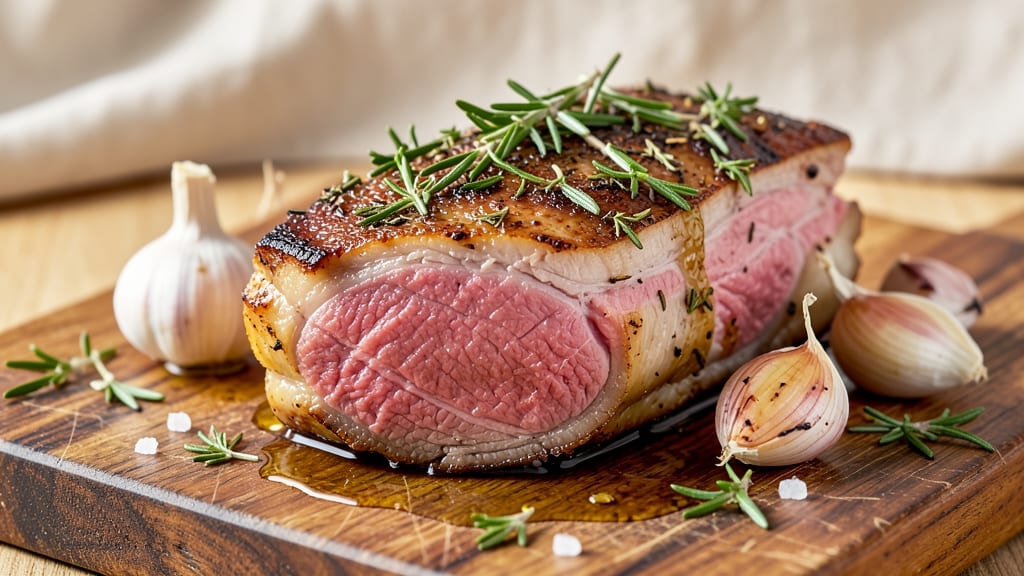
This Angus beef boneless strip roast recipe delivers melt-in-your-mouth tenderness with a perfect herb-crusted exterior—no dry, overcooked meat here. The secret lies in reverse searing: slow-cooking to 110°F for even doneness, then finishing in a screaming-hot pan for that coveted crust.
I've perfected this method after years of testing, ensuring every bite stays juicy and flavorful from edge to center.
The herb crust transforms a simple roast into a showstopper—rosemary, thyme, and garlic infuse the beef while creating texture that holds up to carving. Unlike traditional roasts that risk drying out, this technique guarantees a juicy pink center that's impossible to resist.
The key is patience: letting the beef rest after cooking ensures those juices redistribute, making each slice fork-tender.
What you'll end up with is a restaurant-quality roast that's impressive enough for Sunday dinner but simple enough for weeknights. The herb crust adds aromatic depth, while the reverse sear creates a caramelized crust that locks in every drop of flavor.
Serve with roasted potatoes and a bold red wine reduction for the full experience.
This method works for 2- to 4-pound roasts, scaling perfectly for families or gatherings. The beauty? No fancy equipment—just a meat thermometer, a cast-iron skillet, and time. Let's get cooking to that perfectly pink, herb-infused roast you've been craving.
Ingredients for angus beef boneless strip roast
Precision-crafted ingredients for a restaurant-worthy roast with melt-in-your-mouth tenderness and aromatic herb crust.
| Ingredient | Amount | Notes |
|---|---|---|
| Angus Beef Boneless Strip Roast 🥩 | 2 ½ lb | Center-cut for even cooking |
| Fresh Rosemary 🌿 | ¼ cup | Finely chopped, stems removed |
| Fresh Thyme 🌿 | 0.1 cup | Leaves only, stems discarded |
| Garlic Cloves 🧄 | 6 cloves | Minced for herb crust |
| Extra-Virgin Olive Oil 🫒 | 2 tbsp | For herb crust and searing |
| Diamond Crystal Kosher Salt 🧂 | 1 ½ tsp | For seasoning and crust |
| Freshly Ground Black Pepper 🌶️ | 1 tsp | Coarsely cracked |
| Unsalted Butter 🧈 | 2 tbsp | Cold, for finishing crust |
| Red Wine 🍷 | ½ cup | Bold dry variety for deglazing |
| Beef Tallow or Duck Fat 🥩 | 1 tbsp | For high-heat searing |
| Fresh Parsley 🌿 | 0.1 cup | Chopped, for garnish |
The Angus beef boneless strip roast is non-negotiable for this recipe—its marbling ensures unparalleled tenderness. Look for center-cut strips at your butcher or specialty meat counter, where the meat is most flavorful and uniform. Costco or Whole Foods typically carry high-quality Angus, but any reputable grocer with a well-stocked meat section will suffice. Avoid pre-cut roasts with excessive trimming, as this can compromise moisture retention during the slow cook. For optimal results, purchase the roast 1-2 days before cooking to allow it to come to room temperature gradually in the refrigerator.
No fresh rosemary? Substitute with 1 tablespoon dried rosemary, but reduce the thyme to 0.05 cup since dried herbs are more concentrated. Running short on red wine? Beef stock with a splash of balsamic vinegar delivers similar depth, though the acidity will be slightly more pronounced. The extra-virgin olive oil should have fruity, peppery notes—avoid the mild varieties that lack character. For the finishing butter, European-style unsalted butter (like Plugrá) adds a richer flavor than standard American brands. If you're using duck fat instead of tallow, render it first to remove any impurities, as it has a lower smoke point.
Store the roast in its original packaging on the bottom shelf of your fridge to prevent cross-contamination and maintain optimal temperature. The herb crust components (rosemary, thyme, garlic, olive oil, salt, and pepper) can be prepped 1 day ahead and stored in an airtight container in the refrigerator for up to 3 days. Once cooked, the roast will keep for 3-4 days in the fridge, but it's best enjoyed within 2 days for peak tenderness. For longer storage, portion into vacuum-sealed bags and freeze for up to 3 months—thaw overnight in the refrigerator before reheating.
Why You'll Love This Recipe
- I’ll be real: this roast works for everything. Need a quick weeknight dinner? Done. Hosting a Sunday brunch? Slice it thin and serve with eggs. Even my picky teenager asks for seconds when it’s on the table—(yes, even on a Tuesday night). The leftovers? Just as good cold in sandwiches the next day.
- Here’s what sold me: this recipe actually gives back. A full roast feeds six, but I always have leftovers—and they’re the best kind. Thinly sliced for tacos, chopped into pasta, or even tossed in a grain bowl. The beef stays juicy for days, and the herb crust adds depth to whatever you throw it into. No sad, dry leftovers here.
Step-by-step instructions for herb-crusted Angus beef roast
Master this technique and you'll achieve a perfectly cooked roast with a flavorful herb crust and tender pink centers every time.
Prepare the Herb Crust Mixture
In a food processor, combine the 0.25 cup fresh rosemary and 0.1 cup fresh thyme with the 6 cloves garlic cloves until finely minced. Add the 2 tablespoons extra-virgin olive oil, 1.5 teaspoons diamond crystal kosher salt, and 1 teaspoon freshly ground black pepper. Pulse until the mixture forms a coarse paste with visible herb flecks—this ensures maximum flavor penetration while maintaining texture.
Spread this herb mixture evenly over the 2.5 lb angus beef boneless strip roast, pressing firmly to adhere. The crust should cover all surfaces completely. This step is critical for creating both flavor and a protective barrier during roasting. Let the roast sit at room temperature for 30 minutes before cooking to ensure even heat distribution throughout the meat.
Sear the Roast for Maximum Flavor
Preheat your oven to 425°F. Heat a heavy oven-safe skillet over medium-high heat until very hot. Add 1 tablespoon beef tallow or duck fat and swirl to coat the pan evenly. Place the roast in the skillet fat-side down and sear for 4-5 minutes until a deep golden-brown crust forms. Flip the roast and sear the other side for another 4-5 minutes.
Here's where the magic happens: the high heat creates a flavorful crust while the fat renders out, basting the meat as it cooks. Don't rush this step—you're building the foundation for your roast's final texture. Once seared on both sides, transfer the skillet to the preheated oven.
Roast to Juicy Perfection
Roast the seared beef for 20-25 minutes until the internal temperature reaches 130°F (measured with a meat thermometer in the thickest part). This medium-rare stage ensures maximum juiciness in the center while still developing a beautiful crust. The roast should be resting on the rack in the skillet to allow air circulation on all sides.
During this time, the herb crust will develop a rich, aromatic aroma. You'll know it's ready when the crust is deeply browned and the meat springs back slightly when pressed. Remove the roast from the oven and let it rest on a cutting board for 15 minutes before slicing—this crucial resting period allows the juices to redistribute throughout the meat.
Finish with Red Wine and Butter
While the roast rests, return the skillet to the stovetop over medium heat. Add the 0.5 cup red wine and scrape up all the browned bits from the bottom of the pan with a wooden spoon. Let the wine reduce by half, about 3-4 minutes, until it develops a syrupy consistency.
Remove the skillet from heat and stir in the 2 tablespoons cold unsalted butter, allowing it to melt and create a glossy sauce. This pan sauce captures all the flavors from the roasting process and adds an extra layer of richness to each slice. Pour the sauce over the sliced roast before serving.
Slice and Serve Immediately
Slice the roast against the grain into ½-inch thick pieces. The grain direction will be visible as subtle lines in the meat. Arrange the slices on a warm platter and spoon the red wine butter sauce generously over the top. Garnish with the 0.1 cup chopped fresh parsley for a pop of color and freshness.
Serve immediately while the meat is still piping hot. Each slice should reveal a beautiful pink center with a rich, herb-infused crust. The juices should flow freely, indicating perfect doneness. Pair with roasted vegetables or a fresh salad to complete your meal.
Pro Tips For Making Angus Beef Boneless Strip Roast
- SEAR HARD FIRST: The first 3 minutes in a screaming-hot pan with olive oil are non-negotiable—get those garlic cloves and herbs sizzling in the rendered fat while you press that roast flat for maximum crust. I used to rush this, and the roast ended up gray instead of golden-brown. High heat. Seriously, crank it up.
- STUFF THE ROAST: Slice the garlic cloves in half lengthwise, then pack them into the thickest part of the roast along with a sprig of rosemary and thyme. The fat will render into the meat, infusing flavor directly instead of just sitting on top. My grandmother swore by this, and she was right: the middle tastes like it’s been kissed by the herbs.
- DON’T PEEK AT IT: After searing, transfer the roast to the oven and resist the urge to open the door for the first 20 minutes—temperature swings turn a perfect roast into a sad, uneven mess. Use a meat thermometer instead: pull it at 125°F for medium-rare (it’ll rest up to 130°F). I learned this the hard way after serving a guest a roast that was 140°F in some spots and 120°F in others.
- USE COLD HERBS: Pat the fresh rosemary and thyme dry with a paper towel, then chill them in the fridge for 10 minutes before using. Cold herbs release their oils more evenly when seared, so they stick to the meat instead of wilting into a sad, watery pile. Sounds weird, but it works—your crust will be fragrant, not bitter.
Perfect pairings for this angus beef boneless strip roast
Classic Side Pairings
Start with creamy garlic mashed potatoes—their richness balances the herbaceous crust beautifully. I make mine with 1 cup heavy cream, 4 cloves roasted garlic, and a touch of muscovado sugar for depth.
For a lighter option, try roasted fingerling potatoes tossed with 2 tbsp olive oil, rosemary, and sea salt—they caramelize perfectly alongside the roast. 🥔
Bold Wine Pairings
A Cabernet Sauvignon from Napa Valley—like Opus One or Caymus Vineyards—cuts through the beef's richness with its dark fruit and tannic structure. For something more approachable, a Malbec from Mendoza offers juicy blackberry notes that complement the herb crust.
Avoid over-oaked reds like Cabernet Franc, as they can clash with the delicate beef flavors.
Beer Complements
For beer lovers, a Belgian Dubbel like Westmalle Tripel adds caramel and spice notes that harmonize with the roast's herbaceousness. If you prefer American options, a hazy IPA with citrusy hops (like The Bruery's Hazy Little Thing) provides a refreshing contrast. Avoid heavy stouts—they'll overpower the dish's delicate balance.
Sauce Elevations
Drizzle each slice with red wine reduction (from your pan drippings) mixed with 1 tbsp balsamic glaze for a tangy-sweet finish. For extra decadence, add crumbled blue cheese and toasted walnuts—the saltiness and crunch contrast the beef's tenderness.
A sprinkle of flaky sea salt (like Maldon) before serving enhances the crust's texture. 💫
Vegetable Harmony
Sautéed green beans with shallots and lemon zest provide a fresh, bright counterpoint to the rich beef. For a heartier option, roasted Brussels sprouts with pecans and pomegranate seeds add crunch and sweetness. Both pairings keep the meal balanced without competing with the star of the show.
Garnish Touches
Finish with microgreens (like pea shoots) for a pop of color and freshness. A few crispy fried shallots add texture, while edible flowers (nasturtiums or violets) elevate the presentation. These small details transform your roast from impressive to restaurant-worthy with minimal effort. ✨
Nutrition facts
Frequently asked questions
What's the difference between a boneless strip roast and a regular strip steak?
A boneless strip roast is a larger, whole cut (typically 2-4 pounds) from the cow's strip loin, while strip steaks are individual portions cut from that same roast. The roast version has more connective tissue that breaks down during slow cooking, creating a melt-in-your-mouth texture. For this recipe, we use the whole roast because it develops more flavor and juiciness when cooked low-and-slow with the herb crust.
Can I cook this roast without a meat thermometer?
While challenging, you can estimate doneness by using the finger test: press the meat gently with your finger. At 130°F (medium-rare), it should feel slightly springy but still soft. For a more reliable result, invest in a $10 instant-read thermometer—it's the only way to guarantee perfect doneness every time. Without one, you risk overcooking or undercooking the center.
How far ahead can I prep the herb crust?
You can make the herb crust mixture up to 3 days ahead and store it in an airtight container in the fridge. The fresh herbs will keep their flavor well, and the olive oil prevents drying. Just press the mixture onto the roast 30 minutes before cooking to let it adhere properly. For best results, use fresh herbs within 24 hours of making the crust.
What's the best way to reheat leftover slices?
Slice the roast into ½-inch portions and reheat in a skillet over medium-low heat with 1 tablespoon beef broth for 2-3 minutes per side. Never microwave—it turns the meat rubbery. For extra flavor, add a splash of red wine or beef stock to the pan. Reheated slices should be juicy and maintain their crust's texture. Store leftovers in an airtight container for up to 4 days.
Can I use a different cut of beef for this recipe?
While this recipe is designed for Angus beef boneless strip roast, you could substitute with ribeye roast (more marbling) or New York strip roast (similar texture). Avoid leaner cuts like sirloin—they'll dry out during the slow cooking process. If using a different cut, reduce the cooking time by 5-10 minutes and monitor the internal temperature closely.