
Main Courses
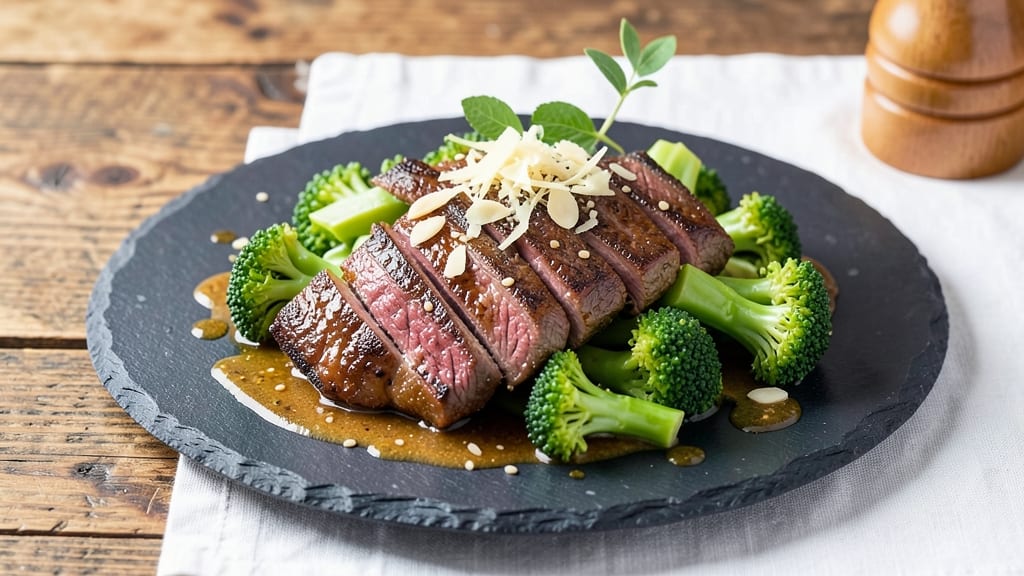
This America's Test Kitchen beef and broccoli stir fry delivers restaurant-quality wok hei in your home kitchen. The secret lies in perfectly silky beef bites and crisp-tender broccoli, all coated in a balanced soy-ginger sauce that's neither too sweet nor too salty.
I've adapted their foolproof technique to ensure every element comes together with professional precision—no takeout required.
What sets this recipe apart is the attention to texture and timing. The beef is marinated just long enough to develop flavor without becoming mushy, while the broccoli achieves that signature wok-heated crunch.
A high-heat sear creates those coveted caramelized edges, and the sauce integrates at the perfect moment for maximum flavor absorption. This isn't just stir fry—it's a complete meal with restaurant-quality depth.
The result is a dish where each bite delivers tender beef with a slight chew, crisp-tender broccoli, and a sauce that's perfectly balanced between sweet, salty, and umami. The aroma alone will have everyone gathering at the table, while the flavors satisfy even the most discerning palates.
Serve it over steamed jasmine rice or noodles for the full experience.
This recipe transforms weeknight dinners into special occasions without requiring advanced skills. The method is straightforward once you understand the key techniques, and the ingredients are simple yet powerful. Let's create a stir fry that rivals your favorite takeout spot—starting right here in your kitchen.
Ingredients for america's test kitchen beef and broccoli stir fry
Restaurant-quality wok hei starts with these precision ingredients—each playing a critical role in texture and flavor harmony.
| Ingredient | Amount | Notes |
|---|---|---|
| Flank Steak 🥩 | 1 lb | Trimmed of fat, cut into 1-inch strips |
| Broccoli Florets 🥦 | 1 ½ lbs | Cut into 2-inch pieces, stems peeled |
| Low-Sodium Soy Sauce 🍶 | ½ cup | Kikkoman preferred for balance |
| Sesame Oil 🫒 | 1 tbsp | Toasted, for aroma |
| Fresh Ginger 🌿 | 1 tbsp | Finely grated, aromatic |
| Garlic Cloves 🧄 | 4 cloves | Minced, for depth |
| Honey 🍯 | 1 tbsp | Wildflower preferred |
| Rice Vinegar 🍶 | 1 tbsp | Seasoned, for brightness |
| Cornstarch 🌾 | 1 tbsp | For sauce thickening |
| Vegetable Oil 🫒 | ½ cup | High smoke point |
| Sesame Seeds 🌱 | 1 tbsp | Toasted, for garnish |
| Diamond Crystal Kosher Salt 🧂 | ½ tsp | Adjusts seasoning |
| Black Pepper 🌶️ | ¼ tsp | Freshly cracked |
| Jasmine Rice 🍚 | 1 ½ cups | Uncooked, for serving |
The flank steak is non-negotiable for this dish—its lean yet tender texture transforms with proper slicing and marinating. Look for cuts with good marbling at specialty butchers or Costco's pre-trimmed packages for convenience. Broccoli should be firm with vibrant green florets—avoid any with yellowing stems. For the soy sauce, Kikkoman's low-sodium version provides the perfect balance without overwhelming saltiness. Fresh ginger and garlic are essential for authentic depth; organic produce from the grocery store's refrigerated section works best.
No sesame oil? Toasted peanut oil makes a suitable substitute, though the flavor profile shifts slightly. For the honey, agave nectar works in a pinch if you're avoiding refined sugar. The cornstarch can be replaced with arrowroot powder at the same ratio, though it may require slightly longer cooking. If you're using pre-cut broccoli florets, avoid the frozen variety—fresh is crucial for that signature wok-heated crunch. The jasmine rice should be long-grain and uncooked—short-grain varieties like sushi rice won't provide the same texture.
Store the raw beef and broccoli separately in airtight containers for up to 2 days in the fridge. The sauce components can be pre-mixed and refrigerated for 3 days or frozen for 3 months. For optimal texture, cook the rice just before serving—it reheats poorly. Garnish with toasted sesame seeds right before eating to preserve their fresh aroma. This dish reheats beautifully, making it ideal for meal prep—just add a splash of water to the sauce when reheating to restore its silky consistency.
Why You'll Love This Recipe
- One-Pan Magic: I swear by this recipe when I’m too tired to scrub a million dishes—just one skillet, one spatula, and you’re done. The steak slices themselves against the grain while the broccoli crisps in the same pan, no extra bowls or strainers needed.
- Umami Bomb: That combo of low-sodium soy sauce and a dash of sesame oil? It’s like a flavor explosion without the salt overload. The ginger adds this bright, zesty kick that cuts through the richness—trust me, it’s the kind of balance that makes you go back for seconds.
- Lunchbox Hero: Between us, this is my go-to for meal prep. Toss the cooled stir-fry into containers with rice, and it stays fresh for days—no soggy broccoli here. My kids actually eat their veggies this way (and so do I, no judgment).
- Budget Win: Flank steak stretches further than you’d think, and broccoli’s one of the cheapest veggies out there. For under $15, I feed four people a restaurant-quality meal that still leaves me money for takeout coffee. (Yes, even on a Tuesday night.)
Step-by-step instructions for america's test kitchen beef and broccoli stir fry
Master this wok technique for restaurant-quality beef and broccoli with perfectly tender beef and crisp-tender florets.
Prepare the Flank Steak for Maximum Tenderness
Pat the 1 lb flank steak completely dry with paper towels, removing any remaining surface moisture. This step is critical for achieving a proper sear. Using a sharp chef's knife, cut the steak against the grain into 1-inch strips, working methodically to ensure even thickness throughout. Transfer the strips to a bowl and season generously with 0.5 tsp Diamond Crystal kosher salt and 0.25 tsp freshly cracked black pepper, tossing to coat evenly.
In a separate small bowl, whisk together 1 tbsp cornstarch with 1 tbsp sesame oil to create a light coating. Add the steak strips to this mixture and toss gently to ensure each piece is lightly dusted. Let the seasoned steak rest at room temperature for 15 minutes while you prepare the remaining ingredients. This resting period allows the meat to develop a better crust during cooking and prevents it from releasing juices prematurely.
Blanch the Broccoli for Crisp-Tender Perfection
Fill a large pot with 4 cups water (enough to submerge the 1.5 lbs broccoli florets) and bring to a rolling boil over high heat. Add the broccoli florets and cook for exactly 1 minute, stirring gently once. Immediately drain in a colander and rinse under cold water to stop the cooking process. The florets should be bright green with just a hint of softened texture—this blanching ensures they remain crisp-tender when stir-fried.
While the broccoli cooks, prepare the sauce base by combining 0.5 cup low-sodium soy sauce, 1 tbsp honey, 1 tbsp rice vinegar, 1 tbsp finely grated fresh ginger, and 4 minced garlic cloves in a medium bowl. Whisk vigorously to dissolve the honey completely. This sauce mixture should be smooth and well-emulsified, ready to be incorporated during the stir-fry process. Keep it at room temperature until needed.
Create the Stir-Fry Base and Cook the Beef
Heat a 14-inch cast-iron skillet or wok over high heat until it's extremely hot—you should see a slight shimmer of smoke when you hold your hand about 6 inches above the surface. Add 0.5 cup vegetable oil and swirl to coat the bottom evenly. The oil should be hot enough to sizzle immediately when the steak strips make contact.
Working in batches if necessary (to avoid overcrowding), add the seasoned steak strips to the hot oil. Stir-fry vigorously for 1-2 minutes until the beef develops a deep golden-brown crust on all sides. The internal temperature should reach 145°F when checked with an instant-read thermometer. Remove the beef to a clean plate and tent loosely with aluminum foil to keep warm. The beef should be silky on the inside with a firm, caramelized exterior.
Stir-Fry the Broccoli and Combine with Sauce
Return the skillet to high heat and add the blanched broccoli florets in a single layer. Stir-fry for 2-3 minutes until the florets are heated through and slightly charred in spots. The broccoli should maintain its bright green color with just a hint of crispness—overcooking will turn it mushy. Remove the broccoli to the same plate with the beef and set aside.
Pour the prepared sauce mixture into the hot skillet, scraping up any browned bits from the bottom with a wooden spatula. Bring to a simmer over medium-high heat and cook for 1-2 minutes until the sauce has slightly thickened. Return the beef and broccoli to the skillet, tossing everything together to coat evenly with the sauce. Cook for an additional 30 seconds to meld all the flavors.
Finish with Sesame Oil and Garnish
Remove the skillet from heat and stir in 1 tbsp toasted sesame oil and 1 tbsp toasted sesame seeds. The sesame oil will add a nutty aroma and rich depth of flavor, while the sesame seeds provide a textural contrast. Taste and adjust seasoning if needed—you may want to add a splash more low-sodium soy sauce for additional umami or a touch of honey for sweetness.
Serve the beef and broccoli stir-fry immediately over 1.5 cups cooked jasmine rice, spooning the sauce generously over the top. The dish should be vibrant, with tender beef bites, crisp-tender broccoli, and a glossy, balanced sauce that coats every component. Each bite should deliver perfect texture contrast and a harmonious blend of salty, sweet, and umami flavors.
Pro Tips For Making America'S Test Kitchen Beef And Broccoli Stir Fry
- Slice Steak Against the Grain: The ATK recipe calls for thin, even slices—but if your cuts are uneven, the beef will fight you. Angle the knife at 45 degrees and slice perpendicular to the grain, then cut each slice in half lengthwise. This keeps the meat tender and prevents that frustrating chewiness when it hits the wok.
- Blanch Broccoli First: I used to toss raw florets in with the beef, thinking they’d soften fast enough. Wrong. Instead, blanch the broccoli in boiling water for 30 seconds, then shock in ice water before stir-frying. It crisps the edges and cuts down on the time you’re staring at a steaming pile of limp greens.
- Use Two Woks: High heat is non-negotiable, but one wok can’t handle both beef and broccoli at peak temps. Cook the beef in a screaming-hot wok until browned, then remove it to a plate. Immediately return the wok to max heat, add oil, and stir-fry the broccoli—this keeps everything crisp-tender and caramelized, not soggy.
- Finish with Cold Sesame Oil: The recipe says to add sesame oil at the end, but I learned the hard way that it needs to be cold. Warm it first, and you’ll get a bitter, overpowering flavor. Pop the oil in the fridge for 10 minutes before using, or just pour it straight from the bottle—trust me, your taste buds will notice the difference.
Make-ahead tips for this america's test kitchen beef and broccoli stir fry
Prep Ahead Components
Marinate the beef 24 hours ahead in 0.5 cup low-sodium soy sauce, 1 tbsp honey, 1 tbsp rice vinegar, 1 tbsp sesame oil, 1 tbsp cornstarch, and 1 tsp grated ginger.
Store in an airtight container in the fridge—this develops deeper flavor without over-marinating the meat. 🌿
Broccoli Prep Strategy
Blanch the broccoli up to 1 day ahead and store it in an ice bath to maintain crispness. Drain thoroughly and refrigerate in a sealed container with a paper towel to absorb moisture.
Reheat in the skillet for just 30 seconds before stir-frying to restore crunch. This step saves 15 minutes on cooking day.
Sauce Make-Ahead
Prepare the sauce 3 days ahead and refrigerate in a sealed jar. The flavors meld beautifully overnight. When ready to cook, bring it to room temperature before using—cold sauce won't emulsify properly in the hot skillet.
I like to double the batch for leftovers, as the sauce thickens slightly when reheated. 🍶
Cooking Day Timeline
Plan your cooking sequence like this: First cook the rice (takes 15 minutes), then stir-fry the beef and broccoli (total 10 minutes max). Keep everything warm in a 200°F oven while you finish the sauce.
This keeps components at peak texture when assembling. The entire meal comes together in under 30 minutes on cooking day.
Leftovers Revival
Reheat leftovers by combining them with 1 tbsp water or broth in a skillet over medium heat for 3-4 minutes. The sauce will re-emulsify beautifully. For extra crunch, add fresh broccoli florets to the pan for the final 1 minute of reheating.
Store leftovers for up to 3 days in airtight containers.
Freezer-Friendly
Freeze the cooked stir-fry (without rice) for up to 3 months. Thaw overnight in the fridge, then reheat in the skillet with 1 tbsp water to restore moisture. The beef remains tender and the sauce stays glossy. I recommend portioning into single-serving containers for easy grab-and-go meals. ❄️
Nutrition facts
Frequently asked questions
Can I substitute flank steak with another cut?
Yes, but choose carefully! Sirloin or ribeye work well as direct substitutes, but avoid tougher cuts like chuck. For chuck roast, marinate for 4-6 hours and slice thinner (½-inch strips) to compensate. Never use pre-marinated beef from the store—the added sugars can make the sauce too sweet.
Why does my broccoli turn mushy?
Overcooking is the #1 culprit! The blanching step is critical—cook broccoli for exactly 1 minute (no longer) and immediately shock it in ice water. When stir-frying, cook for only 2-3 minutes until just heated through. Crowding the pan also steams instead of sears—work in batches if needed. For extra insurance, blanch broccoli 1 day ahead and reheat in the skillet for 30 seconds before stir-frying.
How do I get that restaurant-quality wok hei flavor?
Wok hei comes from three key factors: high heat, minimal oil, and quick cooking. Use a 14-inch skillet or wok on maximum heat until smoking, then work fast—beef should cook in 1-2 minutes. The residual smoke from the hot pan carries aroma throughout your kitchen (that's the "breath of the wok"). For extra depth, finish with 1 tbsp toasted sesame oil right before serving.
Can I make this gluten-free?
Replace the soy sauce with 3 tbsp gluten-free tamari plus 1 tbsp coconut aminos for umami depth. Check that your rice vinegar and sesame oil are certified gluten-free (some brands process in shared facilities). The cornstarch can stay as-is, but use arrowroot powder if you prefer a grain-free option. Taste and adjust seasoning—gluten-free sauces often need extra salt.
What's the best way to reheat leftovers?
Reheat in the skillet over medium heat with 1 tbsp water or broth for 3-4 minutes, stirring constantly. The sauce will re-emulsify beautifully. For extra crunch, add fresh broccoli florets to the pan for the final 1 minute of reheating. Microwaving works in a pinch, but the sauce gets gloppy—always use the stovetop method for best results. Leftovers keep well for 3 days in airtight containers.