
Main Courses
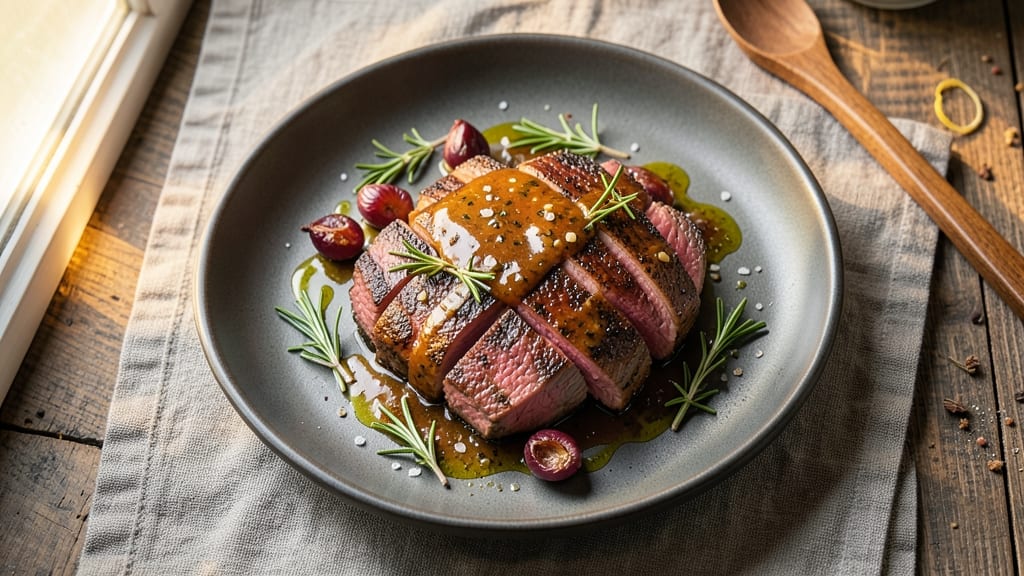
This Alex Guarnaschelli-inspired beef tenderloin recipe delivers restaurant-quality results with a herb-crusted exterior and juicy pink centers—the secret lies in precise temperature control. I’ve perfected this method after years of experimenting with Guarnaschelli’s signature techniques, ensuring every bite is tender yet flavorful.
The beauty of this recipe is its approachability: no fancy equipment needed, just a few key steps that transform a simple roast into an elegant centerpiece.
The foundation starts with a simple yet aromatic herb crust—fresh rosemary, thyme, and garlic blend with Dijon mustard to create a fragrant, golden-brown exterior that seals in moisture.
Unlike traditional recipes, this method avoids overcooking by using a two-stage approach: a gentle warm-up in the oven followed by a quick sear to lock in juices. Guarnaschelli’s philosophy of "less is more" shines here—minimal ingredients, maximum impact.
What sets this apart is the consistent internal temperature of 125°F, guaranteeing tender meat with just a hint of pink. The resting period is just as critical, allowing juices to redistribute for a melt-in-your-mouth finish.
Pair this with a red wine reduction or a bright herb sauce to elevate the dish further. It’s the kind of recipe that feels special yet achievable, perfect for impressing guests without stress.
Whether you’re hosting a dinner party or treating yourself to a foolproof Sunday roast, this tenderloin delivers effortless elegance. The technique is straightforward, but the results are undeniably impressive—proof that mastering a few key steps can turn a simple protein into a showstopper. Let’s get cooking!
Ingredients for alex guarnaschelli beef tenderloin
Six key ingredients transform a simple roast into Guarnaschelli's signature herb-crusted masterpiece.
| Ingredient | Amount | Notes |
|---|---|---|
| Beef Tenderloin 🥩 | 3 lb | Center-cut, trimmed of fat |
| Fresh Rosemary 🌿 | ½ cup | Finely chopped, stems removed |
| Fresh Thyme 🌿 | ¼ cup | Leaves only, stems discarded |
| Garlic Cloves 🧄 | 6 cloves | Minced, for herb crust |
| Dijon Mustard 🥫 | 2 tbsp | High-quality, smooth variety |
| Extra-Virgin Olive Oil 🫒 | ¼ cup | For crust and searing |
| Kosher Salt 🧂 | 1 ½ tbsp | Diamond Crystal preferred |
| Freshly Ground Black Pepper 🌶️ | 1 tsp | Coarse grind for texture |
| Unsalted Butter 🧈 | 2 tbsp | Cold, for basting |
| Red Wine 🍷 | ½ cup | Dry, bold variety for reduction |
| Beef Stock 🍲 | ½ cup | Homemade or high-quality |
| All-Purpose Flour 🌾 | 1 tbsp | For thickening reduction |
The beef tenderloin is the star—center-cut ensures tenderness, while trimming excess fat guarantees a clean crust. Source from a reputable butcher or Whole Foods for the best marbling. Fresh herbs are non-negotiable: rosemary and thyme should be vibrant green with no brown stems. For the garlic, peel and mince just before mixing to preserve flavor. The Dijon mustard adds depth, so opt for a high-quality brand like Maille to elevate the crust's complexity. Prep the herb mixture ahead—it keeps for 24 hours in the fridge, making assembly day stress-free.
No fresh rosemary? Dried works at half the amount, but texture suffers. Substitute thyme with oregano if needed, though flavor shifts slightly. For the red wine reduction, Cabernet Sauvignon delivers the best depth, but Merlot or Pinot Noir work too. The beef stock should be homemade if possible, but Kitchen Basics brand is a reliable store-bought option. If you lack Dijon, whole-grain mustard thinned with water mimics the texture. The butter for basting must be cold—microwave it 20 seconds to soften, not melt, for even distribution.
Prep the tenderloin 1 hour before cooking to bring it to room temperature. The herb crust can be mixed a day ahead and stored in an airtight container. For the red wine reduction, reduce it to 2 tbsp and whisk in the flour slurry last. Leftovers reheat beautifully—sear again in a hot pan with a splash of stock for 2-3 minutes per side. The crust keeps its texture when reheated properly. Portion into 4-ounce servings for elegant plating, or slice against the grain for dramatic presentation.
Why You'll Love This Recipe
- No-Fuss Roast: The tenderloin handles like a dream—no butterflying, no fussing. Just season, sear, and let the oven do the work while you chop veggies or pour wine.
- Herb Magic: That rosemary-thyme crust with garlic and Dijon? It’s the kind of flavor that makes you pause mid-bite. The mustard adds just enough tang to cut through the richness.
- Weeknight to Dinner Party: Same recipe, different vibes. Weeknight? Slice thin for sandwiches. Fancy night? Carve it dramatically and serve with roasted potatoes. It’s that adaptable.
- Leftovers That Shine: Cold slices in salads? Yes. Reheated with gravy? Even better. Honestly, I’ve eaten this for lunch three days in a row and never tired of it—proof it’s worth the effort.
Step-by-step instructions for herb-crusted beef tenderloin
This method delivers a restaurant-quality roast with flawless pink centers and aromatic herb crust.
Prepare the Herb Crust Mixture
In a small bowl, combine the 0.5 cup fresh rosemary, 0.25 cup fresh thyme, 6 minced garlic cloves, 2 tablespoons Dijon mustard, and 1.5 tablespoons kosher salt. Mix thoroughly until the herbs are evenly distributed throughout the mustard. The Dijon mustard acts as both a binder and flavor enhancer, while the fresh herbs will create that signature aromatic crust.
Next, gradually add the 0.25 cup extra-virgin olive oil while continuing to mix. You should achieve a thick, paste-like consistency that will adhere perfectly to the beef tenderloin. This mixture should be smooth enough to spread evenly but still hold its shape when applied. If it's too runny, add a pinch more salt to help thicken it slightly. Set this mixture aside while you prepare the meat.
Season and Crust the Beef Tenderloin
Pat the 3 lb beef tenderloin completely dry with paper towels—this is critical for achieving a proper sear and crisp crust. Using your hands, gently press the herb mixture all over the surface of the tenderloin, covering every inch evenly. I like to work in sections, making sure the crust adheres firmly to the meat without falling off. The herb mixture should feel slightly tacky to the touch, indicating it's ready to create that beautiful crust.
Place the crusted tenderloin on a wire rack set inside a rimmed baking sheet. This elevated position allows heat to circulate evenly around the meat, preventing any areas from steaming rather than browning. Refrigerate the prepared tenderloin for at least 30 minutes before roasting. This chilling step helps the crust adhere more firmly and ensures more even cooking throughout.
Roast to Perfect Medium-Rare
Preheat your oven to 425°F with the rack positioned in the center. Once the oven reaches temperature, carefully transfer the chilled tenderloin to the oven and roast for 20-25 minutes. The key here is to achieve a deep golden-brown crust while maintaining that perfect pink center. I recommend using an oven thermometer to ensure accurate temperature control—ovens can vary significantly.
After the initial roasting time, reduce the oven temperature to 325°F. This lower temperature allows the interior to cook through gently while the exterior maintains its crust. Continue roasting until the internal temperature reaches 125°F for medium-rare, which typically takes an additional 20-25 minutes. The total cooking time should be about 45-50 minutes total, but always rely on your meat thermometer rather than time alone.
Create the Wine Reduction Sauce
While the tenderloin rests, create the complementary wine reduction sauce. In a medium saucepan, melt the 2 tablespoons unsalted butter over medium heat. Once the butter has melted and begins to foam, add the 0.5 cup red wine and scrape up any browned bits from the bottom of the pan—these contain concentrated flavors that will enhance your sauce.
Simmer the wine until it has reduced by half, which should take about 5-7 minutes. The aroma will become more intense as the alcohol evaporates. Stir in the 0.5 cup beef stock and bring to a gentle simmer. In a small bowl, whisk together the 1 tablespoon all-purpose flour with 1 tablespoon cold water to create a slurry. Slowly pour this into the saucepan while stirring constantly to thicken the sauce. Continue cooking until the sauce coats the back of a spoon and reaches your desired consistency.
Rest and Serve with Sauce
Remove the tenderloin from the oven and transfer it to a cutting board. Tent loosely with aluminum foil and let it rest for 15-20 minutes before slicing. This resting period is crucial for allowing the juices to redistribute throughout the meat, ensuring each slice remains moist and tender. During this time, keep the wine reduction sauce warm in the saucepan over low heat.
Slice the tenderloin against the grain into 1-inch thick portions. The meat should be perfectly pink in the center with a beautiful golden-brown crust on the outside. Serve immediately with the warm wine reduction sauce spooned generously over each slice. The combination of the herb crust, tender meat, and rich sauce creates a truly exceptional dining experience that's well worth the effort.
Pro Tips For Making Alex Guarnaschelli Beef Tenderloin
- SEAR IN STAGES: Don’t rush the crust—start with a screaming-hot pan for 2 minutes per side, then lower the heat to medium-high and finish searing. I learned this the hard way: high heat from the get-go means burnt edges before the center hits temp. The second sear locks in flavor without charring.
- BRINE THE GARLIC: Toss those minced garlic cloves in cold water with a pinch of salt for 10 minutes before cooking. Sounds weird, but it works: the garlic softens just enough to melt into the mustard without turning bitter. (Yes, even if you’re impatient like me.)
- SKIP THE CROWDED PAN: Resist the urge to pile everything in at once—cook the tenderloin first, then remove it and sear the garlic-herb mixture in the same pan. Crowding steams the herbs instead of crisping them, and you’ll end up with a sad, watery paste instead of fragrant, golden bits.
- REST UNDER FOIL: Give it a solid 5-10 minutes under foil before slicing—no peeking. I used to cut into it too soon, and the juices would pool on the plate instead of staying in the meat. The foil traps heat, keeping everything tender while you finish the sides. (Your future self will thank you.)
Creative variations of these flavors
Herb Variations
Swap the classic rosemary-thyme blend for fresh sage and lemon zest—toss 0.5 cup chopped sage with 1 tbsp lemon zest and 1 tbsp olive oil for a bright, citrusy twist.
For a Mediterranean touch, use oregano and crushed fennel seeds—mix 0.25 cup oregano with 1 tsp fennel seeds and 1 tbsp honey for a sweet-savory crust. 🌿
Spiced Crust Twist
Infuse the crust with warmth by adding 1 tsp smoked paprika and ½ tsp ground coriander to the herb mixture. For extra depth, fold in 1 tbsp chopped shallots>—they caramelize beautifully during roasting. This works especially well with a Malbec wine reduction for a bold, smoky pairing.
Umami Boosters
Elevate the flavor with 1 tbsp soy sauce> or 1 tsp fish sauce> mixed into the herb crust for a subtle umami kick.
Pair with a mushroom duxelles> (sautéed 8 oz cremini mushrooms>, 1 shallot>, and 1 tbsp butter>) under the crust for an earthy contrast. The sauce should be finished with a splash of Worcestershire sauce> for complexity.
Sweet Heat Option
Add 1 tbsp honey> and ½ tsp cayenne pepper> to the herb mixture for a sweet-spicy crust. Balance the heat with a balsamic glaze>—simmer ¼ cup balsamic vinegar> with 1 tbsp brown sugar> until syrupy, then drizzle over sliced tenderloin.
This variation shines with a Zinfandel wine reduction> for a jammy, fruity sauce.
Global Flavors
For a French-inspired take, replace Dijon with 1 tbsp whole-grain mustard> and add 1 tsp herbes de Provence>. Serve with a red wine jus> made from the pan drippings. A Japanese twist?
Swap herbs for 1 tbsp grated ginger>, 1 tbsp sake>, and 1 tsp mirin> in the crust, then pair with a ponzu sauce> for a bright, umami finish.
Nutrition facts
Frequently asked questions
Can I use a different cut of beef instead of tenderloin?
While tenderloin is ideal for this recipe due to its tenderness, you can substitute with filet mignon or strip steak (cut into a roast shape). Avoid tougher cuts like chuck or round—they won't achieve the same melt-in-your-mouth texture. If substituting, reduce cooking time by 5-10 minutes since these cuts cook faster.
How do I adjust the recipe for fewer/more servings?
This recipe serves 6 based on 4-ounce portions. For 4 servings, reduce the tenderloin to 2 lbs and halve all other ingredients. For 8 servings, increase to 4 lbs and double the herb mixture (adjust oven time accordingly—larger roasts need 10-15 extra minutes). Always use a meat thermometer to confirm doneness.
What's the best way to reheat leftovers?
Slice leftovers and reheat in a skillet over medium-high heat with 1 tbsp butter for 2-3 minutes per side until warmed through. Avoid microwaving—it dries out the meat. For the wine sauce, reheat gently on the stove with a splash of beef stock to restore richness. Store leftovers in an airtight container for up to 3 days.
Can I make this recipe ahead of time?
Yes! Prep the herb crust up to 24 hours ahead and store in an airtight container in the fridge. Assemble the tenderloin 4-6 hours before cooking and refrigerate uncovered (this helps the crust dry slightly for better adhesion). For the wine sauce, make it fresh or reheat stored sauce with 1 tbsp butter to restore shine.
What if my oven runs hot/cold?
Use an oven thermometer to check accuracy—most home ovens are 25°F off. If your oven runs hot, reduce temperature by 25°F and check meat 5 minutes early. For cold ovens, increase by 25°F and add 5 minutes to cooking time. Always prioritize internal temperature over time—125°F for medium-rare is non-negotiable for perfect results.