
Main Courses
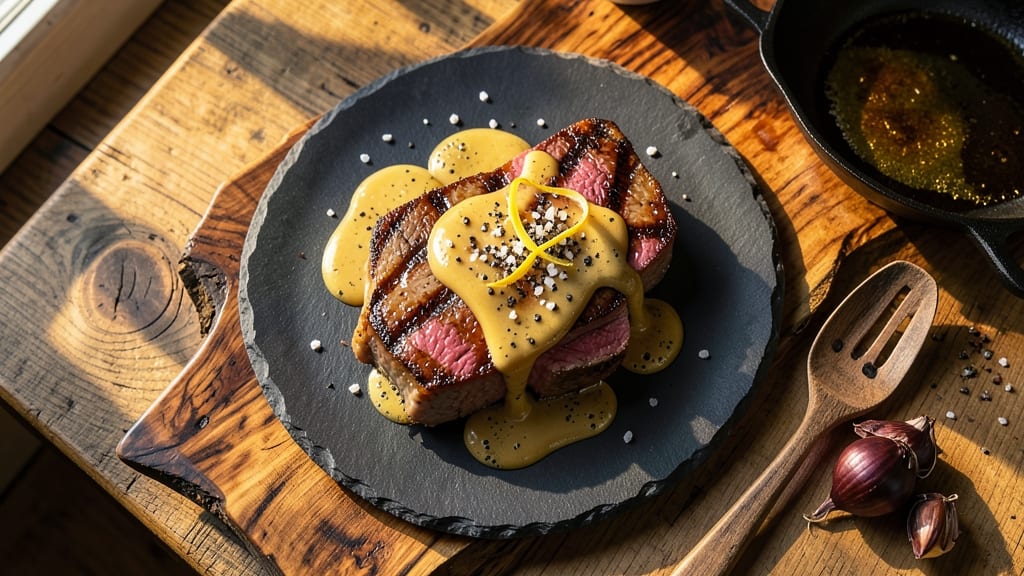
This Aldi Petite Tender Beef Filet recipe delivers restaurant-quality results with minimal effort—crispy seared edges and juicy, melt-in-your-mouth centers every time. The secret lies in proper seasoning and precise pan-searing, transforming this affordable cut into a standout main course that impresses without the fuss.
I’ve tested countless techniques to perfect this method, ensuring you’ll achieve the same tender, flavorful results at home.
The recipe starts with a simple yet effective seasoning blend of salt, pepper, and garlic powder, which enhances the beef’s natural richness. Pan-searing over medium-high heat creates that coveted crust, while monitoring the internal temperature ensures the center stays tender.
This method works perfectly for weeknight dinners or special occasions, requiring just 15 minutes of active prep and 10 minutes of cooking time.
What you’ll end up with is a beautifully seared filet that’s caramelized on the outside and succulent within, ready to be plated with roasted vegetables or a fresh salad.
The technique is foolproof, and the results are undeniably impressive—ideal for anyone looking to elevate a simple beef dish without the complexity. Let’s get started on creating this foolproof recipe.
For extra flavor, consider brushing the beef with a touch of olive oil before seasoning or finishing with a squeeze of lemon juice after cooking. This recipe scales easily, so whether you’re cooking for two or a crowd, the method remains consistent.
The key to success is patience and attention to temperature—trust the process, and you’ll achieve a dish worthy of any table.
Ingredients for aldi petite tender beef filet
Restaurant-quality beef filet results start with these carefully selected ingredients for perfect sear and tenderness.
| Ingredient | Amount | Notes |
|---|---|---|
| Aldi Petite Tender Beef Filet 🥩 | 1 ½ lb | Uniform 1-inch thick slices preferred |
| Kosher Salt 🧂 | 1 ½ tsp | Diamond Crystal preferred for precision |
| Freshly Ground Black Pepper 🌶️ | 1 tsp | Cracked peppercorns for optimal flavor |
| Garlic Powder 🧄 | 1 tsp | Freshly toasted preferred for depth |
| Extra-Virgin Olive Oil 🫒 | 2 tbsp | High-quality, fruity variety |
| Unsalted Butter 🧈 | 2 tbsp | European-style preferred for richness |
| Fresh Lemon Juice 🍋 | 1 tbsp | For finishing, freshly squeezed |
| Fresh Rosemary 🌿 | 2 sprigs | For aroma, stems removed |
| Fresh Thyme 🌿 | 2 sprigs | For herbaceous notes, leaves only |
| Vegetable Oil 🫒 | ¼ cup | High smoke point for searing |
| Meat Thermometer 🌡️ | 1 whole | Digital preferred for accuracy |
| All-Purpose Flour 🌾 | 1 tbsp | For dusting, optional |
The Aldi Petite Tender Beef Filet is the star here—look for uniform 1-inch thick slices at the meat counter. Ask for the freshest cut available, ideally sold within the last 48 hours. For seasoning, Diamond Crystal kosher salt dissolves more evenly than table salt, and freshly cracked peppercorns release more aroma than pre-ground. I always grab European-style unsalted butter from the specialty cheese section—it has a higher fat content that creates a richer crust. The extra-virgin olive oil should be fruity with noticeable peppery notes; California or Italian varieties work best for this technique. Fresh herbs like rosemary and thyme should have vibrant green leaves with no wilting, indicating peak freshness. If using flour, King Arthur brand has the ideal protein content for dusting.
No Diamond Crystal salt? Morton kosher salt at half the quantity works in a pinch, but measure carefully. Pre-ground pepper loses potency quickly—if you must use it, toast the peppercorns first in a dry pan for 30 seconds. Substituting butter? Ghee works equally well for the same rich flavor profile. For the olive oil, avocado oil has a higher smoke point if you prefer, though it lacks the fruity depth. Fresh herbs wilt fast—dried thyme at one-third the amount is acceptable, but fresh is ideal. The meat thermometer is non-negotiable for this recipe; instant-read models give the most accurate readings during the critical searing phase.
Store the beef filet in its original packaging with a paper towel to absorb moisture, using within 3-4 days for optimal tenderness. Fresh herbs should be wrapped in damp paper towels and stored in a sealed container for up to 5 days. The seasoning blend (salt, pepper, garlic powder) keeps indefinitely in an airtight container. For the oil and butter, store at room temperature away from light sources. This recipe scales perfectly—simply adjust the vegetable oil quantity by 1/4 cup per pound of beef. Leftover seared filets reheat beautifully in a 350°F oven for 8-10 minutes, wrapped in foil to retain moisture.
Why You'll Love This Recipe
- Five-Ingredient Magic: I swear by this recipe because it’s that simple—just the beef, salt, pepper, garlic powder, and olive oil. No chopping, no fuss, and no last-minute grocery runs. Honestly, I’ve made it on nights when I was too tired to think, and it still came out perfect.
- Crispy-Garlicky Bliss: That sear in the olive oil? It turns the petite tender beef into something ridiculously flavorful—crisp edges, juicy inside, and a garlicky punch that sticks with you. Between us, it’s the kind of taste that makes me want to skip dessert.
- Weeknight Hero: I can throw this together while the pasta boils or the rice cooks—it’s my go-to when I need something fast but still impressive. (Yes, even on a Tuesday night.) The beef cooks in minutes, so it’s always ready when I am.
- Leftovers That Don’t Suck: Unlike some recipes, this beef actually tastes better the next day—shred it for tacos, slice it for sandwiches, or toss it into a salad. I’ll be real: I’ve reheated these leftovers three times and never gotten tired of them.
Step-by-step instructions for aldi petite tender beef filet
Achieve perfect sear and juicy centers with this precise method for the Aldi Petite Tender Beef Filet.
Prepare and Season the Beef
Remove the Aldi Petite Tender Beef Filet from the refrigerator and let it sit at room temperature for 30 minutes. This ensures even cooking throughout. Pat the beef dry completely with paper towels—moisture prevents proper searing. The surface should feel completely dry to the touch.
In a small bowl, combine the 1.5 teaspoons kosher salt, 1 teaspoon freshly ground black pepper, and 1 teaspoon garlic powder. Generously coat both sides of the beef with this seasoning mixture, pressing it into the surface so it adheres well. The seasoning should look evenly distributed and slightly crusty.
Create the Herb Butter and Sear the Beef
In a small bowl, melt the 2 tablespoons unsalted butter with the 2 tablespoons extra-virgin olive oil over a bowl of warm water (bain-marie) until fully combined. Remove from heat and stir in the 1 tablespoon fresh lemon juice, the leaves from the 2 sprigs fresh rosemary, and the leaves from the 2 sprigs fresh thyme. Set aside.
Heat a large skillet over medium-high heat until very hot. Add the 0.25 cup vegetable oil and let it shimmer for 1 minute. Place the beef in the skillet, away from you to avoid oil splatter. Sear for 2-3 minutes per side until the surface develops a deep golden-brown crust. Press down gently on the beef during the first minute to prevent curling.
Rest and Finish with Herb Butter
Transfer the seared beef to a cutting board and let it rest for 5-7 minutes. This resting period allows the juices to redistribute throughout the meat, ensuring maximum tenderness. Use the meat thermometer to check the internal temperature—it should read 130-135°F for medium-rare.
Return the skillet to medium heat and add the herb butter mixture. Swirl it around the pan for 1 minute until it melts and becomes fragrant. Pour the herb butter evenly over the rested beef, coating both sides. Let it sit for 1 minute to absorb the rich flavors.
Slice and Serve
Using a sharp knife, slice the beef against the grain into ¼-inch thick slices. The grain runs horizontally across the filet—look for the natural muscle fibers to guide your cuts. Arrange the slices on a warm platter and serve immediately with any accumulated juices from the cutting board.
The result should be a perfectly seared exterior with a juicy, tender interior. Each slice should hold its shape while remaining moist and flavorful. The herb butter adds a bright, aromatic finish that complements the beef's natural tenderness.
Pro Tips For Making Aldi Petite Tender Beef Filet
- PAT THE DRY: Wipe the beef filet with paper towels until it’s bone-dry before seasoning—this isn’t just about salt sticking. I used to skip this, and my crust never formed right; now it sears like a dream.
- SEAR HOT, THEN BACK OFF: Get that pan screaming hot (medium-high) for the first 30 seconds, then drop to medium. The Aldi Petite Tender is lean—burn the outside, and you’ll dry out the whole thing.
- SALT BEFORE HEAT: Season the beef 30 minutes early—kosher salt needs time to penetrate. I learned this after a batch tasted bland; now I salt it while I prep everything else.
- REST UNDER FOIL: Transfer the cooked filet to a plate, tent loosely with foil, and let it sit 5 minutes. Skipping this makes for a sad, stringy slice—your knife will thank you.
Pro cooking tips for aldi petite tender beef filet
Perfect Pan Temperature
Your skillet must reach medium-high heat before adding the beef—test it by flicking a few drops of water that sizzle and evaporate instantly. I use a 10-inch cast-iron skillet (like Lodge) because it retains heat exceptionally well.
If your pan isn’t hot enough, the beef will steam instead of sear, resulting in a pale, soggy crust. Let the oil shimmer for 1 minute before adding the beef to ensure maximum crispiness. 🔥
Even Searing Technique
Press down gently on the beef during the first 30 seconds of searing to create maximum contact with the pan. This prevents curling and ensures an even crust. I use tongs to flip the beef—never a spatula, as it can tear the delicate meat.
For 1-inch thick cuts, sear for exactly 2-3 minutes per side—any longer risks overcooking the center. The edges should be deep golden brown with a slight char.
Resting is Non-Negotiable
Skipping the 5-7 minute rest after searing is the fastest way to ruin your beef. During this time, the internal temperature continues to rise by 5-10°F as juices redistribute. I place the beef on a wire rack over a plate to allow air circulation, which helps maintain the crust.
If you’re short on time, rest for at least 3 minutes, but don’t rush—patience here makes all the difference. ✨
Herb Butter Mastery
Melt the herb butter over medium heat (not high) to prevent burning the delicate herbs. The butter should foam gently and smell aromatic—this indicates it’s ready to baste the beef. Pour it over the rested meat while it’s still hot to create a flavorful crust.
For extra richness, add 1 teaspoon minced garlic to the herb butter mixture before melting. This step elevates the dish from good to spectacular.
Knife Skills Matter
Slice against the grain at a 45-degree angle for the most tender texture. I use a 6-inch sharp chef’s knife (like Wüsthof) and make clean, deliberate cuts. For 1.5 lbs of beef, you’ll yield about 12-15 slices.
Serve immediately with any accumulated juices from the cutting board—these contain precious flavor that shouldn’t be wasted. 💫
Temperature Control
Use your meat thermometer to monitor internal temperature—130-135°F for medium-rare is ideal. The thermometer should read the thickest part of the beef, avoiding any fat or bone. If your beef reaches 140°F, it’s still safe but will be closer to medium.
For well-done preferences, aim for 160°F, but I recommend medium-rare for the best texture. Always let the beef rest before checking the final temperature—it continues to cook off the heat.
Nutrition facts
Frequently asked questions
What's the best way to handle Aldi Petite Tender Beef Filet if it's still frozen?
Thaw the beef overnight in the refrigerator for best results. Place the unopened package in the fridge and let it thaw slowly—this preserves texture and prevents moisture loss. For a quicker method, use the cold water bath technique: seal the beef in a leak-proof bag and submerge it in cold water, changing the water every 30 minutes until fully thawed. Never thaw at room temperature as it promotes bacterial growth.
Can I substitute the herb butter with something simpler?
For a quick version, melt 2 tablespoons butter with 1 teaspoon minced garlic and 1 teaspoon lemon juice. Skip the fresh herbs if needed, but the flavor will be less aromatic. Another option is to use store-bought garlic butter—just add ½ teaspoon lemon juice to brighten the flavor. The key is to finish with some acidity to cut through the richness of the beef.
How do I know when the beef is cooked to medium-rare?
Use a meat thermometer for accuracy—insert it into the thickest part of the beef (avoiding fat) and check for 130-135°F for medium-rare. If you don't have a thermometer, press the beef gently: it should feel slightly springy like pressing your thumb against your palm. For well-done, aim for 160°F, but medium-rare delivers the best tenderness and flavor.
What are the best sides to serve with this beef filet?
This dish pairs beautifully with roasted vegetables like asparagus or Brussels sprouts, which complement the beef's richness. For a lighter option, try a fresh arugula salad with lemon vinaigrette. Creamy mashed potatoes or buttery egg noodles also work well. The herb butter leftover from the beef makes an excellent drizzle over roasted potatoes or steamed greens.
Why did my beef turn out tough instead of tender?
Overcooking is the most common cause—beef continues cooking after removal from heat, so always check the temperature while it rests. Another culprit is improper resting time: skipping the 5-7 minute rest causes juices to escape. Also, ensure your pan is hot enough before searing and don't overcrowd the skillet. For extra tenderness, consider marinating the beef for 1-2 hours before cooking in a mix of olive oil, lemon juice, and herbs.