
Main Courses
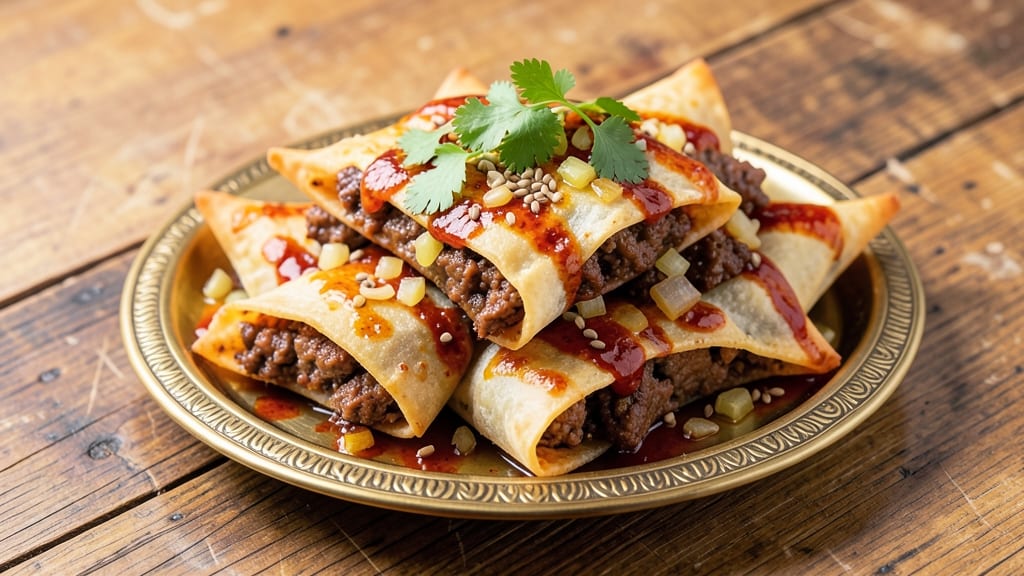
This African beef samosa recipe transforms traditional pastry bites with bold flavors that blend East African spices with classic samosa technique. The result is a tender, golden-brown pastry filled with aromatic beef and berbere spice—a perfect fusion of cultures that delivers restaurant-quality satisfaction at home.
The secret lies in the filling: ground beef simmered with onions, garlic, ginger, and a blend of African spices like berbere and harissa, creating a rich, slightly sweet-savory profile. The flaky pastry dough wraps it all in crispy layers that stay crisp even after frying—no soggy bites here.
What makes these stand out is the balance of textures: the crispy exterior gives way to a melt-in-your-mouth filling, while the spices deliver warmth and depth in every bite. Serve with a cooling mint chutney or spicy tomato sauce to cut through the richness.
Perfect for game day, dinner parties, or a flavorful weeknight meal, this recipe brings together the best of two culinary worlds. Let’s get started—your taste buds will thank you.
Ingredients for african beef samosa
Sixteen ingredients to create restaurant-quality African beef samosas with tender filling and crispy pastry.
| Ingredient | Amount | Notes |
|---|---|---|
| Ground Beef 🥩 | 1 ½ lb | 80% lean for juiciness |
| Berbere Spice Blend 🌶️ | 2 tbsp | African chili-spice mix |
| Harissa Paste 🌶️ | 1 tbsp | Spicy North African chili |
| Yellow Onion 🧅 | 1 whole | Finely diced |
| Fresh Garlic 🧄 | 4 cloves | Minced |
| Fresh Ginger 🌿 | 1 tbsp | Grated |
| Tomato Paste 🍅 | 2 tbsp | Squeeze tube preferred |
| Cumin Seeds 🌿 | 1 tsp | Toasted for aroma |
| Ground Cumin 🌿 | 1 tsp | For depth |
| Ground Coriander 🌿 | 1 tsp | Freshly ground |
| Turmeric Powder 🧂 | ½ tsp | Brightens filling |
| Salt 🧂 | 1 tsp | Kosher preferred |
| Black Pepper 🌶️ | ½ tsp | Freshly cracked |
| Unsalted Butter 🧈 | 2 tbsp | For dough richness |
| All-Purpose Flour 🌾 | 3 cups | Plus extra for dusting |
| Cold Water 💧 | ½ cup | For dough |
| Vegetable Oil 🫒 | 2 cups | For frying |
| Fresh Cilantro 🌿 | ¼ cup | Chopped for garnish |
The berbere and harissa are absolute game-changers—look for them in African markets or online stores like African Foods Direct. If you can't find berbere, mix 1 tbsp paprika, 1 tsp cayenne, 1 tsp coriander, and ½ tsp cinnamon. The ground beef should be 80% lean—leaner cuts dry out when simmered. For the spices, toast the cumin seeds in a dry pan for 30 seconds first—trust me on this. Fresh ginger and garlic make all the difference, but if you're in a pinch, use dried at half the amount.
No berbere? Substitute with 1 tbsp smoked paprika plus ½ tsp each of cayenne and cinnamon. Harissa can be swapped for 1 tbsp hot sauce plus ½ tsp smoked paprika. The tomato paste is non-negotiable for that sweet-savory balance, but if you're out, blend 2 tbsp ketchup with 1 tsp sugar. For the dough, use cold water—it prevents the butter from melting too fast. If your dough feels sticky, chill it for 30 minutes before rolling. The cilantro is purely for garnish, but fresh mint works too if you're feeling adventurous.
Make the filling ahead—it actually tastes better the next day as the spices meld. Store it covered in the fridge for up to 3 days. The dough can be wrapped in plastic and kept for 2 days, but it's best used fresh. Fry the samosas in small batches to keep the oil temperature steady—350°F is perfect. They freeze beautifully too: fry them, cool completely, then freeze on a tray before bagging. Reheat in a 375°F oven for 10 minutes—crispy every time.
Why You'll Love This Recipe
- I’ll be real: the berbere and harissa do most of the work here. Brown the beef with onions and garlic, toss in the spice blends, and boom—30 minutes max, no fancy technique needed. Even my burnt-oatmeal-for-breakfast days end with this.
- Spice in Minutes: I’ll be real: the berbere and harissa do most of the work here. Brown the beef with onions and garlic, toss in the spice blends, and boom—30 minutes max, no fancy technique needed. Even my burnt-oatmeal-for-breakfast days end with this.
- Crispy-Creamy Magic: That golden crust meets the tender, spiced beef? It’s the kind of contrast that makes you close your eyes mid-bite. The berbere’s warmth and harissa’s kick cut through the richness—like a hug from a bold, flavorful friend.
- Party or Pantry: Pack these into a cooler for a picnic, freeze extras for game day, or serve with chutney at a dinner party. They’re sturdy enough to travel but feel special enough for guests. (Yes, even on a Tuesday night.)
Step-by-step instructions for African beef samosa
Here's how to craft these flavor-packed pastries with a filling so tender it melts in your mouth.
🍳 Step 1: Cook the Spiced Beef Filling
Heat a large skillet over medium heat and add the 1.5 lb ground beef. Cook until it loses its raw color and begins to brown, breaking it apart with a wooden spoon. This should take about 5-7 minutes. You want the meat to be fully cooked through but still juicy.
Once the beef is browned, add the 2 tbsp berbere spice blend, 1 tbsp harissa paste, 1 tsp toasted cumin seeds, 1 tsp ground cumin, 1 tsp ground coriander, and 0.5 tsp turmeric powder. Stir these spices into the beef and cook for another 1 minute to toast the spices and release their aromas.
Add the 1 whole yellow onion, 4 cloves minced garlic, and 1 tbsp grated ginger to the skillet. Cook for 3-4 minutes until the onions are soft and translucent, stirring occasionally. This builds the flavor base for your filling.
Stir in the 2 tbsp tomato paste, 1 tsp salt, and 0.5 tsp black pepper. Cook for another 2 minutes until the tomato paste darkens slightly and the mixture becomes thick and fragrant. Remove from heat and let it cool for 10 minutes—this resting time helps the flavors meld together.
👨🍳 Step 2: Prepare the Samosa Dough
In a large mixing bowl, combine the 3 cups all-purpose flour and 2 tbsp unsalted butter. Cut the butter into the flour using a pastry cutter or your fingers until the mixture resembles coarse crumbs with pea-sized butter pieces.
Gradually add the 0.5 cup cold water to the flour mixture, mixing gently with a fork or your hands. The dough should come together but remain slightly crumbly—this texture is perfect for samosas. If it's too dry, add 1 teaspoon of water at a time until it holds together when pressed.
Turn the dough out onto a lightly floured surface and knead it gently for 2-3 minutes until smooth. Wrap the dough in plastic wrap and let it rest at room temperature for 30 minutes. This resting period relaxes the gluten, making it easier to roll out thin layers for your samosas.
🥘 Step 3: Assemble and Shape the Samosas
Divide the rested dough into 12 equal portions (about 1.5 ounces each) and roll each portion into a thin circle, about 6 inches in diameter. You want the dough to be paper-thin—this ensures a crispy samosa without a tough texture.
Place 1-2 tablespoons of the cooled beef filling onto one half of each dough circle. Fold the dough over the filling to create a half-moon shape, then seal the edges by pressing firmly with your fingers. The edges should be tightly sealed to prevent the filling from leaking during frying.
Using a sharp knife or a pastry wheel, cut a small slit on one side of each samosa to allow steam to escape. This prevents the samosas from bursting open while frying. Arrange the shaped samosas on a plate and sprinkle them lightly with flour to prevent sticking.
🔥 Step 4: Fry to Golden Perfection
Heat 2 cups vegetable oil in a deep skillet or Dutch oven to 350°F. You'll need to fry the samosas in batches to avoid overcrowding the pan—this ensures even cooking and crispy results. Test the oil's temperature by dropping a small piece of dough into it; it should sizzle and rise to the surface immediately.
Carefully add 4-5 samosas at a time to the hot oil, being cautious of splattering. Fry for 3-4 minutes on each side, or until they turn a deep golden brown color. The samosas are done when they float to the surface and the dough is crispy and puffed.
Remove the fried samosas with a slotted spoon and drain them on a paper towel-lined plate. Let them cool for 2-3 minutes before serving. The exterior should be crispy and golden, while the interior remains tender and flavorful.
🍽️ Step 5: Garnish and Serve
Transfer the fried samosas to a serving platter and sprinkle them generously with the 0.25 cup chopped fresh cilantro. The bright green color contrasts beautifully with the golden-brown samosas and adds a fresh finish to each bite.
Serve the samosas warm with a side of mint chutney or tamarind sauce for dipping. The combination of the spiced beef filling, crispy pastry, and tangy sauce creates a perfect balance of flavors and textures. Enjoy these African beef samosas while they're still hot and crispy!
Pro Tips For Making African Beef Samosa
- Sear the Beef First: Start with a screaming-hot pan—no need to wait for it to "heat up." Break the ground beef into tiny, even crumbles and let it brown for 3-4 minutes before adding anything else. This builds flavor that won’t dissolve into the onions later, and you’ll taste the difference when you bite into the samosa.
- Bloom the Berbere: Don’t just toss that spice blend in raw. Toast the berbere in the dry pan for 30 seconds until it smells like a market in Addis—this wakes up its flavors. Then add onions and garlic, letting them cook until soft but not browned, or you’ll end up with bitter bits in your filling.
- Control the Harissa: Start with half the harissa paste called for, taste, then add more if needed. Store-bought versions vary wildly in heat and moisture. Too much paste makes the filling soggy and overpowering; too little leaves your samosa tasting like a bland beef patty.
- Press, Don’t Stuff: When wrapping the filling, press it firmly into the corners of the pastry instead of piling it in. This ensures even cooking and prevents leaks—trust me, you don’t want harissa paste oozing out when you bite in. A tight seal also keeps the crispy crust from turning soggy.
Storing and reheating this african beef samosa
Fridge Storage Tips
Store your cooked samosas in an airtight container with a paper towel layer to absorb moisture. They’ll stay fresh in the fridge for up to 3 days—just reheat in a 375°F oven for 10-12 minutes until crispy again.
The filling actually tastes better after resting, as the spices meld overnight. 💫
Freezer-Friendly Tricks
For long-term storage, fry the samosas completely, cool them on a wire rack, then freeze in a single layer before transferring to a ziplock bag. Label with the date—they’ll keep for up to 3 months.
To reheat, bake at 375°F for 10 minutes or air-fry at 350°F for 5-6 minutes for that perfect crunch. 🧊
Reheating for Crispiness
Skip the microwave—it turns samosas soggy. Instead, oven or air fryer is key. Place samosas on a baking sheet lined with parchment, spray lightly with olive oil, and reheat at 375°F for 8-10 minutes.
For extra crispiness, broil for 1-2 minutes at the end. The secret? High heat + oil spray = restaurant-quality results. 🔥
Make-Ahead Filling
The beef filling can be prepped 2 days ahead and stored in the fridge. This lets flavors deepen—just reheat gently in a saucepan before assembling. For dough, keep it wrapped in plastic for up to 2 days, but roll it out fresh for best texture.
Pro tip: Chill the dough 30 minutes before shaping to prevent sticking. ✨
Batch Frying Shortcuts
Fry samosas in small batches (4-5 at a time) to maintain 350°F oil temp. Use a deep fry thermometer—oil below 325°F makes them greasy.
For easier cleanup, line a plate with paper towels and a wire rack to drain excess oil. Never stack hot samosas—they’ll steam and lose crispiness. 💡
Nutrition facts
Frequently asked questions
Can I substitute ground beef with another protein?
For a vegetarian version, use 1.5 lb crumbled firm tofu or 1.5 lb lentils (cooked). If you prefer poultry, ground chicken or turkey works well, but reduce cooking time to 4-5 minutes to avoid drying out. For seafood lovers, finely chopped shrimp adds a unique twist—just cook it separately and mix with the spices.
How do I make the dough extra crispy?
The secret is in the oil temperature and dough prep. First, ensure your oil is at 350°F—use a thermometer! Second, roll the dough as thin as possible (⅛-inch thick) and dust it with extra flour before shaping. Finally, fry in small batches (4-5 samosas) to maintain oil heat. For extra crunch, sprinkle semolina or crushed cornflakes on the dough before folding.
What if I can’t find berbere spice?
No problem! Mix 1 tbsp smoked paprika, ½ tsp cayenne pepper, ½ tsp ground coriander, and ¼ tsp cinnamon for a close substitute. For extra heat, add ½ tsp crushed red pepper flakes. If you have ras el hanout (Moroccan spice blend), use 1 tbsp instead—it adds depth and warmth. The harissa can be swapped for 1 tbsp hot sauce plus ½ tsp smoked paprika.
Why did my samosas turn out greasy?
Greasy samosas usually mean the oil wasn’t hot enough (below 325°F) or the dough absorbed too much oil. To fix this, use a deep fry thermometer and maintain 350°F. Also, ensure your dough isn’t overworked—keep it slightly crumbly for better texture. If they’re still greasy, pat them gently with a paper towel after frying to absorb excess oil.
Can I bake these instead of frying?
Yes! Brush the assembled samosas with 1 tbsp oil and bake at 400°F for 20-25 minutes until golden and crispy. For extra crunch, broil for 1-2 minutes at the end. Baking reduces oil content but may make them slightly less crispy. To compensate, roll the dough thinner and brush with egg wash (1 egg + 1 tbsp water) before baking.