
Main Courses
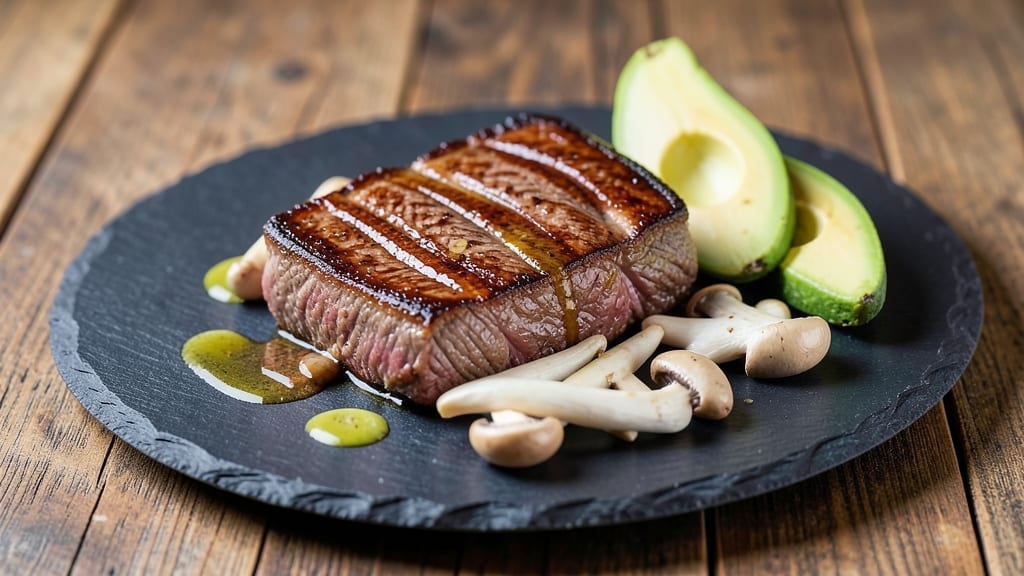
A5 Wagyu beef transforms a simple meal into an unforgettable experience—where every bite reveals layers of buttery marbling that practically melts on your tongue. 🌟 The secret lies in precise cooking techniques that preserve its legendary tenderness while enhancing its natural richness.
This isn't just beef; it's a culinary masterpiece that demands respect, from the initial sear to the final resting period.
What sets A5 Wagyu apart is its extraordinary marbling—fat threads woven through the meat that render into velvety pockets of flavor during cooking. We'll focus on achieving perfect medium-rare doneness, where the center remains cool to the touch and the edges develop a delicate crust.
The key? A hot cast-iron skillet, minimal oil, and absolute patience as the beef transforms before your eyes.
Pairing this luxurious cut requires thoughtful sides to complement its depth without competing. Traditional options like steamed Japanese rice and miso soup highlight its elegance, while modern pairings—roasted seasonal vegetables or truffle mashed potatoes—add contemporary contrast.
The presentation matters too: thinly sliced against the grain ensures each bite delivers that signature melt.
Ready to experience beef at its finest? This recipe delivers restaurant-quality results at home, provided you follow the precise timing and techniques designed to honor A5 Wagyu's extraordinary qualities. Let's begin with the preparation that will change how you view steak forever.
Ingredients for a5 wagyu beef
Luxurious beef meets precise technique—where marbling transforms into pure indulgence.
| Ingredient | Amount | Notes |
|---|---|---|
| A5 Wagyu Beef 🥩 | 2 lb | Center-cut ribeye, 1.5-inch thick |
| Kosher Salt 🧂 | 1 ½ tsp | Diamond Crystal preferred |
| Freshly Ground Black Pepper 🌶️ | 1 tsp | Cracked peppercorns preferred |
| Avocado Oil 🫒 | 2 tbsp | High smoke point for searing |
| Japanese Rice Vinegar 🍶 | 1 tbsp | For basting, optional |
| Fresh Shimeji Mushrooms 🍄 | ½ lb | Thinly sliced for garnish |
| Sesame Seeds 🌰 | 1 tbsp | Toasted for garnish |
| Fresh Thyme Leaves 🌿 | ¼ cup | For aroma during resting |
| Japanese Steamed Rice 🍚 | 2 cups | Cooked, short-grain |
| Red Miso Paste 🥘 | 1 tbsp | For miso soup pairing |
| Dashi Broth 💧 | 1 cup | For miso soup base |
| Tofu Skin 🍱 | 1 piece | For miso soup garnish |
| Fresh Wasabi 🌿 | ½ tsp | Grated, for serving |
| High-Quality Olive Oil 🫒 | 1 tbsp | For finishing drizzle |
The A5 Wagyu is non-negotiable here. Look for ribeye cuts with thick marbling—the fat should appear as white threads throughout the meat. Specialty butchers or high-end grocers like Whole Foods carry it, often pre-cut for convenience. If buying whole, ask for a center-cut ribeye with at least 30% intramuscular fat. The thickness matters too: 1.5-inch thickness ensures even cooking. Handle it gently—never poke or press the meat, as this releases juices prematurely. For the best experience, source from a trusted supplier like Snake River Farms or Kurobuta, where the marbling is guaranteed.
No avocado oil? Grapeseed oil works just as well—just ensure it has a high smoke point. The Japanese rice vinegar is optional but adds a subtle brightness that cuts through the richness. For the mushrooms, shiitake works in a pinch, but shimeji have a more delicate texture. The miso soup components can be swapped: white miso for a milder flavor or add a splash of soy sauce if you're missing dashi. Fresh thyme can be replaced with dried at one-third the amount, but fresh is ideal. The tofu skin adds texture—if unavailable, thinly sliced tofu or even a sprinkle of furikake seasoning works. For the wasabi, pre-packaged works fine, but freshly grated delivers that signature kick.
Keep the A5 Wagyu in the coldest part of your fridge until you're ready to cook—never thaw it prematurely. The rice and miso soup ingredients can be prepped a day ahead, but the beef must cook fresh. After searing, let the steak rest 10-15 minutes on a wire rack—this is critical for juiciness. The miso soup keeps for 3 days in the fridge, while the steak reheats beautifully if sliced thinly. For leftovers, portion and freeze in airtight containers for up to 3 months. The presentation is everything: slice against the grain, arrange on a warm plate, and drizzle with olive oil right before serving.
Why You'll Love This Recipe
- No-Fuss Searing: The A5 Wagyu practically melts in its own fat when you hit it with a hot pan and avocado oil—just a few minutes of attention, no flipping, no fuss. Honestly, I’ve burned steaks before trying to rush this, but even then, the flavor wins.
- Butter-Soft Magic: That first bite? The marbling turns to silk, and the Japanese rice vinegar adds this bright, almost citrusy lift that cuts through the richness. Between us, it’s the kind of dish that makes you close your eyes mid-chew.
- Date Night Ready: Zero pretension—just a perfectly cooked steak, a drizzle of vinegar, and maybe some toasted bread. I’ve served this to skeptical in-laws and foodie friends; no one ever asks for a side of fries or a fancy sauce.
- Leftovers? Even Better: Cold slices the next day taste like a high-end charcuterie board—great for wraps, salads, or just straight-up snacking. (Yes, even on a Tuesday.) The vinegar keeps it from getting greasy, so it’s actually refreshing reheated.
Step-by-step instructions for A5 Wagyu beef with Japanese garnishes
Here's how to transform premium A5 Wagyu into melt-in-your-mouth perfection with crisp edges and luxurious marbling.
🔥 Step 1: Sear the Wagyu to Lock in Juices
Let the 2 lb A5 Wagyu Beef sit at room temperature for 30 minutes before cooking. Heat a cast-iron skillet over medium-high heat until it's smoking hot, then add 2 tablespoons avocado oil. Place the steak in the pan and press down gently with a spatula for 10 seconds—this prevents curling and ensures even contact.
Sear for 2-3 minutes per side until you develop a deep golden crust and see fat rendering beautifully around the edges. The reason we don't move the steak during this time is to build that perfect crust that'll contain all those precious juices. For the final 30 seconds, add 1 tablespoon Japanese rice vinegar to deglaze the pan and create a glossy sheen on the steak.
👨🍳 Step 2: Prepare the Garnish Components
While the steak rests, slice the 0.5 lb fresh shimeji mushrooms into ¼-inch thick pieces and set aside. In a dry skillet over medium heat, toast the 1 tablespoon sesame seeds for 1-2 minutes until fragrant and golden—watch them closely so they don't burn. In a small bowl, combine the 0.25 cup fresh thyme leaves with 1 tablespoon high-quality olive oil and gently toss.
For the miso soup pairing, bring 1 cup dashi broth to a gentle simmer in a small saucepan. Whisk in the 1 tablespoon red miso paste until fully dissolved. Add the 1 piece tofu skin and simmer for 2 minutes—this will create delicate, silky strands when served. Keep both components warm until ready to serve.
⏰ Step 3: Rest and Slice for Maximum Tenderness
Transfer the seared steak to a cutting board and tent loosely with aluminum foil. Let it rest for 10-15 minutes—this crucial step allows the juices to redistribute throughout the meat. During this time, I like to place a small plate of 2 cups Japanese steamed rice in the oven at 200°F to keep it warm and fluffy.
When ready to serve, slice the steak against the grain into ¼-inch thick portions. The marbling should be visible throughout, with each bite offering that signature buttery melt. Arrange the sliced steak on a warm platter, drizzling with any remaining pan juices from the searing process.
🥘 Step 4: Assemble with Garnishes and Wasabi
Create a beautiful presentation by arranging the sliced steak over the warm rice. Scatter the toasted sesame seeds and thyme-leaf mixture evenly across the top. The shimeji mushrooms should be sautéed quickly in a separate pan with a touch of avocado oil until just tender—add them to the plate last to maintain their crisp texture.
Serve immediately with the miso soup on the side, accompanied by a small dish of 0.5 teaspoon freshly grated wasabi for those who enjoy the kick. The combination of the buttery steak, aromatic rice, and delicate soup creates a harmonious balance of textures and flavors that showcases the A5 Wagyu's exceptional quality.
Pro Tips For Making A5 Wagyu Beef
- Use a Cast-Iron Skillet: Wagyu’s fat melts like butter, and cast iron handles the high heat without smoking while creating that perfect crust. I learned this the hard way—my first attempt in a nonstick pan left me with greasy, uneven searing. Preheat the skillet until it’s smoking hot before adding the beef, then walk away for 2-3 minutes to let it develop color.
- Salt the Beef Immediately: Kosher salt isn’t just for seasoning—it’s for drawing out moisture so the crust forms properly. Sprinkle it generously right after searing, while the beef is still sizzling, and let it sit for 30 seconds before flipping. I used to wait until the end, and the crust never crisped up like it should.
- Don’t Overcrowd the Pan: Wagyu’s marbling renders fast, and a packed pan turns your sear into a stew. Work in batches if needed—even a single 4-ounce cut should have space to breathe. After burning three batches, I finally figured out that patience here means a golden crust, not a greasy mess.
- Finish with Vinegar Last: Japanese rice vinegar brightens the dish, but adding it too early dilutes the beef’s natural richness. Toss the sliced beef in a splash of vinegar right after plating—just enough to coat the surface. Sounds weird, but it works: the acid cuts through the fat without overpowering the meat’s buttery depth.
Storing and reheating this recipe
Refrigerator Storage
A5 Wagyu's luxurious marbling means it's best enjoyed fresh, but if you have leftovers, store them properly. After slicing, transfer the beef to an airtight container with a splash of Japanese rice vinegar (just 1 tsp) to preserve moisture.
Keep it in the coldest part of your fridge at 40°F or below for up to 3 days. The fat content makes it prone to drying out, so avoid storing it for longer than this. 🥩
Freezer Preservation
For longer storage, freeze the sliced Wagyu in single-serving portions in quart-sized freezer bags. Press out excess air and seal tightly to prevent freezer burn. Label with the date—it stays delicious for up to 3 months.
When reheating, use the stovetop method (see below) to maintain texture. Never thaw at room temperature; use the fridge overnight for best results.
Stovetop Reheating
This is the gold standard for reheating Wagyu. Place slices in a nonstick skillet over medium-low heat with 1 tsp avocado oil and a splash of dashi broth (just 2 tbsp).
Cook for 2-3 minutes per side until warmed through but still tender. The broth prevents drying—never use dry heat. Keep the heat low to avoid overcooking the delicate fat. ✨
Microwave Method
For quick reheating, use the microwave on low power (50%) in 30-second intervals. Place slices on a microwave-safe plate with a damp paper towel covering them. This prevents drying while warming evenly.
After each interval, flip the slices—total time should be 1-2 minutes max. The microwave can make Wagyu tough if overdone, so monitor closely.
Serving Leftovers
Presentation matters even with leftovers. Reheat slices and arrange them on a warm plate with a drizzle of high-quality olive oil and a sprinkle of toasted sesame seeds. Serve with steamed rice and a side of miso soup to recreate the full experience.
The fat content makes it ideal for beef pho or banh mi sandwiches—just slice thinly and layer with pickled veggies. 🍚
Thawing Safely
If frozen, thaw Wagyu in the fridge overnight—never at room temperature. For a rush, use the cold water bath method: Seal the bag in a second zip-top bag, submerge in cold water, and change the water every 30 minutes until thawed.
Cook immediately after thawing to preserve tenderness. The marbling means it reheats beautifully, but fresh is always best. ⏰
Nutrition facts
Frequently asked questions
How do I know if my A5 Wagyu has enough marbling?
Look for white fat threads visibly woven throughout the meat, not just on the surface. The best cuts will have 30%+ intramuscular fat—this is what creates that signature melt-in-your-mouth texture. If you're unsure, ask your butcher to show you the cross-section before purchasing.
Can I cook A5 Wagyu in an oven instead of pan-searing?
For oven-cooked perfection, sear the steak first in a hot pan, then transfer to a 400°F oven for 4-6 minutes (depending on thickness) until reaching 125°F internal temp for medium-rare. The oven method works well for thicker cuts and maintains even cooking.
What's the best way to slice A5 Wagyu for maximum tenderness?
Always slice against the grain at a 45-degree angle for thin, delicate pieces. Use a sharp knife and make clean, quick motions to preserve the marbling. For presentation, arrange slices fanned out on the plate to showcase the beautiful fat distribution.
How much should I expect to pay for A5 Wagyu beef?
Prices vary by region, but expect to pay $150-$300 per pound for authentic A5 Wagyu from Japan. The cost reflects its strict feeding regimen and genetic quality. For budget-friendly alternatives, look for USDA Prime Wagyu at $80-$150/lb, though the marbling won't be as dense.
What if my steak comes out overcooked?
Don't panic—thinly slice it and serve immediately with high-fat sides like truffle mashed potatoes or butter-basted vegetables. The fat content helps mask overcooking, and the texture will still be luxurious. For next time, use a meat thermometer and aim for 125°F for medium-rare.