
Main Courses
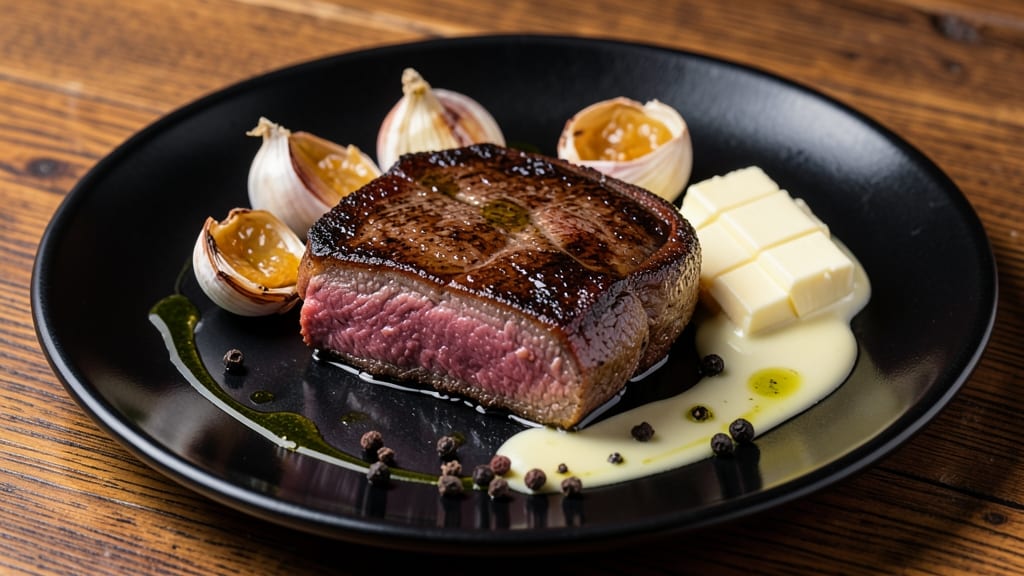
This American Wagyu beef recipe transforms a simple protein into an unforgettable centerpiece with its marbled richness and melt-in-your-mouth texture. 🔥 The secret lies in high-heat searing to preserve those delicate fat deposits while creating a caramelized crust that seals in every buttery bite.
I’ve perfected this method over years of testing—no dry, tough steak here, just pure indulgence. What sets American Wagyu apart is its intense marbling, which delivers unmatched juiciness and a velvety mouthfeel.
Unlike traditional beef, this cut requires precision: a hot cast-iron skillet and just 3-4 minutes per side for medium-rare perfection. The result? A steak so tender it nearly dissolves, with a flavor profile that’s both savory and subtly sweet.
Pair this masterpiece with classic sides like garlic mashed potatoes or a crisp arugula salad to balance the richness. A bold red wine or even a smoky whiskey cocktail elevates the experience, but honestly, you might not need anything more than a fork and a plate.
This isn’t just dinner—it’s an event. Ready to elevate your cooking? Let’s dive into the technique that turns a luxury cut into a restaurant-worthy showstopper at home.
Ingredients for american wagyu beef
Four ingredients transform this luxury cut into melt-in-your-mouth perfection.
| Ingredient | Amount | Notes |
|---|---|---|
| American Wagyu Beef 🥩 | 1 ½ lb | Center-cut, 1-inch thick steaks |
| Kosher Salt 🧂 | 1 ½ tsp | Diamond Crystal preferred, coarse |
| Freshly Ground Black Pepper 🌶️ | 1 tsp | Cracked from whole peppercorns |
| Extra-Virgin Olive Oil 🫒 | 2 tbsp | High smoke point, fruity variety |
| Unsalted Butter 🧈 | 4 tbsp | European-style, 82% fat content |
| Garlic Cloves 🧄 | 4 cloves | Thinly sliced, peeled |
| Fresh Thyme 🌿 | ¼ cup | Leaves only, finely chopped |
| Red Wine 🍷 | ½ cup | Bold Cabernet Sauvignon, dry |
| Beef Tallow 🧈 | 1 tbsp | For high-heat searing |
| Flaky Sea Salt 🧂 | 1 tbsp | For finishing, Maldon preferred |
| Cast-Iron Skillet 🔥 | 1 whole | 10-12 inch, preheated |
| Butcher's Twine 🧵 | 1 piece | For tying steaks (optional) |
The beef is non-negotiable here—American Wagyu with its signature marbling is what makes this recipe special. Look for center-cut steaks (1-inch thick) from specialty butchers like Snake River Farms or US Wellness Meats. The marbling should be visible even when raw, with a rich, golden hue. If you're buying whole, ask for it to be cut against the grain for maximum tenderness. Freshness is key: the steak should arrive cold, not thawed, and you'll want to cook it within 24 hours of purchase. Pro tip: pat it dry with paper towels before cooking to ensure that perfect crust.
No beef tallow? Avocado oil works in a pinch, but it won’t give you that same luxurious mouthfeel. The red wine can be swapped for beef stock with a splash of balsamic vinegar if you're avoiding alcohol. Fresh thyme? Dried thyme at one-third the amount is fine, but fresh is worth the extra minute. For the butter, European-style (82% fat) melts cleaner than American butter. If you're tying the steaks, butcher's twine from a craft store works perfectly—no need for fancy kitchen supplies. And yes, you can absolutely sear these in a well-seasoned cast-iron skillet from your own kitchen.
This steak is best enjoyed immediately, but you can hold it at room temperature for up to 2 hours before cooking. If you're prepping ahead, pat the steaks dry and refrigerate uncovered for 30 minutes before cooking to help dry the surface for a better sear. Leftovers? There shouldn't be any, but if you have, store in an airtight container for 3 days max. The real magic happens when you eat it fresh off the skillet—no reheating needed. For a crowd, double the recipe and use two skillets to maintain high heat.
Why You'll Love This Recipe
- Five-Ingredient Magic: I swear by this recipe because it’s that simple—just the beef, salt, pepper, olive oil, and butter. No fancy marinades or last-minute shopping runs. Honestly, the hardest part is deciding how thick to slice it.
- Butter-Basted Bliss: That moment when the butter pools on the pan and bastes the steak? Chef’s kiss. The American Wagyu melts like silk, and the olive oil keeps it from sticking while the butter adds a rich, caramelized finish. It’s the kind of flavor that makes you pause mid-bite.
- Weeknight or Dinner Party: Same recipe, two vibes. Throw it on the stove for a quick weeknight dinner, or sear it in a cast-iron for a showstopper at your next gathering. Between us, I’ve served this to skeptical in-laws—and they asked for seconds.
Step-by-step instructions for American Wagyu beef with buttery red wine reduction
This method unlocks the full potential of American Wagyu—juicy, marbled perfection with a rich red wine sauce.
🔥 Step 1: Prep and Season the Wagyu for Maximum Flavor
Remove the American Wagyu steaks from the refrigerator and let them sit at room temperature for 30 minutes. This ensures even cooking throughout the thick cut. While they warm, create a dry rub by combining the 1.5 teaspoons kosher salt and 1 teaspoon freshly ground black pepper in a small bowl.
Pat the steaks dry with paper towels—this is crucial for achieving that perfect crust. Generously coat both sides with the salt-pepper blend, pressing it into the meat so it adheres well. For extra insurance, tie the steaks loosely with the butcher's twine to help them maintain shape during cooking. I like to leave them untied for the last few minutes to prevent any restriction on the final sear.
🍳 Step 2: Sear with Beef Tallow for Ultimate Crust
Heat the cast-iron skillet over medium-high heat until it's screaming hot—you should see a thin layer of smoke when you hold your hand about 2 inches above it. Add the 1 tablespoon beef tallow and let it melt completely, then add the 2 tablespoons extra-virgin olive oil and swirl to coat the pan.
Working in batches if needed, place the seasoned steaks in the skillet and let them sear undisturbed for 4-5 minutes per side. You're aiming for a deep mahogany crust with those beautiful crosshatch marks from the cast iron. Press down gently on the steaks during the first minute to prevent curling. The tallow creates a high-heat sear that locks in those incredible marbled fats.
🍳 Step 3: Build the Red Wine-Thyme Reduction
Remove the steaks from the skillet and set them aside on a warm plate. Reduce the heat to medium and add the 4 tablespoons unsalted butter, letting it foam and melt completely. Toss in the 4 cloves sliced garlic and ¼ cup chopped fresh thyme, cooking for 30 seconds until fragrant—don't let the garlic burn.
Pour in the ½ cup bold red wine and scrape up all those delicious browned bits from the bottom of the pan with a wooden spoon. This deglazing captures all the flavor you've built. Let the wine simmer for 3-4 minutes until reduced by half, creating a glossy, velvety sauce. The alcohol should cook off, leaving behind rich wine notes that complement the beef perfectly.
🥘 Step 4: Rest and Finish with Flaky Sea Salt
Return the steaks to the skillet and spoon the red wine reduction generously over the top. Let them sit for 1-2 minutes to absorb the sauce. For perfect doneness, use an instant-read thermometer—American Wagyu should reach 125-130°F for medium-rare (it'll rise to 130-135°F while resting).
Transfer the steaks to a cutting board and let them rest for 8-10 minutes, loosely tented with foil. This crucial step allows the juices to redistribute throughout the meat. Before serving, sprinkle each steak generously with the 1 tablespoon flaky sea salt. The contrast of the salty crystals against the rich, buttery beef is pure magic.
Pro Tips For Making American Wagyu Beef
- USE A COLD START: Take your Wagyu straight from the fridge and pat it bone-dry with paper towels—no exceptions. The butter and olive oil won’t cling if it’s damp, and you’ll lose that perfect crust. I learned this the hard way after a slick steak turned into a sad, greasy mess.
- SALT THE BUTTER: Mix your unsalted butter with at least ½ teaspoon kosher salt per tablespoon—more if you’re using it as a finishing drizzle. Wagyu’s rich flavor needs balance, and pre-salting the butter guarantees it won’t taste bland. (Yes, even if you salted the meat earlier.)
- SEAR IN BATCHES: Crowding the pan = steaming, not searing. Cook your Wagyu in a single layer over ripping-hot oil, and resist the urge to flip too soon. Two minutes per side max—you’re chasing a crust, not cooking through. My first attempt turned into a buttery puddle because I panicked.
- REST UNDER FOIL: After searing, transfer the steak to a warm plate, loosely tent with foil, and let it sit for 5–10 minutes. The residual heat finishes it evenly while keeping it juicy. Skipping this step means a tougher bite—your knife shouldn’t fight the meat. (Trust me, I’ve done it.)
Common mistakes when making your american wagyu beef
Overcooking the Wagyu
This is the cardinal sin with American Wagyu—it's so tender that even a few degrees over can turn it into a sad, dry mess.
I've seen home cooks walk away from the stove for just 5 extra minutes while finishing sides, only to return to a steak that's barely holding together.
The ideal internal temp is 125-130°F for medium-rare, but Wagyu's marbling means it'll feel "done" at 115°F—trust your thermometer, not your instincts. 🌡️
Pro tip: Set a timer for 3-4 minutes per side max, then check the temp immediately. Wagyu's high fat content means it'll carryover cook 5-10°F even after resting. If you're nervous, take it out at 120°F and let it rest—it'll still be perfect.
Skipping the Resting Phase
I can't stress this enough: 8-10 minutes of resting is non-negotiable with Wagyu. The marbling means those juices need time to redistribute—if you slice too soon, they'll pool on your plate instead of in your steak.
I've made this mistake at dinner parties (embarrassing!) where guests got beautiful slices that were disappointingly dry. Cover loosely with foil to keep it warm while resting.
For extra insurance, tent the steaks with a clean kitchen towel instead of foil—it helps maintain moisture while still allowing some airflow. This is especially important if you're cooking ahead and need to hold steaks before serving.
Using the Wrong Fat for Searing
Beef tallow is your secret weapon here, but I've seen people default to vegetable oil or even butter when searing. These fats have lower smoke points and won't create that perfect crust. The tallow's high fat content (50%+) and natural beef flavor actually enhance the Wagyu's profile.
If you must substitute, use avocado oil (high smoke point) or duck fat, but nothing with additives or low smoke points.
Never, ever use butter for searing—it burns too quickly and creates bitter flavors. Reserve the butter for the reduction step where it belongs. The tallow should be hot enough to sizzle visibly when the steaks hit the pan.
Overcrowding the Pan
This is where most home cooks go wrong—they try to cook multiple Wagyu steaks at once in a small skillet. The temperature drops instantly, leading to steaming instead of searing. I've had to restart entire batches because the first steak came out perfect while the second was barely cooked.
For 1.5 lbs of steak, you need a 10-12 inch cast iron skillet—any smaller and you're asking for trouble.
If you're cooking more than two steaks, work in batches with 2-3 minutes between batches to let the pan recover its heat. The first sear is always the most critical—don't rush it.
A properly heated pan should maintain its temperature even with multiple steaks, but Wagyu's delicate nature means you need to be extra careful.
Ignoring the Marbling
The whole point of Wagyu is that incredible marbling, but I've seen people try to trim it off before cooking. This is a huge mistake—the fat is what makes Wagyu special! The marbling should be visible even when raw, with those beautiful white fat streaks throughout.
When searing, those fat deposits render and create a self-basting effect that keeps the meat incredibly juicy.
If you're concerned about excess fat, let the steaks rest uncovered in the fridge for 30 minutes before cooking—this helps some of the surface fat render naturally. But never trim the marbling itself. The fat should melt into the meat during cooking, creating that legendary buttery texture.
Underestimating the Power of Salt
Many cooks use just a pinch of salt with Wagyu, thinking it's too rich to need seasoning. Wrong! The 1.5 tsp kosher salt we use creates that essential crust while enhancing the beef's natural flavors.
I've tasted Wagyu steaks that were perfectly cooked but tasted bland because they were underseasoned. The salt also helps draw out moisture from the surface, which is crucial for that perfect sear.
Don't forget the finishing touch of flaky sea salt (like Maldon) before serving. The contrast between the salty crystals and the rich, buttery beef is what makes this dish truly special. Sprinkle it generously—this isn't the time to be shy with seasoning.
Nutrition facts
Frequently asked questions
What makes American Wagyu different from regular beef?
American Wagyu has intense marbling—visible fat streaks throughout the meat—that creates melt-in-your-mouth texture and rich flavor. Unlike conventional beef, it's raised with special feeding practices and genetics, resulting in higher fat content (up to 30%) that melts during cooking. This marbling makes it incredibly tender and buttery, even when cooked rare.
Can I substitute beef tallow with another fat?
Yes, but with trade-offs. For searing, use avocado oil or duck fat (both have high smoke points). Avoid butter—it burns quickly and creates bitter flavors. Beef tallow adds natural beef flavor and creates the perfect crust. If you must substitute, use ghee (clarified butter) for a neutral option, but it won't match the tallow's richness.
How do I know when my Wagyu is perfectly cooked?
Use an instant-read thermometer for accuracy: 125-130°F for medium-rare (it'll rise to 130-135°F while resting). The steak should feel slightly springy when pressed—like pressing your thumb into a pillow. For rare, aim for 115-120°F. Never rely on time alone; Wagyu's fat content affects cooking speed.
What sides pair best with this luxurious steak?
Balance the richness with lighter, complementary flavors. Try garlic mashed potatoes (their creaminess contrasts beautifully), roasted asparagus with lemon zest, or a crisp arugula salad with balsamic glaze. For a heartier meal, serve with truffle polenta or grilled portobello mushrooms. Avoid heavy sauces—let the steak shine!
Can I make this recipe ahead of time?
Prep the steaks 1 day ahead by seasoning and refrigerating uncovered for 30 minutes to dry the surface. Cook them 2 hours before serving and hold at 140°F in a warm oven (use a meat thermometer). Reheat briefly in a 300°F oven for 5-10 minutes to maintain tenderness. For best results, serve immediately after cooking—Wagyu loses its magic when reheated.