
Main Courses
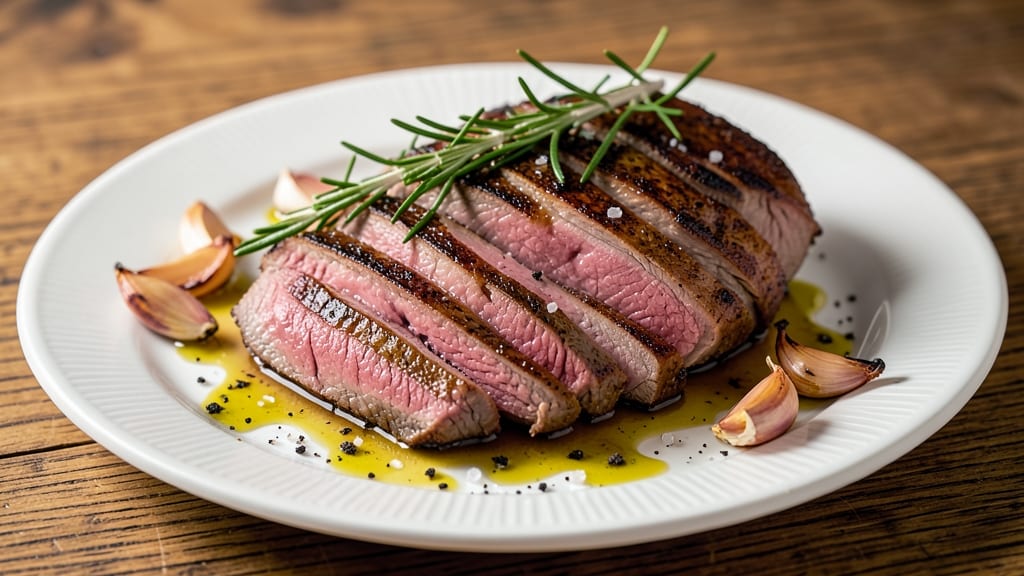
A 500-gram roast beef recipe cooked to perfect medium rare transforms a simple dinner into an unforgettable experience. This precision-cut method ensures every slice delivers that ideal balance of pink center and caramelized crust. The secret lies in precise temperature control and resting time—no guesswork, just consistent results every time.
This recipe focuses on ribeye or sirloin roasts, where marbling and tenderness shine. You’ll need just salt, pepper, and high-quality beef, but the technique—including a hot oven and careful resting period—makes all the difference.
The goal isn’t just a cooked roast; it’s a restaurant-quality centerpiece with minimal effort.
By following this method, you’ll achieve a juicy, flavorful roast with a crusty exterior that holds up to slicing. Pair it with classic sides like roasted vegetables, creamy mashed potatoes, or a rich red wine gravy. The key is patience—letting the meat rest ensures every bite stays tender and moist.
Whether serving for a special occasion or a weeknight dinner, this foolproof approach guarantees success. The same principles apply whether you’re cooking for two or scaling up—just adjust the oven time accordingly. Ready to master the perfect roast?
Ingredients for 500 roast beef
High-quality beef, bold flavors, and precise technique transform simple ingredients into restaurant-quality perfection.
| Ingredient | Amount | Notes |
|---|---|---|
| Ribeye or Sirloin Roast Beef 🥩 | 1.1 lb | Center-cut, 500g/1.1lb roast, medium rare |
| Kosher Salt 🧂 | 1 ½ tsp | Diamond Crystal preferred, coarse grain |
| Freshly Ground Black Pepper 🌶️ | 1 tsp | Cracked peppercorns for best flavor |
| Extra-Virgin Olive Oil 🫒 | 1 tbsp | For crust development, high-quality |
| Fresh Rosemary 🌿 | 1 sprig | Woodsy aroma, stems removed |
| Garlic Cloves 🧄 | 2 cloves | Smashed for flavor infusion |
| Red Wine 🍷 | ¼ cup | Bold dry red, like Cabernet Sauvignon |
| Beef Stock 🥫 | ½ cup | Homemade or high-quality store-bought |
| Unsalted Butter 🧈 | 2 tbsp | Cold, for basting and crust |
The beef is everything here—ribeye or sirloin with visible marbling delivers that melt-in-your-mouth texture. Butcher shops often have pre-cut roasts, but if buying whole, ask for a center-cut piece. The 500g/1.1lb size is perfect for 4 servings with leftovers. For extra insurance, look for dry-aged beef at specialty markets like Whole Foods or D'Artagnan. The rosemary and garlic should be fresh—no dried substitutes here. The red wine and beef stock add depth, so don't skimp on quality.
No ribeye? Sirloin or strip steak works just as well—just trim excess fat. Short on rosemary? Fresh thyme at double the amount gives a similar earthy note. The wine can be swapped for beef broth with a splash of balsamic vinegar, but the acidity helps tenderize. For the crust, olive oil and butter combo is non-negotiable—it creates that perfect caramelized bark. If you're prepping ahead, pat the roast dry with paper towels and refrigerate uncovered for 1-2 hours before cooking to help the crust form.
This roast is best served immediately after resting, but leftovers reheat beautifully. Wrap tightly in foil and refrigerate for up to 3 days. For longer storage, vacuum-seal and freeze for up to 3 months. The crust will soften when reheated, but the interior stays juicy. Slice against the grain for maximum tenderness. Pair with classic sides like creamy mashed potatoes or roasted root vegetables to complete the meal.
Why You'll Love This Recipe
- Here’s what sold me: cold slices the next day are just as good. Toss them in salads, wraps, or eat them straight—no sad, dry beef here. The rosemary keeps it flavorful for days.
- Foolproof Seasoning: I swear by this combo—just salt, pepper, and rosemary. No fancy rubs, no guesswork. The beef practically seasons itself while it roasts, and that crispy crust? Worth the wait.
- One-Pan Magic: Honestly, I’ve tried roasting beef before and ended up with a mess. This method keeps everything simple: one pan, minimal cleanup. Just sear, season, and let the oven do the work.
- Weeknight Hero: Between us, I’ve served this to skeptical in-laws and hungry teens—no one complained. It’s hearty enough for a Sunday dinner but unfussy enough for a Tuesday when you’re exhausted.
Step-by-step instructions for precision-cut 500-Gram roast beef
Master this method and you'll achieve a perfectly seared crust with tender, medium-rare beef every single time.
Prepare the Roast for Optimal Flavor Development
Take the 1.1 lb ribeye or sirloin roast beef out of the refrigerator and let it sit at room temperature for 30 minutes before cooking. This ensures even cooking throughout. While it comes to temperature, prepare your seasoning blend by combining 1.5 tsp kosher salt and 1 tsp freshly ground black pepper in a small bowl.
Pat the roast completely dry with paper towels—this is absolutely critical for developing that beautiful crust. I press firmly all over, even in the crevices, to remove every trace of moisture. Then rub the salt and pepper mixture evenly over the entire surface, pressing it into the meat so it adheres well. The salt will draw out moisture initially, but don't worry—it'll return during cooking.
Create the Perfect Searing Crust with Olive Oil and Rosemary
Heat a heavy oven-safe skillet (I use a cast iron) over medium-high heat until it's screaming hot. Add 1 tbsp extra-virgin olive oil and let it shimmer for 1 minute. Add the roast beef to the skillet, placing it cut-side down if it's ribeye. Sear for 3-4 minutes until you see deep golden-brown color forming.
While the roast sears, prepare your aromatics by crushing the 2 cloves garlic and removing the leaves from the 1 sprig fresh rosemary, leaving just the needle-like sprigs. When the roast is browned on one side, flip it and add the garlic and rosemary to the pan. Sear the other side for another 3-4 minutes, then carefully transfer the roast to a plate.
Deglaze and Build Flavorful Pan Sauce
Return the skillet to the heat and pour in the 0.25 cup red wine, scraping up all the browned bits from the bottom with a wooden spoon. Let it simmer for 2-3 minutes until reduced by half. Then add the 0.5 cup beef stock and continue simmering until reduced by another third, about 4-5 minutes. This concentrated sauce will baste your roast beautifully.
Remove the skillet from heat and stir in the 2 tbsp unsalted butter, allowing it to melt completely. The butter will add richness and help create a glossy finish on your roast. Taste the sauce and adjust seasoning with additional salt if needed—this is your chance to perfect the flavor before it coats the beef.
Roast to Perfect Medium Rare
Preheat your oven to 425°F. Place the roast beef cut-side up in the skillet and pour the sauce evenly over the top. Transfer to the oven and roast for 12-15 minutes for a 1.1 lb roast, or until the internal temperature reaches 125°F for medium rare. I use a meat thermometer inserted into the thickest part of the roast.
Here's the secret: the roast will continue cooking as it rests, so pull it out when it hits 125°F—it'll rise to the perfect 130°F during resting. The sauce should be bubbling gently around the edges, creating that beautiful caramelized crust. Don't be tempted to open the oven door during cooking—every time you peek, you lose valuable heat.
Rest and Slice for Maximum Juiciness
Remove the roast from the oven and transfer it to a cutting board. Tent loosely with foil and let it rest for 10-15 minutes. This resting period is absolutely crucial—it allows the juices to redistribute throughout the meat, preventing them from running out when you slice. The temperature will rise another 5°F during resting, reaching that perfect medium rare finish.
After resting, slice the roast against the grain into ¼-inch thick slices. The meat should be deep red in the center with a slightly pink center, and the crust should be beautifully caramelized. Spoon the reduced sauce over the top and serve immediately with the slices fanned out on the platter. Each bite should deliver perfect medium rare beef with a rich, herby crust and luxurious pan sauce.
Pro Tips For Making 500 Roast Beef
- SEAR THE SURFACE FIRST: I learned this the hard way—skipping the sear means a bland crust. Heat your pan until it’s smoking hot, then sear the beef on all sides for 2-3 minutes before roasting. The Maillard reaction kicks in, giving you that golden, flavor-packed crust that makes all the difference.
- SALTY BEFORE ROASTING: Don’t hold back on salt—this isn’t the time to be shy. Generously coat the beef with kosher salt at least 45 minutes before cooking (or overnight if you’re patient). The salt breaks down the proteins, keeping the meat juicy and letting the seasoning penetrate deep.
- DON’T CUT INTO IT YET: I know, you’re dying to check if it’s done, but resist. Let that roast rest 15-20 minutes under foil before slicing—this lets the juices redistribute instead of pooling on your cutting board. Trust me, the first slice will be worth the wait.
- ROSEMARY NEEDS TIME: Fresh rosmary isn’t just for looks—it needs to infuse. Sprinkle it after searing, then press it gently into the meat so the oils release. If you’re short on time, finely chop a few sprigs and mix them into the olive oil before rubbing—it’ll cling better and flavor every bite.
Troubleshooting great 500 roast beef
Uneven Cooking
If your roast has cold spots or overcooked edges, the issue is usually uneven heat distribution. First, ensure your oven is properly calibrated—use an oven thermometer to verify the actual temperature.
For a 500g roast, place it on a wire rack over a baking sheet to allow air circulation. If using a cast iron skillet, avoid overcrowding the pan with aromatics, as they can block heat.
I’ve found that rotating the roast halfway through cooking (if possible) helps even out the temperature. 🌡️
Dry, Tough Meat
Dry roast beef usually means overcooking or premature slicing. Always use a meat thermometer—remove the roast at 125°F for medium rare, as it will rise to 130°F while resting. Never skip the 10-15 minute rest—this is when juices redistribute.
If your roast is still dry, try brining it for 1 hour in ¼ cup kosher salt + 4 cups water before cooking. For extra moisture, add 1 tbsp Dijon mustard to the pan sauce before basting. 💧
Sauce Too Thin or Too Thick
A watery sauce means you didn’t reduce it enough—simmer the wine and stock until it’s thick enough to coat the back of a spoon. For a thickened sauce, mix 1 tsp cornstarch with 1 tbsp cold water, then stir into the pan sauce off heat.
If it’s too thick, add 1-2 tbsp beef stock to loosen. I like to finish with 1 tbsp cold butter for shine and richness. Always taste and adjust seasoning—salt and acid (a splash of lemon juice) can balance flavors. 🍲
Crust Not Forming
A pale, uncaramelized crust usually means moisture or insufficient heat. Pat the roast completely dry with paper towels before searing, and let it sit at room temperature for 30 minutes before cooking. Use a heavy cast-iron skillet and heat it until smoking hot before adding oil.
For extra crust, brush the roast with 1 tbsp melted butter after searing. If your oven isn’t hot enough, increase the temperature to 450°F for the final 5 minutes of roasting. 🔥
Temperature Fluctuations
If your roast cooks too fast or stalls, your oven’s heat isn’t stable. Preheat for at least 30 minutes before cooking. Avoid opening the oven door during roasting—every peek drops internal temperature by 10°F.
For large roasts, use the "two-stove method": Sear in a skillet, then finish in the oven. If your oven runs hot, reduce the temperature by 25°F and check frequently. A meat probe thermometer is your best friend here—it eliminates guesswork. ⏰
Nutrition facts
Frequently asked questions
What's the best cut of beef for a 500g roast?
For this recipe, ribeye or sirloin work best—they have excellent marbling that keeps the meat tender and flavorful. Look for center-cut pieces with visible fat streaks. If you prefer leaner options, top round will work but requires more careful timing to avoid dryness. Always ask your butcher for a bone-in or boneless roast cut from the center of the cut for best results.
How do I adjust cooking time for different weights?
Use 12-15 minutes per pound at 425°F for medium rare, but always check with a meat thermometer. For a 500g (1.1lb) roast, aim for 12-15 minutes. For larger roasts (like 2.2lbs), increase time to 20-25 minutes and use a wire rack to prevent steaming. The key is pulling it out at 125°F internal—it'll rise to 130°F while resting.
Can I make this roast ahead of time?
Yes! Cook the roast as directed, then let it cool completely. Wrap tightly in plastic wrap and refrigerate for up to 3 days. For reheating, bake at 300°F for 15-20 minutes until warmed through. The crust will soften slightly, but the interior stays juicy. For longer storage, vacuum-seal and freeze for up to 3 months. Thaw overnight in the fridge before reheating.
What if I don't have red wine?
No problem! Substitute with ½ cup beef broth + 1 tbsp balsamic vinegar for acidity, or use dry white wine if that's what you have. For a non-alcoholic version, try ½ cup apple cider + 1 tbsp soy sauce. The wine adds depth, but these alternatives work well. Just ensure your sauce reduces properly to concentrate the flavors before basting the roast.
How do I slice roast beef properly?
Always slice against the grain—look for the muscle fibers running in one direction and cut perpendicular to them. Use a sharp carving knife and slice into ¼-inch thick pieces for even cooking. For a cleaner presentation, fan the slices slightly on the platter. If your roast has a bone, remove it first. The grain direction varies by cut—ask your butcher if unsure!