
Soups & Stews
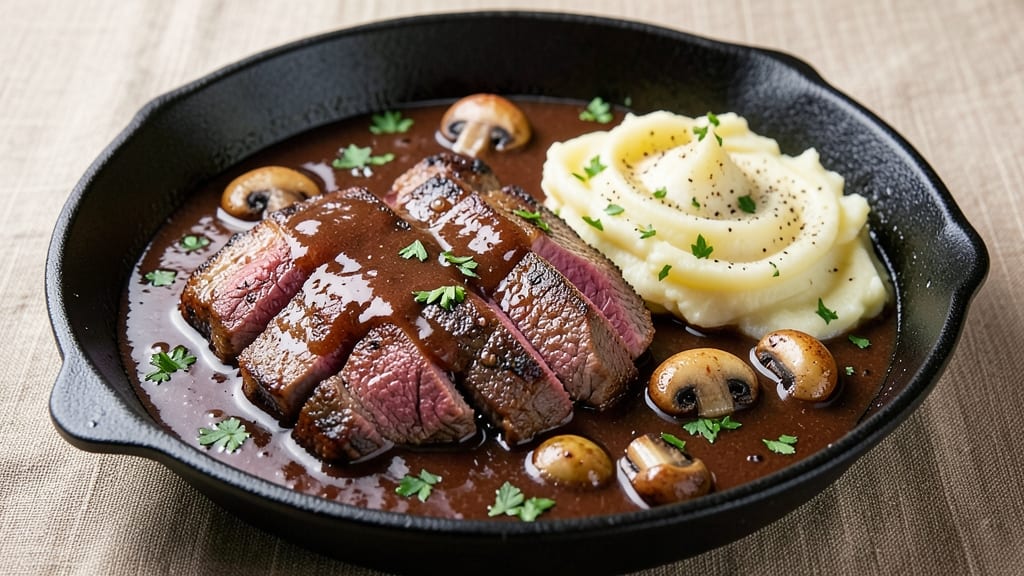
This beef and red wine gravy recipe transforms simple roast drippings into a luxuriously rich, velvety sauce with layers of umami and depth. The secret lies in deglazing the pan with red wine—its acidity cuts through fat while extracting caramelized flavors from the beef.
What starts as a thin liquid becomes a smooth, glossy sauce when reduced with a classic roux, creating the perfect vehicle for roasted meats or mashed potatoes.
Professional chefs rely on this technique to elevate everyday meals, and you can too with just five key ingredients: beef drippings, dry red wine, butter, flour, and beef stock.
The process is straightforward—browning the meat, deglazing with wine, and building a roux—but the results are restaurant-quality. Every spoonful delivers complex, savory notes that make even simple proteins taste extraordinary.
The magic happens during reduction, where alcohol evaporates and flavors concentrate. A proper roux (equal parts butter and flour) thickens the sauce without graininess, while beef stock adds body and depth. This gravy isn’t just a side—it’s the star of the plate, turning ordinary roasts into showstopping centerpieces.
Use it immediately for maximum flavor impact, or store leftovers in the fridge for up to five days. The sauce thickens as it cools, so simply reheat with a splash of stock or water.
Whether drizzled over a Sunday roast or spooned beside creamy polenta, this gravy proves that simple techniques yield extraordinary results.
Ingredients for beef and red wine gravy
Five essential ingredients elevate simple roast drippings into restaurant-quality gravy.
| Ingredient | Amount | Notes |
|---|---|---|
| Beef Drippings 🥩 | 2 cups | From roasted beef, cooled |
| Dry Red Wine 🍷 | 1 cup | Bold Cabernet Sauvignon or Merlot |
| Unsalted Butter 🧈 | ½ cup | Cold, cubed for roux |
| All-Purpose Flour 🌾 | ½ cup | Diamond Crystal preferred |
| Beef Stock 🧂 | 1 cup | Homemade or high-quality store-bought |
| Salt 🧂 | 1 tsp | Kosher or sea salt |
| Freshly Ground Black Pepper 🌶️ | ½ tsp | For finishing |
The beef drippings are the foundation—never skip this step. Use only the rendered fat from a well-browned roast (about 2 cups). Trader Joe's or Whole Foods carry high-quality beef stocks if homemade isn't an option, but nothing beats the depth of homemade. For the wine, bold Cabernet Sauvignon or Merlot works best—their tannins integrate beautifully into the sauce. If you're using a cheaper wine, decant it first to let the flavors open up. The butter and flour must be cold when making the roux to prevent lumps, so pull them straight from the fridge.
No red wine? Dry sherry or beef broth with a splash of balsamic vinegar works in a pinch, though the flavor will be subtly different. Substituting the beef stock? Vegetable stock works equally well for vegetarian adaptations, though the umami depth will differ. Diamond Crystal flour creates a smoother roux than other brands—it has a finer grind. If you're short on time, a cornstarch slurry (1 tbsp cornstarch + 2 tbsp cold water) can thicken the gravy without roux, though it lacks the same richness. Always taste as you go—seasoning builds throughout the process.
Freshly made gravy is best used immediately, but it reheats beautifully. Store leftovers in an airtight container in the fridge for up to five days. The sauce will thicken as it cools, so simply reheat with a splash of beef stock or water. For longer storage, freeze in ice cube trays—thaw and reheat as needed. This gravy freezes well for up to three months, making it perfect for meal prep. Always reheat gently over low heat to preserve its velvety texture.
Why You'll Love This Recipe
- Here’s the secret: butter and flour make it velvety, but the red wine? That’s the flavor bomb. One sip of the finished gravy, and you’ll forget about store-bought jars forever.
- Uses What You Have: The second I finish roasting a beef cut, those golden drippings in the pan are pure magic—no extra shopping needed. Just scrape, deglaze, and let the wine and stock work their magic while you finish dinner.
- Rich Without Effort: Here’s the secret: butter and flour make it velvety, but the red wine? That’s the flavor bomb. One sip of the finished gravy, and you’ll forget about store-bought jars forever.
- Leftovers That Shine: This stuff tastes better the next day—yes, really. I keep a jar in the fridge for emergencies (or lazy mornings with toast). Even my picky husband asks for seconds.
Step-by-step instructions for beef and red wine gravy
Master this technique and you'll transform simple beef drippings into a velvety, wine-infused sauce worthy of any roast.
Create a Rich Roux with Beef Drippings and Flour
Place a heavy-bottomed saucepan over medium heat and add the 2 cups beef drippings. Let them come to a gentle simmer, then immediately whisk in the 0.5 cup all-purpose flour. You'll need to whisk constantly for 2-3 minutes—this is where the magic happens. The mixture should transform from a rough paste into a smooth, peanut-butter-like consistency.
Watch for the color to deepen to a rich, golden hue. This indicates the raw flour flavor has cooked out completely. If the roux darkens too quickly or smells burnt, reduce the heat slightly. A properly made roux forms the foundation of our gravy, so don't rush this step. The flour will absorb the drippings' fat and create that signature velvety texture we're after.
Gradually Incorporate the Red Wine
Once your roux reaches that perfect golden color, it's time to deglaze. Pour in the 1 cup dry red wine slowly, whisking continuously to prevent lumps. The wine will bubble vigorously as it reacts with the hot roux—this is normal. Let the mixture simmer for 3-4 minutes until it reduces by about half and the alcohol flavor cooks off completely.
Here's where the wine's depth comes into play. You'll notice the sauce darken slightly as the wine's tannins meld with the roux. If you're using a bold Cabernet Sauvignon, you'll get more robust flavor than with a lighter Merlot. This reduction step concentrates all those umami compounds we want in our final gravy. Don't walk away—constant stirring prevents scorching and ensures even flavor distribution.
Build Depth with Beef Stock and Butter
Pour in the 1 cup beef stock and bring the mixture to a gentle simmer. Let it cook uncovered for 8-10 minutes until it thickens slightly and coats the back of a spoon. You're looking for a sauce that's rich but still pourable—not glue-like. If it thickens too quickly, whisk in 1-2 tablespoons of hot water to adjust the consistency.
In the final 2 minutes of cooking, reduce the heat to low and whisk in the 0.5 cup cold unsalted butter. The butter will create a silky finish and help emulsify the sauce. You'll see it transform from a rough paste into a glossy, velvety texture. This is the moment that matters: the butter not only enriches the flavor but also creates that luxurious mouthfeel we associate with perfect gravy.
Season and Finish to Perfection
Remove the saucepan from heat and stir in the 1 teaspoon salt and 0.5 teaspoon freshly ground black pepper. Taste and adjust seasoning—this is where you fine-tune the gravy. It should be rich but not salty, with the wine's acidity balanced by the umami from the beef drippings. If it needs more depth, add a splash more beef stock and simmer briefly.
For the final touch, strain the gravy through a fine-mesh sieve into a clean saucepan to remove any lumps. Return it to low heat and keep it warm until serving. The gravy should coat the back of a spoon but still be pourable. If it thickens too much while resting, whisk in a little hot water to restore the perfect consistency. This sauce is best served immediately over roasted beef, where it will soak into every fiber and elevate your main course to restaurant quality.
Pro Tips For Making Beef And Red Wine Gravy
- Deglaze Immediately: As soon as you remove the roast from the pan, pour in that red wine while the drippings are still hot—hot. The residual heat helps lift all those browned bits off the bottom instead of leaving you scraping a sad, sticky mess. (I used to wait, and every time, I’d end up with a thinner gravy and more elbow grease.)
- Whisk Like You Mean It: When you’re adding the flour to the butter-dripping mix, whisk aggressively for at least 30 seconds before pouring in the wine. This creates a smoother roux with fewer lumps, which means your gravy won’t taste like you’re eating flour paste. (Yes, I’ve made that mistake. No, you don’t want to repeat it.)
- Reduce Wine Slowly: Let the wine simmer uncovered for 3–4 minutes after deglazing—don’t rush it. This burns off the alcohol (which tastes harsh) and concentrates the flavor. Skipping this step leaves your gravy tasting like you’re drinking cooking wine straight from the bottle. (And trust me, you’re not fooling anyone.)
- Strain, Then Simmer: After mixing in the stock, strain the gravy through a fine-mesh sieve into a clean pot. This removes any stray bits of meat or flour that’ll make your gravy grainy. Then, simmer low and slow—if it boils hard, it’ll turn gluey. (I learned this after serving a gravy that looked like it belonged in a glue factory.)
Perfect pairings for this dish
Classic Wine Pairings
The bold flavors of this beef and red wine gravy pair beautifully with Cabernet Sauvignon or Merlot—the same wines used in the recipe. Their tannins complement the sauce's richness, creating a seamless flavor experience.
For a lighter option, try a Pinot Noir from Oregon, which balances the gravy's depth with bright acidity. 🍷
Bread and Cheese Sides
Serve your gravy alongside crusty sourdough bread or garlic bread for dipping. The crust absorbs the sauce perfectly, and the garlic enhances its savory notes. Pair with aged cheddar or Gruyère—their nutty flavors contrast beautifully with the wine's acidity.
For a vegetarian option, creamy polenta or mashed potatoes make excellent bases.
Roasted Vegetable Accompaniments
Roasted carrots, parsnips, or mushrooms bring natural sweetness that cuts through the gravy's richness. Toss them in olive oil, thyme, and sea salt before roasting at 400°F for 20-25 minutes.
The caramelized edges add texture that balances the sauce's smoothness. For extra depth, finish with a sprinkle of fresh parsley.
Dessert Contrasts
End your meal with a dessert that contrasts the gravy's savory depth. A dark chocolate tart with raspberry coulis provides a sweet-tart balance. Alternatively, vanilla bean ice cream with a drizzle of balsamic reduction echoes the wine's notes. The contrast makes the gravy's umami flavors stand out even more. 🍫
Global Gravy Variations
For a French twist, add thyme and shallots to the gravy, then finish with a splash of demi-glace for extra richness. In Italian style, stir in sun-dried tomatoes and rosemary for a Mediterranean flair.
For a spicy kick, add 1 tsp smoked paprika or ½ tsp cayenne during the final reduction. Each variation keeps the wine's depth while exploring new flavors.
Nutrition facts
Frequently asked questions
Can I use any red wine for this gravy?
For the best flavor, use a bold, dry red wine like Cabernet Sauvignon or Merlot. These wines have enough tannins and depth to complement the beef. Avoid sweet wines—they'll make the gravy taste cloying. If you're using a lighter wine like Pinot Noir, you may need to add an extra ½ teaspoon of salt to balance the flavor.
What if I don't have beef drippings?
No problem! You can substitute with 2 tablespoons of olive oil or bacon fat combined with 1 tablespoon of beef bouillon powder dissolved in ½ cup hot water. The bouillon adds umami depth to mimic the roasted beef flavors. For extra richness, add a splash of Worcestershire sauce to the wine during deglazing.
How do I fix gravy that's too thin?
If your gravy is too thin, make a quick slurry by mixing 1 tablespoon of cornstarch with 2 tablespoons of cold water. Whisk it into the gravy and simmer for 1-2 minutes until thickened. For a more traditional fix, whisk in 1 tablespoon of cold butter to help emulsify the sauce naturally. Always thicken gradually to avoid lumps.
Can I make this gravy ahead of time?
Yes! This gravy actually tastes better the next day as the flavors meld. Store it in an airtight container in the fridge for up to 5 days. Before reheating, whisk in 1-2 tablespoons of beef stock or water to restore the perfect consistency. For longer storage, freeze in ice cube trays—thaw and reheat gently over low heat to preserve its velvety texture.
What's the secret to a smooth roux?
The key is low and slow heat with constant whisking. Use a heavy-bottomed pan and keep the heat at medium-low to prevent burning. Whisk vigorously for 2-3 minutes until the mixture turns a rich golden color. If you see any dark spots, immediately remove from heat—this indicates burning. A properly made roux should be smooth like peanut butter, not grainy.