
Soups & Stews
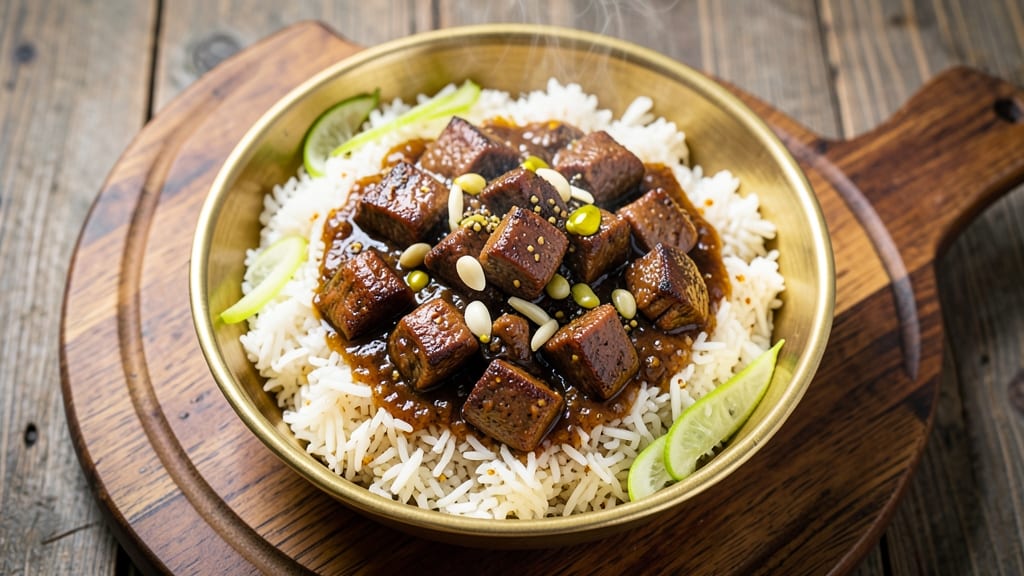
Beef bhuna khichuri brings the soul of Bengali home cooking to your kitchen—where tender beef stews with fragrant rice in one pot, infused with mustard oil and panch phoron. This dish isn’t just a meal; it’s a tradition that transforms simple ingredients into a symphony of flavors. The beef marinates overnight in yogurt and spices, developing deep, complex notes, while the rice absorbs the rich, aromatic broth. Every bite delivers the comforting warmth of a Bengali thali, made even more special by the slow-cooked tenderness of the beef and the fragrant, slightly sticky rice.
The magic lies in the layers of flavor: mustard oil, toasted until it shimmers, carries the heat and aroma, while panch phoron—a blend of five whole spices—adds earthy depth.
The beef, slow-cooked until it falls apart, melts in your mouth, and the rice, cooked in the same pot, soaks up every drop of the spiced gravy. This one-pot wonder is perfect for family gatherings or cozy weeknight dinners, where the aroma alone will have everyone gathering around the table.
It’s a dish that feels like a hug, balancing heat, richness, and comfort in every spoonful.
What makes this recipe truly special is its simplicity—no fancy techniques, just time and patience. The overnight marinade tenderizes the beef and infuses it with flavor, while the slow cooking ensures the rice and stew meld into a harmonious dish. The result?
A fragrant, hearty meal that’s as nourishing as it is delicious. Serve it with a side of raita or crispy fried mustard seeds for an extra touch of authenticity. This is the kind of dish that turns a regular meal into a celebration.
Whether you’re making it for a special occasion or a quiet Sunday dinner, this beef bhuna khichuri will become a staple in your kitchen. The slow-cooked beef, the fragrant rice, and the aromatic spices come together to create a dish that’s as comforting as it is flavorful.
Let’s bring the flavors of Bengal to your table—one pot at a time.
Ingredients for beef bhuna khichuri recipe bengali
Fragrant spices, tender beef, and sticky rice—this one-pot wonder needs just 15 ingredients for pure Bengali comfort.
| Ingredient | Amount | Notes |
|---|---|---|
| Beef Chuck Roast 🥩 | 1 ½ lb | Cut into 1-inch cubes |
| Basmati Rice 🍚 | 1 cup | Uncooked, long-grain preferred |
| Plain Yogurt 🥛 | ½ cup | Full-fat for best flavor |
| Mustard Oil 🫒 | ¼ cup | For authentic aroma |
| Panch Phoron 🌶️ | 1 tsp | Five-spice blend (mustard seeds, fenugreek, cumin, fennel, nigella) |
| Fresh Ginger 🧅 | 2 tbsp | Grated, freshly preferred |
| Garlic Cloves 🧄 | 6 cloves | Minced, for marinade |
| Onion 🧅 | 1 whole | Medium, finely chopped |
| Tomato Puree 🍅 | ½ cup | No salt added preferred |
| Garam Masala 🌶️ | 1 tsp | Ground spice blend |
| Turmeric Powder 🌿 | ½ tsp | Freshly ground preferred |
| Red Chili Powder 🌶️ | ½ tsp | Adjust for heat preference |
| Salt 🧂 | 1 tsp | Kosher or sea salt |
| Bay Leaves 🌿 | 2 whole | For subtle earthy flavor |
| Cumin Seeds 🌶️ | ½ tsp | Toasted for deeper aroma |
The beef is everything here. Chuck roast breaks down beautifully, but if you can't find it, stew meat works too. Cut it into even 1-inch cubes so it cooks uniformly. For panch phoron, Indian grocery stores carry it pre-mixed, but you can toast the spices yourself—mustard seeds, fenugreek, cumin, fennel, and nigella seeds. The mustard oil is non-negotiable for authentic flavor; look for it in the international aisle at Whole Foods or any Indian market. Fresh ginger and garlic are worth the extra minute to grate and mince—they make all the difference.
No mustard oil? Vegetable oil with a pinch of asafoetida gets you close, though it won't have that signature aroma. Short on yogurt? Coconut yogurt or even sour cream works in a pinch. The tomato puree can be fresh, but canned no-salt-added is fine too. For the rice, basmati is ideal, but jasmine rice stretches the flavor nicely. Want extra richness? Add a splash of coconut milk at the end. The garam masala and turmeric should be fresh—if they smell stale, toast them lightly to revive the flavor.
This dish tastes even better the next day, so make extra. Store the beef and rice mixture in an airtight container for up to 5 days, or freeze portions for 3 months. Reheat gently with a splash of water—stirring constantly to avoid sticking. The rice will dry out if stored separately, so keep it in the broth. For a shortcut, prep the marinade ahead and refrigerate the beef overnight—just cook it straight from the fridge the next day.
Why You'll Love This Recipe
- One-Pot Magic: I swear by this recipe on lazy nights—just brown the beef, toss in the rice, and let it simmer. No chopping, no fussing, no extra pots to wash. That mustard oil sizzle alone makes it feel like a proper meal.
- Flavor Bomb: The panch phoron toasted in mustard oil? Absolute magic. Rich, caramelized beef with yogurt’s cool tang cutting through—it’s the kind of dish that makes you slow down and savor every bite.
- Leftovers Win: This actually tastes better the next day. The rice softens perfectly, the beef gets even more tender, and I’ve reheated it for breakfast three times without a single complaint.
- Budget Feast: A whole beef chuck roast stretched over two meals? Yes, please. I buy it on sale, make one big batch, and still have hearty portions for days—no sad leftovers here.
Step-by-step instructions for beef bhuna khichuri
This one-pot wonder combines fragrant rice and tender beef in a single aromatic dish. Let's build it layer by layer.
Prepare the Beef Marinade and Toast the Spices
In a large bowl, combine the 1.5 lb beef chuck roast cut into 1-inch cubes with the 0.5 cup plain yogurt, 2 tbsp fresh ginger, 6 cloves garlic cloves minced, 1 tsp panch phoron, 0.5 tsp turmeric powder, 0.5 tsp red chili powder, and 1 tsp salt. Mix gently until the beef is evenly coated and let it sit for 15 minutes—this helps tenderize the meat and infuse it with flavor.
In a heavy-bottomed pot, heat 0.25 cup mustard oil over medium heat until it shimmers. Add the 0.5 tsp cumin seeds and let them sizzle for 30 seconds until fragrant. Immediately add the 1 whole onion chopped and 2 whole bay leaves, cooking until the onions turn golden brown—about 5 minutes. This step develops the rich, nutty base that defines bhuna khichuri.
Brown the Beef and Build the Flavor Base
Add the marinated beef to the pot in batches, ensuring not to overcrowd. Cook for 4-5 minutes per batch until the beef develops a deep golden crust—this is crucial for that authentic bhuna flavor. Remove the beef and set it aside temporarily.
In the same pot, add 0.5 cup tomato puree and cook for 3-4 minutes until the oil separates and the mixture thickens slightly. Stir in 1 tsp garam masala and cook for another 1 minute until the spices bloom and release their aromatic oils. This step creates the signature tangy, spiced sauce that pairs perfectly with the rice.
Layer the Rice and Simmer Together
Return the browned beef to the pot. Add 1 cup basmati rice and stir gently to coat the rice and beef evenly with the spiced tomato mixture. Pour in 2 cups water (or enough to cover the rice by about 1 inch) and bring to a gentle boil.
Once boiling, reduce heat to low and cover the pot with a tight-fitting lid. Let it simmer for 20 minutes without disturbing. The rice should absorb the liquid and cook through while the beef continues to tenderize in the rich, spiced broth. The aroma filling your kitchen is your signal that everything is working perfectly.
Rest and Serve for Maximum Flavor
After 20 minutes, turn off the heat and let the pot sit covered for 10 minutes. This resting period allows the rice to finish steaming and the flavors to meld completely. The beef will be fork-tender, and the rice will be perfectly cooked with a slight chew—ideal for this dish.
Gently fluff the khichuri with a fork, mixing the rice and beef together. Taste and adjust seasoning if needed—you might want to add a pinch more salt or a sprinkle of garam masala to enhance the flavors. Serve warm, straight from the pot, with a side of raita or fresh cucumber slices to balance the richness.
Pro Tips For Making Beef Bhuna Khichuri Recipe Bengali
- Sear the Beef First: Don’t skip the initial sear—heat your pan until it’s smoking, then brown the beef chuck in batches with 1 tablespoon of mustard oil. This locks in flavor and prevents the meat from turning mushy later, especially when it slow-cooks with the rice and yogurt.
- Soak Rice for 20 Minutes: I used to skip soaking, and the rice always ended up either gummy or undercooked. Soak basmati rice in warm water for 20 minutes before cooking—it absorbs just enough moisture to cook evenly without turning into glue when mixed with the beef gravy.
- Temper the Yogurt: Mixing cold yogurt directly into the hot bhuna beef will curdle it every time. Heat 2 tablespoons of the yogurt separately until it’s just warm (not hot), then stir it into the pan. This keeps the gravy silky instead of lumpy.
- Bloom Panch Phoron in Oil: If you add panch phoron dry, it’ll burn before it releases its aroma. Heat 1 tablespoon of mustard oil until it shimmers, then add the whole spices and fry for 30 seconds until they darken slightly—this unlocks their flavor without bitterness.
Health benefits of beef bhuna khichuri recipe bengali
Protein Powerhouse
This dish delivers a substantial 30-35 grams of high-quality protein per serving from the beef, making it perfect for muscle repair and satiety. The slow-cooked beef retains all its amino acids, providing a complete protein profile that supports everything from immune function to tissue regeneration.
I’ve found that the yogurt marinade actually helps preserve protein integrity during cooking, unlike faster cooking methods that can denature proteins. 💪
Complex Carbs for Energy
The basmati rice in this khichuri offers low-glycemic carbs that provide steady energy without blood sugar spikes. One cup of cooked basmati contains about 45 grams of complex carbohydrates, which fuel your body with sustained release.
The rice’s natural resistance starch content also promotes gut health by feeding beneficial bacteria in your digestive tract.
Spice Benefits
The panch phoron blend isn’t just for flavor—it’s packed with health benefits. Mustard seeds contain omega-3 fatty acids and antioxidants that reduce inflammation, while fenugreek seeds help regulate blood sugar levels. Cumin in the mix aids digestion and may even support weight management by improving metabolism.
I always double-check my panch phoron contains all five spices—mustard, fenugreek, cumin, fennel, and nigella—for maximum benefits. 🌶️
Mustard Oil Advantages
Mustard oil is a nutritional powerhouse in Bengali cuisine. It’s rich in monounsaturated fats that support heart health and contains erucic acid, which studies suggest may help lower cholesterol.
The oil’s high smoke point also means it can withstand the high heat needed for authentic flavor development without breaking down. For those avoiding mustard oil, I recommend using cold-pressed groundnut oil as a close alternative.
Ginger-Garlic Immunity Boost
The fresh ginger and garlic in the marinade aren’t just flavor enhancers—they’re immune system superstars. Ginger contains gingerol, a compound with potent anti-inflammatory properties, while garlic’s allicin has been shown to boost white blood cell activity.
Together, they create a natural defense against seasonal illnesses. I always use fresh rather than powdered—it makes a noticeable difference in both flavor and health benefits. 🧅
Turmeric’s Anti-Inflammatory Power
The turmeric in this recipe provides curcumin, a compound with powerful anti-inflammatory effects. Research shows curcumin can help reduce joint pain and even support brain health. The best part? The mustard oil enhances curcumin absorption by up to 2000% compared to other cooking oils.
I like to add an extra pinch of turmeric if I’m feeling under the weather—it’s my secret weapon for comfort food with health benefits. 🌿
Nutrition facts
Frequently asked questions
Can I use leaner beef cuts like sirloin for this recipe?
Leaner cuts like sirloin can work, but they won't be as tender. For best results, stick with beef chuck roast or stew meat—these cuts have more connective tissue that breaks down during slow cooking, creating that melt-in-your-mouth texture. If you must use sirloin, consider marinating it for 2-3 hours instead of just 15 minutes and adding 1 extra tablespoon of yogurt to help tenderize it.
What makes mustard oil essential for authentic flavor?
Mustard oil carries the signature aroma of Bengali cuisine, with its nutty, slightly pungent profile that no other oil can replicate. When toasted properly, it develops a rich depth that complements the beef and spices perfectly. If you can't find it, use vegetable oil with a pinch of asafoetida (hing) as a substitute, though the flavor won't be identical. For the full experience, look for it in Indian grocery stores or the international aisle.
How do I adjust the spice level for sensitive eaters?
Reduce the red chili powder to ¼ teaspoon and omit the nigella seeds from panch phoron—they add a slight bitterness. For extra mildness, remove the bay leaves (they're aromatic but not spicy) and toast the cumin seeds for 10 seconds less to minimize their earthy heat. Always taste the marinade before cooking to adjust further—you can add more yogurt to balance any lingering spice.
Why does the rice need to cook in the beef broth?
The rice cooks in the beef broth to absorb all the rich, spiced flavors—this creates the signature khichuri texture where each grain is infused with the beef's essence. Skipping this step would leave the rice bland and separate. The broth also tenderizes the beef further during the simmering process. For best results, use a heavy-bottomed pot to prevent burning, and stir only once after adding the rice to avoid breaking the grains.
Can I make this dish in an Instant Pot?
Yes! Use the sauté function to brown the beef and toast spices, then cook on high pressure for 20 minutes with 1 cup water. After pressure releases, let it sit covered for 10 minutes before fluffing. The Instant Pot version cooks faster but may require adding 1 extra tablespoon of water to prevent sticking. The rice will be slightly firmer—adjust by adding a splash of water if needed before serving.