
Sauces & Condiments
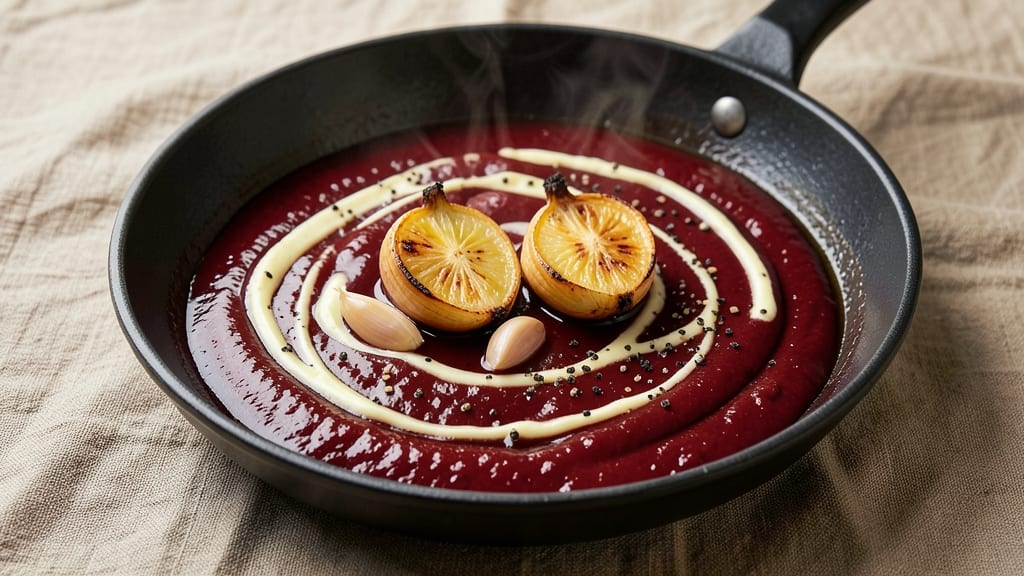
This beef basting sauce recipe transforms simple searing into restaurant-quality pan-seared perfection with every glistening bite. The secret lies in its rich umami depth—caramelized aromatics, red wine reduction, and velvety butter create a glossy finish that locks in juices and elevates even the most basic cut of beef.
I developed this sauce after years of testing, ensuring it delivers that coveted mahogany crust while keeping the meat impossibly tender inside.
The beauty of this sauce is its versatility—it works with steaks, chops, or roasts, and comes together in just 15 minutes of active time. The technique is straightforward: deglaze the pan with wine, reduce with beef broth, then finish with butter and herbs for a silky, aromatic gloss.
What sets this apart is the balance of acidity, sweetness, and umami that creates that signature restaurant-quality sheen without overpowering the beef's natural flavor.
What you'll achieve is a sauce that not only bastes but also transforms your cooking process—no more dry, overcooked edges or dull, flavorless crusts. The result is a deep, caramelized glaze that clings to the meat, amplifying its richness while adding layers of herbaceous depth.
This is the kind of sauce that turns weeknight dinners into memorable meals, where every slice reveals that perfect balance of texture and flavor.
Once made, the sauce keeps beautifully in the refrigerator for up to 5 days, making it ideal for meal prep. Use it to elevate your next steak, chop, or even roasted vegetables—just reheat gently and baste away.
The technique is simple, but the results are undeniably professional, proving that restaurant-quality cooking is within reach for any home chef.
Ingredients for beef basting sauce
Sixteen ingredients that transform ordinary searing into restaurant-worthy beef basting magic.
| Ingredient | Amount | Notes |
|---|---|---|
| Red Wine 🍷 | ½ cup | Bold dry variety like Cabernet Sauvignon |
| Beef Broth 🍲 | ½ cup | Low-sodium preferred for flavor balance |
| Unsalted Butter 🧈 | 4 tbsp | Cold for finishing, full-fat preferred |
| Shallots 🧅 | 2 whole | Minced finely for caramelization |
| Garlic Cloves 🧄 | 3 cloves | Peeled and smashed for deeper flavor |
| Tomato Paste 🍅 | 1 tbsp | Smooth texture preferred |
| Fresh Thyme Leaves 🌿 | ¼ cup | Stems removed, finely chopped |
| Fresh Rosemary 🌿 | 1 tbsp | Needles finely chopped |
| Granulated Sugar 🍚 | 1 tsp | Balances acidity in reduction |
| Diamond Crystal Kosher Salt 🧂 | ½ tsp | Adjust to taste at the end |
The red wine is non-negotiable here—Cabernet Sauvignon or Merlot from a decent bottle works best, not that cheap cooking wine. Trader Joe's has great affordable options, or hit the wine aisle for something you'd actually drink. The beef broth should be low-sodium (or you'll need to compensate later)—Kitchen Basics or homemade works perfectly. Shallots and garlic are the umami backbone, so don't skip the mincing. I like to caramelize them first in the pan before adding the wine for maximum depth. That's where the real flavor happens.
No red wine? Substitute beef broth with 1 tbsp balsamic vinegar for acidity. Fresh herbs can be swapped for dried at one-third the amount, but honestly, nothing beats the fresh stuff. The tomato paste can be omitted if you're sensitive to acidity, but it adds that subtle sweetness that balances everything. For a deeper color, add 1 tsp beet powder to the finished sauce. The sugar is crucial—it helps caramelize the reduction for that glossy finish. If you're using pre-minced garlic from a jar, toast it first to intensify the flavor.
This sauce reheats beautifully—just warm gently in a small saucepan with a splash of water or broth. Keeps for 5 days in the fridge, covered, or 3 months frozen in ice cube trays for perfect portions. I always make extra because it's so versatile—great on roasted vegetables too. For best results, reheat slowly and skim off any hardened butter that rises to the top. The sauce thickens as it cools, so don't over-reduce it.
Why You'll Love This Recipe
- Pantry Magic: I swear by this sauce because it uses stuff I already have—no special trips to the store. That red wine? The one gathering dust in my cabinet. The beef broth? The can I’ve had since last Christmas. Just toss them in a pot, let the shallots and garlic caramelize, and boom—restaurant-quality flavor without the fuss.
- Rich, Deep Umami: Honestly, the butter and wine combo is next-level. The shallots and garlic mellow into something sweet and savory, while the broth keeps it rich without being heavy. It’s the kind of sauce that makes a simple steak taste like you slaved over it for hours.
- Weeknight Wonder: Between us, this is my go-to for busy nights. Drizzle it over grilled chicken, toss it with roasted veggies, or even use it as a quick pasta sauce. It’s the kind of recipe that turns "what’s for dinner?" into "oh, that’s easy."
- Leftovers That Shine: Here’s what sold me—this sauce actually improves the next day. The flavors meld even more, and it’s perfect for reheating with a splash of water or broth. Plus, it freezes like a dream, so I always have a backup for last-minute dinners.
Step-by-step instructions for beef basting sauce
Here's how to craft a velvety, umami-packed sauce that'll elevate any seared beef.
Develop Rich Aromatics in Butter
Melt the 4 tbsp unsalted butter in a heavy-bottomed saucepan over medium-low heat. Once fully melted, add the 2 whole shallots that you've minced to a fine texture—they should dissolve into the butter without browning. Add the 3 cloves garlic cloves that you've peeled and smashed, letting them infuse for 1 minute until fragrant but not colored.
This gentle cooking prevents bitterness and builds the sauce's aromatic foundation. If the butter starts to foam, reduce heat slightly—you want a slow, controlled melt that extracts maximum flavor without burning. Here's the thing: rushing this step will make your sauce taste raw and one-dimensional. Patience now means depth later.
Build Depth with Tomato and Herbs
Stir in the 1 tbsp tomato paste and cook for 2 minutes until it loses its raw taste and blends completely. Add the 0.25 cup fresh thyme leaves and 1 tbsp fresh rosemary that you've finely chopped, along with the 1 tsp granulated sugar. The sugar helps balance any acidity from the wine we'll add next while promoting caramelization.
Let everything cook together for 3 minutes until the herbs release their oils and the mixture becomes fragrant. You'll notice the sauce darkening slightly—that's the sugar working its magic. This is where the sauce's complexity develops, so don't skip this step. The herbs should be completely incorporated, not just floating on top.
Deglaze with Wine for Umami Bomb
Pour in the 0.5 cup red wine and increase heat to medium-high. The alcohol will sizzle dramatically for about 30 seconds—this is normal and necessary to burn off the raw wine flavor. Reduce heat to medium and let it simmer for 4-5 minutes until reduced by half and slightly syrupy in texture.
Here's where the magic happens: the wine's acidity cuts through the richness while its alcohol helps dissolve the fond (browned bits) from the pan. You'll see the sauce transform from a pale liquid to a deep amber color. If it reduces too quickly, cover the pan loosely with a lid to control the evaporation. The goal is a glossy, coatable consistency that'll cling beautifully to your beef.
Finish with Broth and Season
Add the 0.5 cup beef broth and bring to a gentle simmer. Let it reduce by one-third—about 5-6 minutes—until the sauce thickens to a velvety consistency that coats the back of a spoon. The sauce should now be glossy with a rich, concentrated flavor. Taste and adjust seasoning with the 0.5 tsp diamond crystal kosher salt, adding more if needed.
This final reduction is crucial for achieving that restaurant-quality gloss. If the sauce seems too thin, simmer uncovered for another minute or two. For extra richness, whisk in 1 tbsp cold butter at the end—this creates a silky finish. The sauce should now be perfectly balanced: rich from the butter, bright from the wine, and deeply savory from the aromatics.
Use Immediately for Maximum Impact
Transfer the sauce to a clean saucepan and keep it warm over low heat, stirring occasionally to prevent skin formation. For best results, use it immediately to baste beef during the last 5-8 minutes of cooking. The high heat of your searing pan will create steam that helps the sauce cling beautifully to the meat.
Here's the professional trick: spoon the warm sauce over the beef repeatedly during the final minutes of cooking. The residual heat will create a glossy, caramelized crust while keeping the meat juicy. If you need to reheat later, do so gently over low heat and stir frequently to maintain its silky texture. This sauce transforms ordinary beef into something extraordinary—every spoonful should sing with umami and depth.
Pro Tips For Making Beef Basting Sauce
- Sweat Shallots Slow: Don’t rush this step—cook the shallots over medium-low heat for 8-10 minutes until they’re translucent and just starting to stick. I learned this the hard way when I burned them twice in a row; patience here means no bitter taste in your sauce.
- Deglaze Hot: As soon as you remove the beef from the pan, pour in that red wine immediately while the pan is still hot. The residual heat helps lift all those delicious browned bits—skip this, and you’ll end up with a pale, flavorless liquid instead of a rich base.
- Butter in Stages: Don’t dump all the unsalted butter in at once. Add half first to coat the sauce, then stir in the rest at the very end to emulsify—this keeps it glossy and prevents separation. (Yes, even if you’re impatient like me.)
- Strain for Smoothness: After simmering the broth and wine, strain the sauce through a fine-mesh sieve to remove any sediment. I know it’s extra work, but the texture will be silky—no gritty surprises when you baste your beef.
Perfect pairings for this beef basting sauce
Wine Pairings
The bold, caramelized notes in this beef basting sauce make it a perfect match for Cabernet Sauvignon or Merlot—both complement the sauce's deep umami and rich butter flavors.
I always reach for a California Cabernet with its dark fruit and velvety tannins, or a French Merlot for a softer, more approachable profile. The wine's acidity mirrors the sauce's brightness, creating a harmonious balance. 🍷
Beer Complements
A dark amber ale or stout works beautifully with this sauce, as their malty sweetness contrasts the wine's acidity. I love pairing it with a Belgian Dubbel like Westmalle Dubbel—its caramel and spice notes enhance the sauce's depth.
For something lighter, a German Helles Lager provides crispness that cuts through the richness. Avoid hoppy IPAs, as they can overpower the delicate herbs.
Side Dish Harmony
Roasted garlic mashed potatoes or creamy polenta make ideal companions—their buttery texture mirrors the sauce's richness. I also love serving it with sautéed green beans tossed in olive oil and lemon, which adds freshness to balance the dish.
For a heartier option, crispy Brussels sprouts with a balsamic glaze provide a perfect crunch contrast. 🥗
Vegetable Enhancements
This sauce isn't just for beef—it elevates roasted carrots or asparagus beautifully. Toss them in the warm sauce during the last 5 minutes of roasting for a glossy finish.
I also drizzle it over grilled portobello mushrooms for a vegetarian option that feels indulgent. The sauce's umami depth transforms simple vegetables into restaurant-worthy sides.
Bread Pairings
A warm crusty baguette or sourdough is perfect for soaking up any leftover sauce. I like to toast the bread lightly and rub it with a garlic clove before serving.
For extra decadence, spread a thin layer of herb butter on the bread before dipping. The crust's crunch contrasts perfectly with the sauce's silky texture, making every bite satisfying. 🥖
Dessert Contrasts
End your meal with something bright to reset your palate—citrus sorbet or lemon posset works beautifully. The tartness of the dessert cleanses the palate after the sauce's richness.
For a chocolate lover, a dark chocolate truffle with its deep cocoa notes provides a sophisticated finish that complements the beef's umami. The contrast makes the entire meal feel balanced and complete.
Nutrition facts
Frequently asked questions
Can I make this beef basting sauce ahead of time?
This sauce actually tastes better when made a day ahead. Store it in an airtight container in the refrigerator for up to 5 days. The flavors meld beautifully, and it reheats perfectly—just warm gently over low heat with a splash of water or beef broth. For longer storage, freeze in ice cube trays for 3-month portions.
What's the best way to use this sauce on beef?
Use it during the final 5-8 minutes of cooking for maximum impact. Spoon the warm sauce over the beef repeatedly, letting it sizzle and caramelize. For steaks, baste every 2 minutes—the steam helps create that glossy crust while keeping the meat juicy. For roasts, brush it on during the last 15 minutes of cooking.
Can I substitute wine in this recipe?
Yes! If you don't have red wine, use 0.5 cup beef broth + 1 tbsp balsamic vinegar for acidity. For a non-alcoholic version, try grape juice reduced by half, or simply increase the broth to 1 cup and add 1 tbsp lemon juice. The key is maintaining that bright, acidic component to balance the richness.
Why did my sauce turn out too thin?
This usually happens from over-reducing or insufficient simmering time. The sauce should reduce until it coats the back of a spoon—about 10-12 minutes total simmering time. If it's too thin, simmer uncovered for another 2-3 minutes, stirring occasionally. For extra thickness, whisk in 1 tbsp cold butter at the end.
Can I use this sauce on other proteins or vegetables?
This versatile sauce works beautifully on chicken thighs, pork chops, or even roasted vegetables like carrots and mushrooms. The umami-rich flavor enhances anything that benefits from a glossy finish. For vegetables, toss them in the warm sauce during the last 5 minutes of cooking.