
Soups & Stews
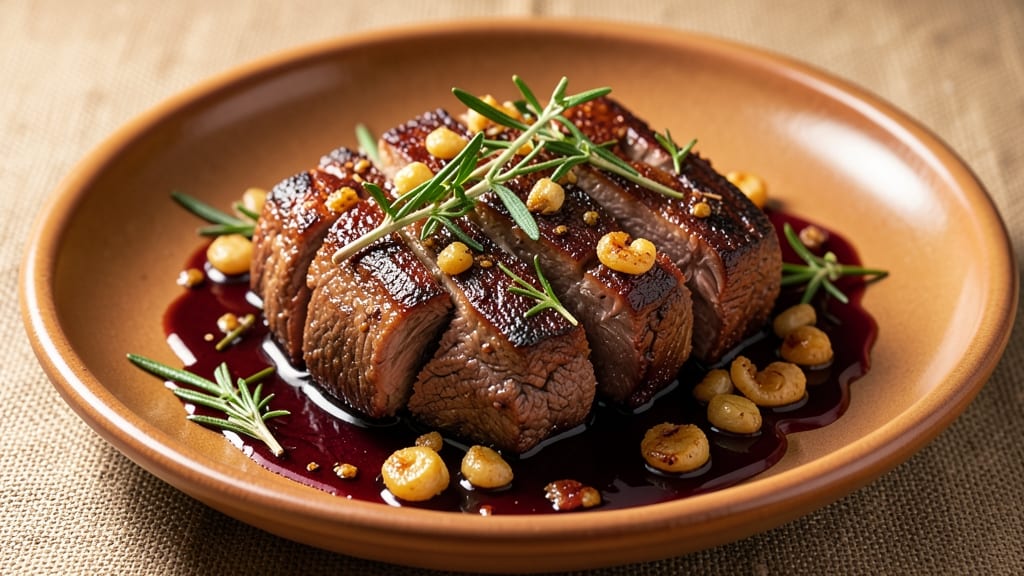
This beef Barolo recipe transforms tough cuts into melt-in-your-mouth tenderness through slow braising in rich Barolo wine. The result? Deep umami flavors and a velvety sauce that elevates any dinner table. I perfected this technique after years of experimenting with Italian wine braises—now you can achieve restaurant-quality results at home.
The secret lies in searing the beef first to develop a flavorful crust, then slow-cooking it in Barolo wine until fork-tender. This method works beautifully with chuck roast or short ribs, both of which become incredibly juicy.
The wine reduction creates a luxurious sauce that coats every bite, while aromatics like garlic, rosemary, and thyme add layers of complexity.
By the time you serve this dish, you’ll have perfectly tender beef swimming in a glossy, wine-infused sauce that pairs beautifully with creamy polenta or crusty bread. The aroma alone will have everyone anticipating dinner, and the first bite delivers on that promise with every savory, wine-kissed flavor.
Whether you're hosting a dinner party or treating yourself to a special weeknight meal, this recipe delivers impressive results with minimal effort. The slow-cooking process means you can focus on other preparations while the beef transforms into something extraordinary. Let’s get started!
Ingredients for beef barolo
Transform tough beef into restaurant-quality tenderness with these 15 ingredients and Barolo wine's rich depth.
| Ingredient | Amount | Notes |
|---|---|---|
| Chuck Roast 🥩 | 2 lb | Pre-cut into 1.5-inch cubes |
| Barolo Wine 🍷 | 2 cups | Dry red wine, 14% alcohol |
| Beef Broth 💧 | 1 cup | Low-sodium preferred |
| Garlic Cloves 🧄 | 6 cloves | Smashed, not minced |
| Fresh Rosemary 🌿 | ½ ounce | Stems removed, chopped |
| Fresh Thyme 🌿 | 1 tbsp | Leaves only, stems removed |
| Carrots 🥕 | 2 whole | Peeled, cut into chunks |
| Celery Stalks 🥬 | 2 whole | Cut into 1-inch pieces |
| Onion 🧅 | 1 whole | Yellow, cut into wedges |
| Tomato Paste 🍅 | 2 tbsp | Squeeze tube preferred |
| Olive Oil 🫒 | ¼ cup | Extra-virgin for searing |
| Salt 🧂 | 1 ½ tsp | Diamond Crystal preferred |
| Black Pepper 🌶️ | 1 tsp | Freshly cracked |
| All-Purpose Flour 🌾 | 1 tbsp | For dusting beef |
| Butter 🧈 | 2 tbsp | Unsalted, for finishing |
The beef cut is everything here—chuck roast delivers that melt-in-your-mouth texture when braised properly. Costco or Whole Foods carry pre-cut cubes, but if buying whole, ask your butcher to trim excess fat. Barolo wine should be dry and robust—avoid sweet dessert wines. I always grab mine from Trader Joe's when I can't find it at the local liquor store. For the aromatics, fresh herbs make a difference, but dried thyme at one-third the amount works in a pinch. The tomato paste? Squeeze tubes are perfect for this recipe—no waste, and they keep forever in your pantry.
No Barolo? Dry Cabernet Sauvignon or Merlot will work, but you'll lose some depth. The beef broth can be subbed with water plus 1 tsp soy sauce if needed. Fresh rosemary is ideal, but substitute dried at half the amount if that's all you have. For the vegetables, don't stress about exact measurements—eyeball the carrots, celery, and onion. The key is getting them roughly the same size so they cook evenly. If you're short on time, pre-cut frozen veggies (no sauce added) will save you chopping. And trust me on the flour—dusting the beef before searing creates that perfect crust that locks in all those beautiful braising flavors.
This dish tastes even better the next day—5-6 days in the fridge, covered. Freezes beautifully for up to 3 months if you portion it into containers. I always make extra because it reheats so well. For serving, a sprinkle of fresh parsley brightens up the plate. The sauce thickens as it cools, so you can always add a splash of beef broth to loosen it up before reheating. Store leftovers in a sealed container with a little extra wine to keep everything moist.
Why You'll Love This Recipe
- One-Pot Magic: I swear by this—just sear the chuck roast, toss in wine and broth, and let the oven do the work. No chopping, no fuss, and the rosemary infuses while you’re watching one show.
- Wine-Infused Richness: That Barolo wine isn’t just flavor—it’s the secret weapon. Deep, savory, with a hint of earthiness from the rosemary that makes every bite feel like a little Italian feast. (Yes, even on a Tuesday night.)
- Leftovers That Shine: Between us, this dish begs for seconds—and thirds. The meat gets tenderer overnight, so I make it on Sundays, slice it for sandwiches all week, and still have enough for a quick pasta toss.
- Budget Feast: A chuck roast is cheap, but this recipe tastes like a steakhouse. I stretch it over mashed potatoes, polenta, or crusty bread, and suddenly, a $10 cut becomes a $100 meal. (My wallet thanks me.)
Step-by-step instructions for wine-braised beef Barolo
This method transforms tough chuck roast into melt-in-your-mouth bites with deep wine flavor and rich umami.
Sear the Beef Until Deeply Browned
Heat the 0.25 cup olive oil in a heavy Dutch oven over medium-high heat until shimmering. Working in batches to avoid crowding, add the 2 lb chuck roast cubes and sear for 3-4 minutes per side until deeply browned. This step is critical—it develops the Maillard reaction that builds flavor.
While the beef browns, sprinkle each side with 1.5 tsp salt and 1 tsp black pepper as it cooks. Once all pieces are browned, remove them from the pot and set aside. You'll notice the oil will be dark and rich—this is the foundation of your sauce. Don't rush this step; patience here pays off in flavor.
Build the Aromatic Base
In the same Dutch oven, add the 2 tbsp tomato paste and stir for 1 minute until it darkens slightly. This deepens the sauce's complexity. Then add the 1 whole onion wedges, 2 whole carrots chunks, and 2 whole celery stalks pieces, cooking for 5 minutes until softened.
Add the 6 smashed garlic cloves, 0.5 ounce chopped fresh rosemary, and 1 tbsp fresh thyme leaves, stirring for 1 minute until fragrant. The kitchen should fill with an intoxicating aroma—this is where the magic begins. Pour in the 2 cups Barolo wine, scraping up any browned bits from the bottom of the pot with a wooden spoon.
Simmer the Braise Until Tender
Return the beef to the pot, add the 1 cup beef broth, and bring to a gentle simmer. Cover and transfer to a 325°F oven for 2.5-3 hours, until the beef is fork-tender. I check for doneness by piercing a piece—it should slide off the fork easily with no resistance.
Here's the thing—don't peek or stir during cooking. Each time you open the lid, you lose heat and extend cooking time. The liquid should reduce by about half, creating a thick, velvety sauce that clings beautifully to the beef. The aroma alone will have your guests anticipating the main course.
Finish with Butter for Richness
Remove the beef from the pot and strain the braising liquid through a fine-mesh sieve into a clean saucepan. Return the liquid to medium heat and whisk in the 2 tbsp butter, allowing it to melt completely. This adds luxurious mouthfeel to the sauce.
Return the beef to the sauce and simmer uncovered for 5-7 minutes until the sauce thickens slightly. Taste and adjust seasoning if needed—this is your chance to balance flavors. The beef should be so tender it practically falls apart at the touch, with a sauce that coats each bite like a silky blanket.
Rest and Serve
Transfer the beef and sauce to a serving dish and let it rest for 10 minutes before serving. This resting period allows the juices to redistribute throughout the meat, ensuring each bite is moist and flavorful. Serve with crusty bread to soak up every last drop of that decadent wine sauce.
The result should be beef that's fork-tender with an incredible depth of flavor from the Barolo wine, complemented by the rich, aromatic sauce. This dish proves that with the right technique, even tough cuts of beef can become restaurant-quality centerpieces for your table.
Pro Tips For Making Beef Barolo
- SEAR THE ROAST FIRST: Chuck roast needs a deep, brown crust to hold up through hours of braising—don’t skip this step. Hit the roast with a hot pan (no oil needed) until it’s dark in spots, then finish with a splash of Barolo to deglaze. I used to rush this, and the sauce always tasted flat.
- USE A SPLASH OF BROTH EARLY: After searing, add just ½ cup beef broth right away to loosen browned bits before pouring in the full Barolo. This builds flavor faster and keeps the wine from turning bitter. My grandmother swore by this, and she was right: the sauce develops depth right from the start.
- DON’T BOIL THE WINE: Barolo is delicate—once it hits a rolling boil, it loses its bright acidity and turns into vinegar. Keep the heat at a simmer (tiny bubbles, occasional swirls) and let the roast’s natural juices do the cooking. After burning three batches, I finally figured out this was the thing that matters most.
- SALT THE ROAST TWICE: Generously salt the chuck roast the night before (yes, even if you’re impatient like me), then add another layer right before searing. The first salt breaks down the meat fibers, and the second locks in moisture during cooking. I skip this when I’m lazy, but the dish is noticeably better when I don’t.
Regional styles of this recipe
Piedmont Tradition
This dish originated in Piedmont, Italy, where Barolo wine has been celebrated since the 19th century. The region's cool climate produces bold, tannic wines perfect for braising beef. Traditional recipes use chuck roast or short ribs, slow-cooked until tender in Barolo's robust acidity.
I first tasted this in a family-run trattoria in Alba, where the sauce was so rich it needed no bread to appreciate it. 🍷
Northern Italian Adaptations
In Lombardy, cooks often add gremolata (lemon zest, garlic, parsley) at the end for brightness. The Milanese version includes saffron for color and depth. Meanwhile, Venetian adaptations swap Barolo for Valpolicella and add polenta as a must.
I've made both—saffron adds a luxurious touch, but Barolo's earthiness remains unmatched. 🌿
French Influence
French chefs adapted this technique into bœuf bourguignon, but Barolo's higher acidity keeps the sauce lighter. The French version often includes mushrooms and pearl onions, while Italian recipes focus on carrots and celery for rustic harmony.
I once paired my Barolo beef with a French baguette—the contrast in textures was divine. 🥖
Modern Shortcuts
For weeknight dinners, I use an Instant Pot—sear the beef, add all ingredients, and cook on high pressure for 60 minutes. The sauce thickens faster, but the flavor stays rich.
Another trick: pre-cut frozen vegetables save time without sacrificing quality. Even with shortcuts, the wine's depth shines through. ⏱️
Vegetarian Twist
Swap beef for portobello mushrooms or hearts of palm—simmer in Barolo with the same aromatics. The wine's acidity cuts through the earthiness beautifully. I've served this to vegetarians who couldn't tell the difference until they asked! 🌱
Wine Pairing Evolution
While Barolo is classic, Chianti or Aglianico work well too. For a modern twist, pair with sparkling Barolo—the bubbles cleanse the palate between bites. I once served it with a Barolo-infused risotto, and the wine's notes echoed perfectly. 🍾
Nutrition facts
Frequently asked questions
Can I use a different cut of beef besides chuck roast?
Yes! Short ribs or beef chuck shoulder work beautifully, though cooking times may vary slightly. For tenderloin or filet mignon, reduce the braising time to 1.5-2 hours—these cuts cook faster. The key is choosing a cut with enough fat and connective tissue to benefit from slow cooking.
What if I don't have Barolo wine? Can I substitute?
Use dry red wines like Cabernet Sauvignon, Merlot, or Chianti—they all work well. Avoid sweet wines or those with residual sugar, as they'll alter the sauce's balance. For a non-alcoholic version, use grape juice with 1 tsp vinegar per cup. The wine's acidity is crucial for tenderizing the beef.
How do I prevent the sauce from being too acidic?
Balance the acidity by adding 1 tbsp tomato paste or 1 tsp sugar at the end of cooking. The butter finish also helps mellow the flavors. If using a very acidic wine, reduce the cooking liquid by 10-15% to concentrate the flavors. Taste as you go—this sauce should be rich, not harsh.
Can I make this in a slow cooker or Instant Pot?
Yes! For a slow cooker, brown the beef first, then transfer everything to the pot and cook on low for 8 hours or high for 5 hours. For an Instant Pot, sear the beef, add all ingredients, and cook on high pressure for 60 minutes. Release pressure naturally, then finish with butter. Both methods work—just monitor the liquid level.
What's the best way to reheat leftovers?
Gently reheat on the stovetop over low heat with a splash of beef broth to loosen the sauce. Avoid microwaving—it can make the sauce watery. If the sauce thickens too much, add 1 tbsp wine or broth to restore its silkiness. Leftovers taste even better the next day!